Published: 25 July 2026. The English Chronicle Desk. The English Chronicle Online.
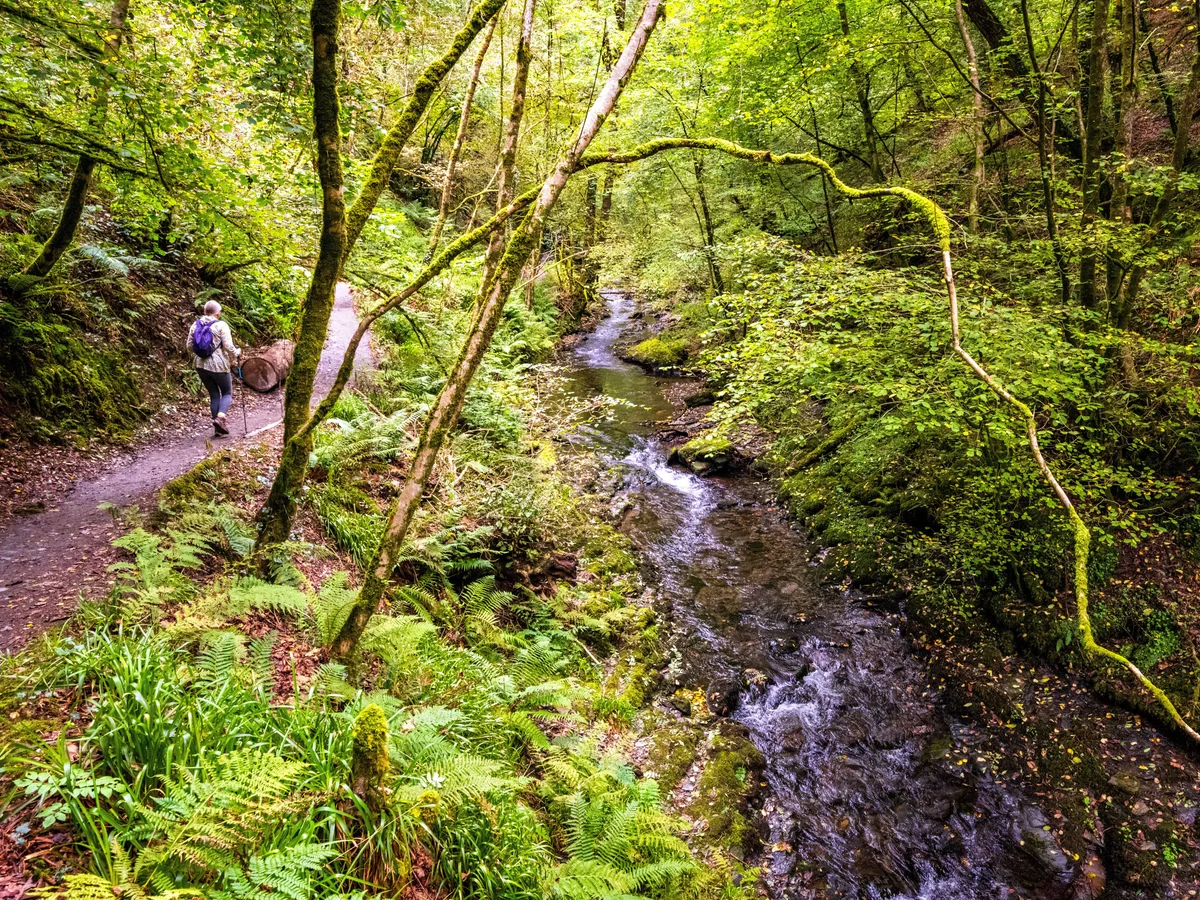
Public access to England’s rivers has come under renewed scrutiny after new research revealed that almost three-quarters of the country’s riverbanks remain inaccessible to the public. Campaigners argue that, despite growing awareness of the importance of nature for physical and mental wellbeing, millions of people are still unable to reach rivers safely and legally, prompting fresh calls for the UK government to introduce a legal right of responsible access to waterways.
The findings, released by the Right to Roam campaign, paint a striking picture of the country’s river network. According to the analysis, approximately 71% of riverbanks across England’s major rivers and tributaries have no adjoining public access or recognised public right of way within 100 metres of the water. The study examined 89 river catchments stretching from the far south-west of Cornwall to the River Tweed on the English-Scottish border, highlighting widespread restrictions regardless of whether urban or rural areas were included.
Campaigners say the figures demonstrate that while rivers are often regarded as public natural assets, access to them is largely controlled by private land ownership. In many parts of England, people wishing to walk beside rivers, swim, paddle or simply enjoy the water’s edge often encounter barriers ranging from fences and private estates to a lack of legal footpaths.

The issue has become increasingly significant as Britain experiences more frequent periods of extreme heat linked to climate change. During recent summers, rivers have become popular destinations for families seeking affordable outdoor recreation and relief from soaring temperatures. However, without legal access routes, many communities are effectively excluded from using nearby waterways.
Lewis Winks, an environmental social scientist with the Right to Roam campaign who led the research, described the findings as evidence of a longstanding imbalance between public interest and private land ownership.
He argued that access to rivers should be considered a basic public right rather than a privilege available only in selected locations. According to Winks, ensuring people can safely reach rivers is becoming increasingly important as climate change continues to produce longer and more intense heatwaves across the UK.
The campaign has urged Environment Secretary Angela Eagle to move forward with a long-promised consultation on countryside access. Campaigners want the government to include proposals for responsible public access to both land and water within an upcoming Green Paper on access to nature, before ultimately introducing legislation through the next King’s Speech.
Unlike Scotland, where responsible access rights are protected under legislation, England operates under a far more limited system centred on designated public rights of way. As a result, large sections of rivers remain inaccessible despite flowing through landscapes of significant environmental and recreational value.
The report also notes that there is currently no clearly defined statutory public right to enter the water on approximately 96% of rivers in England and Wales. This legal uncertainty means activities such as open-water swimming, paddling and kayaking frequently become points of dispute between recreation groups and private landowners. Reservoirs, lakes and many inland waterways are similarly treated as private spaces where public access is restricted.
Supporters of greater access believe improving legal rights would encourage healthier lifestyles while strengthening public support for river conservation.
Kate Rew, founder of the Outdoor Swimming Society, said she hoped that within the next two decades England would have healthier rivers that people could freely reach to swim, paddle, walk and enjoy responsibly.
She argued that regular contact with nature improves both physical and emotional wellbeing but also creates stronger public support for environmental protection. According to Rew, people are far more likely to campaign for cleaner rivers when they are able to experience them directly rather than being excluded from them.
Environmental groups have repeatedly linked public engagement with improved conservation outcomes, suggesting that communities who regularly visit rivers are more likely to support pollution reduction, habitat restoration and long-term ecological protection.
The research also raises questions about the effectiveness of recent government initiatives aimed at increasing access to nature.
Prime Minister Keir Starmer’s government has committed to creating nine new national river walks across England. However, Right to Roam argues that the first announced project along the River Mersey has not significantly expanded public access beyond existing routes.
Campaigners say that while new walking trails are welcome, they do little to address the broader problem if they fail to provide meaningful access to the river itself.
Regional differences revealed by the research also highlight the uneven distribution of access across England.
In the Middle Severn catchment in Shropshire, around 90% of riverbanks reportedly lack public access, making it one of the least accessible river systems examined. By contrast, the New Forest catchment recorded approximately 49% inaccessible riverbank, representing one of the better-performing areas while still leaving nearly half the riverside unavailable to the public.
The report also highlights what campaigners describe as misleading examples of long-distance walking routes. Several nationally recognised trails carry the names of famous rivers despite spending considerable distances away from the water.
One example is part of the Severn Way between Shrewsbury and Telford, where sections reportedly divert hundreds of metres from the River Severn itself because public access beside the river is unavailable. Similarly, much of the 44-mile Test Way, named after Hampshire’s internationally renowned chalk stream, does not actually follow the river for substantial stretches.

As debate over river access grows, safety organisations continue to urge caution around open water. Rescue services have repeatedly warned that rivers can present hidden dangers, including strong currents, cold-water shock and underwater hazards, particularly during periods of hot weather when more people seek places to cool off.
Government officials insist that improving public access to nature remains part of broader environmental policy.
A spokesperson for the Department for Environment, Food and Rural Affairs said the government remains focused on restoring nature while increasing opportunities for people to enjoy green spaces. Officials highlighted ongoing commitments including nine new national river walks, the planned coast-to-coast walking route across northern England and continued development of the 2,700-mile King Charles III England Coast Path.
For campaigners, however, these projects represent only part of the solution. They argue that without broader legal reforms granting responsible access to rivers and surrounding land, the majority of England’s waterways will remain effectively out of reach for millions of people.
As climate pressures increase and public demand for accessible natural spaces continues to grow, the debate over who can enjoy England’s rivers appears set to become an increasingly important environmental and political issue.
Related News:
 Scotland’s Climate Plans Face Scrutiny Over ‘Science Fiction’ Targets
 Burnham unveils £65m drought aid for farmers
 Water firms may avoid fines under UK water reform plan
 No Gas Boiler Ban as UK Warm Homes Plan Backs Heat Pumps
 Net Zero Cheaper Than One Fossil Fuel Crisis, UK Told
 UK Records Earliest Spring as Nature Awakens Fast
 Kezia Dugdale Warns of Possible Reversal of Equal Rights Gains
 NHS Safety Fears as Nurses Cover Doctor Gaps
 Crackdown Backfires on UK Climate Protesters
 Reform UK funding: mystery billionaire revealed
 Capitalism ‘Suicidal’, Warns Petro at Climate Summit
 John Terry Faces Backlash Over Political Posts
 UK may ban protests amid rising antisemitism fears
 Tractor Breakdown Tests Lincolnshire Farmers
 Labour Members Turn Against Starmer Leadership
 Britons Build Emergency Supplies Amid Rising Fears
 UK Faces Mass Water Shortages by 2055, Lords Warn
 Sycamore Gap Artwork Chosen After Public Vote
 Farage and Reform UK Reshape British Politics
 Starmer Leadership Under Pressure After Setbacks
 UK Nations Brace for Potential Breakup Amid Reform Surge
 UK Seas Face Extreme Heatwave as Global Temperatures Surge
 UK Schools Struggle as Classrooms Top 40C
 London Tube Heat Reaches Dangerous Levels
 London’s 2026 ‘Great Stink’ Raises Sewer Concerns
 Green Party Surges Past Labour in Latest UK Poll
 Trump’s UK Ambassador Urges North Sea Drilling to Strengthen US Ties
 French Taxi Driver Cleared in David Lammy Theft Case After Fare Dispute
 Millionaires group urge Reeves to introduce wealth tax to ‘lift kids out of poverty’
 Starmer Faces Growing Dissent as Labour MPs Weigh Leadership Challenge
 Reeves rejects £1bn plea for NHS redundancy payouts
 PM Condemns Leaks, Vows Loyalty to Ministers and Stability
 Major Rent Reform Ends No-Fault Evictions in England
 Most Tories Expect to Support a Farage-Led Government
 Starmer Says Labour’s Economic Plan Needs Years to Deliver
 Judi Dench Champions Fight to Save London’s Green Spaces
 Labour Blocks Burnham as Party Rift Deepens Ahead of Polls
 Huge mistake: Labour blocks Burnham from byelection bid
 Artificial intelligence will cost jobs, admits Liz Kendall
 Labour targets Greens on drugs in Gorton Denton byelection
 Mandelson Faces Police Inquiry Over Epstein Leak
 Morgan McSweeney downfall shocks Labour leadership
 Farage Unveils Reform UK Frontbench Team
 Wales Approves Assisted Dying Bill Consent
 UK EU Trade Reset Gains Public Backing
 Ocean Warming Drives Massive Marine Life Loss, Study Warns
 Corbyn Leads Your Party in Coordinated Left-Flank Strategy
 Asylum Seekers to Work After Year-Long Wait
 Starmer Row as Greens Demand Apology
 Proposed Law Leaves Gap for Children of Convicted Paedophiles
 Gordon Brown urges court for crimes against children
 Inquiry into HMRC child benefit errors launched by NAO
 Farage Faces Backlash Over Crypto Cameo Endorsements
 Rising Costs Force Families to Rethink Days Out
 Relationship with Trump may be beyond repair, Starmer warned
 Unions Raise Concerns Over Doctors’ Pay Dispute
 UK Government Poised to Revive Stalled Hillsborough Law
 UK Stands Firm on Falklands Amid US Rift
 Welsh Labour Faces Potential Historic Election Defeat
 Silent Tracks: Rail Line Without Passengers
 Greens Face Internal Row Over Antisemitism Claims
 Major test for Labour as polls open in Great Britain
 Barrister Criticises Trial After Suicide Case Verdict
 Reform UK Faces Crisis as Newly Elected Councillors Resign
 Keir Starmer Struggles to Secure His Grip on Downing Street
 Farage Faces Standards Probe Over Cash Property Purchase
 Pope Meets Families in Italy Toxic Waste Zone
 Secret Role of UK Security Services in Troubles Amnesty Law
 Minister Criticises Police Guidance Amid Southampton Protests
 Makerfield Voters Demand Real Change as Election Looms
 The Hidden Crisis Eroding Trust in British Communities
 Labour MP Revives Blocked Assisted Dying Bill in Commons
 Starmer Set to Announce Exit Plan as Burnham Eyes No 10
 Trump’s Mount Rushmore Speech: A Divisive Anniversary
 British Teens in EU Face Soaring UK University Fees
 Burnham Pledges New Era of Open Debate for Labour MPs
 Security Row Erupts Following Tragic Death
 Olympus Awaits Unesco Heritage Recognition
 Westminster Council Threatens Charing Cross Soup Kitchen
 Gen Z turns to BirdTok for a gentler digital escape