Published: 27 July 2026 | The English Chronicle Desk | The English Chronicle Online
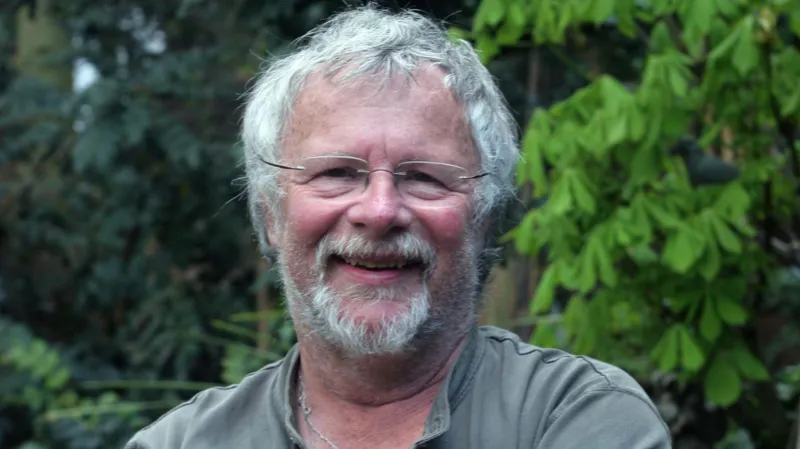
British television presenter, comedian and wildlife broadcaster Bill Oddie has died at the age of 85, marking the end of a remarkable career that helped transform public interest in nature and conservation across generations.
Oddie became one of the most recognisable figures in British television through his work as a comedian, writer and natural history presenter. Best known for programmes that brought wildlife closer to millions of viewers, he played a major role in making birdwatching and environmental awareness more accessible to mainstream audiences.
News of his death has prompted tributes from colleagues, conservation organisations and viewers who remember him as a distinctive and passionate voice for the natural world.
Throughout his long career, Oddie combined humour, curiosity and scientific interest, creating a unique style of broadcasting that appealed to both children and adults. His enthusiasm for wildlife was central to his public identity, and he became one of the most influential figures in British nature television.
Born in Rochdale, Lancashire, Oddie developed an early fascination with birds and the outdoors. His passion for wildlife began during childhood and remained a defining feature of his life, eventually shaping a career that moved far beyond traditional comedy.

Before becoming known as a wildlife presenter, Oddie first gained fame as part of the comedy trio The Goodies alongside Tim Brooke-Taylor and Graeme Garden.
The group became one of Britain’s most successful comedy acts during the 1970s, known for its surreal humour, inventive sketches and distinctive approach to television entertainment.
The Goodies attracted a large following and became a major part of British comedy history, influencing later generations of comedians and writers.
However, while comedy established Oddie as a household name, it was his work in wildlife broadcasting that became his greatest legacy.
Oddie’s transition from comedy to natural history television demonstrated his ability to combine entertainment with education. Rather than presenting wildlife programmes in a traditional documentary style, he brought personality, humour and emotional connection to the subject.
His approach helped change how audiences viewed nature programmes.
Instead of presenting animals as distant scientific subjects, Oddie encouraged viewers to see wildlife as something fascinating, accessible and worth protecting.
One of his most celebrated achievements came through his work on Springwatch, where he helped bring live wildlife coverage and conservation discussions into British homes.
The programme became hugely popular and encouraged viewers to observe wildlife in their own gardens and local environments.
Oddie’s enthusiasm for birds, mammals and insects inspired many people to take up wildlife watching as a hobby.
For many viewers, he was not simply a presenter but a guide who made the natural world feel exciting and approachable.
His broadcasting style was energetic and sometimes unconventional, but it reflected genuine curiosity and affection for wildlife.
Conservation groups have often credited presenters like Oddie with helping raise public awareness about declining species, habitat destruction and environmental protection.
He regularly used his platform to highlight threats facing wildlife and encourage people to take practical steps to support conservation.
Beyond television, Oddie was also an author and campaigner, writing books about wildlife and contributing to environmental discussions.
His work reflected a lifelong commitment to protecting nature and encouraging greater understanding of the relationship between humans and the environment.
Tributes following his death have highlighted both his entertainment career and his contribution to conservation.
Colleagues described him as a unique broadcaster whose passion for wildlife was matched by his ability to connect with audiences.
Many viewers shared memories of watching his programmes and developing an interest in nature because of his influence.
Wildlife organisations also recognised his contribution to environmental awareness.
They noted that Oddie helped introduce millions of people to birdwatching and conservation issues at a time when environmental concerns were receiving less public attention.
His ability to make complex ecological issues understandable played an important role in changing public attitudes toward nature.
The impact of his work can be seen in the popularity of wildlife programmes today and the growing interest in citizen science projects, where members of the public contribute observations that help researchers monitor species and ecosystems.
Oddie’s career also reflected the changing relationship between entertainment and education.
He demonstrated that television could be both informative and entertaining, using humour and personality to encourage audiences to learn about important issues.
His success helped influence the style of modern wildlife broadcasting, where presenters often combine scientific information with personal storytelling.
Despite his professional achievements, Oddie also faced personal challenges throughout his life.
In later years, he spoke publicly about health difficulties and periods of personal struggle. However, he continued to advocate for wildlife and remained connected with audiences who admired his honesty and determination.
His openness about his experiences helped raise awareness about issues affecting many people, while his continued commitment to conservation remained a central part of his public life.
Oddie’s passing represents the loss of a broadcaster who occupied a rare position in British television.
He successfully moved between comedy and natural history, two fields that are often considered very different, while leaving a lasting mark on both.
His influence extended beyond entertainment.
For many people, particularly younger viewers who grew up watching his programmes, Oddie was the person who first encouraged them to look closely at the natural world around them.
A simple bird in a garden, a small animal in a park or an insect in a field could become a source of fascination because of the curiosity he encouraged.
As environmental challenges continue to grow, conservatio
 nists say voices like Oddie’s remain important.
His message that people should understand and protect nature continues to resonate at a time when biodiversity loss and climate change are major global concerns.
Although his career spanned decades, his legacy is likely to be measured not only by the programmes he created but by the number of people he inspired to care about wildlife.
From comedy stages to television studios and conservation campaigns, Bill Oddie built a career defined by creativity, humour and a deep love for the natural world.
His death marks the end of an era, but his influence will continue through the countless viewers who discovered the beauty of wildlife through his work.
Related News:
 Harry and Meghan’s Australia Visit Sparks Debate
 Chornobyl Still at Risk 40 Years After Disaster
 Disneyland Adds Facial Recognition at Entrances
 Older Than Dinosaurs: Secrets of Mayfly Dance Revealed
 Tractor Breakdown Tests Lincolnshire Farmers
 Britons Build Emergency Supplies Amid Rising Fears
 Whistler’s Mother and why its fame frustrated artist
 Sycamore Gap Artwork Chosen After Public Vote
 Pope Meets Families in Italy Toxic Waste Zone
 UK Schools Struggle as Classrooms Top 40C
 London Tube Heat Reaches Dangerous Levels
 Olympus Awaits Unesco Heritage Recognition
 Three-Quarters of England’s Riverbanks Still Off Limits
 Can Anyone Replace Graham Norton? Chat Show Challenge
 Kate Winslet to Narrate Film Highlighting King’s Environmental Mission
 Top Christmas Books Reads: Classics to Cozy Romcoms
 Pauline Collins, Beloved ‘Shirley Valentine’ Star, Dies at 85
 VAR Must Rein Its Neck In to Save Football’s Spirit
 From Lego to Pokémon: How Adults Are Driving UK Toy Market Growth
 Pop Stars Call on UK Government to Cap Resale Prices for Fans
 SS Rajamouli Announces ‘Varanasi,’ a Mythic Time-Travel Epic
 Tom Cruise Receives Honorary Oscar, Celebrates Cinema
 Eminem Takes Legal Aim at Australian ‘Swim Shady’ Brand
 The Lasting Legacy of Seven: Crime, Morality, and Urban Decay
 Director Michael Caton-Jones Reflects on Career and Beginnings
 Rusty Bond-Era Aston Martin Restored to £1m Glory
 Pavarotti statue frozen in Italian ice rink sparks backlash
 South Africa’s Garden Route Gem Faces Looming Water Crisis
 Julia Donaldson Reveals New Character and Title for Third Gruffalo Book
 Top 10 Must-See Films Arriving This February
 He Was Once a Teen ‘Superstar’. Why Did James Van Der Beek Need Help to Pay His Medical Bills?
 Royal Mail Blames Poor Weather and Sickness for Delayed Deliveries
 Gordon Ramsay’s Stressful New Netflix Series Shines
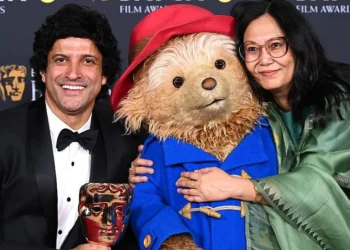 ‘We Pray for Peace’: Indian Filmmaker From Troubled State Who Won a BAFTA
 David and Victoria Beckham Wish Brooklyn Happy Birthday Despite Family Feud
 Tears and Cheers as Controversial Long‑Running Australian Breakfast Radio Show Implodes
 Community farm appeal to cover thousands in repairs
 Noma Head Chef Resigns Amid Abuse Allegations
 Prisoner: Cell Block H Star Wendy Playfair Dies Aged 99
 Joanna Lumley: ‘I Wash My Face with Whatever Soap’s Lying on the Side of the Bath’
 ‘My Hatred of Dogs is Ruining My Love Life’
 John Bengtson: The ‘Silent Film Sleuth’ Who Found History in the Background
 Scott Mills Sacked by BBC Over Personal Conduct Claims
 US Senators Slam Ticketmaster Over Sneaky New Fee Hikes
 Evacuations Ordered as California Wildfires Spread Fast
 Keir Starmer Expresses Concern Over Kanye West Wireless Festival Dates
 ‘Really Feeling the Love’: Savannah Guthrie Returns to NBC as Search for Mother Continues
 Moldova River Crisis Exposes War’s Hidden Cost
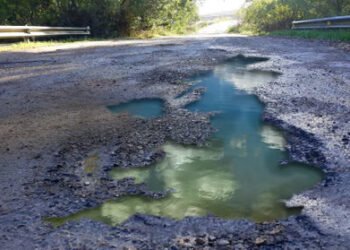 Heavier SUVs Accelerate Britain’s Pothole Crisis
 Turning Point: Britney Spears Enters Rehabilitation Following DUI Incident
 The Spectrum of Wit: All-Autistic Comedy Line-up Breaks ‘Seismic’ Ground
 Legacy of the Future: Prince Harry Argues Children Should Be an ‘Upgrade’ of Parents
 Fraudsters Target Runners Ahead of London Marathon
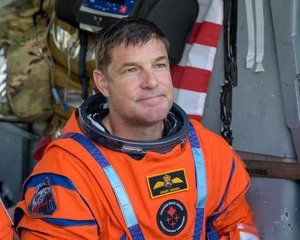 Canadian astronaut French words ease language row
 ‘The Triple-Shift Generation’: The 20-Somethings Juggling Three Jobs to Stay Afloat
 Crackdown Backfires on UK Climate Protesters
 Rebel Wilson Denies Role in Smear Campaign Trial
 Ukraine Urges UK to Seize Russian Oil Tankers
 US Court Weighs Fate of TPS for Migrants
 Capitalism ‘Suicidal’, Warns Petro at Climate Summit
 Two Dead in Adelaide Airport Plane Crash Fire
 China Fireworks Factory Blast Kills 21 in Hunan
 Florida Surgeon ‘Devastated’ Over Fatal Surgery Error
 Immigration Judges Fear Pressure in Trump Era
 Hope for mountain bongos returns to Kenya
 Mandalorian Movie Hits Record Disney Era Low at Box Office
 Farage and Reform UK Reshape British Politics
 Starmer Leadership Under Pressure After Setbacks
 UN Issues Urgent Warning: Imminent Return of El Niño
 Spielberg Says Humans May Find Aliens Soon
 Family Says Heatwave Drownings Reopen Grief
 Fans Bring Flags and Fire to World Cup Scenes
 Fans Invited to Share Scotland World Cup Stories
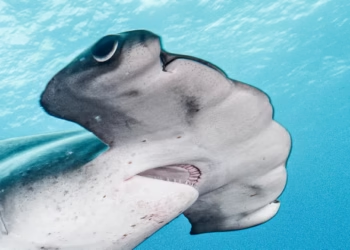 Saving the Scalloped Hammerhead: The Pacific Battle
 Parents Fundraise to Cool Overheated School Classrooms
 Europe Scorched as Record Heatwaves Grip the Continent
 Le Pen’s Popularity Holds Despite Conviction
 Bryne Backs Haaland Before England World Cup Clash
 Italy’s Beach Lunch Ban Sparks Holiday Backlash
 Dua Lipa Backs Albania’s Fight Against Kushner Resort