Published: 15 August 2026.The English Chronicle Desk. The English Chronicle Online.
London is enduring an unpleasant reminder of how vulnerable its ageing wastewater infrastructure can be as an exceptionally hot and dry summer leaves parts of the capital filled with the smell of untreated human waste. Experts say the persistent odour emerging from drains and stormwater systems should be treated as a warning that the city’s Victorian-era sewer network needs to be redesigned for a changing climate.
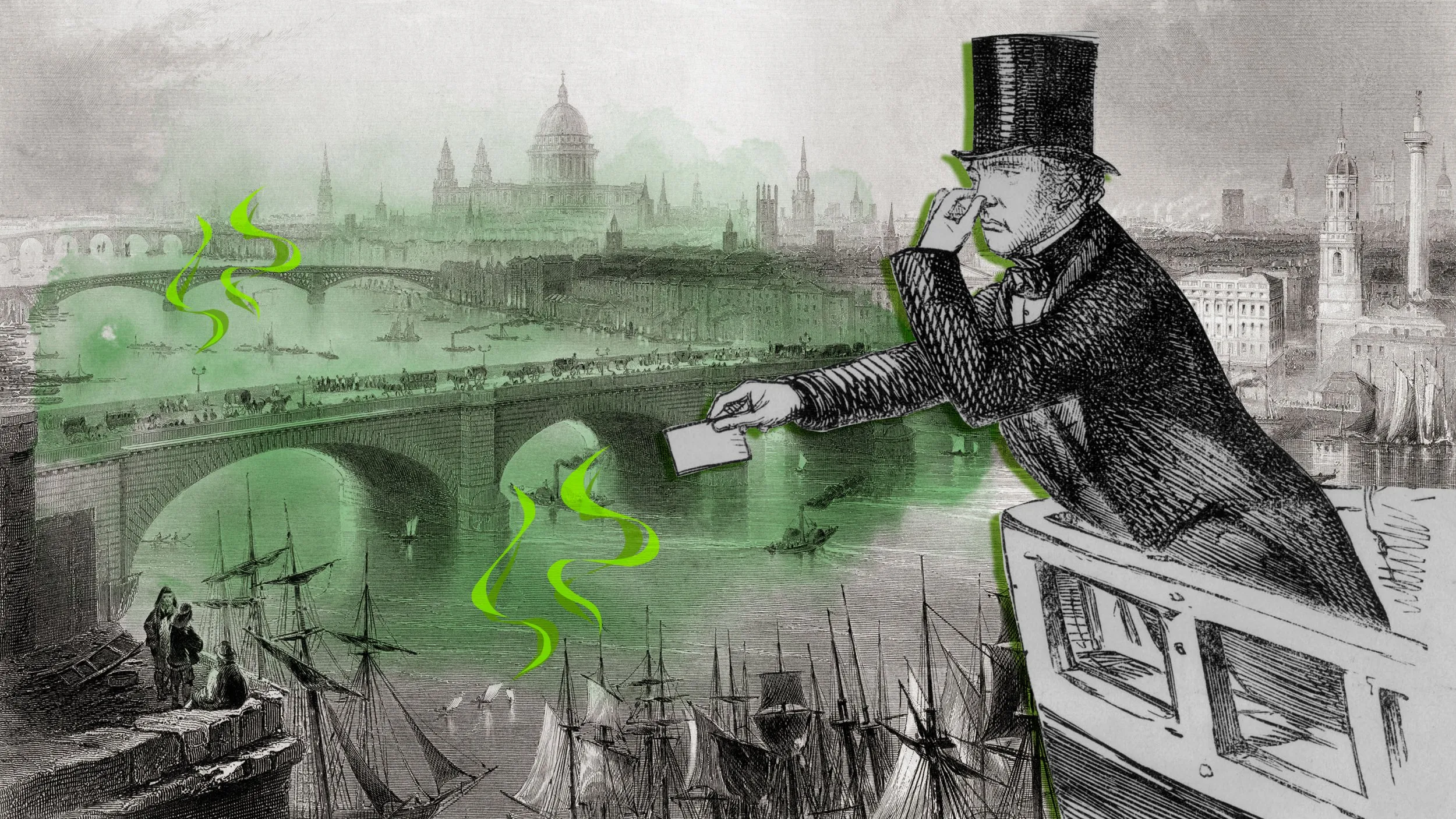
The situation has drawn comparisons with the Great Stink of 1858, when prolonged hot weather and low rainfall caused untreated sewage to accumulate along the River Thames. The overwhelming smell eventually helped generate political pressure for a major transformation of London’s sanitation system and contributed to the development of the extensive sewer network designed by Victorian civil engineer Joseph Bazalgette.
More than 160 years later, experts believe another combination of extreme heat and dry conditions is exposing weaknesses in infrastructure that was designed for a very different climate and population.
Simon Birkett, founder and director of Clean Air in London, said the smell had become increasingly noticeable during the summer. He described encountering strong odours around stormwater drains and said the experience was becoming an unmistakable feature of the unusually dry season.
The problem is not simply one of unpleasant smells. Specialists say it provides an indication of what happens inside a sewer network when there is insufficient rainfall to move wastewater efficiently towards treatment facilities.

Professor Barbara Evans, chair of public health engineering at Leeds University, compared the sewer network to a giant intestine. Human waste contains organic material as well as carbon, nitrogen and phosphorus, and microorganisms naturally begin breaking those substances down after they enter the drainage system.
Under normal conditions, rainfall and wastewater flow carry the material through the sewer network towards treatment works. There, biological processes are designed to break down organic matter under controlled conditions.
During prolonged dry weather, however, the process can change. With less water moving through the pipes, organic material can remain in the sewer system for longer periods. Microorganisms continue decomposing it inside the pipes rather than at wastewater treatment facilities.
That biological activity produces gases that can eventually escape through drains and other openings, creating the distinctive odours now being reported in parts of London.
The mixture can include methane and small amounts of hydrogen sulphide, the gas associated with the familiar smell of rotten eggs. Nitrous oxide can also be present, although it cannot be detected by smell.
Heat makes the situation more pronounced because warmer temperatures can accelerate the activity of bacteria and other microorganisms responsible for breaking down organic material.
Professor Simon Clarke, professor of cellular microbiology at the University of Reading, said microorganisms that decompose organic matter generally become more active as temperatures rise. This can increase the release of gases that people experience as unpleasant smells.
The current problem therefore reflects the delicate balance on which the sewer system depends. Too little rainfall can allow wastewater and organic material to remain in pipes and produce strong odours, while intense rainfall can overwhelm parts of the network and contribute to sewage discharges into rivers and coastal waters.
Experts say both situations point towards the same underlying problem: infrastructure designed for historical weather patterns is increasingly being challenged by more extreme conditions.
Professor Evans said the smell itself was not currently considered a significant public health threat. The immediate concern is primarily one of public wellbeing and quality of life rather than widespread exposure to dangerous concentrations of sewer gases.
There is nevertheless a potential safety concern where gases such as methane accumulate in confined underground spaces. Methane is flammable, although Evans said the risk to the general public from the current situation remains extremely small.
The larger concern is what the smell represents about the resilience of the wastewater system.
London’s sewer network remains heavily influenced by the infrastructure developed during the Victorian period. Bazalgette’s system was a landmark achievement when it was constructed, transforming public health in the capital by moving human waste away from densely populated areas and reducing the risks associated with contaminated water.
The system was designed for the conditions and demands of the nineteenth century. London has since grown dramatically, while the climate has also changed.
Periods of intense rainfall are increasingly capable of overwhelming drainage systems, while longer and hotter dry spells create a different set of problems. Experts argue that infrastructure needs to be adapted to cope with both extremes rather than treating them as isolated events.
Evans believes the current stench could become an opportunity to reopen the national debate about wastewater infrastructure. She argues that Britain needs to rethink the way its drainage systems are designed rather than simply continuing to maintain a model created generations ago.
One proposal is to separate different types of household wastewater. So-called grey water from sinks, showers and baths could be handled separately from black water generated by toilets.
Such systems are already being explored or introduced in parts of Europe. They can reduce the amount of water entering conventional sewer systems and potentially allow water to be reused within buildings or directed towards groundwater systems.
Separating rainwater from sewage would also reduce pressure on wastewater networks. Instead of sending every drop of rainfall into a combined sewer system, water could be captured, reused or allowed to replenish natural water supplies.
Such changes would require substantial investment and a long-term approach to urban planning. They could also involve major alterations to existing buildings, streets and underground infrastructure.
For experts, however, the summer’s smell demonstrates why such discussions cannot be postponed indefinitely.
The challenge facing London is not simply that its drains smell worse during hot weather. It is that climate change is producing conditions that Victorian infrastructure was never designed to handle.
The capital must increasingly prepare for a combination of hotter temperatures, prolonged droughts and intense periods of rainfall. Each creates different stresses, but together they expose the limitations of a system based on assumptions that no longer reliably apply.
The Great Stink of 1858 showed how an apparently embarrassing sanitation problem could become a catalyst for enormous infrastructure reform. The crisis eventually helped generate the political momentum needed for London’s modern sewer network.
The circumstances of 2026 are very different, but the lesson remains relevant. A strong smell coming from a drain may appear trivial compared with the larger environmental challenges facing the capital, yet engineers and public health experts say it can reveal deeper problems beneath the surface.
There is also an unexpected contrast between the smells associated with drought and those that arrive with rain. Microorganisms responsible for breaking down organic material can produce the unpleasant gases emerging from dry sewers, while soil bacteria contribute to petrichor, the distinctive earthy scent that follows rainfall.
Professor Clarke noted that the smell of summer rain is another reminder of the important role microorganisms play in the natural environment.

For Londoners currently dealing with unpleasant odours, however, the arrival of rain may offer the simplest short-term relief. Increased water flow can help move accumulated organic material through the sewer network and reduce the conditions that allow strong gases to develop.
But experts argue that temporary relief should not obscure the larger issue.
The unusual summer has provided a highly visible, and highly unpleasant, demonstration of how climate extremes can expose weaknesses in urban infrastructure. If future summers become hotter and drier while heavy rainfall events become more frequent, the pressure on London’s wastewater system is likely to increase.
The question is whether policymakers will respond before the next crisis becomes more serious.
The Great Stink of 1858 helped force Victorian Britain to confront a problem that had previously been largely ignored. More than a century and a half later, the smell returning to London’s streets may once again be signalling that the city needs to look beneath the surface and rethink how it manages waste and water.
Related News:
 Heavier SUVs Accelerate Britain’s Pothole Crisis
 Chornobyl Still at Risk 40 Years After Disaster
 Reform UK funding: mystery billionaire revealed
 Older Than Dinosaurs: Secrets of Mayfly Dance Revealed
 Tractor Breakdown Tests Lincolnshire Farmers
 Britons Build Emergency Supplies Amid Rising Fears
 Sycamore Gap Artwork Chosen After Public Vote
 UK rejects EV charging VAT cut amid Treasury clash
 UK Schools Struggle as Classrooms Top 40C
 London Tube Heat Reaches Dangerous Levels
 Three-Quarters of England’s Riverbanks Still Off Limits
 Burnham unveils £65m drought aid for farmers
 Gen Z turns to BirdTok for a gentler digital escape
 UK Bans Fake Numbers: Scammers Lose Their Trick
 Experts Urge Legal Right to Timely Cancer Care
 Patients to Test Health at Home to Ease NHS Winter Pressure
 One of world’s last dinosaurs on sale for £3m
 North Sea oil workers must lose weight or face job loss
 No link found between paracetamol in pregnancy and autism
 Government urges schools to ban phones to curb classroom disruption
 Northern Lights may illuminate UK skies this week
 Higgs Donates Nobel Medal to His Beloved University
 Coffins Now Too Large to Cremate Amid Rising Obesity Crisis
 UK Taskforce Unveils Plan to Streamline Nuclear Reactor Rules
 NHS paediatric leave parents waiting months for answers
 Ofcom urges platforms to limit abuse and curb online ‘pile-ons’
 Starmer’s communications chief to outline media strategy overhaul
 AI Grok Sparks Child Safety Alarm in the UK
 UK Threatens Action Against X Over Sexualised AI Images
 TikTok to Strengthen Age Verification Across the EU
 AI job losses UK: Britain faces sharper employment shock
 Pornhub blocks new UK users over age checks dispute
 UK New Car Discounts Near £6,000 as Prices Are Slashed
 Barnsley tech town leads UK AI transformation
 Childnet Censorship Row Over Teen Safety Speeches
 Aberdeen Chosen for GB Energy HQ at Marischal Square
 Ocean Warming Drives Massive Marine Life Loss, Study Warns
 Facial Recognition Error Leads to Wrongful Arrest in Milton Keynes
 UK Teen Social Media Ban Trials Begin
 Cancer Death Rate in Britain Falls by Nearly a Third
 Ministers Urged to Act Faster on Deepfakes Threat
 Scientists Unveil Heavier Proton at CERN LHC
 UK Energy Reform Could Cut Bills by £200
 UK Banks Maintain £100 Contactless Limit Despite FCA Rule Change
 Rising Costs Force Families to Rethink Days Out
 Traffic: The Science Behind Why Slower Cars Always Catch Up
 Archbishop Prays for Middle East Peace in First Easter Sermon
 Moldova River Crisis Exposes War’s Hidden Cost
 Liz Kendall: UK Must Seize AI Growth Despite Risks
 Kezia Dugdale Warns of Possible Reversal of Equal Rights Gains
 Synagogue Arson Attempt Sparks Security Fears
 NHS Safety Fears as Nurses Cover Doctor Gaps
 Crackdown Backfires on UK Climate Protesters
 Two Children Die in Wolverhampton House Fire Tragedy
 Disneyland Adds Facial Recognition at Entrances
 John Terry Faces Backlash Over Political Posts
 Greens Face Internal Row Over Antisemitism Claims
 Tatooine Dreams: 27 New Worlds Found With Double Suns
 Virtual Racing Faces New Era of Anti-Doping Measures
 Barrister Criticises Trial After Suicide Case Verdict
 Labour Members Turn Against Starmer Leadership
 Cambridge South Signals New Era for British Rail Travel
 UK Faces Mass Water Shortages by 2055, Lords Warn
 Father’s diaries reveal doubts over Hawking
 Pope Meets Families in Italy Toxic Waste Zone
 UK firms accused of ‘AI washing’ boom
 Farage and Reform UK Reshape British Politics
 Starmer Leadership Under Pressure After Setbacks
 British Paralympian Set to Make History in Earth Orbit
 Tech Trends and the Battle Against Exam Hall Cheating
 Stolen Mobiles Could Soon Become Useless Bricks
 UK Ministers Lobby Trump Over Under-16s Social Media Ban
 UK Nations Brace for Potential Breakup Amid Reform Surge
 British Teens in EU Face Soaring UK University Fees
 Sydney Records Hottest June Since 1859 as Expert Warns New High a ‘Signature’ of Global Warming
 UK Power Grid Strained by Summer Heatwave
 Olympus Awaits Unesco Heritage Recognition
 Westminster Council Threatens Charing Cross Soup Kitchen
 BBC Warned About Missing Clothes of Murder Victim
 Weight-Loss Drugs Offer Food Savings Mainly to High Earners