Published: 15 August 2026.The English Chronicle Desk. The English Chronicle Online.
US President Donald Trump has dismissed concerns about the prolonged deployment of sailors aboard the USS Abraham Lincoln, saying the aircraft carrier’s record-breaking 250 days at sea was “not nearly enough” despite growing reports of mental health distress, difficult living conditions and concern among service members’ families.
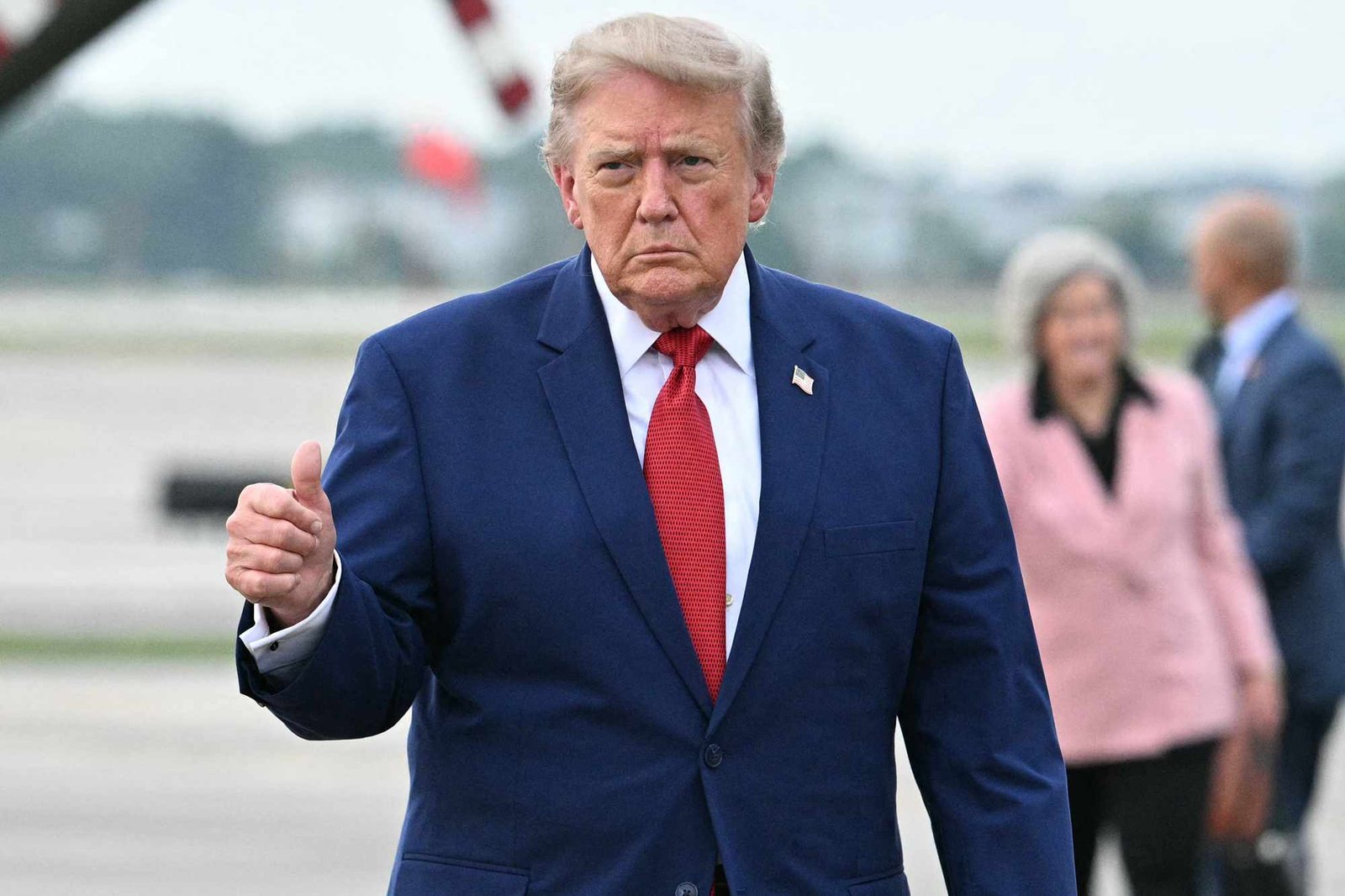
Trump made the remarks on Friday as he left Washington for New York, where he was scheduled to address law enforcement officials on public safety. Asked by reporters whether families were worried about the situation aboard the carrier, Trump replied that they were not. He also confirmed that the Abraham Lincoln would soon be replaced by another aircraft carrier.
The comments came after reports from specialist military publications and accounts from relatives of sailors raised serious concerns about the conditions aboard the vessel. The carrier has spent more than 250 consecutive days without returning to port, an unusually long deployment that has placed its crew under prolonged operational and psychological pressure.
Trump’s response appeared to contrast sharply with the concerns raised by sailors’ families and reports describing a growing mental health crisis aboard the ship. According to accounts cited in US military media, several sailors have reportedly attempted or considered going overboard during the deployment, while families have expressed alarm over the emotional condition of their relatives.

The USS Abraham Lincoln has been operating in the wider Middle East region during a period of heightened US military activity, including operations connected to the conflict involving Iran. Its deployment has repeatedly been extended, leaving thousands of sailors away from home for months at a time.
The length of the deployment has become a particular concern because modern US aircraft carriers generally operate under carefully planned rotation schedules. A deployment lasting more than eight months without a conventional return to port places additional pressure on crews, particularly when operational demands prevent regular opportunities for rest and recovery.
Families of sailors recently attended a meeting with senior Navy officials in San Diego, where concerns about the wellbeing of those aboard the carrier were reportedly raised directly. Some relatives described communication from sailors that suggested severe exhaustion and emotional distress.
One sailor’s family member reportedly told military officials that her husband had expressed fears about his mental health after his deployment was repeatedly extended. Other accounts described sailors intervening when fellow crew members appeared to be at risk of harming themselves.
The reports have generated criticism from Democratic lawmakers, who have accused the Trump administration of failing to take the concerns of military families seriously. Senator Adam Schiff of California criticised Trump’s response, arguing that the president’s description of the deployment as insufficient ignored the realities faced by service members spending months at sea.
Arizona Senator Ruben Gallego also criticised Trump, referring to the president’s history of receiving a medical exemption from military service during the Vietnam War. The criticism reflects a wider political dispute over how the administration is addressing the concerns surrounding the carrier.
Trump, however, has maintained that the sailors are performing successfully and that there is no reason to portray them as victims. Acting Secretary of the Navy Hung Cao also rejected reports that the carrier was suffering from widespread problems, saying the Abraham Lincoln had successfully completed its deployment and would return home as part of a planned rotation.
Cao accused sections of the media of portraying US service members negatively, insisting that the sailors had performed their duties effectively despite the unusually long deployment.
The Navy’s decision to replace the Abraham Lincoln appears to acknowledge that a transition is now required, even as officials reject claims that the ship’s crew has been subjected to unacceptable conditions. Trump said the replacement carrier was already moving or would begin moving shortly.
The USS George Washington has reportedly been selected to relieve the Abraham Lincoln. The carrier had previously been redirected in connection with US military operations involving Iran, adding another layer of complexity to the Navy’s deployment plans.
The situation comes at a time when the US military is facing multiple operational demands across several regions. The Trump administration has intensified its military posture towards Iran while also maintaining a significant presence in the Middle East and elsewhere.
Trump has repeatedly claimed that Iran is being heavily defeated and has continued to issue warnings over the Strait of Hormuz, a critical global energy route. During his Friday speech in Long Island, he went so far as to suggest that the United States could eventually declare the Strait of Hormuz a US territory.
His remarks came as tensions over the waterway remained high following the US-Israeli conflict with Iran. The strait has been severely disrupted, contributing to higher energy costs and raising concerns over international shipping and fuel prices.
Trump also defended his administration’s economic record during the speech, insisting that prices were falling even though official figures showed overall US inflation had risen by 3.4% compared with a year earlier. The president also acknowledged that petrol prices had climbed, saying Americans were paying more at the pump but arguing that his administration had made the correct decisions.
The president’s comments about the Abraham Lincoln formed part of a broader day of controversy surrounding his administration. The White House is simultaneously facing legal challenges over plans to construct a major ballroom at the presidential residence, while the administration is pursuing disputes over voter data and federal authority.
A US appeals court recently halted above-ground construction of the proposed $400m White House ballroom after ruling that the project lacked necessary congressional approval. The administration has asked the Supreme Court to intervene and allow construction to continue, arguing that the project is connected to security improvements at the White House.
Elsewhere, a federal court in Nevada rejected the Justice Department’s attempt to compel states to provide unredacted voter rolls. The decision marked another legal setback for the administration’s effort to obtain extensive voter information in its search for evidence of election fraud.
Trump also used his Long Island appearance to highlight crime statistics in Washington DC and praise his administration’s intervention in the capital’s policing. He claimed that crime had fallen dramatically and described Washington as one of the safest cities in the country.
However, available police data presented a more complicated picture. While overall crime has declined compared with the previous year, some categories of violent crime have increased. The figures have prompted critics to accuse the president of presenting a selective interpretation of the data.
The administration has also faced criticism over conditions at immigration detention facilities. Reports from Mississippi have alleged that detainees at an overcrowded federal immigration centre experienced illness following a suspected gas leak and were denied adequate medical attention. A prolonged power outage reportedly left the facility without air conditioning during extreme summer temperatures.
The various controversies have added to political pressure on the administration, but Trump has continued to project confidence in his policies and leadership.

For the sailors aboard the Abraham Lincoln, however, the immediate issue is the end of an extraordinary deployment. After more than 250 days at sea, the carrier is expected to be relieved by another vessel, allowing its crew to begin the journey home.
Trump’s dismissal of concerns about the deployment has nevertheless intensified questions about the balance between military readiness and the welfare of service members. The sailors’ prolonged absence from home, reports of psychological distress and concerns raised by families have placed renewed attention on the human cost of extended military operations.
The Navy now faces the challenge of bringing the Abraham Lincoln’s crew home while maintaining US military commitments in the Middle East. The replacement of the carrier may provide much-needed relief for its sailors, but questions about how such an unusually long deployment was allowed to continue are likely to remain.
The episode also highlights the difficult pressures facing the US military as Washington attempts to maintain a global presence while managing multiple security crises. For the sailors who have spent months aboard the Abraham Lincoln, the promise of a return home may offer relief after one of the longest carrier deployments in modern US Navy history.
Related News:
 UK Prepares Aircraft Carrier for Middle East Crisis
 Trump orders US troop pullout from Germany
 Trump likens US Navy actions to ‘pirates’
 Putin Declares Russia Victory at Scaled Victory Day Parade
 Houthis Strike Saudi Arabia as Middle East Tensions Rise
 Putin Intensifies Territorial Demands Before US Talks
 Trump to Recheck Green Cards from 19 Nations After DC Attack
 Trump Escalates Minnesota Immigration Surge Amid Rising Tensions
 Greenland Faces Pivotal Summit Over Arctic Power Struggle
 Trump Threatens Strong Action If Iran Executes Protesters
 Trump Receives Machado’s Nobel Medal in White House Meeting
 EU Says US Ties Have Suffered ‘Big Blow’ After Greenland Crisis
 Thousands Protest ICE Operations in Nationwide US Day of Action
 Epstein Files Reveal Trump Officials’ Emails with Financier
 Thousands Protest ICE in New York Against Trump Deportation Campaign
 Trump Praises ‘Terrific’ Petro After White House Talks
 Clinton Testimony Erupts in Fiery Exchange
 Trump Faces Questions Over Iran Conflict Plan
 Thousands Protest Iran Strikes Outside US Embassy London
 US Bombers Arrive at RAF Base Amid Rising Iran Tensions
 Pete Hegseth Iran War Remarks Spark Alarm
 ‘The frontline is like Terminator’: Ukraine’s fighting robots
 Trump’s Harsh Rhetoric on Iran Sparks Global Alarm
 Trump Faces Crisis as Iran Reopens Hormuz Tensions
 Charles Faces Trump Test in High-Stakes US Visit
 UK Stands Firm on Falklands Amid US Rift
 RAF Typhoons scrambled amid Russian drone threat near Nato
 USS Gerald R Ford Ends Record Naval Deployment
 US Court Ruling Reshapes Voting Rights Landscape
 US states redraw maps after voting rights ruling
 Judge halts deportation of Yemeni refugees in US
 Activists allege abuse after Gaza flotilla seizure
 Trump approval plunges amid Iran war fears
 Giuliani hospitalised in critical condition
 Ohio’s Battle for Trust: Democrats Vying to Flip the Buckeye State
 Trump Threatens UN Budget Cuts as US Pushes ‘Trade Over Aid’ Agenda
 Trump warns Iran as Middle East tensions surge again
 US ‘Narco Boat’ Strikes Draw Global Outcry
 Ceasefire Standoff Deepens in Ukraine War
 Indiana Republicans Defy Trump in Key Vote Test
 US Court Restores Abortion Pill Access Temporarily
 Ohio Primaries Set Stage for Crucial Midterms
 Afghan Families Left in Limbo Face Risk of Deportation
 Middle East Crisis Escalates as Oil Routes Shake Markets
 Trump Announces 3-Day Russia–Ukraine Ceasefire Deal
 Tensions Emerge in Netanyahu-Trump Alliance
 US Awaits Iran Reply on New Ceasefire Proposal
 Hormuz Talks Near Critical Stage
 Trump’s Revenge Drive Deepens GOP Divide
 Zelenskyy warns over Oreshnik threat as Kyiv hit
 Discontent grows around Putin amid war strain
 Former ICC prosecutor condemns US sanctions
 Gunman Killed After White House Security Shootout
 Trump Claims Iran Peace Deal Near Completion
 US Midterm Primaries: Democrats Target Key Republican Seats
 House Curbs Trump’s War Powers in Rare Rebellion
 Millions Gather for Khamenei’s Six-Day State Funeral
 Mystery Grows Over Mitch McConnell’s Health
 Senate Halts Defense Bill Over Iran Clashes
 Trump Jokes, Jabs and Press Tensions at WHCA Dinner
 Taliban global ties grow as rights fears mount
 Israeli Strike in Southern Lebanon Kills Seven
 Is America Ready for an AOC Presidential Run?
 BBC to Apologise Over Edited Trump Speech Amid Backlash
 Greene Pushes Epstein Files Amid Trump Fallout
 December Run-Off in Chile as Election Produces No Winner
 Shadow Fleet at Sea: Europe’s Battle Against Illicit Oil Shipping
 Georgians Defy Government Crackdown After Year of Protests
 Trump press secretary attacks reporter over ICE question
 Greenland Crisis Forces Europe to Draw a Line With Trump
 UK and US Drop in Global Corruption Index Rankings
 Canberra Poster Seizure Sparks Free Speech Row
 Jacinda Ardern Move Sparks Kiwi Reflection
 Injured Mojtaba Khamenei Elevated as Iran Leader
 Air Canada CEO Faces Outcry Over Recent Language Misstep
 Relationship with Trump may be beyond repair, Starmer warned
 Investigation Into Anti-Trump Motives After Gala Shooting
 Fear and Betrayal: The Chilling Case of Kouri Richins
 Trump Sends 5,000 More US Troops to Poland
 AOC Backs El-Sayed in Tight Michigan Senate Primary