Published: 16 September 2026. The English Chronicle Desk. The English Chronicle Online
Mayors and other local leaders could be given greater powers to oversee water companies under proposals being considered by the UK government as part of efforts to increase public control and accountability across the water industry. The plans could allow regional authorities to influence certain company spending decisions and provide greater scrutiny of executives over household bills, infrastructure and sewage discharges.
The proposals come amid growing concern about the performance of England’s water industry, with households facing higher bills while companies continue to deal with ageing infrastructure, leaks, pollution incidents and sewage discharges. Consumer dissatisfaction has also increased, adding pressure on ministers to reform the way water companies are regulated and governed.
Under the proposals being examined by the government, local political leaders could have a role in determining some investment priorities for water companies. They could also have greater authority to question company executives about the services being delivered to households and the environmental impact of water and wastewater operations.
The idea follows recommendations made by Sir Jon Cunliffe in his major review of the water industry. His review argued that stronger regional involvement could give customers, experts and local communities more influence over decisions made by water company boards.

The proposed regional authorities could bring together a range of representatives, potentially including a mayor or other local government figure, an independent chair and specialists with expertise in areas such as water, transport and agriculture. The intention would be to provide a broader local perspective on investment decisions affecting communities and the environment.
No final decision has yet been made on the proposals. However, officials at the Department for Environment, Food and Rural Affairs are reported to be examining the idea alongside other options for increasing public control over water companies.
The discussion comes at a time of significant financial and operational pressure across the sector. Water companies have been required to invest heavily in infrastructure while also dealing with concerns over debt, customer bills and environmental performance.
Thames Water is at the centre of many of these discussions. The company supplies water and wastewater services to around 16 million customers and has faced severe financial difficulties. At the end of March, the regulated value of its assets was estimated at approximately £23 billion, while its net debt had risen to £18.5 billion.
The government is considering different options for the future of Thames Water, including whether the company should enter special administration or whether a proposal from its creditors could allow it to remain under private-sector ownership following a restructuring of its debt.
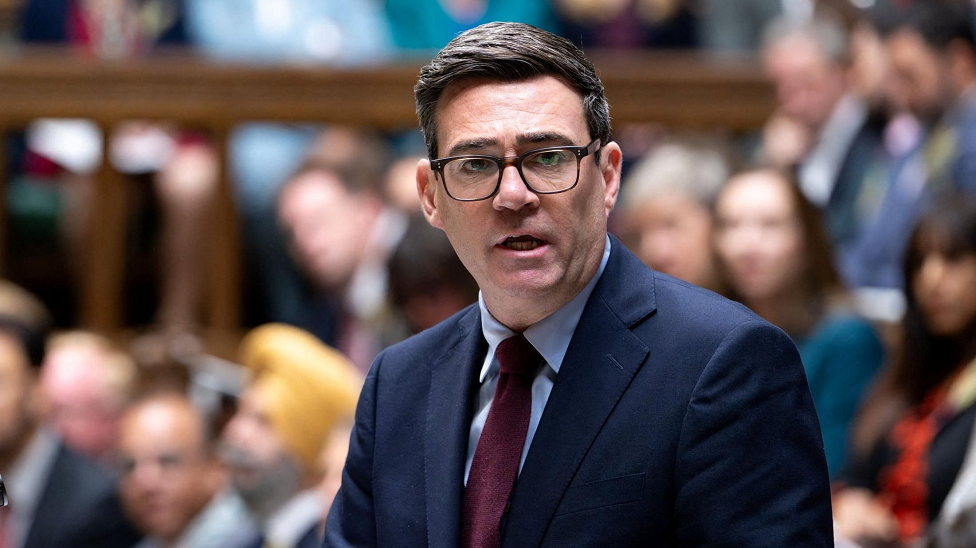
The debate over greater public control has also been linked to the political career of Andy Burnham. Burnham has repeatedly supported bringing public utilities into public ownership and has previously said he wanted Thames Water to be nationalised.
The proposals concerning local oversight, however, would represent a different model from full nationalisation. Rather than transferring ownership of water companies entirely to the state, greater regional authority could allow elected local representatives and independent experts to influence company decisions while the companies continue operating within a regulated framework.
The precise powers that regional bodies could receive remain under discussion. One possibility would be greater involvement in determining where companies direct investment, particularly in areas such as infrastructure improvements, leakage reduction and environmental protection.
Local involvement could also give communities a more direct channel for raising concerns about sewage discharges and water quality. Sewage pollution has become one of the most contentious issues surrounding England’s water companies, with environmental groups, consumers and local authorities calling for stronger action.
At the same time, water companies face the challenge of maintaining and upgrading ageing infrastructure. Leaking pipes and outdated wastewater systems can increase costs while contributing to supply problems and environmental damage.
Household bills have become another major source of public concern. Water companies are being allowed to increase charges substantially in order to fund investment programmes, but higher bills have generated questions about affordability and whether customers should bear the full cost of infrastructure improvements.
The Consumer Council for Water, which represents household interests in the sector, has reported a sharp increase in complaints. The number of complaints made by households about water companies rose by 48% year on year, according to the latest figures cited in the report, representing the steepest annual increase in two decades.
Mike Keil, chief executive of the Consumer Council for Water, said the figures demonstrated the continuing level of dissatisfaction among consumers. He said the water sector faced a major task in rebuilding public confidence.
The increase in complaints provides another indication of the pressure facing companies as they attempt to improve services while funding large-scale infrastructure programmes. Customers are increasingly seeking explanations for rising bills and demanding improvements in reliability and environmental performance.
The government has said it intends to strengthen regulation and enforcement. A government spokesperson said the water industry had failed to work effectively for customers for too long and that ministers were pursuing tougher regulation, stronger enforcement and greater accountability.
The potential involvement of mayors and regional authorities could form part of that wider reform agenda. Supporters of greater local oversight argue that decisions about essential services can benefit from stronger representation of the communities directly affected by them.
Regional oversight could also be particularly relevant because water challenges differ substantially between parts of England. Some areas face serious water-supply pressures, while others are more concerned about flooding, wastewater capacity, leakage or pollution. Agricultural interests can also be affected by decisions about water availability and environmental standards.
Including specialists from sectors such as agriculture and transport in regional bodies could therefore provide a wider perspective on how investment decisions affect different parts of the local economy and environment.
However, the details of any new system would need to establish how regional authorities interact with existing regulators and company boards. The water industry already operates under a complex regulatory framework, and additional layers of oversight would need clearly defined responsibilities.
The Cunliffe review’s recommendation for stronger local voices reflects a broader question about the governance of essential infrastructure. Water companies provide services that households cannot easily replace, meaning decisions about investment, pricing and environmental performance have direct consequences for millions of people.
The financial difficulties surrounding Thames Water have added urgency to the debate. Ministers must consider how to maintain essential services, protect customers and ensure continued investment while addressing the company’s substantial debt burden.
Any restructuring of Thames Water could also influence the wider debate about the future ownership and governance of the sector. A solution that maintains private ownership could coexist with stronger public oversight, while a move towards public ownership would represent a more fundamental change to the current model.

For customers, the key questions are likely to centre on whether reforms can improve service quality, reduce environmental problems and provide greater accountability for decisions affecting household bills. Local leaders could potentially provide another avenue for scrutiny, but the precise powers and responsibilities of any regional authorities remain to be determined.
The government has not yet committed to the proposed system, and officials are examining several possible approaches to reforming the water sector. Further decisions are expected as ministers develop their plans for regulation, ownership and accountability.
The latest proposal nevertheless signals growing interest in giving local communities a greater role in the management of essential water services. If implemented, the model could place mayors and other regional representatives closer to decisions traditionally made by company boards and national regulators.
The continuing rise in consumer complaints, combined with financial pressures and environmental concerns, means the debate over the future of Britain’s water industry is likely to remain prominent. The government now faces the task of determining how stronger accountability, investment requirements and public involvement can be combined within a sustainable framework for the sector.
Related News:
 Thames Water Revises Oxfordshire Mega-Reservoir Plan
 Fashion Firms Urge UK-Made NHS and Army Uniforms
 Pubs and Hotels Face Business Rates Reform Review
 UK Households Could Save £173 on Fixed Energy Deals
 Swedish Mining Push Puts Sami Land Rights Under Pressure
 Spire Healthcare Agrees £1bn Takeover by Toscafund
 UK House Prices Fall as Mortgage Rates Rise
 UK retailers plan 100,000 placements for young people
 Oil nears $100 as Saudi attacks shake markets
 John Lewis Losses Widen to £124m as Confidence Falls
 UK Retailers Accused of Breaking Refund Laws
 UK State Pension Set to Rise 3.9% as Triple Lock Holds
 UK Parents Cut School Uniform Costs as Prices Rise
 UK Pay Growth Slows to 3.9% as Rate Decision Nears
 Bank Urged to Slow Bond Sales as UK Costs Rise
 UK Inflation Hits 3.1% as Household Pressure Grows
 UK Youth Jobs Gap Reveals Deep Regional Divide
 Yorkshire Water Funding Sparks Debate Amid Fines and Pay Row
 Wealthy Britons Flee Gulf War but Avoid UK Taxes
 New £10bn rescue plan offered for Thames Water
 UK Wage Growth Slows as Jobs Market Holds Firm
 UK Doubles Steel Tariffs to 50% to Protect Domestic Plants
 Rising Costs Force Families to Rethink Days Out
 Glasgow Central Set for Full Reopening After Fire
 Reform UK funding: mystery billionaire revealed
 BBC News Faces Deep Cuts in 2,000 Job Plan
 New UK advice scheme to boost savings and investing
 UK Pushes for New EU Goods Trade Deal
 Reeves Fights to Keep Treasury Role Amid Labour Turmoil
 UK rejects EV charging VAT cut amid Treasury clash
 Essex valley emerges as rising English wine hub
 Public Confidence in University Degrees Plummets in the UK
 Whitehall Steps In: The Battle Over Thames Water Deepens
 Three-Quarters of England’s Riverbanks Still Off Limits
 Burnham unveils £65m drought aid for farmers
 Firms on both sides fear damage from US-Canada trade war
 UK Risks Falling Behind in AI Race
 Europe Faces Winter Gas Supply Anxiety
 Burnham Faces Mounting Budget Challenges
 Green Leader Targets Starmer’s Former Seat
 UK Subsidence Claims Surge After Record-Breaking Summer
 Ukraine Moves to Seize Water Company
 UK Cost Squeeze Deepens as Mortgages and Gas Rise
 Billionaire Chris Rokos poised to leave UK
 Councils spend £125m on illegal children’s care
 McLaren to Create 1,000 UK Jobs in £450m Investment
 Nats Boss Summoned as UK Flight Chaos Continues
 JPMorgan Boss Warns Against UK Bank Tax Rise
 Iceland to Open First UK High Street Store in Falklands
 Oil Prices Surge as Saudi Pipeline Closure Deepens Crisis
 Farage Threatens Union Funding Ban Over Reform Donations
 North Sea Firms Urge Early End to Windfall Tax
 JLR Eyes NATO Market With New Defender Military Vehicle
 Slave-Trade Wealth Embedded in Britain’s Financial System
 Heathrow Expansion Faces New Climate Conditions Over CO₂
 UK Heatwaves Set to Worsen Pothole Damage, RAC Warns
 Great Britain’s Energy Operator Commits to Strengthening Grid to Prevent Blackouts
 UK House Price Growth Slows as Buyers Exercise Caution Ahead of Autumn Budget
 Kemi Badenoch Unveils ‘Golden Rule’ to Halve Spending Cuts for Deficit Reduction at Tory Conference
 New V-Level qualification to transform post-16 education
 Real living wage set to rise nearly 7% for UK workers in 2026
 Reeves Faces Setback as Labour May Miss Homes Target
 Trump’s UK Ambassador Urges North Sea Drilling to Strengthen US Ties
 M&S Profits More Than Halve After Cyber-Attack
 Millionaires group urge Reeves to introduce wealth tax to ‘lift kids out of poverty’
 Starmer Says Labour’s Economic Plan Needs Years to Deliver
 Historic £100-Weekly Pension Boost Brings Relief for UK Mineworkers
 Starmer Faces Parliamentary Battles Over UK-EU ‘Reset’ Plan
 ScottishPower Tops List of Worst UK Energy Suppliers
 Judi Dench Champions Fight to Save London’s Green Spaces
 UK Unemployment Rate Climbs to 5.2% Peak
 Unions Raise Concerns Over Doctors’ Pay Dispute
 UK Staycations Rise as Travel Fears Grow
 Silent Tracks: Rail Line Without Passengers
 Tube Strike Brings Capital to a Standstill Over Shift Disputes
 EU Slashes Steel Quotas But Grants UK Favourable Rates
 British Teens in EU Face Soaring UK University Fees
 Unions Warn Labour Over Zero-Hours Contract Reforms
 Queue row erupts on Wales’ highest mountain
 British Museum Faces Questions Over Peter Thiel’s Private Bayeux Viewing