Published: 25 May 2026. The English Chronicle Desk. The English Chronicle Online.
The historic city of Khorramshahr fell to invading forces during the brutal war with Iraq. On 24 May each year, Iranians proudly celebrate the liberation of that city in 1982. This anniversary represents resilience, survival, and a crucial turning point against foreign military aggression. This year, citizens hoped a potential peace deal might mark a similar historic shift. They expected a final Pakistani memorandum to be signed on Sunday in Islamabad. Last-minute disagreements ultimately disrupted the schedule, leaving the diplomatic breakthrough tantalisingly out of reach. Yet, the broader reality of this geopolitical standoff remains completely undeniable to observers.
The United States has accepted a profound limitation to its vast military power. Washington cannot achieve through war what it originally set out to do in February. The conflict began with intense airstrikes on 28 February under Operation Epic Fury. The initial objective focused on forcing Iran into dramatic concessions over its nuclear programme. Months of intense bombing and absolute economic blockade have failed to yield that result. Instead, the American administration has faced an incredibly tough and unyielding diplomatic reality. Western negotiators have apparently had to promise to unfreeze billions of Iranian assets upfront. This massive financial concession hands immense leverage to a highly defiant government in Tehran.
The current Iranian leadership is significantly more hardline than before the war started. This shift occurred after western airstrikes tragically assassinated several top government figures. In return for the assets, the vital Strait of Hormuz will gradually reopen. Commercial maritime traffic will eventually return to normal prewar levels across the region. This opening will finally release a devastating chokehold on the fragile world economy. Global energy markets have suffered immense strain since shipping ground to a halt. Therefore, Iran receives its frozen assets in exchange for restoring the status quo. The total asset amount and dispersal timing depend entirely on nuclear concessions. Tehran must provide verifiable guarantees regarding its expanding stockpile of highly enriched uranium.
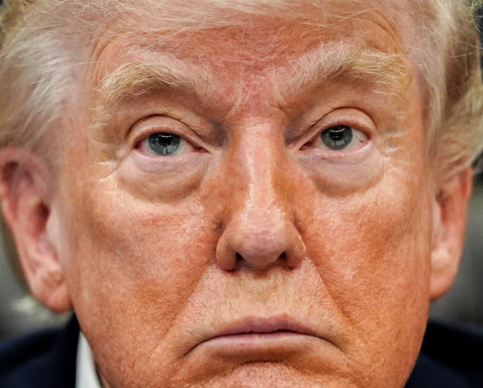
Disagreement on uranium stockpiles triggered one of the hitches that stalled Sunday’s signing. Iran firmly insists that formal nuclear talks cannot begin with such inbuilt commitments. The sovereign state refuses to negotiate while facing predetermined conditions from western powers. Meanwhile, Donald Trump insists he does not make bad deals under any circumstances. The American president boldly claims that this pending memorandum is a major victory. However, domestic critics across the political spectrum have spent 48 hours challenging that. Both Democrats and traditional Republican hawks are openly questioning the administration’s defensive spin. They view the current terms as a comprehensive failure of American coercive diplomacy.
Ben Rhodes, the experienced Obama-era foreign policy adviser, summarized the situation very pithily. He observed that nothing was accomplished by Operation Epic Fury except empowering adversaries. The intense US-Israeli war has effectively left the Islamic Revolutionary Guard Corps in control. The elite military branch now firmly commands both Iran and the Strait of Hormuz. Decades of western policy aimed to weaken this specific faction within the regime. Instead, the conflict has solidified their authority over crucial global trade infrastructure. The strategic waterway remains vulnerable to their direct influence despite months of bombardment. This outcome represents a stunning miscalculation by planners in Washington and Tel Aviv.
Other prominent foreign policy experts have offered similarly devastating critiques of the war. Ali Vaez serves as the respected director of the Iran Project at Crisis Group. He noted that Washington hawks got two wars and nearly every conceivable sanction. They implemented a draconian naval blockade and threw a wrench in the global economy. Yet, these aggressive figures will still claim that more pressure is needed. They always argue that a touch more bombing will magically yield ultimate concessions. Vaez emphasizes that these hawkish factions will never be satisfied with realistic diplomacy. Their reliance on military force blinded them to the inevitable consequences of regional warfare.
The broader strategic failure becomes even more apparent when examining the diplomatic timeline. Trita Parsi from the Quincy thinktank argues Trump has achieved very little progress. The president merely negotiated his way back to the original April ceasefire position. That initial agreement was upended on 13 April by a fateful White House decision. Trump chose to impose a strict US blockade on all major Iranian ports. Tehran quickly responded by reimposing its own highly effective de facto naval blockade. This escalatory cycle caused immense damage to international shipping and volatile oil markets. The current negotiations are simply attempting to repair that self-inflicted diplomatic fracture.
In short, Trump has expended billions of taxpayer dollars with very little return. He has progressed no further on nuclear issues than during previous diplomatic rounds. The parties stood at this exact position in Geneva on 26 February. That was just days before the destructive and costly regional war was initiated. Little wonder Republican hawks such as Senator Ted Cruz warned of an impending disaster. They view the upfront asset release as a dangerous capitulation to an adversary. The conservative opposition believes the administration surrendered its leverage without securing permanent atomic limits. This internal political rift threatens to complicate any future ratification of the agreement.
Iran has maintained a very firm public stance regarding these controversial western narratives. The Iranian foreign minister, Abbas Araghchi, issued an explicit statement rejecting American media claims. He denied that Iran agreed to send its enriched uranium stockpile directly abroad. He also rejected reports of accepting a strict cap on enrichment for ten years. Araghchi stated Iran is only willing to discuss these complex issues contextually. The regime demands a flexible sixty-day time frame for any future nuclear talks. This position represents hardly any advance on what Tehran offered back in Geneva. The diplomatic framework remains remarkably unchanged despite months of intense and devastating conflict.
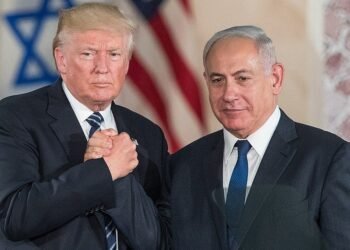
This rigid public stance does not mean Iran rules out nuclear concessions entirely. Trump personally assured a nervous Israeli Prime Minister Benjamin Netanyahu during talks on Saturday. The American president insisted that structural limits could still be achieved through diplomacy. However, Washington has clearly abandoned the idea of extracting these goals through force. This shift represents a major defeat for Israel’s broader regional security agenda. Tel Aviv had hoped the war would permanently dismantle Iran’s missile infrastructure. They also aimed to neutralize the regime’s vast network of regional drone proxies. All of those ambitious military goals have now been deferred indefinitely by Washington.
The political leadership in Tehran views the upcoming negotiations as a distinct opportunity. The Iranian president, Masoud Pezeshkian, insisted the talks will demonstrate his country’s true intentions. He stated Iran is entirely willing to prove it does not seek nuclear weapons. The process of reaching a comprehensive agreement remains incredibly laborious, technical, and slow. However, independent diplomats believe a lasting deal is highly achievable under proper conditions. Success is far more likely if Iran feels it is not negotiating under duress. The removal of immediate military threats creates the necessary space for authentic compromise.
Conversely, abandoning the military route represents a severe political blow for Benjamin Netanyahu. The Israeli leader faces a challenging and highly volatile domestic election year. The sudden halt to Operation Epic Fury leaves his security promises unfulfilled. This diplomatic shift occurs as American support for Israel faces unprecedented structural erosion. Public backing has dropped severely across nearly every demographic group in the United States. Only older, traditional Republican voters continue to express unyielding support for Israeli military actions. This shifting domestic landscape limits Washington’s willingness to sustain an unpopular foreign war.
Israel is actively resisting several key aspects of the proposed Pakistani memorandum. Tel Aviv is particularly opposed to the current framework regarding a Lebanon ceasefire. Israeli diplomats are pushing Washington to include specific language protecting their operational freedom. They want explicit authorization to carry out military strikes against any perceived threat. Iran is completely rejecting this formulation during the intense indirect negotiations in Islamabad. Tehran is firmly insisting on a sustainable, balanced, and lasting ceasefire agreement. They refuse to accept terms that allow unilateral western military action across regional borders.
Furthermore, the future governance of the strategic Strait of Hormuz remains unresolved. Iran and Oman are holding detailed discussions about a potential joint maritime authority. They are exploring a cooperative framework to manage the vital international shipping lane. However, Muscat is highly unlikely to back the controversial idea of transit tolls. Oman prefers maintaining traditional free navigation principles to protect sensitive global trade relations. Without international consensus, Iran may find its newfound geographic weapon is a diminishing asset. The economic realities of regional isolation could eventually force Tehran to moderate its demands. Diplomacy must now navigate these intricate details to prevent a return to active warfare.
Related News:
 Capitol Attack Anniversary Sparks Deep Political Divide
 Saudi Officials Report Zubaidi Flee Before Yemen Peace Talks
 UK Targets in New York Bomb Threat Hoax: Man Jailed
 Gambia Supreme Court Hears Case to Overturn FGM Ban
 Trump targets Iran trade with 25% tariff warning
 US Senate rejects resolution limiting Trump military powers
 Gulf states warn Trump Iran strikes risk wider Middle East war
 Machado Trump medal gesture reshapes Venezuela power struggle
 Geopolitical football: Iran, Trump and the World Cup clash
 Canada-China trade gains momentum in new strategic partnership
 Syria President Declares Victory as Ceasefire Reached with SDF
 Shinzo Abe’s killer receives life sentence in Japan
 China General Under Investigation Amid Leadership Purge
 Philippines ferry disaster leaves 15 dead, dozens missing
 Cambridge Faces Scrutiny Over Arms Investment Transparency
 Epstein UAE Emails Shake British Royal Andrew’s Legacy
 Christchurch gunman seeks to vacate guilty plea
 Concerns rise for Canberra boy amid Iran detention fears
 Ukraine Sends Drone Experts to Defend US Bases in Jordan
 Abramovich Chelsea Sale Cash Faces Jersey Probe
 Yvette Cooper: UK Must Follow Principles, Not US Pressure
 Jury Rules Meta and YouTube Liable for Addictive Design
 The Woman Guarding Earth From the Threat of Asteroids
 Germany Grapples With AI Abuse Following TV Star Scandal
 Exiled Tycoon Warns of New Russian Attacks on UK Soil
 LA 2028: Millions of Affordable Olympic Tickets Announced
 Trump Slams Europe as Transatlantic Tensions Boil Over
 Inside the Deceptive Machine: A Former Producer Speaks Out
 Spain Faces Backlash Over Xenophobic Chants in Egypt Draw
 A Global Voice For Justice: Stephen Lewis Dies At Age 88
 Hope and Fear as Iranians Flee Across the Turkish Border
 Reform UK Pledges To Halt Visas Over Reparations Demands
 US and Iran Agree to Two-Week Provisional Ceasefire
 Starmer visits Gulf as US and Iran agree ceasefire
 Gaza Child Arrives in UK for Life-Changing Care
 Pakistan Brokers Historic Peace Deal Amid Rising Tensions
 UK Holds Firm on Strait of Hormuz Amid Trump Pressure
 Trump Signals Hope for New Iran Talks as Ceasefire Fades
 Reeves Slams Trump Over Iran War Lack Of Exit Plan
 US and Iran Pursue Extension of Ceasefire via Pakistan
 Trump’s Islamabad Gamble: The High Stakes of a New Iran Deal
 Ian Katz to Step Down as Channel 4 Content Chief
 The General’s Gambit: Pakistan’s New Role in Global Peace
 Mexico, Spain and Brazil call for Cuba dialogue amid crisis
 Pakistan’s Ambitious Bid for Middle East Peace
 Israeli Soldiers Jailed Over Vandalism of Lebanese Statue
 Trump Weighs Sending Afghan Allies to the Congo
 Pentagon Shakes Up Navy Leadership Amid Hormuz Blockade
 Trump Threatens UK With Big Tariff Over Tech Tax
 Prominent Voices Challenge Palestine Action Ban
 Security Scrutiny After Washington Shooting Incident
 Merz Criticises US Approach in Iran Conflict
 UK Envoy Sparks Controversy Over Special Relationship Claims
 Ukraine Urges UK to Seize Russian Oil Tankers
 US Calls Australia Media Law “Foreign Extortion”
 The Billionaire’s Secretary and the £1m Fraud
 Ukraine strikes Tuapse as oil disaster worsens
 Brewing Tension: Taiwan Baristas Rebrand for World Stage
 Tensions Emerge in Netanyahu-Trump Alliance
 Mission to the World’s Edge: A Heroic Rescue in Tristan
 US and Mexico Face Heatwave as Floods Batter South Africa
 Mexico’s Missing: State Complicity in a Growing Crisis
 French Patient Told Hantavirus Was Just Anxiety
 The Long Way Home: Australia’s High-Stakes Virus Mission
 Putin Signals War End as Russian Momentum Stalls
 Romania’s Judicial Crisis: A System Under Siege
 Lee Lai Makes History with Landmark Stella Prize Victory
 Philippine Senator Flees After Days Under Senate Siege
 Alberta Separatist Bid Blocked by Canadian Court
 Canadian Court Blocks Alberta Independence Referendum Bid
 Big Tobacco Under Fire Over Controversial New Ad Campaign
 Bolsonaro Son Tape Scandal Sparks Massive Brazil Backlash
 Court Upholds Landmark Win for Transgender Rights
 Liberal Senator Criticises Immigration Rhetoric
 Senate Moves to Restrict Trump’s War Powers on Iran
 ICC Arrest Warrant Threat Sparks West Bank Retaliation
 Taliban Codifies Strict New Marriage and Divorce Legislation
 Tony Abbott Returns as New Liberal Party President
 Tulsi Gabbard exits after turbulent intelligence tenure
 Discontent grows around Putin amid war strain