Published: 08 July 2026. The English Chronicle Desk. The English Chronicle Online.
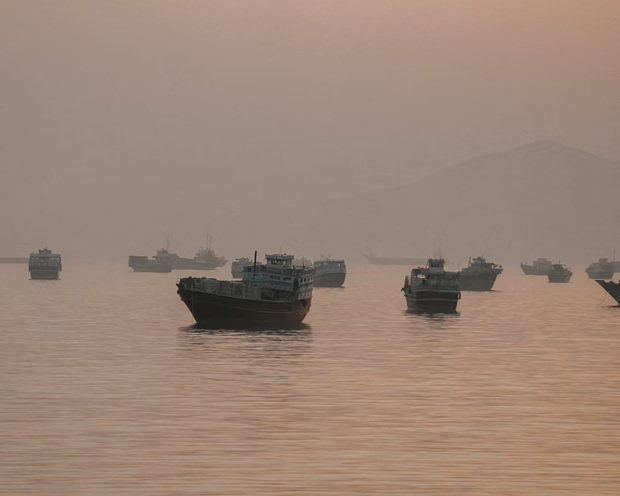
The fragile peace between Washington and Tehran has suffered a truly catastrophic blow this week. United States military forces launched targeted strikes around the Strait of Hormuz on Wednesday morning. These attacks followed reported Iranian aggression against three separate commercial vessels in the vital waterway. Tehran immediately accused the United States of violating a ceasefire agreement signed in April. This escalation marks a dangerous turning point for stability in the volatile Middle East region. Both nations now find themselves at odds regarding the future of the recent memorandum. The situation remains fluid as global powers watch the developing events with great concern.
The United States military released a statement early on Wednesday regarding the ongoing combat operation. Officials claimed that these strikes were a direct response to Iranian attacks on three tankers. These commercial vessels were in the process of transiting through the Strait of Hormuz Tuesday. The United States Central Command described the Iranian aggression as both unwarranted and very dangerous. Officials stated that the Iranian actions were a clear violation of the established regional ceasefire. Targets for the strikes included various weapon launch sites and coastal surveillance systems in Iran. The operation was expected to continue for several hours throughout the early morning period.
Reports from Iranian state media confirmed a series of large explosions across the coastal region. Locals heard these loud blasts on the island of Qeshm in the vital Hormuz Strait. Similar reports of military activity emerged from the coastal cities of Sirik and Bandar Abbas. The Iranian foreign ministry responded with a stern warning regarding these new military developments today. They accused the United States of committing repeated violations of their signed memorandum of understanding. Tehran declared that it would take decisive measures in response to these ongoing US strikes. The ministry specifically cited the sudden revocation of the temporary suspension of oil sanctions.
The United States Treasury had previously lifted sanctions on Iranian oil exports just last month. This decision was a critical component of the memorandum signed by both involved diplomatic parties. However, the United States decided to re-impose these restrictive sanctions on Tuesday after the attacks. This decision has caused significant controversy among various critics of the current administration’s foreign policy. Some argue that this waiver represented a surrender of key economic leverage over the regime. Others suggest that the negotiations regarding the nuclear program had barely begun before the collapse. The sudden reversal of this policy indicates a significant shift in Washington’s current diplomatic strategy.
The United Kingdom Maritime Trade Operations centre provided crucial details regarding the incident on Tuesday. They confirmed that the Qatari tanker Al Rekayyat was struck during its transit through waters. The vessel was attempting to travel south out of the strait toward the Gulf Oman. Qatar has acted as a primary mediator in the tense talks between Washington and Tehran. However, the Qatari foreign ministry spokesperson Majed al-Ansari condemned the act as a serious violation. He stated clearly that Qatar would hold Iran fully responsible for this aggressive military act. This public condemnation represents a significant setback for the ongoing diplomatic efforts in the region.
All three tankers were hit while sailing close to the coastline of the nation Oman. Oman had recently proposed a new shipping corridor located quite close to its own shores. Iran remains strongly opposed to this specific suggestion for changing the current regional shipping routes. Tehran wishes to charge ships a fee for using this critical and highly sensitive waterway. The Iranian government argued that Washington’s efforts to open new routes constituted a formal breach. They claim the memorandum is worded to leave management of the strait to themselves exclusively. Their stated goal involves returning commercial traffic to prewar levels within a thirty day period.
International experts have noted that the vague wording of the memorandum remains a major problem. Both sides have interpreted the core language of the agreement in very different, contradictory ways. These repeated misunderstandings represent a continuing and significant threat to the survival of the ceasefire. The lack of clarity has allowed both nations to justify their aggressive actions and movements. Diplomatic channels are struggling to bridge the widening gap between these two deeply divided parties. Observers are worried that the recent fighting might lead to a much larger regional conflict. The international community is now calling for immediate restraint from both Tehran and Washington today.
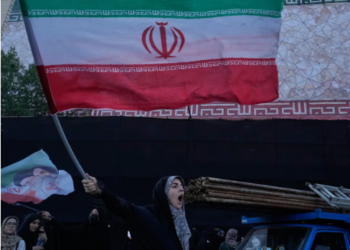
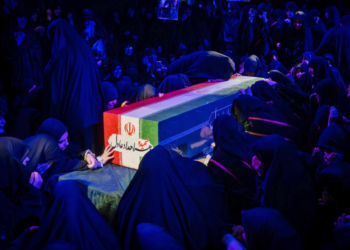
These strikes occurred during the period of a days-long funeral for leader Ayatollah Khamenei. The Supreme Leader was killed during the very early stages of the current regional war. Tuesday saw enormous crowds mourning his passing in the traditional holy city of Qom yesterday. Hundreds of thousands of people marched while carrying large flags and many colourful national banners. The crowds compared the late leader to various revered martyrs of their Shi’ite Islamic tradition. Some demonstrators held placards and angry banners reading explicitly that they wanted to kill Trump. The atmosphere remains highly charged and emotional across many cities throughout the Iranian nation today.
The geopolitical landscape of the Middle East is facing its most difficult test in years. Global energy markets are already reacting to the news of the strikes near the strait. Oil prices have begun to climb as traders worry about the security of critical shipments. The disruption of traffic through the Strait of Hormuz presents a major risk for everyone. Most of the world’s oil supply moves through this narrow and highly strategic maritime bottleneck. If the situation continues to deteriorate, the consequences for the global economy will be severe. International leaders are urgently requesting an emergency meeting to address these very pressing security concerns.
The path forward for both Washington and Tehran looks increasingly uncertain after the recent violence. Diplomatic efforts to revive the memorandum seem to have stalled completely due to the attacks. Both nations appear focused on military posturing rather than finding a way toward lasting peace. The loss of a mediator like Qatar is particularly damaging to the ongoing negotiation process. Without an impartial party to facilitate talks, the risk of miscalculation remains extremely high today. The international community is waiting to see if either side will offer a de-escalation signal. For now, the region waits in anticipation of what will happen in the coming days.
The human cost of this renewed fighting remains a primary concern for local residents everywhere. Families in the affected coastal cities are hiding in fear as the military strikes continue. The humanitarian impact of the ongoing conflict is becoming more apparent with each passing hour. Aid organizations are struggling to provide essential support to those trapped in the conflict zones. The political situation will undoubtedly have long-lasting effects on the lives of all regional citizens. It is a time of immense uncertainty for everyone residing near the Strait of Hormuz today. Future stability remains the primary goal for all those advocating for peace and regional order.
The world is watching the developments closely as the situation unfolds on the ground tonight. Further statements from Washington and Tehran are expected to arrive in the coming few hours. These updates will be vital for understanding the next steps of this very dangerous escalation. The international community remains committed to finding a peaceful resolution to this complex regional crisis. Whether that goal is still achievable remains the central question for every world leader today. All eyes are on the Persian Gulf as the world hopes for a rapid return. The situation is truly a pivotal moment for international security and global political stability alike.
Related News:
 Saudi Officials Report Zubaidi Flee Before Yemen Peace Talks
 UK Targets in New York Bomb Threat Hoax: Man Jailed
 Gambia Supreme Court Hears Case to Overturn FGM Ban
 Trump targets Iran trade with 25% tariff warning
 US Senate rejects resolution limiting Trump military powers
 Gulf states warn Trump Iran strikes risk wider Middle East war
 Machado Trump medal gesture reshapes Venezuela power struggle
 Geopolitical football: Iran, Trump and the World Cup clash
 Shinzo Abe’s killer receives life sentence in Japan
 China General Under Investigation Amid Leadership Purge
 Philippines ferry disaster leaves 15 dead, dozens missing
 Cambridge Faces Scrutiny Over Arms Investment Transparency
 Concerns rise for Canberra boy amid Iran detention fears
 Ukraine Sends Drone Experts to Defend US Bases in Jordan
 Abramovich Chelsea Sale Cash Faces Jersey Probe
 Yvette Cooper: UK Must Follow Principles, Not US Pressure
 Jury Rules Meta and YouTube Liable for Addictive Design
 The Woman Guarding Earth From the Threat of Asteroids
 Exiled Tycoon Warns of New Russian Attacks on UK Soil
 LA 2028: Millions of Affordable Olympic Tickets Announced
 Trump Slams Europe as Transatlantic Tensions Boil Over
 Inside the Deceptive Machine: A Former Producer Speaks Out
 Spain Faces Backlash Over Xenophobic Chants in Egypt Draw
 A Global Voice For Justice: Stephen Lewis Dies At Age 88
 Hope and Fear as Iranians Flee Across the Turkish Border
 Reform UK Pledges To Halt Visas Over Reparations Demands
 US and Iran Agree to Two-Week Provisional Ceasefire
 Starmer visits Gulf as US and Iran agree ceasefire
 Pakistan Brokers Historic Peace Deal Amid Rising Tensions
 Trump Signals Hope for New Iran Talks as Ceasefire Fades
 US and Iran Pursue Extension of Ceasefire via Pakistan
 The General’s Gambit: Pakistan’s New Role in Global Peace
 Mexico, Spain and Brazil call for Cuba dialogue amid crisis
 Pakistan’s Ambitious Bid for Middle East Peace
 Israeli Soldiers Jailed Over Vandalism of Lebanese Statue
 Trump Weighs Sending Afghan Allies to the Congo
 Prominent Voices Challenge Palestine Action Ban
 Merz Criticises US Approach in Iran Conflict
 UK Envoy Sparks Controversy Over Special Relationship Claims
 Ukraine Urges UK to Seize Russian Oil Tankers
 The Billionaire’s Secretary and the £1m Fraud
 Ukraine strikes Tuapse as oil disaster worsens
 Mission to the World’s Edge: A Heroic Rescue in Tristan
 US and Mexico Face Heatwave as Floods Batter South Africa
 French Patient Told Hantavirus Was Just Anxiety
 Putin Signals War End as Russian Momentum Stalls
 Romania’s Judicial Crisis: A System Under Siege
 Philippine Senator Flees After Days Under Senate Siege
 Alberta Separatist Bid Blocked by Canadian Court
 Big Tobacco Under Fire Over Controversial New Ad Campaign
 Court Upholds Landmark Win for Transgender Rights
 Liberal Senator Criticises Immigration Rhetoric
 Senate Moves to Restrict Trump’s War Powers on Iran
 ICC Arrest Warrant Threat Sparks West Bank Retaliation
 Tony Abbott Returns as New Liberal Party President
 Discontent grows around Putin amid war strain
 Trump Diplomacy Faces Hurdles from Tehran to Tbilisi
 Trump Faces Legal Blow Over Global Tariffs
 Washington Brokerage Sparking Hope Amid Regional Firestorms
 New York Consumer Watchdog Tackles Corporate Lawbreaking
 Global Tech Giants Face Off Against Australia Over Media Levies
 Ukraine Turning the Tide: Zelenskyy Reclaims the Initiative Against Isolated Russia
 Millions in British Charity Funds Linked to Illegal Settlements
 Firearm Fine for Missing Boy’s Grandmother
 Historic Peace Deal Reached Between United States and Iran
 A New Era of Diplomacy Sparks Confusion on the World Stage
 AI to Help Botanists Win the Critical Race Against Extinction
 Battle for Washington: Mayoral Race Braces for Trump
 Tuchel’s England Mission Goes Beyond Football Success
 Historic Victory for Canada as They Defeat Nine-Man Qatar
 Trump’s Iran Legacy Hangs on Tehran Deal
 What Burnham in Number 10 Means for the Future of Britain
 Canada Secure Historic Last 16 Spot with Late Goal
 White House Moves to Limit Public Voice on Fossil Fuels
 Paraguay Shock Germany in Historic Penalty Shootout
 Haaland Heroics Send Norway Into Historic Last 16 Knockout
 Iran Prepares for Massive Funeral for Supreme Leader
 China’s Pacific Missile Test Sparks Regional Alarm
 Belgium Thrashes USA After Red Card Controversy
 UK Charity Funds Illegal Hebron Settlement Expansion