Published: July 8, 2026 | The English Chronicle Desk | The English Chronicle Online
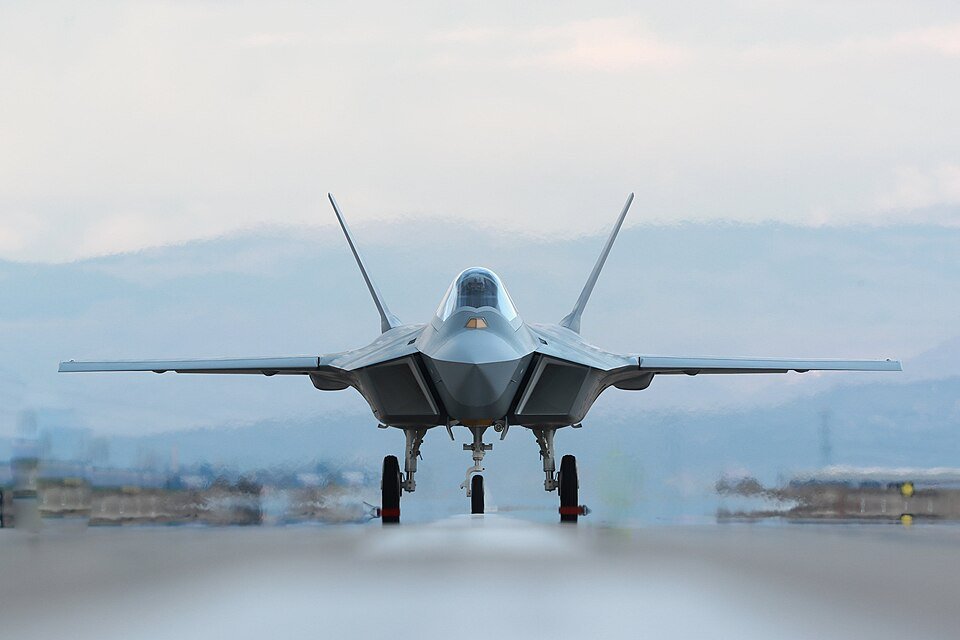
Turkey’s indigenous fifth-generation fighter aircraft, KAAN, is rapidly emerging as one of the most closely watched defence projects in the world, with military analysts suggesting the aircraft could reshape NATO’s future air capabilities. Developed to replace aging fighter fleets while strengthening Turkey’s strategic independence, KAAN has become far more than a national aerospace programme—it now represents Ankara’s ambition to become a leading defence technology producer within the alliance.
As geopolitical tensions continue to reshape global security priorities, NATO members are investing heavily in next-generation military technology. Against this backdrop, KAAN is increasingly being viewed as a project that could influence both the alliance’s operational capabilities and Europe’s broader defence industry.
The aircraft, developed by Turkish Aerospace Industries (TAI), is designed as a fifth-generation multirole fighter capable of carrying out air superiority missions, precision ground strikes and advanced intelligence operations. Engineers have incorporated stealth features, high-performance avionics, network-centric warfare capabilities and modern sensor systems intended to enable the aircraft to operate effectively in highly contested environments.
Turkey officially launched the programme after determining that future national security requirements demanded greater domestic control over advanced military technology. Rather than relying exclusively on imported combat aircraft, Ankara sought to establish its own industrial base capable of designing, producing and maintaining cutting-edge fighter jets.
The KAAN programme is the result of years of investment in aerospace engineering, research institutions and defence manufacturing. Turkish officials describe it as one of the country’s most ambitious technological projects, involving thousands of engineers, technicians and researchers working across multiple sectors of the national defence industry.
Military experts note that the aircraft is expected to feature reduced radar visibility, advanced electronic warfare systems, integrated sensor fusion and highly sophisticated mission computers. These technologies are intended to improve pilot awareness while allowing the aircraft to detect, track and engage threats before being identified itself.
Although many technical specifications remain classified, defence analysts believe KAAN will eventually incorporate artificial intelligence-assisted mission management, enabling pilots to process battlefield information more efficiently and coordinate with other aircraft, drones and ground-based systems.
One of the programme’s defining characteristics is its emphasis on network-enabled warfare. Modern air combat increasingly depends not only on aircraft performance but also on the ability to exchange real-time intelligence with allied platforms. KAAN is being designed with this principle in mind, allowing it to operate as part of a wider integrated battlefield environment.
For NATO, interoperability remains a central consideration. Alliance aircraft must be capable of communicating securely, sharing operational data and participating in multinational missions. Defence specialists believe that if KAAN fully meets NATO standards, it could become an important component of future alliance operations.
The project also carries significant industrial implications. Defence economists estimate that thousands of highly skilled jobs have already been created through the programme, supporting engineers, software developers, aerospace manufacturers and specialist suppliers throughout Turkey’s growing defence sector.
Beyond military applications, aerospace technologies developed through the programme are expected to generate wider economic benefits. Innovations in composite materials, avionics, advanced manufacturing and artificial intelligence frequently find civilian applications in aviation, telecommunications and industrial engineering.
Turkey has steadily expanded its domestic defence production over the past decade, becoming an increasingly important exporter of military equipment. Products ranging from unmanned aerial vehicles to naval systems and armoured vehicles have attracted growing international demand, strengthening the country’s position within the global defence market.
KAAN is widely viewed as the next major step in that transformation.
However, the programme also faces considerable technical and financial challenges. Developing a fifth-generation combat aircraft requires enormous investment, complex engineering expertise and years of rigorous testing. Every component—from engines and flight control systems to radar technology and weapons integration—must meet exceptionally demanding military standards.
Aviation specialists note that bringing an advanced fighter into operational service typically requires extensive prototype testing, software refinement and certification before full-rate production begins. Even the world’s largest aerospace manufacturers have experienced delays while developing comparable aircraft.
Questions also remain regarding long-term engine development. While initial aircraft may rely on existing propulsion solutions, Turkey continues working toward an indigenous engine capable of meeting future operational requirements and reducing dependence on foreign suppliers.
From NATO’s perspective, the emergence of another advanced fighter platform reflects the alliance’s broader adaptation to evolving security threats. Modern military planning increasingly emphasises air superiority, integrated missile defence, cyber resilience and unmanned systems working alongside crewed aircraft.
Analysts argue that if successfully completed, KAAN could provide NATO with additional operational flexibility while diversifying the alliance’s industrial base. It may also strengthen Europe’s collective defence manufacturing capacity at a time when many governments are increasing military spending.
International interest in the aircraft has also grown. Several countries are closely monitoring the programme’s progress, viewing KAAN as a potential future procurement option depending on performance, cost and export availability. Any export agreements would further enhance Turkey’s role in the global defence industry.
Nevertheless, defence experts caution that comparisons with existing fifth-generation fighters should be made carefully until the aircraft completes comprehensive flight testing and enters operational service. Real-world performance can only be fully assessed after years of evaluation under demanding operational conditions.
Despite these uncertainties, few dispute the strategic importance of the programme. KAAN represents not only a technological milestone for Turkey but also a reflection of broader changes taking place within NATO’s defence landscape. As member states modernise their armed forces and invest in next-generation capabilities, projects such as KAAN illustrate the growing emphasis on innovation, self-reliance and multinational defence cooperation.
Whether it ultimately becomes one of NATO’s defining combat aircraft will depend on successful development, sustained investment and operational performance. Yet even before entering full service, KAAN has already established itself as one of the most significant aerospace projects shaping the alliance’s future air power.
Related News:
 ‘The frontline is like Terminator’: Ukraine’s fighting robots
 RAF Typhoons scrambled amid Russian drone threat near Nato
 Britain deploys RAF specialists to assist Belgium with drone threats
 Night after night, Belgium is on high alert.
 Hitler’s DNA Confirms He Truly Had Only One Testicle
 Ukraine to Get 100 French Rafale Jets in Historic Deal
 Poll Reveals China Leads World in Trusting AI Technology
 US Clears Nvidia AI Chip Sales to China in Policy Shift
 UK New Car Discounts Near £6,000 as Prices Are Slashed
 Musk Cuts Starlink Access for Russian Forces – Giving Ukraine an Edge at the Front
 Anthropic AI Refuses Pentagon’s Safety Demand
 Social Media Trial: Woman Says Addiction Began at Six
 Brady Tkachuk Denies AI Video Claims After Olympic Gold
 The US Now Has the Medicine for Cheap Swarming Drone Attacks
 UK Prepares Aircraft Carrier for Middle East Crisis
 Musk’s xAI Permit Sparks Fury Over Power Plant Expansion
 The Kill Line: A Shifting Vision of the American Dream
 North Korea Fires Missiles Amid US-South Korea Drills
 Iran Social Media Strategy Shifts to Information War
 ABC Staff Strike Over Pay and AI Concerns
 Cluster Strikes Test Israel’s Missile Defences
 Russia Drone Attack Intensifies Ukraine War Pressure
 How and When to See April’s Full Pink Moon
 China’s Secret Mountain Ruins Rise Again in New Cold War
 Artemis II: Humanity Returns to the Moon After Decades
 Artemis II astronauts capture Earth en route to the Moon
 Apple at 50: Three Products That Changed How We Live
 Artemis II Returns After Historic Moon Flyby
 Canadian astronaut French words ease language row
 Chornobyl Still at Risk 40 Years After Disaster
 Trump orders US troop pullout from Germany
 Ukraine strikes Tuapse as oil disaster worsens
 Trump likens US Navy actions to ‘pirates’
 Germany to Return Rare Irritator Dinosaur Skull to Brazil
 Canadian Fiddler Sues Google Over AI Defamation Claim
 Doomsday Clock Nears Midnight Amid Global Crises
 Putin Declares Russia Victory at Scaled Victory Day Parade
 Musk v OpenAI Trial: The Battle for the Soul of AI
 China mine blast death toll rises to 90
 Ebola outbreak in DRC overwhelms health system as cases surge
 Zelenskyy warns over Oreshnik threat as Kyiv hit
 Discontent grows around Putin amid war strain
 UN Issues Urgent Warning: Imminent Return of El Niño
 UK Faces Pressure Over Red Arrows Future
 Russian Frigate Fires Warning Shots Near British Yacht
 NATO Unveils £37bn Joint Missile Defence Initiative
 UK Bans Fake Numbers: Scammers Lose Their Trick
 Vibe coding’ named Collins dictionary’s word of the year
 BBC to Apologise Over Edited Trump Speech Amid Backlash
 Greene Pushes Epstein Files Amid Trump Fallout
 Zelenskyy Signs Fighter Jet Deal Amid Russian Drone Attacks
 Sundar Pichai Cautions on AI Hype and Market Risks
 Shadow Fleet at Sea: Europe’s Battle Against Illicit Oil Shipping
 US Suspends Afghan Immigration After White House Shooting
 ‘Extinct’ Antelope Returns to Sahara, Bringing Hope
 Australian Families Leave Syrian Camp for Home
 How Do You Modernise Mango Farming? India’s Growers Urged to Innovate as Climate Change Hits
 Stewart Brand on Musk, Bezos and a Life of Long Thinking
 Hilary Knight speaks out on Trump’s recent hockey remarks
 Penny Wong silent on Australian crew in sub strike
 Trump Pressures Congress Over Save America Act
 Goma Drone Attack Kills Three as Conflict Escalates
 Queensland Protest Laws Spark Free Speech Backlash
 Social Media Giant Trial Reaches Final Jury Decision
 Trump Nato threats expose Iran strategy vacuum
 Trump Facing Backlash from Epstein Survivors Over Files
 Trump Considers Military Operation to Seize Iran’s Uranium
 US to Escort Trapped Ships Through the Strait of Hormuz
 “The Pivot to Pakistan”: Trump Pauses ‘Project Freedom’ in Hormuz Amid Iran Deal Hopes
 “The Digital Frontier”: Scotland’s Papers Grapple with AI Harassment and ‘Mortgage Bottlenecks’
 US Awaits Iran Reply on New Ceasefire Proposal
 Putin Signals War End as Russian Momentum Stalls
 Philippine Senator Flees After Days Under Senate Siege
 High Street Crisis: Fears Grow Over Post Office Closures
 “Eyes in the Sky, Spikes on the Ground”: Advanced Satellite Imagery and AI Algorithms Deployed Across Britain to Save the Vanishing Hedgehog
 Pope Meets Families in Italy Toxic Waste Zone
 UK Faces Most Dangerous Era, Military Chief Warns
 US Launches Strikes on Iran After Military Helicopter Downed Near Strait of Hormuz
 UK Economy Suffers a Sharp Downturn as Iran Conflict Bites
 South Korea’s AI Chip Boom Sparks Wealth Inequality Debate