Published: 09 July 2026. The English Chronicle Desk. The English Chronicle Online.
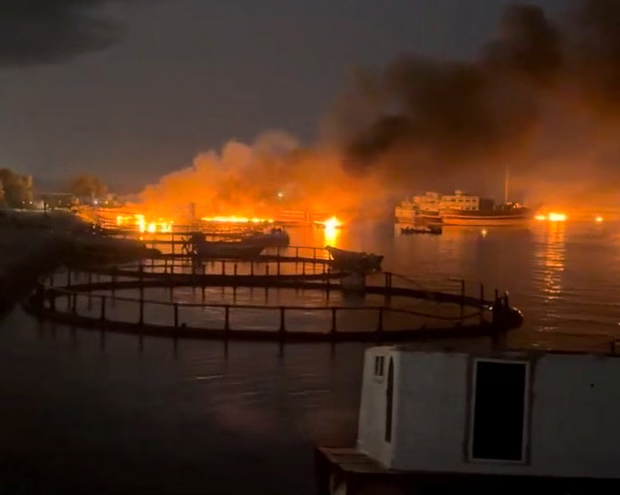
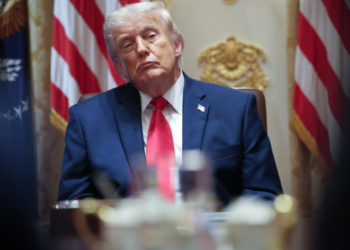
The United States military has launched a second consecutive day of intense aerial combat strikes. President Donald Trump declared that the previous interim agreement to end conflict is now finished. This sudden escalation follows reports of explosions within the vital port city of Bandar Abbas. Officials have confirmed that additional targets were struck throughout the strategic Strait of Hormuz region. These actions were taken to degrade the military capabilities that threaten regional maritime navigation routes. The decision comes after recent attacks on three cargo ships transiting through the strait area. Tensions have spiked significantly since the interim peace deal was signed only last month today. The United States Treasury has revoked the temporary sanctions waiver previously granted to Tehran authorities. This policy shift effectively blocks Iran from exporting its crude oil to the global market.  The latest military engagement has effectively shattered hopes for a long-term resolution to the war. Markets reacted sharply to the news as uncertainty gripped the global financial and energy sectors. Brent crude prices surged by more than five percent to reach eighty dollars per barrel. Investors fear that the conflict could lead to sustained volatility in the international oil supply. Washington maintains that these military operations are necessary responses to ongoing threats against merchant vessels. The Pentagon has emphasized that the strikes aim to protect the freedom of international shipping. Tehran officials have rejected these justifications and condemned the strikes as acts of blatant aggression. Iranian state media has reported explosions in the south-western province known as the Bushehr region. This area contains the essential nuclear power plant complex which remains a critical national asset. Local authorities stated that the infrastructure sustained no damage during the most recent military strikes. The situation remains fluid as military commanders continue to assess the damage caused by actions. The broader geopolitical implications of this renewed conflict are being felt across the entire globe. European leaders have expressed deep concern regarding the sudden collapse of the diplomatic peace efforts. Many diplomatic observers note that the stability of the Middle East hangs in a balance. The humanitarian impact of this war continues to weigh heavily on the regional population base. Millions of people are currently mourning the death of the nation’s former supreme spiritual leader. The funeral process for Ayatollah Ali Khamenei has drawn massive crowds across several different cities. This emotional period of grief has complicated the political response from the Iranian government leadership. Parliament speaker Mohammad Bagher Ghalibaf has vowed that the nation will not fold under pressure. He stated that the era of external bullying and international extortion has reached its end. Meanwhile the United States military continues to reinforce its naval presence in the Persian Gulf. Recent reports indicate that siren alerts have sounded in Bahrain near the naval headquarters base. Kuwaiti military forces are currently engaged in active interception of incoming drones and various missiles. The complexity of these security threats requires constant monitoring by the allied naval command centers. President Trump addressed the situation during his recent attendance at the high-level Nato summit. He suggested that the military action would not evolve into a long-term engagement strategy. Trump insisted that any future military movements would occur very quickly to finish the job. However some political figures within the United States have criticized the administration’s aggressive new stance. Senator Bernie Sanders argued that the current path will not lead to a stronger America. He claimed that restarting the war would only cost more lives and waste taxpayer funds. Sanders also criticized the administration for declaring the ceasefire agreement over after just one month. The internal debate highlights the deep divisions regarding foreign policy goals within the United States. Many analysts are watching closely to see how regional neighbors will react to this instability. The United Arab Emirates remains caught in the middle of these mounting regional security pressures. Abu Musa Island has become a central point of contention due to its strategic position. This island is claimed by the Emirates but remains under effective control of Iranian forces. Iran considers its control over the island essential for managing the Strait of Hormuz traffic. The current crisis has tested the limits of international law and existing maritime navigation treaties. International shipping companies are currently rerouting vessels to avoid the dangerous waters of the gulf. This disruption will likely increase the costs of shipping goods throughout the entire world economy. Businesses across the UK and Europe are preparing for potential supply chain delays and issues. The economic repercussions of this war will be felt long after the fighting stops occurring. Diplomatic channels remain largely silent as the focus shifts toward immediate military security and defense. No immediate word of damage has been reported from the targeted sites in Bahrain yet. The United States remains committed to its strategy of degrading the military capability of Iran. Officials have stated that additional strikes will occur if the maritime threats continue to persist. The international community is calling for an immediate de-escalation to prevent further civilian loss today. Every action taken by both sides is being scrutinised by global powers and media outlets. The reliance on drones and missile technology has changed the nature of this modern warfare. Navies are struggling to adapt their defensive strategies to counter these new and fast threats.
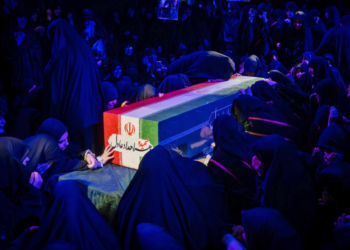
  The atmosphere in Tehran is described as one of defiance despite the significant external pressure. Funeral attendees have expressed their desire for a resolute response to the recent military actions. It is a period of historic instability that could reshape the region for many years ahead. Journalists are working under difficult conditions to provide accurate reporting on the evolving war situation. Public sentiment is being influenced by the constant flow of conflicting information from both sides. Responsibility and fairness remain the core focus for those covering this complex news story today. As the night falls over the Strait of Hormuz the region remains on high alert. The world waits to see what will happen in the coming hours and days ahead. International organizations are urging all parties to prioritize dialogue over the use of military force. A permanent solution to the war seems more distant than it did only last week. The legacy of the deceased leader remains a significant factor in the current political climate. Future diplomatic attempts will need to address the deep-seated grievances that fuel this ongoing conflict. For now the focus remains on the immediate tactical results of the ongoing aerial campaign. Experts suggest that the economic toll will continue to be a primary concern for everyone. The English Chronicle will continue to provide updates as more verified information becomes available soon. We remain dedicated to reporting on these important international events with total clarity and responsibility. Our commitment is to ensure that readers remain informed about this fast-moving global news story. Please continue to visit our online platform for the latest developments regarding this critical situation. We thank you for your trust in our objective and balanced reporting during these times.
Related News:
 Saudi Officials Report Zubaidi Flee Before Yemen Peace Talks
 UK Targets in New York Bomb Threat Hoax: Man Jailed
 Gambia Supreme Court Hears Case to Overturn FGM Ban
 Trump targets Iran trade with 25% tariff warning
 US Senate rejects resolution limiting Trump military powers
 Gulf states warn Trump Iran strikes risk wider Middle East war
 Machado Trump medal gesture reshapes Venezuela power struggle
 Geopolitical football: Iran, Trump and the World Cup clash
 Shinzo Abe’s killer receives life sentence in Japan
 China General Under Investigation Amid Leadership Purge
 Philippines ferry disaster leaves 15 dead, dozens missing
 Cambridge Faces Scrutiny Over Arms Investment Transparency
 Concerns rise for Canberra boy amid Iran detention fears
 Ukraine Sends Drone Experts to Defend US Bases in Jordan
 Abramovich Chelsea Sale Cash Faces Jersey Probe
 Yvette Cooper: UK Must Follow Principles, Not US Pressure
 Jury Rules Meta and YouTube Liable for Addictive Design
 The Woman Guarding Earth From the Threat of Asteroids
 Exiled Tycoon Warns of New Russian Attacks on UK Soil
 LA 2028: Millions of Affordable Olympic Tickets Announced
 Trump Slams Europe as Transatlantic Tensions Boil Over
 Inside the Deceptive Machine: A Former Producer Speaks Out
 Spain Faces Backlash Over Xenophobic Chants in Egypt Draw
 A Global Voice For Justice: Stephen Lewis Dies At Age 88
 Hope and Fear as Iranians Flee Across the Turkish Border
 Reform UK Pledges To Halt Visas Over Reparations Demands
 US and Iran Agree to Two-Week Provisional Ceasefire
 Starmer visits Gulf as US and Iran agree ceasefire
 Pakistan Brokers Historic Peace Deal Amid Rising Tensions
 Trump Signals Hope for New Iran Talks as Ceasefire Fades
 US and Iran Pursue Extension of Ceasefire via Pakistan
 The General’s Gambit: Pakistan’s New Role in Global Peace
 Mexico, Spain and Brazil call for Cuba dialogue amid crisis
 Pakistan’s Ambitious Bid for Middle East Peace
 Israeli Soldiers Jailed Over Vandalism of Lebanese Statue
 Trump Weighs Sending Afghan Allies to the Congo
 Prominent Voices Challenge Palestine Action Ban
 Merz Criticises US Approach in Iran Conflict
 UK Envoy Sparks Controversy Over Special Relationship Claims
 Ukraine Urges UK to Seize Russian Oil Tankers
 The Billionaire’s Secretary and the £1m Fraud
 Ukraine strikes Tuapse as oil disaster worsens
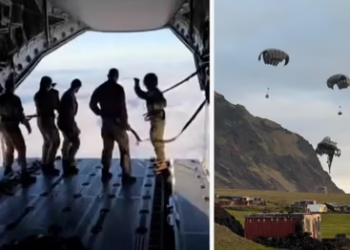 Mission to the World’s Edge: A Heroic Rescue in Tristan
 US and Mexico Face Heatwave as Floods Batter South Africa
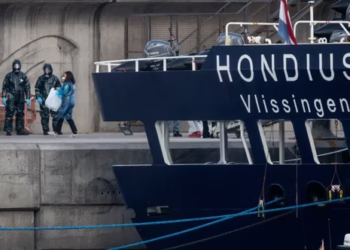 French Patient Told Hantavirus Was Just Anxiety
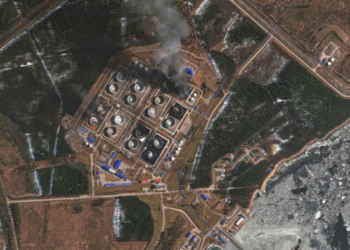 Putin Signals War End as Russian Momentum Stalls
 Romania’s Judicial Crisis: A System Under Siege
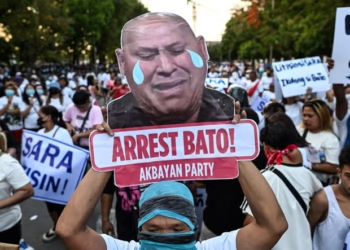 Philippine Senator Flees After Days Under Senate Siege
 Alberta Separatist Bid Blocked by Canadian Court
 Big Tobacco Under Fire Over Controversial New Ad Campaign
 Court Upholds Landmark Win for Transgender Rights
 Liberal Senator Criticises Immigration Rhetoric
 Senate Moves to Restrict Trump’s War Powers on Iran
 ICC Arrest Warrant Threat Sparks West Bank Retaliation
 Tony Abbott Returns as New Liberal Party President
 Discontent grows around Putin amid war strain
 Trump Diplomacy Faces Hurdles from Tehran to Tbilisi
 Trump Faces Legal Blow Over Global Tariffs
 Washington Brokerage Sparking Hope Amid Regional Firestorms
 New York Consumer Watchdog Tackles Corporate Lawbreaking
 Global Tech Giants Face Off Against Australia Over Media Levies
 Ukraine Turning the Tide: Zelenskyy Reclaims the Initiative Against Isolated Russia
 Millions in British Charity Funds Linked to Illegal Settlements
 Firearm Fine for Missing Boy’s Grandmother
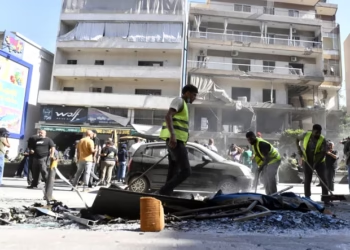 Historic Peace Deal Reached Between United States and Iran
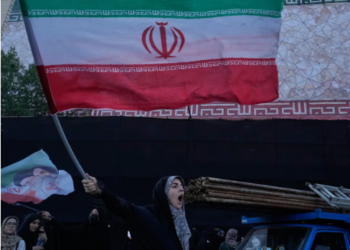 A New Era of Diplomacy Sparks Confusion on the World Stage
 AI to Help Botanists Win the Critical Race Against Extinction
 Battle for Washington: Mayoral Race Braces for Trump
 Tuchel’s England Mission Goes Beyond Football Success
 Historic Victory for Canada as They Defeat Nine-Man Qatar
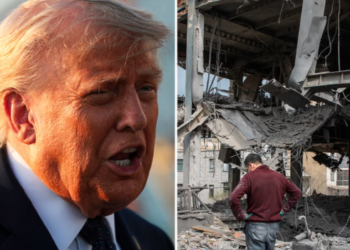 Trump’s Iran Legacy Hangs on Tehran Deal
 What Burnham in Number 10 Means for the Future of Britain
 Canada Secure Historic Last 16 Spot with Late Goal
 White House Moves to Limit Public Voice on Fossil Fuels
 Paraguay Shock Germany in Historic Penalty Shootout
 Haaland Heroics Send Norway Into Historic Last 16 Knockout
 Iran Prepares for Massive Funeral for Supreme Leader
 China’s Pacific Missile Test Sparks Regional Alarm
 Belgium Thrashes USA After Red Card Controversy
 UK Charity Funds Illegal Hebron Settlement Expansion