Published: 04 May 2026. The English Chronicle Desk. The English Chronicle Online.
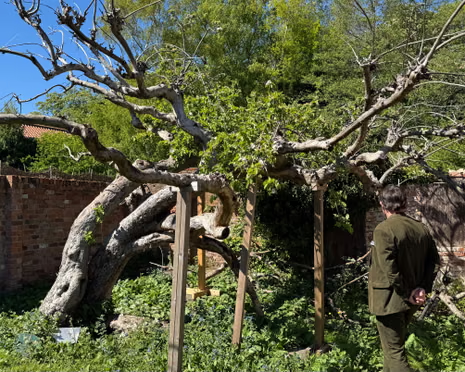
The quiet market town of Southwell in Nottinghamshire holds a living piece of history. A single ancient tree stands within the garden of a modest and charming cottage. This specimen is the genetic mother of every Bramley apple ever grown or eaten. Campaigners have now launched a vital national appeal to secure this iconic tree’s future. The original tree is currently for sale alongside the cottage by Nottingham Trent University. This sale has sparked fears that a national treasure might vanish into private hands. Preservationists believe the site should belong to the public as a dedicated heritage centre.
The story of the Bramley apple began over two centuries ago with a small pip. A young girl named Mary Ann Brailsford planted that pip in the early nineteenth century. She could never have imagined the global impact her small garden project would eventually have. Every Bramley apple tree in existence today is a direct clone of this single plant. The mother tree has been officially recognised as one of Britain’s fifty most important trees. Despite this prestigious status, the ancient apple tree currently possesses no formal legal protection. Campaigners argue that losing such a landmark would be a significant blow to British culture. They are working tirelessly to raise the funds needed to purchase the entire cottage site.
The campaign seeks to raise two hundred and fifty thousand pounds through public crowdfunding. Artist Dan Llywelyn Hall is a leading voice in this movement to save the tree. He has painted the mother tree many times to capture its enduring and rugged beauty. Hall believes that ancient trees should be treated with the same respect as fine art. He notes that the nation spends millions of pounds to keep famous paintings in museums. The artist argues that natural wonders deserve the same level of care and national dignity. Failing to protect this living piece of history would be a true national embarrassment. The tree represents a unique bridge between our modern kitchens and our deep agrarian past.

Several high-profile figures have stepped forward to support the ambitious heritage centre project recently. Musician Cerys Matthews has added her voice to the growing chorus of passionate tree defenders. Celia Stevens is also a key supporter and the great-granddaughter of the famous Henry Merryweather. Merryweather was the visionary horticulturist who first recognised the massive potential of this apple. He encountered the tree in 1876 and eventually began selling its unique and tart fruit. The apple took its name from Matthew Bramley who owned the cottage at that time. Merryweather famously produced successful grafts which allowed the variety to spread across the whole world. The Bramley soon earned the grand nickname of the King of Covent Garden markets.
The Bramley remains the only British cooking apple available to consumers all year round. Its high acidity and light texture make it the perfect choice for traditional apple crumbles. Celia Stevens notes that the tree is an essential part of British culinary history today. The mother tree is now over two hundred and twenty years old and very senior. It has survived numerous environmental threats including a difficult battle with aggressive honey fungus. Remarkably, the ancient tree still produces fruit and sends out vigorous new green shoots. It is extremely rare for an apple tree to remain productive at such an age. The tree continues to blossom beautifully every spring despite some of its branches being dead.
The vision for the heritage centre involves more than just preserving the historic tree. A local business has offered to manage holiday accommodation within the cottage for visiting tourists. This would provide a sustainable income to keep the site open for future generations. International fans of the Bramley apple often travel long distances to see the mother tree. Stevens recalls meeting passionate members of a dedicated Bramley fan club during a trip to Japan. The Japanese apple industry has embraced the Bramley for its unique and sharp cooking qualities. This global connection highlights why the tree is much more than just a local plant. It is a symbol of British horticultural excellence that resonates across many different borders.
The current owners, Nottingham Trent University, have used the cottage as student halls of residence. They have provided physical supports to prop up the heavy branches of the aging tree. However, the university has now decided to put the property on the open market. This decision created an urgent need for the community to act before it was sold. Campaigners believe a heritage centre would offer the public much better access and education. Visitors could learn about the science of grafting and the history of British fruit farming. The site would become a sanctuary for both history buffs and nature lovers alike. It would serve as a reminder of the power of a single planted seed.
The legacy of the mother tree is already being shared through its many direct offspring. Stevens recently attended a special planting ceremony at Anne Hathaway’s cottage in Stratford-upon-Avon. A clone of the mother tree was planted there to celebrate our shared cultural heritage. Fans from Japan even flew over to witness this significant moment in horticultural history. Bramley plantations continue to thrive across the globe for both cooking and cider-making purposes. Very few commercial products remain viable and popular after one hundred and fifty years. The Bramley apple has certainly earned its place in the hearts of the British public. It is a hardy survivor that represents the very best of our natural world.

The campaign emphasizes that we are nothing without the trees that sustain and nourish us. Providing the public with more information about the tree’s history is a primary goal. Education will ensure that future generations appreciate the importance of preserving such ancient living assets. The mother tree stands as a testament to resilience and the simple beauty of nature. Buying the cottage would ensure the tree receives expert care for its remaining years. It would prevent the site from being closed off or altered by private developers. The campaigners are hopeful that the British public will respond generously to their urgent call. Every donation brings the project closer to securing a permanent home for the mother tree.
This effort is a race against time as the property market continues to move quickly. The volunteers involved are working around the clock to spread the word via social media. They believe the story of Mary Ann Brailsford inspires everyone who hears it today. A simple act by a young girl created an industry worth millions of pounds. Protecting her tree is a way of honouring the humble beginnings of a global icon. The Bramley apple is a staple of the British Sunday roast and family gatherings. Its loss would be felt in kitchens and gardens across the entire United Kingdom. The mother tree deserves to spend its final years as a celebrated national treasure.
As the crowdfunding total grows, the dream of a heritage centre feels increasingly within reach. The local community in Southwell is united in its desire to keep the tree. They see it as a living link to their ancestors and a gift to children. The campaign is a shining example of how people can unite for the environment. It proves that we value our green history as much as our historic buildings. The mother tree continues to stand tall and proud in its quiet cottage garden. It waits for the nation to decide its fate in this modern age of change. With enough support, this remarkable tree will continue to blossom for many years to come.
Related News:
 ‘Extinct’ Antelope Returns to Sahara, Bringing Hope
 Norfolk Coastal Graves at Risk as Erosion Deepens Family Anguish
 Eden Project Founder Celebrates 25 Years of Nature’s Hope
 Winter plant bloom signals climate breakdown in UK
 UK Homes May Skip Batteries in New Green Rules
 Avocado Crisis: The Hidden Violence Behind Exports
 Smaller farms funding prioritised in England nature plans
 Storm Goretti leaves Cornwall homes without power
 Wildlife Targets at Risk in England and Northern Ireland
 BP’s Influence Sparks Controversy in UK STEM Education
 Polycrisis Anxiety Leaves Many Feeling Trapped in the Present
 Kent Residents Continue Facing Water Supply Disruptions
 Antarctic Penguins Shift Breeding Season Amid Climate Change
 No Gas Boiler Ban as UK Warm Homes Plan Backs Heat Pumps
 Judi Dench Champions Fight to Save London’s Green Spaces
 Half the World’s Largest Cities Face Rising Water Stress
 Record-Breaking Heat Looms Over South-East Australia as Catastrophic Fire Risk Escalates
 UK joins North Sea wind grid pact with nine European nations
 Devon hosts first high-density hydro power system
 US-Style Pickup Trucks Surge on UK Roads
 Storm Chandra floods Somerset, triggers major incident declaration
 How Sandhill Ashes Rebuilt a Bushfire-Hit Rural Community
 Reform UK Taps Boris Ally to Shape Party Nature Agenda
 James Valentine Retires from ABC After Cancer Battle
 UK Pfas Action Plan Faces Criticism From Environmentalists
 Wigan Dump Crisis Sparks Health and Safety Alarm
 Norway’s Petrol Car Sales Hit Record Low Amid EV Surge
 Fish disco plan could save 90% of fish at Hinkley C
 Santos Wins Landmark Greenwashing Case in Court
 Gentoo Penguins First Birds on Australian Territory Hit by Bird Flu
 Flood risk homes surge across England builds
 Chikungunya Spread in Europe Climbs as Climate Warms
 Deer Shooting England: New Plan to Protect Woods
 Illegal Waste Dumping: New Drone Unit Launched
 Scotland’s Emissions Plans Face Criticism for Over-Reliance on Technology
 Germany Faces Backlash Over Scrapped Renewable Heating Mandate
 Group Expands Legal Claim Over South West Water Pollution
 Scotland’s Climate Plans Face Scrutiny Over ‘Science Fiction’ Targets
 Humans – not Mimmo the dolphin – need managing in Venice lagoon
 Ocean Warming Drives Massive Marine Life Loss, Study Warns
 Ancient Stepwells Revived Amid India’s Deepening Water Crisis
 Tropical Flowers Shift Blooming Due to Climate Crisis
 Greenpeace $345m Ruling Sparks Appeal Battle
 Wood burner legal threats spark council row
 Net Zero Cheaper Than One Fossil Fuel Crisis, UK Told
 Musk’s xAI Permit Sparks Fury Over Power Plant Expansion
 London Considers New SUV Charges to Improve Road Safety
 ‘Drinking from a Fetid Pond’: Superbug Genes in Lough Neagh
 MPs Slam Agency Over Failing Fight Against Waste Dumping
 Middle East Deluge: Freak Storms Bangle Desert Nations
 Trump to Deploy “God Squad” Over Gulf Wildlife Protections
 Evacuations Ordered as California Wildfires Spread Fast
 UK Records Earliest Spring as Nature Awakens Fast
 Queensland Braces for Potential Second Severe Cyclone Hit
 Tragic End to Outback Search as Floods Claim a Life
 UK Fossil Fuel Expansion Risks Global Climate Collapse
 Cyclone Maila Intensifies to Category Five Strength
 Miles Jupp: How the Magic of the Ashes Sparked a Bold Blag
 Britain Must Break Its Long Addiction To Toxic Herbicides
 RSPB Urges Summer Bird Feeder Removal to Curb Disease
 The Toxic Scent Destroying Life in a Lancashire Town
 Britain Facing Sharp Decline in Rare Butterfly Species
 15 Million Oysters Set to Revive UK Marine Ecosystems
 Fuel Prices Drop Despite Geelong Refinery Blaze
 Big Tech Lobbies EU to Hide Massive Datacentre Emissions
 Medellín’s Green Revolution: A Global Climate Blueprint
 Celestial Magic: The Lyrid Meteor Shower Returns
 Ancient Cattle Breed Faces Urgent Risk of Extinction
 Nature Watchdog Accused of Halting Vital Site Protections
 Fury in Cornwall over herbicide plan to tackle weeds
 Broken Promises: Murray-Darling River Crisis Deepens
 Governments Fail Murray-Darling River Projects
 Renewable Energy as a Strategic Shield for UK Security
 Escobar’s Hippos May Be Moved to India Zoo
 Capitalism ‘Suicidal’, Warns Petro at Climate Summit
 UK Firm Faces Backlash Over US Oil Advertising Deals
 UK Firm Faces Backlash Over US Oil Advertising Deals
 The Lion Guard: How One Woman Heals the Zambezi Valley
 Record May Heat to Cold Front in Eastern Australia
 Ukraine strikes Tuapse as oil disaster worsens