Published: 5 May 2026. The English Chronicle Desk. The English Chronicle Online
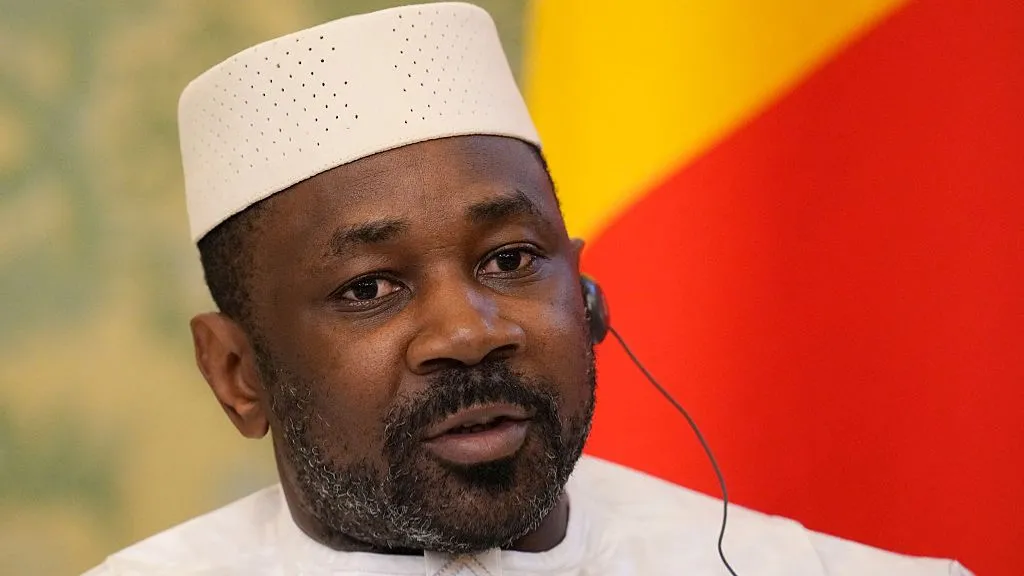
In a move widely interpreted as a high-stakes consolidation of power, Mali’s military leader and transitional president, Gen Assimi Goïta, has officially named himself the country’s Minister of Defence. The announcement, made via a presidential decree on state television on Monday, May 4, follows the death of his predecessor, Gen Sadio Camara, during a sweeping and unprecedented wave of coordinated insurgent attacks that has left the West African nation in a state of “national security emergency.”

The double role places Goïta at the absolute apex of Mali’s political and military architecture as the junta struggles to contain an alliance of jihadists and separatist rebels that has brought the war to the very “doorstep of political power” in Bamako.
The catalyst for the leadership reshuffle was a devastating suicide truck bombing on April 25, targeting the residence of Defence Minister Sadio Camara in the garrison town of Kati, just 15km from the capital.
The Breach: Reports indicate that a vehicle laden with explosives was driven into Camara’s home during a broader offensive. The minister sustained fatal injuries and died in a hospital shortly thereafter.
A “Clinical” Blow: Camara was a central pillar of the 2020 coup and the chief architect of Mali’s pivot toward Russia’s Africa Corps (formerly Wagner) as a primary security partner.
The Deputy Appointment: To manage the dual burden of the presidency and the defence portfolio, Goïta has appointed former armed forces chief of staff Gen Oumar Diarra as Minister Delegate (Deputy Defence Minister).
The killing of the defence minister was part of a “convergent threat” that stunned the nation between April 25 and 27.
The Unlikely Alliance: The al-Qaeda-linked JNIM (Jama’at Nusrat al-Islam wal-Muslimin) and the Tuareg-led Azawad Liberation Front (FLA) launched synchronized attacks across multiple cities and military bases.
The Fall of Kidal: In a massive symbolic blow, the insurgents reportedly recaptured the key northern stronghold of Kidal, a city the junta had triumphantly claimed just last year.
The Bamako Blockade: JNIM fighters have since imposed a tactical blockade around the capital, setting up checkpoints and preventing traffic in an attempt to isolate the seat of government.
As King Charles concludes his Washington visit, the “Hormuz-like” volatility of the Sahel region remains a primary concern for international security analysts.
The Russian Pivot: Despite the junta’s promises to restore security after forcing French and UN forces to leave, fatalities linked to militant groups have reportedly tripled, exposing a significant “accountability rot” in the current security strategy.
The “Dopamine Desert” of Governance: While the junta has relied on nationalist rhetoric to maintain public support, the “clinical silence” of the government during the initial 48 hours of the April attacks has led to a “resilience deficit” among the population.
As the RHS Wisley wisteria blooms in the UK, the contrast with the “smoke and gunfire” in Bamako could not be starker.

Consolidation or Desperation? Analysts suggest that Goïta’s decision to lead the defence ministry personally is a sign that his authority is under direct threat from within the military ranks following the “strategic miscalculations” of the April offensive.
The Road Ahead: With the King’s Speech on May 13 expected to reference “Global Democratic Resilience,” Mali’s transition to an even more centralized military rule marks a milestone of deep uncertainty for the region.
“Justice has no expiry date, but it is currently being written by the victors on the battlefield,” noted one Sahel observer. For Gen Assimi Goïta, the “golden tone” of his 2020 promises has been replaced by the “clinical silence” of a capital under siege, where his dual role now makes him both the sole architect of Mali’s survival and the primary target for its enemies.
Related News:
 Starmer Weighs Fast-Tracking Defence Boost
 Macron Rebuked in Franco-German Defence Row
 Japan Braces as Takaichi Begins New Term with Huge Mandate for Low‑Tax, Ultra‑Conservative Agenda
 Musk Cuts Starlink Access for Russian Forces – Giving Ukraine an Edge at the Front
 Chad Shuts Border With Sudan in Bid to Stop Conflict Spreading
 UK Will Allow US to Use Bases to Strike Iranian Missile Sites, PM Says
 Cooper: Joining US Strikes on Iran ‘Not in Britain’s Interest’
 Trump’s Iran Endgame Unclear After Mixed Messaging on War Aims
 Minister Meets Crews Who Will ‘Take Out’ Iranian Drones
 UK Prepares Aircraft Carrier for Middle East Crisis
 UK–US Tensions Ease as Starmer and Trump Hold First Call Since Iran Row
 “Fire Came From the Sky” — Life on the Brink of Civil War in South Sudan
 RAF Typhoons scrambled amid Russian drone threat near Nato
 Trump orders US troop pullout from Germany
 Trump likens US Navy actions to ‘pirates’
 Fog of War: US Rejects Iranian Claims of Missile Strike on Navy Frigate
 UK Must Act with Courage and Clarity on Israel-Palestine Conflict, Says Foreign Affairs Committee Report
 Radioactive Leak at UK’s Nuclear Warhead Base Sparks Outcry Over Safety and Secrecy
 Mutual Inconvenience: Why Alaska Was Chosen for the Trump-Putin Summit on Ukraine
 Hong Kong Summons UK and Australian Envoys Following Asylum Grants to Democracy Activists
 Is the UK Ready to Put Boots on the Ground in Ukraine? Assessing Military Capacity and Challenges
 Channel Crossings Surge: Over 1,000 People Arrive in the UK in Small Boats in a Single Day
 Widow of Charlie Kirk Forgives Killer at Emotional Memorial Service
 Yvette Cooper Signals Global Momentum Towards Gaza Peace Deal Amid Humanitarian Crisis
 Russia’s Latest Push to Win US Favors Shows Deep Desperation
 BBC to Apologise Over Edited Trump Speech Amid Backlash
 Britain deploys RAF specialists to assist Belgium with drone threats
 Trump Urges Herzog to Grant Netanyahu Full Pardon
 Indian authorities demolish Kashmir home linked to Red Fort blast
 Greene Pushes Epstein Files Amid Trump Fallout
 December Run-Off in Chile as Election Produces No Winner
 Shadow Fleet at Sea: Europe’s Battle Against Illicit Oil Shipping
 India’s COP30 Delay Raises Global Climate Concerns
 Georgians Defy Government Crackdown After Year of Protests
 Albanese Opens Door to Bondi Royal Commission Amid Rising Pressure
 EU weighs response amid Greenland tariff crisis with Trump
 EU Says US Ties Have Suffered ‘Big Blow’ After Greenland Crisis
 Israel Moves to Bar MSF From Gaza Operations
 Australian Families Leave Syrian Camp for Home
 Nine Arrested in France Over Death of Far‑Right Student
 Andrew Arrest Sparks Republic Debate in Australia
 Australian PM Says Former Prince Andrew Has Suffered ‘Extraordinary Fall’ but That Won’t Prompt Republic Referendum
 Farage Chagos Islands Row Sparks Fury
 Ukraine Negotiator Reveals What It Feels Like Facing Russia
 French Minister Moves to Block US Envoy Kushner from Government Access
 American Citizen Killed in Cuba Boat Shooting, U.S. Officials Say
 Iran’s Regime Still Intact — Coming Days Will Test Its Survival
 Herzog Asio meeting sparks security storm
 Finland Plans to Lift Decades‑Old Ban on Hosting Nuclear Weapons
 Nine Days of Strikes Reshape the Middle East
 Trump Pressures Congress Over Save America Act
 Iran War Puts Trump at Political Risk Amid Rising Prices
 After Mugabe: Family Feuds and Legal Battles
 Queensland Protest Laws Spark Free Speech Backlash
 Trump Nato threats expose Iran strategy vacuum
 Trump’s Confidence Undimmed — But Every Iran Option Carries Risk
 Israel Says Iran Security Chief Larijani ‘Killed’
 Trump Facing Backlash from Epstein Survivors Over Files
 UK Forces Ready to Seize Russian Shadow Fleet Vessels
 Trump Considers Military Operation to Seize Iran’s Uranium
 ‘Blue Helmets’ in the Crossfire: Initial Probe Points to Roadside Bomb in Killing of UN Peacekeepers
 Report Says Pezzullo Acted ‘Recklessly’ in Dealings
 Hungary Claims Plot to Target Gas Pipeline Pre-Vote
 Oil and Diplomacy: Russian Refineries Burn as Zelenskyy Secures Middle East Shield
 ‘The Soul of Spain’: Politicians Clash Over Renewed Push to Move Picasso’s Guernica
 The Great Chokehold: Why the Strait of Hormuz is the Epicenter of the 2026 Crisis
 Moldova River Crisis Exposes War’s Hidden Cost
 The Frozen Frontier: Why Frostbite is the Least of Concerns for Canada’s Arctic Forces
 Diplomatic Deadlock: Lebanon Enters High-Stakes Border Talks with ‘No Cards to Play’
 Is Britain Ready? Experts Warn of ‘Bizarre’ Military Delay
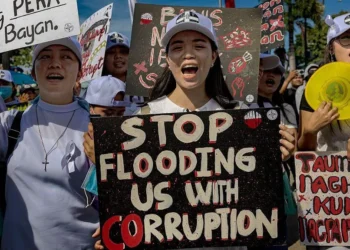 The ‘Big Fish’ Lands: Marcos Confirms Arrest of Key Figure in Flood-Control Scandal
 The Fog of War and the Ticker Tape: Suspicious Trades Rile Washington
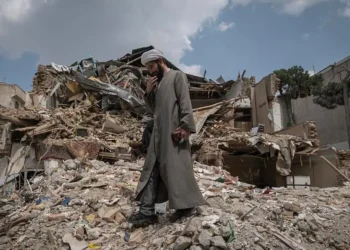 Brinkmanship in Islamabad: Tehran Vows ‘New Battlefield Cards’ as Ceasefire Wanes
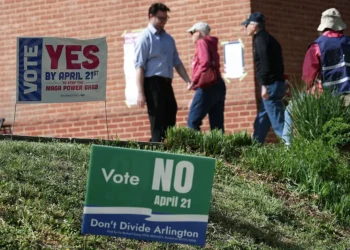 Judicial Whiplash: Virginia Court Pauses Redistricting 24 Hours After Public Vote
 “Industrial-Scale Extraction”: White House Memo Accuses China of Mass AI Theft
 Capitalism ‘Suicidal’, Warns Petro at Climate Summit
 “An Endurance Test for the Mind”: British Couple Sentenced to 10 Years in Tehran
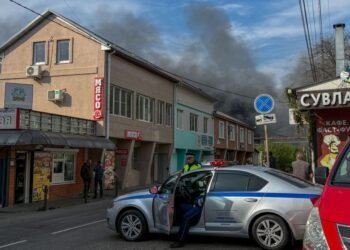 Ukraine strikes Tuapse as oil disaster worsens
 Trump Threatens UN Budget Cuts as US Pushes ‘Trade Over Aid’ Agenda
 “Lotus Blooms in the East”: BJP Scripts History with Landslide Victory in West Bengal