Published: 12 May 2026. The English Chronicle Desk. The English Chronicle Online.
Vladimir Putin suggested that the war in Ukraine may be coming to an end on Saturday. These comments raise the question of why the Russian president might want an end right now. The timing is curious given how the fighting on the ground is currently evolving for Moscow. Russia appears to be losing its battlefield momentum after a period of slow territorial gains. Moscow had been gradually taking Ukrainian territory following the failed counteroffensive of the previous summer. Those Russian attacks were very slow and proved incredibly costly in terms of human lives. They had created a sense that Ukraine was slowly but inevitably losing this long war. However, the strategic situation on the front lines has changed significantly over recent months. Ukraine surprised western experts by recapturing Kupiansk in December despite previous Russian claims of control. An agreement prevented the invaders from using the Starlink satellite internet service during early February. This technological shift helped Ukraine reverse territorial losses in the Zaporizhzhia region quite effectively lately. Russia lost control of forty-five square miles of territory during the month of April alone. This marked the first net loss of territory for Russia since the previous August. A slow-motion victory for Moscow no longer looks certain to any neutral military observer.
Russian casualties may now be exceeding the number of new replacements entering the field. Ukraine says it has killed or wounded more Russian soldiers than are currently being recruited. These figures are hard to verify but Ukraine bases its statistics on recent combat footage. Their military reportedly killed or wounded thirty-five thousand Russian soldiers a month during the spring. Most of these losses were the result of successful and highly accurate drone strikes. Russian recruitment levels have dipped to about one thousand a day during early 2026. This would mean roughly thirty thousand new soldiers are joining the ranks each month now. These figures align with statements from Dmitry Medvedev regarding the total first-quarter recruitment numbers. There is no sign that Putin has the appetite to launch a second public mobilisation. The social unrest caused by the first mobilisation in September 2022 remains a concern. Public opinion in Russia is sensitive to the high cost of this ongoing military conflict. Putin likely fears the political consequences of drafting more men into the current fighting forces. The Kremlin must balance its military needs with the stability of the domestic home front.
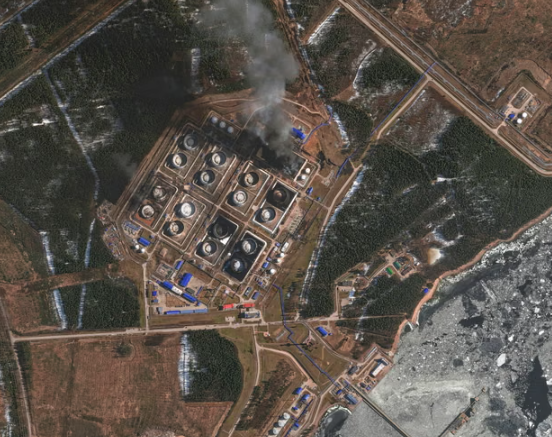
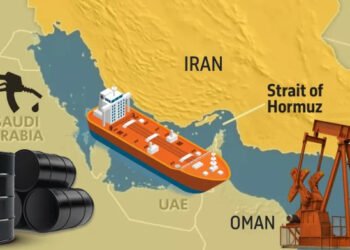
Ukrainian refinery attacks have exposed Russia to a potential fall in global oil prices. The Russian economy was faltering early in 2026 before a sudden hike in prices. This recovery was prompted by the recent attack on Iran led by Donald Trump. Oil export earnings are absolutely critical for the health of the entire Russian treasury. These earnings were nineteen billion dollars in March which was a significant monthly increase lately. However, recent long-range missile and drone attacks have slashed the total Russian export volumes. Ukraine says it bombed fourteen refineries or terminals during the month of April alone. Daily exports fell from five million barrels to about three million according to experts. The higher oil price was enough to offset these falls in Russian exports recently. This situation could rapidly change if the United States and Iran reach an agreement. If the Strait of Hormuz reopens then oil prices will likely tumble very quickly. Russia remains highly vulnerable to any significant downward shift in the global energy market. The Kremlin needs high oil prices to fund its expensive military operations in Ukraine.
Ukraine is rapidly becoming a global superpower in terms of missiles and drones. Kyiv was once heavily reliant on western military equipment and training for its survival. They placed heavy hopes on western fighters and air defence systems to achieve breakthroughs. It eventually became clear that western stockpiles were running short for the Ukrainian military. This prompted Ukraine to invest more in its own technical knowhow and manufacturing equipment. Success has been demonstrated by the deep strikes on critical Russian oil infrastructure projects. These include three drone attacks on a refinery nearly one thousand miles from the front. The arrival of cheap interceptors has given Ukraine fresh hope on the modern battlefield. Ukraine said its interceptors shot down thirty-three thousand drones during the month of March. They have even begun to export this advanced technology to Saudi Arabia and Qatar. These countries were also attacked by Iranian forces during the recent spring conflict. Russia feared Ukraine could target its Red Square victory parade over the past weekend. President Zelenskyy issued a decree saying he would allow the event to proceed safely.
Putin may hope to reignite dormant interest from the current White House administration. Russia has focused its main efforts on the diplomatic front for some time now. Putin hopes he can persuade Trump to force Zelenskyy into giving up territory. He wants Ukraine to cede the rest of Donetsk to compensate for stalling progress. This was the offer that Putin made at the Alaska summit last August. The United States considered the offer but Trump did not force it on Kyiv. There is no sign that the maximalist demands of Russia have eased at all. Peace talks cannot start until Ukraine withdraws from all of the Donetsk region territory. Trump has been distracted by the Iran crisis and other pressing foreign policy issues. Putin may be hoping to re-engage the White House with this fresh language. The Russian president is a master of using rhetoric to manipulate international political opinions. He wants to appear reasonable while maintaining his original goals for the entire region. This new talk of peace might be a strategic move to gain more time. The world is watching closely to see if these words lead to action.
The humanitarian cost of the conflict continues to rise for both sides every day. Millions of people have been displaced from their homes since the full invasion began. Cities across Ukraine have faced relentless bombardment from Russian missiles and heavy artillery units. The international community has provided significant financial and military aid to the Ukrainian government. This support has been vital for keeping the Ukrainian resistance alive against the invaders. Many European nations have also taken in millions of refugees seeking safety from the war. The economic impact of the war is felt far beyond the borders of Ukraine. Food prices have increased globally due to disruptions in grain exports from the region. Energy markets remain volatile as countries try to reduce their reliance on Russian gas. The long-term stability of Europe depends on a just resolution to this violent conflict. Diplomats are working behind the scenes to find a path toward a lasting peace. However, the path to a ceasefire remains blocked by deeply conflicting political objectives. Both sides seem prepared for a long struggle if a deal is not reached.
The use of modern technology has fundamentally changed the nature of this specific war. Drones have become a primary tool for both surveillance and direct combat operations now. Satellite imagery allows commanders to see the battlefield in real time from great distances. Cyber warfare is also playing a significant role in disrupting communications and critical infrastructure. Ukraine has shown remarkable resilience and innovation in the face of a larger power. Their ability to adapt to new threats has surprised many military analysts worldwide. Russia has struggled to modernise its command structure and logistics for this modern era. The heavy losses of tanks and armoured vehicles have forced Russia to adapt. They are now relying more on long-range strikes and massed infantry assaults instead. This shift in tactics has resulted in high casualty rates for the Russian military. The world is learning many lessons from the tactics used on these battlefields. Military doctrine will likely be rewritten based on the events unfolding in eastern Europe. The outcome of this war will shape the future of global security for decades.
Public sentiment in both nations will eventually play a key role in the end. Ukrainians remain determined to defend their sovereignty and reclaim all of their lost land. Their national identity has been strengthened by the shared experience of this brutal war. In Russia, the state controls most of the media to maintain public support. However, the growing number of casualties is becoming harder for the Kremlin to hide. Families are beginning to ask questions about the true cost of the special operation. The economic sanctions imposed by the West are also starting to have an effect. While the Russian economy has not collapsed, it faces long-term stagnation and isolation. Young professionals are leaving the country in search of better opportunities in the West. Putin must consider his legacy and the future of the Russian state carefully. He likely understands that a forever war could eventually lead to domestic instability. His recent comments may be a signal to his own people as well. Whether these signals translate into a genuine peace process remains to be seen. The coming months will be critical for the future of the entire continent.
Related News:
 EU Weakens as Trump Targets Venezuela and Greenland
 Venezuela Oil Deal Opens Tensions with US Control
 US Citizens Warned to Venezuela Flee Amid Paramilitary Threats
 Gulf states warn Trump Iran strikes risk wider Middle East war
 Machado Trump medal gesture reshapes Venezuela power struggle
 Greenland defence seen as shared Nato duty amid troop arrivals
 Gulf states warn Trump Iran strikes risk wider Middle East war
 Trump Receives Machado’s Nobel Medal in White House Meeting
 Iran unrest slows under brutal crackdown and global tensions
 Syria President Declares Victory as Ceasefire Reached with SDF
 US Considers Asylum for British Jews Amid Rising Antisemitism
 Thousands Protest ICE Operations in Nationwide US Day of Action
 Epstein Files Reveal Trump Officials’ Emails with Financier
 Thousands Protest ICE in New York Against Trump Deportation Campaign
 Sydney Protest Pepper Spray Clash During Herzog Visit
 Cuba Kills Exiles in Speedboat Attack from US Waters
 Yvette Cooper: UK Must Follow Principles, Not US Pressure
 Saudi Arabia Urging US to Keep Up Iran Attacks
 Washington Enlists Musk to Battle Global Hostility Online
 Teen Girl Charged After Alleged Melbourne Hate Crime Spree
 Macron Urges Stability as Trump Jolts Nato and Iran
 Trump Address Sparks Global Backlash Over Iran War Tactics
 Macron Rebukes Trump Following Mockery of His Marriage
 Trump Sets Tuesday Deadline for Iran to Reopen Vital Strait
 Tragic End to Outback Search as Floods Claim a Life
 Ben Roberts-Smith Arrested Over Alleged War Crimes
 Trump and Tehran Find Common Ground in Landmark Ceasefire
 Netanyahu Vows Continued Lebanon Strikes Amid Peace Talks
 Trump Predicts Rapid Return to Peace Talks in Pakistan
 Reeves Slams Trump Over Iran War Lack Of Exit Plan
 US and Iran Pursue Extension of Ceasefire via Pakistan
 Pope Leo Calls for Global Unity Following Trump Criticism
 Mexico, Spain and Brazil call for Cuba dialogue amid crisis
 Ukraine Urges UK to Seize Russian Oil Tankers
 US Calls Australia Media Law “Foreign Extortion”
 Oil Prices Surge Above $120 Amid Iran Blockade Fears
 Tragic End to Search for Missing Girl in Alice Springs
 Questions Remain Over The Tragic Bondi Massacre
 Trump orders US troop pullout from Germany
 Activists allege abuse after Gaza flotilla seizure
 Ukraine strikes Tuapse as oil disaster worsens
 Japan Protests Erupt Over Plans to Revise Constitution
 Australia pushes Pacific security pact amid China tension
 Indiana Republicans Defy Trump in Key Vote Test
 Middle East Crisis Escalates as Oil Routes Shake Markets
 FIFA Confirms Global Ban for Benfica Star Prestianni
 New South Wales Wetland Rescue Legislation Passes
 Tensions Emerge in Netanyahu-Trump Alliance
 US and Mexico Face Heatwave as Floods Batter South Africa
 The Long Way Home: Australia’s High-Stakes Virus Mission
 Trump Warns Iran Ceasefire Is Now on Life Support
 Scepticism and tight security as Beijing braces for Trump
 UN Faces Crucial Vote on Landmark ICJ Climate Ruling
 US-Mexico Crisis: Cartel Allegations Push Ties to Brink
 Netanyahu Calls Early Election Amid Coalition Turmoil
 Philippine Senator Flees After Days Under Senate Siege
 Solomon Islands Elects China Critic Matthew Wale as Leader
 Tragedy in the Maldives: Inside the Deep Sea Rescue
 US Ebola Case Sparks Urgent Global Screening Measures
 Xi Hosts Putin in Beijing Days After Landmark Trump Summit
 Fragile Truce Shattered as Violence Escapes Diplomatic Control
 The Hunt for Bato: Inside the Hunt for the Fugitive Senator
 Israeli Strikes in Lebanon Kill 10 Amid Ceasefire Strain
 Zelenskyy warns over Oreshnik threat as Kyiv hit
 Hunger increasingly weaponised in global conflicts
 Discontent grows around Putin amid war strain
 Former ICC prosecutor condemns US sanctions
 Bondi Tragedy Survivors Face Online Abuse After Inquiries
 Japan Suffers Plastic Shortage Due to Middle East Crisis
 Venezuela Opposition Steers Uncharted Path Forward
 Aukus Deal Facing Fierce Backing and Historic Criticism
 Thai Princess Bajrakitiyabha Passes Away at 47
 Sentenced to 30 Years: Former Leader’s Secret Drone Plot
 Kyiv Heritage Blazes After Night of Brutal Russian Strikes
 Iran To Propose New Shipping Fees In Strait Of Hormuz
 Trump’s Iran Legacy Hangs on Tehran Deal
 High Drama in Tehran Over Secret Nuclear Letters
 Houthis Strike Saudi Arabia as Middle East Tensions Rise
 Taliban global ties grow as rights fears mount
 Seoul proposes historic peace talks to replace Korean War armistice