Published: 5 June 2026
The English Chronicle Desk
The English Chronicle Online
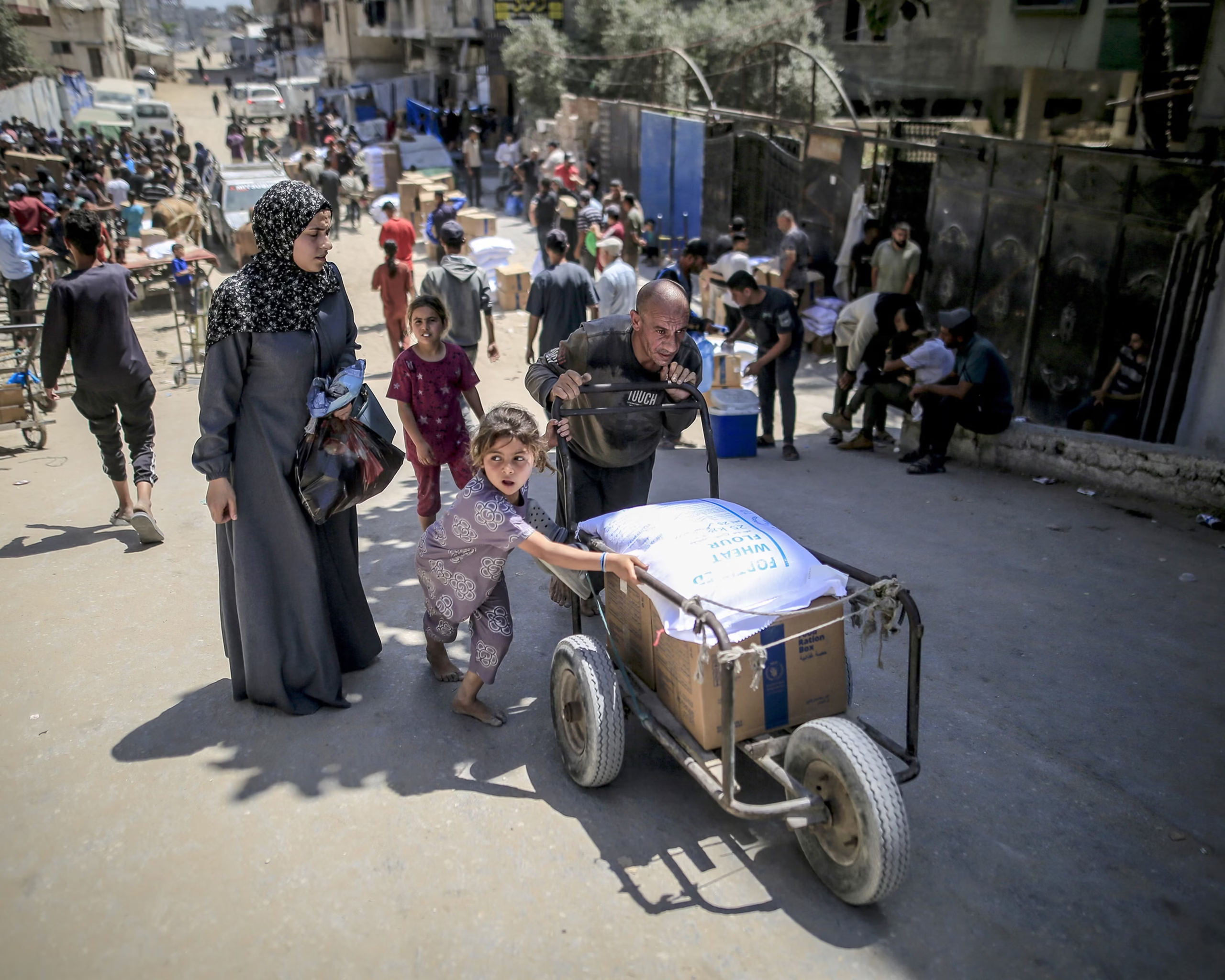
Severe shortages of fuel, engine oil and spare parts are paralysing essential services across Gaza, worsening an already critical humanitarian situation as infrastructure and daily life continue to deteriorate.
Residents and aid organisations say transport systems, electricity generation, medical services and water distribution networks are struggling to function amid dwindling supplies and continuing conflict-related disruption.

Hospitals reportedly face growing difficulty operating ambulances, generators and medical equipment due to fuel shortages and the lack of replacement components for damaged machinery.
Mechanics and transport workers say vehicles essential for delivering food, humanitarian aid and emergency assistance are increasingly breaking down without access to spare parts or lubricants.
Businesses across Gaza have also been severely affected, with factories, shops and agricultural operations unable to maintain production under prolonged energy shortages and damaged infrastructure.
Humanitarian agencies warn that the collapse of logistical systems could deepen food insecurity, limit healthcare access and increase public health risks for civilians already living under extremely difficult conditions.
Power outages remain widespread, forcing many households to rely on temporary generators operating under restricted fuel supplies.
Aid groups say water treatment facilities and sewage systems are also facing mounting pressure, raising fears of sanitation crises and disease outbreaks.
The shortages are linked to ongoing conflict, border restrictions and damage to transport routes, all of which have severely limited the movement of essential goods into the territory.
International organisations continue calling for expanded humanitarian access and protected supply corridors to allow fuel, medical equipment and infrastructure materials to reach civilians.
Economists and regional analysts warn that prolonged disruption of Gaza’s basic services could have long-term social and economic consequences extending beyond the immediate humanitarian emergency.

Residents describe daily life as increasingly unsustainable, with many families struggling to secure electricity, clean water, transport and medical care.
The crisis has intensified international concern over the humanitarian impact of the conflict as diplomatic efforts continue to seek broader regional de-escalation.
Check Out Our Latest News At>>
Related News:
 Israeli Strikes Kill 11 in Gaza City
 Nearly 50 Die of Thirst in Sahara Desert
 Modi’s London Visit Seals Historic UK-India Trade Pact Amid Global Tensions
 CDC Plunged Into Turmoil as Ousted Chief Susan Monarez Refuses to Step Down
 Channel Crossings Surge: Over 1,000 People Arrive in the UK in Small Boats in a Single Day
 Jailed Georgian Opposition Leaders Warn UK of Iranian Links to Ruling Party
 Kosovo agrees to host Britain’s refused asylum seekers
 Rachel Reeves to lead UK trade push in Saudi Arabia amid rights debate
 UK University Faces Counter-Terror Probe Over China Pressure
 Ukraine-Russia war latest: Putin’s troops exploit bad weather to force Kyiv withdrawal from multiple towns
 New review urges UK to repatriate Shamima Begum, others from Syria
 Indian authorities demolish Kashmir home linked to Red Fort blast
 Greene Pushes Epstein Files Amid Trump Fallout
 Canada Passes Carney’s First Budget in Tight Parliamentary Vote
 Venezuela Threatens Nobel Winner Machado with Fugitive Status
 Trump Envoy to Discuss Ukraine Peace at Kremlin
 India’s Labour Law Overhaul Sparks Fierce Debate
 Video shows Israeli troops kill Palestinians after surrender
 AstraZeneca China Investment Signals Strategic Shift Abroad
 Emails Show Epstein Funded Mandelson’s Husband After Jail
 Nine Arrested in France Over Death of Far‑Right Student
 South Korea’s Ex-President Faces Death Penalty in Insurrection Trial
 How Much Could Andrew’s Arrest Hurt the Royal Family?
 New Mexico Reopens Criminal Inquiry into Jeffrey Epstein’s Zorro Ranch
 What Now for Asia After Trump’s Tariffs Were Struck Down?
 American Citizen Killed in Cuba Boat Shooting, U.S. Officials Say
 Istanbul Mayor Faces Corruption Trial Amid Political Storm
 Gulf Oil Shock Sends Global Economic Ripples
 Iran Rejects Ceasefire, Warns Trump With Chilling Message
 US Says 16 Iranian Mine Ships Destroyed in Hormuz
 Point-Blank Gunshot Misses Indian Politician
 Missing Cuba-Bound Aid Ships Spark Urgent Search
 Belarus Leader Gifts Rifle to Kim Jong Un
 Zelensky Looks to Gulf to Protect Him from Putin
 Oil and Diplomacy: Russian Refineries Burn as Zelenskyy Secures Middle East Shield
 “A Perfect Storm”: UK Small Businesses Face Doubling Energy Bills as Iran War Rattles Markets
 ‘I Will Not Abandon Him’: Pauline Hanson Stands by Ben Roberts-Smith After War Crime Charges
 The $100 Billion Peace: Trump’s ‘Grand Bargain’ Ends Iran Conflict at a Staggering Cost
 The Great Chokehold: Why the Strait of Hormuz is the Epicenter of the 2026 Crisis
 Global Commerce Crisis: Cooper Demands Immediate, Toll-Free Access to Hormuz
 The Prediction Prohibition: White House Staff Barred from Betting on Political Markets
 California fireworks blast: murder charges filed in case
 Relief at the Pump: Irish PM Unveils €505m Package to Stem Fuel Crisis
 Policy Stand-Off: Streeting Denies Any ‘System Update’ to Resident Doctor Pay Deal
 Diplomatic Deadlock: Lebanon Enters High-Stakes Border Talks with ‘No Cards to Play’
 Trump Slams UK Ties and Threatens To Rewrite Trade Deal
 The ‘Big Fish’ Lands: Marcos Confirms Arrest of Key Figure in Flood-Control Scandal
 The ‘High-Liquidity’ Heist: Rising Pokémon Card Values Spark Global Crime Spree
 The Shadow of the Ticker: Insider Trading Allegations Cloud Trump’s Economic Agenda
 The Fog of War and the Ticker Tape: Suspicious Trades Rile Washington
 High-Seas Seizure: US Navy Intercepts Iranian Cargo Ship in Gulf of Oman
 ‘Table of Surrender’: Tehran Vows ‘New Cards’ as Islamabad Peace Talks Teeter on Brink
 Brinkmanship in Islamabad: Tehran Vows ‘New Battlefield Cards’ as Ceasefire Wanes
 Resilience and Rupture: Why the Middle East Crisis is Succeeding Where Trade Wars Failed
 Red Lines in Ottawa: PM Carney Insists US “Won’t Dictate Terms” of Trade Review
 “Industrial-Scale Extraction”: White House Memo Accuses China of Mass AI Theft
 NHS Safety Fears as Nurses Cover Doctor Gaps
 Return of the “Skiffs”: Threat Level Raised as Somali Pirates Seize Second Vessel in a Week
 Southeast Asia Turns to Russia Amid Energy Crisis
 US Calls Australia Media Law “Foreign Extortion”
 Capitalism ‘Suicidal’, Warns Petro at Climate Summit
 “The Art of the Withdrawal”: Trump Targets Germany Troops as Iran Row Boils Over
 “Grounded”: Beijing Implements Total Ban on Drone Sales Citing Capital Security
 High Street “Lawlessness”: Council Staff Under Attack from “Link-up” Gangs
 The Coastal Crossroads: Santa Marta Caught at the Heart of the Global Energy Shift
 Cartel crackdown raises fears of fresh violence
 The $126 Spike: Oil Hits Four-Year High as Trump Weighs “Powerful” New Iran Strikes
 Giuliani hospitalised in critical condition
 Trump Threatens UN Budget Cuts as US Pushes ‘Trade Over Aid’ Agenda
 US Court Restores Abortion Pill Access Temporarily
 “Community Shield”: Met Police Deploy Specialist 100-Officer Team to Guard London’s Jewish Postcodes
 Norway Doubles Down on Oil and Gas for Europe Energy Security
 US Awaits Iran Reply on New Ceasefire Proposal
 Hormuz Talks Near Critical Stage
 UK Pushes for New EU Goods Trade Deal
 Gunman Killed After White House Security Shootout
 US House Votes to Curb Trump’s Iran War Powers
 Israel, Lebanon Agree on Fragile Ceasefire Deal
 Zelensky Invites Putin to Direct Peace Talks
 Ex-Wife of Dubai Royal Relative Held in Custody