Published: 06 July 2026. The English Chronicle Desk. The English Chronicle Online.
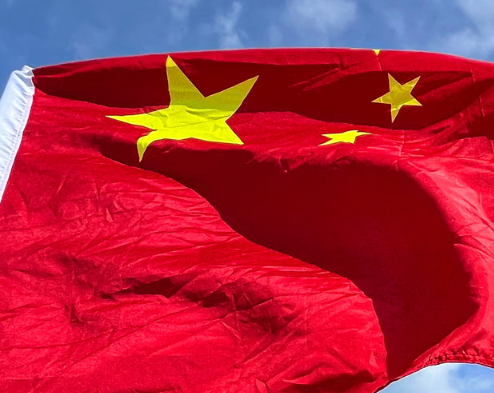
China has conducted a long-range missile test in the South Pacific waters today. This action occurred just hours after Australia signed a major defence agreement with Fiji. The move has quickly sparked significant condemnation from Canberra and other regional leaders. Australian foreign minister Penny Wong described this missile test as destabilising to the region. Her New Zealand counterpart Winston Peters stated the event was also deeply concerning to them. China’s state news agency reported the missile test was a routine arrangement for training. This strategic missile was topped with a dummy warhead and landed in designated high seas. The Chinese military claimed that they had provided prior notification to all the relevant countries. The exact location of the landing site remains unknown to the public at this time. New Zealand officials noted they were informed of the planned launch only hours beforehand today. They also emphasized that the missile was fired into the South Pacific Nuclear Free Zone. This test happened shortly after Australia and Fiji signed a powerful new defence alliance. The pact commits each country to support the other in the event of an attack. This arrangement is known as the Ocean of Peace alliance to improve regional security. The agreement is open for other nations to join in the coming months and years. Australia is working hard to deepen ties and push back against Beijing’s growing regional influence. Senior defence analyst Malcolm Davis believes the timing of this launch is not a coincidence. He stated that China clearly wants to use military force to intimidate small Pacific states.  He argued this pressure aims to stop them from seeking closer relations with the Australian government. Australia’s assistant foreign minister Matt Thistlethwaite claimed there was no official link between the announcements. However, other government sources suggested they believe the two major events were definitely closely linked. The Chinese embassy in Australia did not provide a comment when contacted earlier this afternoon today. Acting Australian prime minister Richard Marles held a press conference to address the situation directly. He noted that China had only informed his government about the test on Monday morning. Reports suggested the missile was a nuclear-capable device launched by a strategic submarine force. Marles said the government is very concerned about any actions that undermine regional peace security. The official report from Xinhua said the missile landed precisely within the planned designated waters. Australian officials have already conveyed their serious concerns to the government in Beijing today. They stated the Australian people deserve to know the true motivations behind this military test. Minister Peters from New Zealand was critical that China acted so quickly after informing them. He reiterated that the Pacific should remain a peaceful ocean for all of its people. The Japanese government also issued a statement regarding the ongoing military activity in the region. They claimed they had tried to convince China not to fire the test missile earlier. Tokyo expressed serious concerns over the increasing pace of China’s military activity in Asia. Foreign Minister Penny Wong said she would leave it to China to explain its own intent. She confirmed that Australia had been aware of a Chinese task group nearby for weeks. Wong stated from Fiji that the government regarded the missile test as essentially very destabilising. She argued this proposed test happens in the context of a rapid Chinese military build-up. Australia demands more transparency and reassurance regarding these activities to keep the region very safe. Pacific Island Forum leaders have been clear that they want a secure and peaceful ocean. The current test appears to be inconsistent with that important regional objective for all nations. Wong did not confirm if Australia was aware of the specific potential nuclear warhead capability. She stated that the government was told the test would occur within twenty-four hours. Data from ship-tracking companies showed three Chinese vessels positioned throughout the vast Pacific region today. Two of these vessels left China in June and are near the Federated States of Micronesia. A third vessel is currently docked in the harbour of Fiji’s capital city, Suva, now. These ships carry large satellite dishes used to track missile launches and other space activities. Analysts suggest these vessels are there to collect data from this specific missile test event. They noted that the ships have likely been planned for this mission for some time. The timing of the notification remains a point of deep interest for international security experts. Beijing continues to expand its military reach across the Pacific despite growing concerns from neighbours. This test marks a rare and significant demonstration of China’s increasing long-range military strike capabilities. Canberra and its partners will likely continue to monitor the situation with great caution tomorrow. The regional landscape is shifting rapidly as major powers compete for influence in these islands. Future security dialogues will likely focus heavily on maintaining stability in the coming months ahead. The international community is watching how these diplomatic tensions will develop during the next week. Officials in Washington are also expected to weigh in on these recent regional security developments. Global leaders remain hopeful that communication lines will stay open to prevent any further escalation.
  Stability in the South Pacific remains a critical priority for all nations in the region. This incident serves as a stark reminder of the fragile balance of power today. Experts warn that miscalculations could have severe consequences for the future of Pacific maritime security. The world awaits further information on the specific nature and intent of this test launch. Diplomacy will remain the primary tool for managing these complex and evolving strategic geopolitical challenges. The Pacific nations continue to call for restraint and respect for international rules and norms. Protecting the peace remains the ultimate goal for the diverse people of the Pacific region. Whether China will offer more transparency in the future remains a very open question today. The coming weeks will likely see significant diplomatic activity regarding these ongoing military test events. All eyes are now on the responses from major capitals across the global Pacific stage. Everyone hopes that wisdom and moderation will prevail in these delicate regional security matters. We will continue to follow this story as more details emerge from the involved governments.
Related News:
 Silence and Unity Mark Bondi Terror Attack Memorial
 Sydney Businessman Falsely Claimed Security Advice Came From Kevin Rudd
 Anthony Albanese Must Uphold Rights for All Australians
 Victorian Liberals Face New Crisis Over Candidate Ethics
 Sam Konstas Dropped as Australia Unveils New Contract List
 Tony Abbott Returns as New Liberal Party President
 Tony Abbott Returns as New Liberal Party President
 Global Tech Giants Face Off Against Australia Over Media Levies
 Breakthrough in Hunt for Sovereign Citizen Accomplices
 A State in Turmoil: Aussie MP Denies Assault Allegation
 Liberal Turmoil Threatens Victorian Election Hopes
 British skier killed in La Plagne avalanche tragedy
 PM pushes urgent hate speech and gun laws after Bondi terror attack
 Mandelson apologises over Epstein ties after public scrutiny
 Friedman Uninvited From 2024 Adelaide Writers’ Week
 Bondi memorial flowers preserved in lasting tribute artwork
 Starmer Challenges US Over Controversial Greenland Deal
 Spoof “Make America Go Away” Caps Rally Denmark Over Greenland
 India-EU Free Trade Deal Marks Historic Economic Shift
 Concerns rise for Canberra boy amid Iran detention fears
 ‘It’s a horrible feeling’: Loma Bropho’s Struggle to Secure Housing
 New Zealand Covid Response Praised Despite Lingering Scars
 Family of Alleged Bondi Gunman Seeks Name Suppression
 African World Cup Fans Face $15,000 Entry Bond Fee
 Diplomacy on the Brink: Pakistan’s Risky Peace Mission
 Teenage Titan: Sooryavanshi Smashes IPL Records
 Big Tech Faces Investigation Over Australia’s Social Media Ban
 Farage Shuns Truss as US Right-Wing Roadshow Hits London
 Canadian Mother and Daughter Released From ICE Detention
 The Price of Hubris: Trump, Netanyahu, and the ‘Easy’ War
 Reform UK Pledges To Halt Visas Over Reparations Demands
 US and Iran Agree to Two-Week Provisional Ceasefire
 Trump and Tehran Find Common Ground in Landmark Ceasefire
 Israel Defies Ceasefire as Lebanon Operations Persist
 Pakistan Brokers Historic Peace Deal Amid Rising Tensions
 Islamabad Hosts Historic Peace Talks Between Iran and USA
 Trump Signals Hope for New Iran Talks as Ceasefire Fades
 Kyiv and Odesa Mourn After Deadly Wave of Russian Strikes
 Security Alert Near Israeli Embassy as Police Investigate
 Machado Rallies in Madrid as Venezuela Stays Frozen Out
 Labor Reforms NDIS Amidst Mounting Budget Concerns
 US-Iran Standoff: Will Trump Deploy Ground Troops?
 Investigation Into Anti-Trump Motives After Gala Shooting
 Oil Prices Surge Above $120 Amid Iran Blockade Fears
 Trump orders US troop pullout from Germany
 Japan Protests Erupt Over Plans to Revise Constitution
 High Stakes in Beijing as Trump and Xi Meet Amid Global Turmoil
 Fear and Betrayal: The Chilling Case of Kouri Richins
 Australia Joins UK-Led Mission to Reopen Vital Strait
 Trump and Xi Convene in Beijing for Historic High-Stakes Summit
 Scepticism and tight security as Beijing braces for Trump
 Australia Bans Neo-Nazi Group Under Tough New Hate Laws
 Rubles and Resilience: How Russia-China Border Towns Thrive
 Trump Turns to Middle East Allies as Iran Peace Eludes
 Aussie Race Row: Coalition Accused of Scapegoating
 Trump Pledges 5,000 Troops for Poland in U-Turn
 Cannes filmmakers split over AI’s role in cinema
 Teaching Machines Right From Wrong in the Digital Age
 Washington Brokerage Sparking Hope Amid Regional Firestorms
 US Condemns ‘Two-Tier’ UK Policing After Student Murder
 EU Leadership Gathers in Tivat to Renew Balkan Ties
 Trump Appeals for Middle East Calm but Conflict Escalates
 Millions in British Charity Funds Linked to Illegal Settlements
 Captain in the Spotlight: The Future of England Cricket
 Strike on Iranian Water Infrastructure Sparks War Crime Concerns
 US Trafficking Arrest Exposes Shocking Exploitation
 Trump Urged to Condemn UFC Fighter Over Obama Slurs
 Trump Signs Landmark Iran Accord in Versailles
 Gas Prices Fall Below $4 Following US-Iran Peace Deal
 Grief and Devotion Amidst the Rubble of Nabatieh
 US Military Pacific Boat Strike Kills Three People
 Canada Secure Historic Last 16 Spot with Late Goal
 Keiko Fujimori Claims Dramatic Victory in Peru Runoff
 EU Slashes Steel Quotas But Grants UK Favourable Rates
 Trump’s Mount Rushmore Speech: A Divisive Anniversary
 Trump Swaps Planes Amid Iran Tensions
 Rotterdam Museum Honours Artist With Peanut Butter Floor
 Bangkok Nightclub Blaze Claims 30 Lives Amid Negligence Probe
 Yemen Accuses Iran of Violating National Sovereignty
 Houthis Strike Saudi Arabia as Middle East Tensions Rise