Published: 6 July 2026 | The English Chronicle Desk | The English Chronicle Online
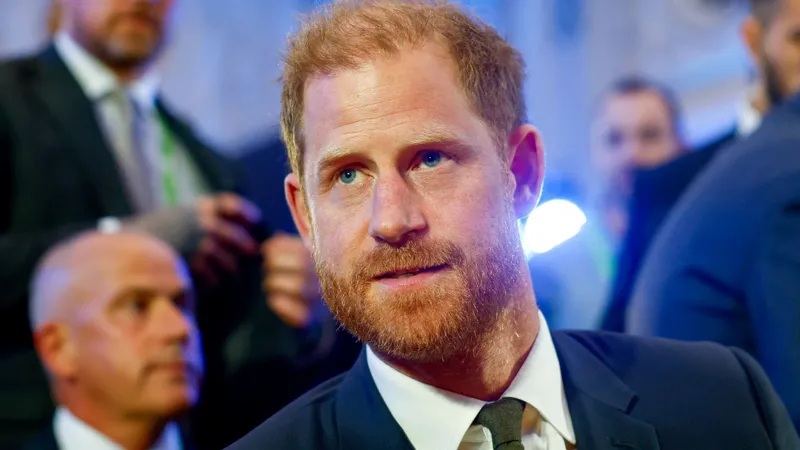
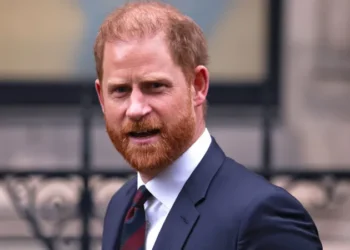
Buckingham Palace has confirmed that Prince Harry will not be staying at any royal residence during his latest visit to the United Kingdom, ending days of speculation over whether the Duke of Sussex would be accommodated at a royal palace while carrying out engagements in Britain.
The announcement comes amid continuing public interest in Prince Harry’s relationship with the Royal Family following his decision to step back from royal duties in 2020 and relocate to the United States with his wife, Meghan, Duchess of Sussex. While the Palace’s confirmation concerns only accommodation arrangements, the decision has once again drawn attention to the evolving relationship between the Duke and the institution he once represented as a senior working royal.
According to Buckingham Palace, no arrangements have been made for Prince Harry to stay at any royal residence during his visit.
Although the Palace did not elaborate on the reasons behind the decision, officials confirmed that the Duke would be making his own accommodation arrangements independently.
The statement follows widespread media speculation regarding whether Harry might stay at Buckingham Palace, St James’s Palace or another royal property while in London.

The Duke’s accommodation has become a recurring subject of public discussion since he and Meghan relinquished Frogmore Cottage in Windsor, the residence that had previously served as their official UK home.
The property was originally gifted to the couple by the late Queen Elizabeth II following their marriage in 2018.
However, after the couple stepped back from official royal duties and established their permanent residence in California, Frogmore Cottage was later returned to the Crown Estate, leaving Prince Harry without an official royal residence in Britain.
Since then, whenever Harry has travelled to the UK for legal proceedings, charitable commitments or family occasions, questions have frequently arisen regarding where he would stay.
The latest visit is no exception.
Although Buckingham Palace has confirmed that no royal accommodation will be provided, the Duke remains expected to fulfil his planned commitments while in the country.
Royal observers note that accommodation arrangements should not necessarily be interpreted as a definitive reflection of family relationships.
Security, scheduling, logistics and operational considerations often influence decisions concerning royal residences.
Nevertheless, the announcement has inevitably prompted renewed discussion because of the highly publicised tensions that have existed within the Royal Family in recent years.
Relations between Prince Harry and several senior members of the Royal Family have remained under close public scrutiny since the publication of his memoir Spare and a series of television interviews discussing his experiences within the monarchy.
The book contained numerous personal accounts concerning his upbringing, military service and relationships with members of the Royal Family.
Its publication generated extensive media coverage both in the United Kingdom and internationally, with reactions ranging from sympathy to criticism.
Despite these differences, Prince Harry has repeatedly stated that he wishes to repair relationships with members of his family while continuing to advocate for issues he considers important.
Among his principal concerns has been personal security during visits to Britain.
The Duke has pursued legal action relating to decisions affecting his publicly funded police protection after stepping back from royal duties.
He has consistently argued that adequate security arrangements are essential to allow him and his family to visit the United Kingdom safely.
Those legal proceedings have become an important aspect of his ongoing relationship with the British authorities.
Supporters of Prince Harry argue that his position remains unique because of his military background, international profile and continued public prominence.
Critics, however, maintain that security arrangements should reflect his current status as a non-working member of the Royal Family.
The issue has generated considerable legal and constitutional discussion over recent years.
Buckingham Palace has generally declined to comment publicly on matters involving the Duke’s legal cases, instead limiting statements to official matters directly concerning the monarchy.
The latest accommodation confirmation follows that longstanding approach by addressing only practical arrangements rather than broader family relationships.
Royal historians observe that the British monarchy has undergone significant change during the reign of King Charles III.
The institution continues adapting to modern expectations while balancing longstanding traditions with evolving public responsibilities.
Within that context, Prince Harry’s position remains distinctive.
Although he retains his royal title as Duke of Sussex, he no longer undertakes official engagements on behalf of the Crown and instead pursues independent charitable, commercial and media projects.
Public fascination with Harry’s visits to Britain reflects his continuing prominence within both the Royal Family and international public life.
Every appearance generates substantial media attention, particularly when it coincides with legal proceedings, charitable events or significant royal occasions.
Accommodation decisions, though ordinarily routine administrative matters, have consequently become subjects of wider public interest.
Royal commentators caution against reading excessive significance into practical logistical arrangements.
Members of the Royal Family frequently stay in different locations depending on official schedules, security considerations and personal preferences.
However, because Prince Harry no longer has access to a permanent royal residence, each visit inevitably raises questions regarding where he will be based.
The Palace’s confirmation effectively settles those questions for the current trip while avoiding speculation over private arrangements.
Neither Buckingham Palace nor representatives for the Duke have disclosed the location where he intends to stay.
Maintaining privacy regarding accommodation is generally regarded as standard practice, particularly where security considerations are involved.
The visit itself remains focused on previously announced engagements rather than residential arrangements.
Nevertheless, interest surrounding the Duke’s relationship with the Royal Family continues to ensure that even routine administrative announcements attract widespread public attention.
Since relocating to the United States, Prince Harry has maintained an active international profile through charitable initiatives, veterans’ organisations and mental health advocacy.

The Invictus Games, which he founded in 2014 for wounded, injured and sick military personnel and veterans, remain one of his most prominent charitable achievements.
He has also continued campaigning on issues including environmental sustainability, digital safety and psychological wellbeing.
As his latest UK visit unfolds, Buckingham Palace’s confirmation that he will not stay at a royal residence represents another chapter in the evolving relationship between Prince Harry and the institution he once served as a senior working royal.
While the announcement concerns accommodation rather than constitutional matters, it underscores how even practical arrangements involving the Duke continue to generate significant public and media interest.
For now, Prince Harry’s visit proceeds independently of the royal household, reflecting the distinct path he has followed since stepping away from frontline royal life more than six years ago.
Related News:
 Andrew Mountbatten-Windsor’s New Home Dispute as Vans Seen at Sandringham
 Andrew Accused Over Royal Lodge Cottage Rentals
 Watchdog Raises Questions Over Andrew Rentals
 Prince Andrew Faces Questions Over Cottage Lets
 Prince George Set to Begin Studies at Eton This September
 ‘Just Push Us Into the Sea’: The Frustration of an Area Failed by Politics
 Last‑ditch Call to Save Police Front Counters in London
 Britain’s Special Needs Spending Crisis Will Be Labour’s Ruin
 Fury as Jobless-Migrant Households Receive Benefits Worth £10bn – ‘We Need to End This’
 Schools in England to Get Budget for Children with Special Needs as Part of SEND Overhaul
 MPs Back Move to Release Files on Andrew’s Appointment as Trade Envoy
 Why Independence Is Still a Political Dividing Line in Scotland
 Muslim Group Wants Mosques to Be Used as Polling Stations Ahead of UK Elections
 Manchester Students Mourn Ayatollah Amid Protest
 Labour Faces Backlash Over Conscription Warning
 Sarah Ferguson Loses Another £1.5m Amid Financial Struggles
 SNP Health Secretary Criticised Over NHS Failures Locally
 Scotland Combines Alcohol and Drug Strategy to Cut Addiction Deaths
 King Charles Strips MBE and OBE Titles from Nine People Including Stuart Hogg
 Eugenie ‘Falls on Sword’ as Andrew and Sarah Ferguson Criticised
 Jobless Man on £15k Benefits Accused of Hurling Abuse at Anti-Migrant Demo
 ‘Teenage Me Could Not Have Imagined This’ Says First Female Archbishop
 Holyrood Campaign ‘In Meltdown’ as Fifth Reform UK Candidate Quits
 US Lawmaker Demands Testimony Over Sarah Ferguson’s ‘Close Epstein Ties’
 The Last of the Lords: Two Hereditary Peers to Retain Ceremonial Roles Amid Historic Ousting
 ‘My Daughter is Under the Rubble’: The Human Cost of the Tehran Strikes
 ‘No Surprise’: Ramaphosa Downplays South Africa’s Exclusion from Emergency G7 Summit
 Market Shockwave: Oil Surges Past $115 as Iran War Enters Fifth Week
 ‘Eye in the Sky’ Blinded: Photos Reveal Destroyed US Radar Jet at Saudi Base
 ‘Full and Immediate Access’: Netanyahu Reverses Palm Sunday Ban on Latin Patriarch
 The ‘Squeezed Middle’: India’s Educated Class Faces a 2026 Financial Triage
 Power Grab: Myanmar Junta Chief Min Aung Hlaing Nominated as President
 How the King Became the Jewish Community’s Greatest Ally
 No, the RNLI is Not a ‘Taxi Service’ for Migrants – I Would Know
 Can King Charles Calm Trump on Key US Visit?
 ‘Locked Away’: Calls Grow for Automatic Release of Child Trust Funds at 21
 ‘Seismic Change’: How Nationalist Wins in Celtic Nations Could Reshape the UK
 The Sofa Sanctuary: Llantwit Major Family Living in ‘Disgusting’ Rat Infestation
 Harry and Meghan’s Australia Visit Sparks Debate
 Kezia Dugdale Warns of Possible Reversal of Equal Rights Gains
 MoD Has Lost Track of Veteran Recall List, Says Adviser
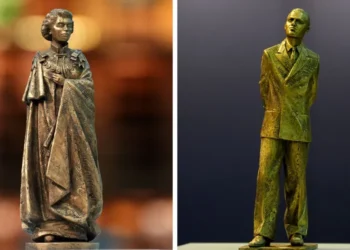 ‘Much May Have Troubled Her Deeply’: King Charles Honours Late Queen on Her Centenary
 ‘Crystal Clear Answers’: O’Neill Demands Truth Over Claims Former Police Ombudsman Failed Vetting
 “Jobs Will Go”: Rishi Sunak Warns AI is Already Eroding Entry-Level Opportunities
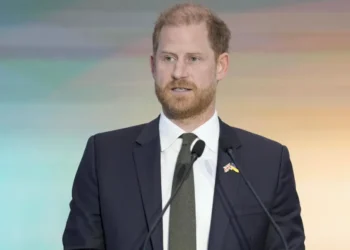 “I Speak for the UK”: Trump Bristles at Prince Harry’s Ukraine Plea
 NHS Safety Fears as Nurses Cover Doctor Gaps
 Charles Faces Trump Test in High-Stakes US Visit
 Reform UK funding: mystery billionaire revealed
 A Nation in Flux: UK Healthy Life Expectancy Plummets to Record Lows
 “We Are Shielding Them”: UK Families Face £11 Billion Hit as Iran War Bills Surge
 “Don’t Ignore Us”: Bereaved Families Demand Urgent Summit as PM Meets Tech Giants
 Breaking the “Glass Turnstile”: Bradford City Leads Charge for Greater Gender Diversity
 “A Pint-Sized Crisis”: Publicans Warn of Industry ‘Carnage’ as Energy and Tax Hikes Loom
 The “Charles Charm” Offensive: Did the Royals Find Their Mojo in D.C.?
 John Terry Faces Backlash Over Political Posts
 “Horrified and Heartbroken”: Mother of Golders Green Victim Speaks Out After Terror Attack
 The “Squandered” Landslide: Starmer Defends Record as Badenoch Slashes at Labour’s “Process”
 Reality Check on Reform: Minister Says Outright Abolition of Leasehold “Impossible”
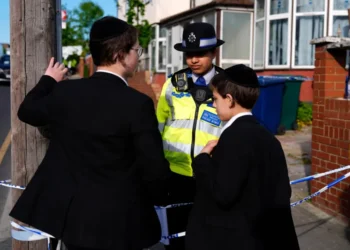 A “Breaking Point” for Britain: Terror Adviser Warns Antisemitism is Now a National Security Emergency
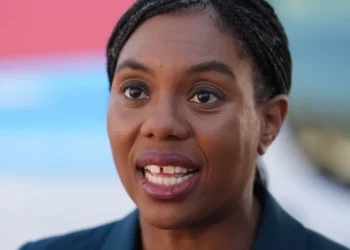 Under the Microscope: Kemi Badenoch Faces BBC Local Radio “Grilling” Ahead of May 7
 Beyond Helen’s Law: Grieving Mother to Meet Minister Over “Chantel’s Law” Campaign
 The “Dry” Life: Teens Trialing Social Media Bans Call Initial Disconnection “Boring” and “Dry”
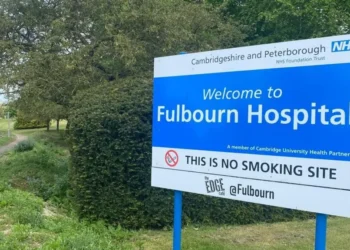 Understaffed and Overstretched: CQC Downgrades CAMHS Wards as “Requires Improvement”
 “Invisible Agony”: 98-Year-Old Woman Left in “Severe Pain” for Days Amidst Care Backlog
 The “Time Tax” of Memory: Why Dementia Care is the Ultimate Test of UK Resilience
 The “Dementia Deficit”: Why 2026 is the Breaking Point for UK Social Care
 “Not a Game Show”: Sir John Major Slams the “Projected Career” Culture of Modern No. 10
 UK may ban protests amid rising antisemitism fears
 Labour Members Turn Against Starmer Leadership
 Farage and Reform UK Reshape British Politics
 Starmer Leadership Under Pressure After Setbacks
 Burnham Signals Interest in Labour Leadership
 Royal Navy Mourns Devastating Helicopter Loss
 Southampton Recovers After Night of Violence
 Two Major Torridge Projects Approved
 Who Is NHS Nurse Harriet Sperling, the Newest Royal Connection?
 The 50-Mile Bus Journey to a Doctor Just Four Miles Away
 Harriet Sperling: The NHS Nurse Drawn Into the Royal Spotlight
 UK Nations Brace for Potential Breakup Amid Reform Surge
 Prince Harry Returns to UK as Court Delivers Key Verdict