Published: 7 July 2026 | The English Chronicle Desk | The English Chronicle Online
As the United States approaches the 250th anniversary of its founding, President Donald Trump has presented a renewed interpretation of American expansionism, reviving debates over the country’s territorial ambitions, global influence and the meaning of national power.
Trump’s approach draws on a long history of American expansion, from westward territorial growth in the 19th century to the country’s emergence as a global superpower in the 20th century. However, his modern interpretation places greater emphasis on economic strength, strategic influence and securing what he describes as America’s interests in an increasingly competitive world.
The discussion has sparked debate among historians, political analysts and international observers, with supporters describing the approach as a return to confidence and national ambition, while critics warn that it risks reviving ideas of dominance and expansion that belong to earlier eras.

For much of American history, expansion has been a defining feature of the nation’s identity.
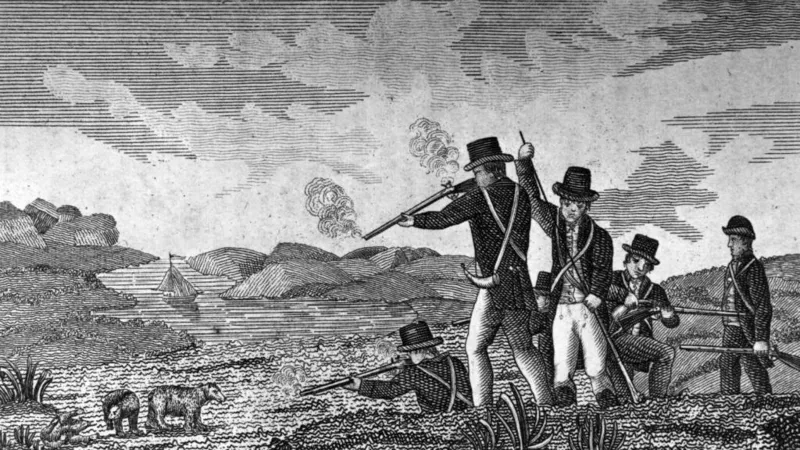
After gaining independence in 1776, the United States gradually expanded across the North American continent through territorial acquisitions, political agreements and military conflicts.
The concept of “Manifest Destiny” became one of the most influential ideas of the 19th century, suggesting that American expansion across the continent was both inevitable and justified.
The United States acquired vast territories through events such as the Louisiana Purchase in 1803, which doubled the country’s size, and later expanded westward toward the Pacific Ocean.
Supporters at the time viewed expansion as a symbol of progress and opportunity.
However, historians have also highlighted the consequences of this expansion, including conflicts with Indigenous peoples, displacement of native communities and tensions surrounding slavery in newly acquired territories.
The legacy of American expansion therefore remains complex, combining themes of ambition and development with questions about power and justice.
In the modern era, expansion has largely shifted from territorial acquisition to global influence.
Following the Second World War, the United States became one of the world’s dominant economic and military powers.
Rather than expanding through annexation, American influence grew through alliances, trade networks, international institutions and overseas military presence.
Trump’s approach reflects a different interpretation of this history.
Rather than focusing only on traditional diplomacy, he has frequently emphasised economic leverage, strategic competition and strengthening America’s position in global affairs.
His supporters argue that previous administrations allowed American influence to weaken by prioritising international cooperation over national advantage.
They believe Trump’s policies represent an effort to restore confidence and ensure that the United States receives greater benefits from its global role.
Critics argue that the approach risks undermining international partnerships and creating tensions with allies and competitors.
They warn that viewing international relations primarily through competition could weaken cooperation on issues such as climate change, security and economic stability.
One of the most significant aspects of Trump’s modern expansionist outlook is his emphasis on economic power.
Rather than acquiring new territory, the administration has focused on trade policy, industrial growth, energy independence and protecting American industries.
Trump has argued that economic strength is central to national security and that the United States must maintain dominance in key sectors, including technology, manufacturing and defence.
This represents a shift from historical expansion through land acquisition toward influence through markets, resources and innovation.
The rise of China has also shaped the modern debate over American power.
Washington and Beijing have increasingly competed over technology, trade, military influence and global leadership.
Trump’s supporters argue that a stronger, more assertive American strategy is necessary to compete with rival powers.
Opponents believe confrontation could increase instability and that cooperation remains essential in an interconnected world.
The 250th anniversary of American independence has provided a symbolic moment for discussions about the country’s future direction.
For many Americans, the anniversary represents an opportunity to reflect on national achievements, democratic traditions and the country’s role in the world.
For others, it is also a chance to examine unresolved questions about historical expansion, inequality and the consequences of past policies.
Trump’s interpretation places emphasis on strength, sovereignty and national pride.
He has often argued that the United States should prioritise its own interests and avoid policies that place international commitments above domestic concerns.
This “America First” approach has become one of the defining themes of his political identity.
Supporters see it as a rejection of policies they believe weakened American influence.
They argue that a powerful United States benefits both its citizens and global stability.
Critics, however, say the approach can encourage isolationism or strain relationships with allies that have supported American security interests for decades.
The debate over expansionism also extends to questions about America’s role beyond its borders.
The United States maintains military bases around the world and plays a major role in international security agreements.
Some analysts argue that maintaining global influence requires continued engagement.
Others believe the country should reduce overseas commitments and focus more heavily on domestic challenges.
Trump’s perspective reflects a broader transformation in how nations compete in the 21st century.
Traditional territorial expansion is now rare among major powers, but competition over technology, resources, trade routes and political influence has intensified.
Modern power is increasingly measured by economic capability, technological leadership and diplomatic reach.
In this environment, expansion does not necessarily mean acquiring land.
It can involve shaping global systems, controlling strategic industries and influencing international decisions.
The debate surrounding Trump’s vision therefore reflects a larger question about the future of American power.
Should the United States continue acting as a global leader through alliances and international institutions, or should it pursue a more aggressive strategy focused primarily on national advantage?

The answer remains deeply contested.
As America marks 250 years since independence, the country continues to negotiate its relationship with its own history.
The expansion that created the modern United States remains both a source of national pride and a subject of historical debate.
Trump’s interpretation brings these questions back into public discussion by presenting expansion not as a historical chapter but as an ongoing idea connected to economic strength, political influence and national ambition.
Whether viewed as a revival of American confidence or a return to outdated concepts of dominance, his approach has ensured that debates over expansionism remain central to conversations about the nation’s future.
Related News:
 Trump Administration Probe of Fed’s Powell Draws Pushback
 Iran Rejects Ceasefire, Warns Trump With Chilling Message
 Trump Faces New Warning Signs as Iran War Hits Home
 The Horns of Dilemma: Why the 2026 Iran War Ignited and Where It Goes Next
 Tectonic Tension: Trump Blasts NATO Costs as Rutte Admits to ‘Very Frank’ Exchange
 Midnight Fire: Israel and Hezbollah Exchange Strikes as Trump Lashes Out at Tehran
 Trump approval plunges amid Iran war fears
 Trump Threatens UN Budget Cuts as US Pushes ‘Trade Over Aid’ Agenda
 US Awaits Iran Reply on New Ceasefire Proposal
 Hormuz Talks Near Critical Stage
 Why Some African Nations Are Rejecting Trump Aid
 Modi’s London Visit Seals Historic UK-India Trade Pact Amid Global Tensions
 Canada Passes Carney’s First Budget in Tight Parliamentary Vote
 India’s Labour Law Overhaul Sparks Fierce Debate
 Russia losses Ukraine war peace talks intensify amid rising deaths
 Trump Escalates Minnesota Immigration Surge Amid Rising Tensions
 Trump Threatens Strong Action If Iran Executes Protesters
 Trump Receives Machado’s Nobel Medal in White House Meeting
 EU Says US Ties Have Suffered ‘Big Blow’ After Greenland Crisis
 Trump Praises ‘Terrific’ Petro After White House Talks
 Fears of New Arms Race as US-Russia Nuclear Weapons Treaty Expires
 ‘He Did It for Us’: US Soldier Recalls Jesse Jackson’s Efforts to Free Him and Two Other POWs
 Stephen Colbert Says CBS Spiked Interview With Democrat Over FCC Fears
 US Urges Iran to Make Deal as Military Presence Rises
 Sanders Condemns Billionaire ‘Greed’ in California Tax Debate
 US Will Not Back Out of Tariff Deals with UK and Others, Says Trump Trade Representative
 Bill Gates ‘Took Responsibility’ Over Epstein Ties in Staff Meeting, Foundation Says
 American Citizen Killed in Cuba Boat Shooting, U.S. Officials Say
 Hopes and Fears as US Iranians Take to Streets After Toppling of Supreme Leader
 Iran, the US, and a World Cup That Starts in Three Months
 Trump Faces Questions Over Iran Conflict Plan
 US Senate Backs Trump War Powers Amid Iran Missile Barrage
 US Senate Vote Fails to Rein in Trump War Powers on Iran
 UK Prepares Aircraft Carrier for Middle East Crisis
 Pete Hegseth Iran War Remarks Spark Alarm
 Iran War Puts Trump at Political Risk Amid Rising Prices
 Gulf Oil Shock Sends Global Economic Ripples
 US Says 16 Iranian Mine Ships Destroyed in Hormuz
 Trump’s Confidence Undimmed — But Every Iran Option Carries Risk
 Can Congress Stop US Sports Teams From Moving Cities?
 Oil and Diplomacy: Russian Refineries Burn as Zelenskyy Secures Middle East Shield
 “A Perfect Storm”: UK Small Businesses Face Doubling Energy Bills as Iran War Rattles Markets
 The $100 Billion Peace: Trump’s ‘Grand Bargain’ Ends Iran Conflict at a Staggering Cost
 The Great Chokehold: Why the Strait of Hormuz is the Epicenter of the 2026 Crisis
 Global Commerce Crisis: Cooper Demands Immediate, Toll-Free Access to Hormuz
 The Prediction Prohibition: White House Staff Barred from Betting on Political Markets
 Relief at the Pump: Irish PM Unveils €505m Package to Stem Fuel Crisis
 Diplomatic Deadlock: Lebanon Enters High-Stakes Border Talks with ‘No Cards to Play’
 The Fog of War and the Ticker Tape: Suspicious Trades Rile Washington
 High-Seas Seizure: US Navy Intercepts Iranian Cargo Ship in Gulf of Oman
 ‘Table of Surrender’: Tehran Vows ‘New Cards’ as Islamabad Peace Talks Teeter on Brink
 Brinkmanship in Islamabad: Tehran Vows ‘New Battlefield Cards’ as Ceasefire Wanes
 Resilience and Rupture: Why the Middle East Crisis is Succeeding Where Trade Wars Failed
 Red Lines in Ottawa: PM Carney Insists US “Won’t Dictate Terms” of Trade Review
 “Industrial-Scale Extraction”: White House Memo Accuses China of Mass AI Theft
 Return of the “Skiffs”: Threat Level Raised as Somali Pirates Seize Second Vessel in a Week
 Southeast Asia Turns to Russia Amid Energy Crisis
 US Calls Australia Media Law “Foreign Extortion”
 Capitalism ‘Suicidal’, Warns Petro at Climate Summit
 “The Art of the Withdrawal”: Trump Targets Germany Troops as Iran Row Boils Over
 “Grounded”: Beijing Implements Total Ban on Drone Sales Citing Capital Security
 US Court Ruling Reshapes Voting Rights Landscape
 US states redraw maps after voting rights ruling
 The $126 Spike: Oil Hits Four-Year High as Trump Weighs “Powerful” New Iran Strikes
 Giuliani hospitalised in critical condition
 US Court Restores Abortion Pill Access Temporarily
 Tensions Emerge in Netanyahu-Trump Alliance
 Norway Doubles Down on Oil and Gas for Europe Energy Security
 UK Pushes for New EU Goods Trade Deal
 Former ICC prosecutor condemns US sanctions
 House Curbs Trump’s War Powers in Rare Rebellion
 Trump-Netanyahu Call Fuels Iran Talk Crisis
 Zelensky Invites Putin to Direct Peace Talks
 Trump Ballroom Project Faces Rising Costs
 Trump Approves $700m Coal Industry Investment
 Israel Strikes Iran After Missile Attack
 Drone Attacks Overshadow Russia Economic Forum
 Bangladesh Balances China Ties as India Relations Improve
 Trump Helps Clear Balogun for Belgium World Cup Clash
 Trump’s Major Recruitment Drive Targets Border Patrol Growth