Published: 09 July 2026. The English Chronicle Desk. The English Chronicle Online.
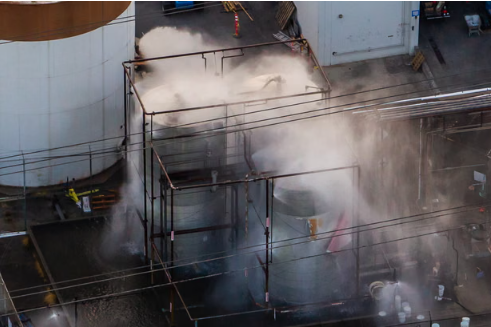
The frequency of chemical accidents across the United States is climbing steadily each year. A new analysis of federal data reveals a troubling trend of industrial safety failures today. This report was compiled by the non-profit organization Public Employees for Environmental Responsibility recently. The study highlights that chemical emergencies have surged by at least fifty-one percent since 2021. These events include dangerous explosions, fires, and the accidental release of chemicals into our atmosphere. Furthermore, the number of deaths and injuries from these incidents is up twenty percent. This data arrives following two high-profile emergencies that shocked many communities throughout the nation. A malfunctioning chemical tank in Garden Grove, California, forced forty thousand people to evacuate. Another devastating event occurred at a facility in Longview, Washington, during this past year. That tragic collapse resulted in the deaths of eleven workers on the industrial site.
These alarming statistics underscore the critical importance of existing federal safeguards under the law. The Clean Air Act mandates that the Environmental Protection Agency oversees high-risk facility operations. More than twelve thousand facilities must develop detailed protocols to prevent such massive industrial catastrophes. These rules were designed primarily to protect workers, first responders, and nearby residential communities. The previous administration strengthened these vital protections during the year 2024 to improve safety. However, the current Trump administration is moving forward with plans to dismantle this system. Officials are actively seeking to gut the regulations meant to prevent these hazardous chemical events. This policy shift is occurring despite the measurable increase in dangerous accidents across the country. Critics argue that these efforts represent a significant rollback of essential public safety measures today.
Tim Whitehouse serves as the executive director for Public Employees for Environmental Responsibility, known as Peer. He previously worked as an enforcement attorney for the Environmental Protection Agency during his career. He described the administration’s actions amid these rising accident rates as being simply quite appalling. Whitehouse noted that America’s industrial infrastructure is aging rapidly, which makes disastrous failures quite likely. He emphasized that serious chemical accidents are becoming an almost daily occurrence for our nation. The organization Peer obtained this critical data after suing the government back in 2017. They forced federal agencies to properly track these incidents as the Clean Air Act requires. The records show industrial accidents resulting in chemical releases grew from eighty-three in 2021. By 2025, that number had climbed to one hundred and thirty-one documented incidents of concern. These findings come directly from reports filed with the Chemical Safety and Hazard Investigation Board.
The actual figures are likely a significant undercount of the total number of incidents nationwide. This is according to Jeff Ruch, who is a senior counsel with the Peer organization. He explained that current reporting only includes chemical releases that escape into the outside atmosphere. Plants that simply poison their workers inside a facility would not be officially counted here. Another independent estimate found the United States experienced a chemical accident almost every other day. These events harmed humans or the environment consistently between 2004 and the year 2025. The laws currently targeted by the Trump administration mandate several specific steps for industrial facilities. They must install modern technology that detects hazardous chemical releases before they reach dangerous levels. Furthermore, they are required to install fire suppression systems to limit damage from industrial accidents. Facilities must also develop a personnel plan regarding how every employee should respond during emergencies.
The updated rules from 2024 specifically require hazardous facilities to adopt newer, safer industrial technologies. These upgrades are designed to prevent disasters and provide backup measures if systems should fail. Companies are also encouraged to replace hazardous chemicals with much safer alternatives whenever that is possible. Proposed safety measures include kill switches that are easily accessible to all employees on site. Automatic shut-off systems would activate if a worker became incapacitated during a major chemical incident. The new rules also mandate that facilities develop plans for dealing with complex double disasters. These occur when hurricanes, earthquakes, or wildfires hit a chemical facility with great sudden force. Such events were exemplified by the impacts of Hurricane Harvey in Houston back in 2017. These comprehensive standards were intended to build resilience into the nation’s fragile industrial safety management framework.
The Trump administration’s Environmental Protection Agency has already taken steps to weaken public transparency efforts. They eliminated a public website that informed communities about which chemicals were used at facilities. Officials are now aiming to undo most of the 2024 updates to the safety law. The White House has also specifically targeted the Chemical Safety Board for significant budget cuts. They are aiming to eliminate the fourteen million dollar budget for this board, despite its importance. The board is non-regulatory, but industry leaders adopt about ninety percent of its safety recommendations. Ruch said the administration wants to take credit for eliminating another agency despite the low cost. The Chemical Safety Board has proven to be highly effective at preventing future industrial accident repeats. Reducing its funding could severely hamper the ability to learn from these preventable, dangerous tragedies.
Marc Boom is a former policy adviser at the Environmental Protection Agency and a senior director. He works now with the Environmental Network and supports the need for stronger industry regulations. He argues that the administration is shifting the risks from companies onto local residents today. The current policies negatively affect people who live and work near these dangerous chemical facilities. Boom stated that the report makes plain what communities and first responders already clearly know. Chemical disasters are happening far too often and are also being far too frequently undercounted. Many of these events are entirely preventable, but the agency is choosing to weaken rules. The current administration is undermining the safeguards designed to stop these dangerous accidents from occurring. There is very little that can be done right now to stop these ongoing policy changes.
The administration is proposing these new rules under the standard federal government rule-making process today. These changes will likely be finalized by the fall season of this year, said Ruch. About forty percent of Americans live within three miles of at least one high-risk facility. This represents thousands of dangerous industrial sites operating across the United States of America right now. Residents in these zones must hope they are lucky that no major catastrophe occurs there. There is currently no proactive effort to ensure these ultra-dangerous facilities operate with maximum safety. The situation remains a major point of contention for environmental groups and local community advocates. Public safety advocates are calling for renewed focus on protecting citizens from industrial chemical dangers. The path forward for these regulations remains uncertain as the federal review process continues ahead. We will continue to monitor these developments as they unfold for the public in future.
Related News:
 ‘Extinct’ Antelope Returns to Sahara, Bringing Hope
 Norfolk Coastal Graves at Risk as Erosion Deepens Family Anguish
 Eden Project Founder Celebrates 25 Years of Nature’s Hope
 Avocado Crisis: The Hidden Violence Behind Exports
 Smaller farms funding prioritised in England nature plans
 Storm Goretti leaves Cornwall homes without power
 BP’s Influence Sparks Controversy in UK STEM Education
 No Gas Boiler Ban as UK Warm Homes Plan Backs Heat Pumps
 Judi Dench Champions Fight to Save London’s Green Spaces
 Half the World’s Largest Cities Face Rising Water Stress
 Record-Breaking Heat Looms Over South-East Australia as Catastrophic Fire Risk Escalates
 UK joins North Sea wind grid pact with nine European nations
 Devon hosts first high-density hydro power system
 US-Style Pickup Trucks Surge on UK Roads
 Storm Chandra floods Somerset, triggers major incident declaration
 Reform UK Taps Boris Ally to Shape Party Nature Agenda
 James Valentine Retires from ABC After Cancer Battle
 UK Pfas Action Plan Faces Criticism From Environmentalists
 Wigan Dump Crisis Sparks Health and Safety Alarm
 Norway’s Petrol Car Sales Hit Record Low Amid EV Surge
 Santos Wins Landmark Greenwashing Case in Court
 Gentoo Penguins First Birds on Australian Territory Hit by Bird Flu
 Chikungunya Spread in Europe Climbs as Climate Warms
 Deer Shooting England: New Plan to Protect Woods
 Illegal Waste Dumping: New Drone Unit Launched
 Scotland’s Emissions Plans Face Criticism for Over-Reliance on Technology
 Germany Faces Backlash Over Scrapped Renewable Heating Mandate
 Group Expands Legal Claim Over South West Water Pollution
 Scotland’s Climate Plans Face Scrutiny Over ‘Science Fiction’ Targets
 Greenpeace $345m Ruling Sparks Appeal Battle
 Wood burner legal threats spark council row
 Net Zero Cheaper Than One Fossil Fuel Crisis, UK Told
 London Considers New SUV Charges to Improve Road Safety
 MPs Slam Agency Over Failing Fight Against Waste Dumping
 Middle East Deluge: Freak Storms Bangle Desert Nations
 Evacuations Ordered as California Wildfires Spread Fast
 UK Records Earliest Spring as Nature Awakens Fast
 Tragic End to Outback Search as Floods Claim a Life
 UK Fossil Fuel Expansion Risks Global Climate Collapse
 Miles Jupp: How the Magic of the Ashes Sparked a Bold Blag
 RSPB Urges Summer Bird Feeder Removal to Curb Disease
 The Toxic Scent Destroying Life in a Lancashire Town
 Britain Facing Sharp Decline in Rare Butterfly Species
 Fuel Prices Drop Despite Geelong Refinery Blaze
 Big Tech Lobbies EU to Hide Massive Datacentre Emissions
 Celestial Magic: The Lyrid Meteor Shower Returns
 Nature Watchdog Accused of Halting Vital Site Protections
 Fury in Cornwall over herbicide plan to tackle weeds
 Governments Fail Murray-Darling River Projects
 Renewable Energy as a Strategic Shield for UK Security
 Escobar’s Hippos May Be Moved to India Zoo
 Capitalism ‘Suicidal’, Warns Petro at Climate Summit
 UK Firm Faces Backlash Over US Oil Advertising Deals
 Record May Heat to Cold Front in Eastern Australia
 Ukraine strikes Tuapse as oil disaster worsens
 The Campaign To Save Britain’s Original Bramley Apple Tree
 EU Deal May Force UK Ban on Cancer-Linked Weedkiller
 Stolen Hives: The Great Australian Bee Heist
 Charities Demand Labour Deliver Urgent New Clean Air Act
 UN Faces Crucial Vote on Landmark ICJ Climate Ruling
 Man killed in shark attack on Great Barrier Reef
 Hope for mountain bongos returns to Kenya
 Saving Our Lost Rainforests: The Battle for Dartmoor
 Outcry Over Kushner’s Albanian Resort
 Painted Lady Invasion: Millions of Orange Butterflies Head to UK
 Whitehall Steps In: The Battle Over Thames Water Deepens
 Cambridge Recreates Historic 336-Year-Old Garden
 Australia Investigates Suspected Mainland H5N1 Case
 Green Lawsuits Surge as AI Expansion Strains Planet
 UK Launches Massive Campaign To Save Precious Water Supply
 US Courts Back Trump on Park Signage Removals
 Deadly H5 Bird Flu Reaches Australia’s East Coast
 Southern Europe Reels as Wildfires Force Mass Evacuations
 UK Heatwaves Ignite Crisis of Sleep and Public Safety
 China Storms Claim Fifteen Lives in Tragic Surge
 Britain’s Mini Fan Craze Sparks Major Waste Crisis
 Global Climate Progress: Europe Leads as US Lags Behind
 Colombia’s Fight Over Fossil Fuels
 The Carbon Capture Con: Wasted Billions for Taxpayers
 Europe Scorched as Record Heatwaves Grip the Continent