Published: 24 July 2026 | The English Chronicle Desk | The English Chronicle Online
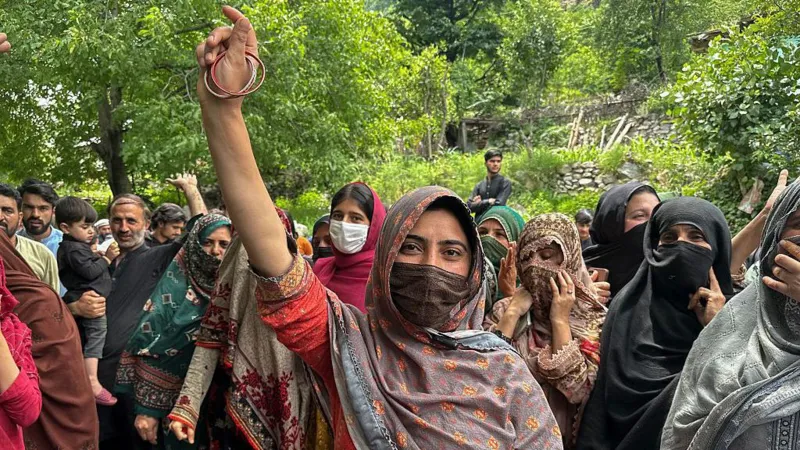
A wave of violence and unrest in Pakistan-administered Kashmir has raised serious concerns ahead of an election, with dozens of people killed and many more injured in clashes that have exposed deep political tensions, economic frustrations and longstanding grievances in the disputed Himalayan region.
The deaths have cast a shadow over the electoral process, prompting questions about why political competition has turned so violent and why anger among communities has escalated at a time when authorities are preparing for a major vote.
For many residents, the unrest is not simply about an election campaign. It reflects years of dissatisfaction over governance, economic difficulties, limited opportunities and perceptions that local voices have not received enough attention from decision-makers.
Pakistan-administered Kashmir, officially known as Azad Jammu and Kashmir, has a unique political status. While it has its own elected assembly and government, Pakistan maintains significant influence over key areas, including defence, foreign policy and strategic matters. The region has long been at the centre of the wider Kashmir dispute between Pakistan and India, which both claim in full but administer separate parts of.
The latest violence has intensified concerns that political tensions are deepening in a region already affected by decades of conflict.
The unrest began as political disagreements grew more intense during the election period. Demonstrations, clashes between rival groups and confrontations with security forces created an increasingly unstable environment. Opposition supporters accused authorities of restricting political freedoms and failing to address public concerns, while officials argued that maintaining security was necessary to prevent disorder.

The deaths have increased pressure on authorities to explain how violence was allowed to escalate and whether enough was done to protect civilians.
One of the main drivers of anger has been economic hardship.
Although the region has natural resources and significant tourism potential, many residents say they continue to struggle with unemployment, rising prices and limited access to economic opportunities. Young people, in particular, have expressed frustration over the lack of jobs and uncertainty about their futures.
For many voters, economic concerns have become central to the election debate. Political parties have promised development, improved infrastructure and greater employment opportunities, but many residents say similar promises have been made repeatedly without producing significant changes.
The situation has also been affected by questions about political representation.
Some residents believe that local institutions do not have enough authority to make major decisions affecting the region. They argue that while elections allow people to choose representatives, important matters are often decided elsewhere.
This has contributed to a sense of frustration among sections of the population who want greater control over local affairs.
Political analysts say that elections in Pakistan-administered Kashmir are often influenced by broader national politics. Major Pakistani political parties compete for influence in the region, and campaigns can become closely linked to political struggles taking place in Islamabad.
Supporters of different parties frequently accuse each other of using state resources, manipulating institutions or attempting to influence voters. These accusations can increase tensions during already competitive election periods.
The current crisis has also highlighted the role of security forces.
Authorities have deployed security personnel to maintain order, but critics argue that heavy-handed responses can worsen public anger. Human rights groups have repeatedly warned that excessive force during protests can deepen mistrust between citizens and institutions.
Government officials, however, say security measures are necessary to protect lives and prevent violence from spreading. They argue that police and security forces face difficult conditions when dealing with large demonstrations and clashes between rival groups.
The deaths have also raised concerns among international observers, who have called for calm and transparency. They have urged political actors to avoid further escalation and ensure that the electoral process remains peaceful and credible.
The region’s history adds another layer of complexity.
Kashmir has been divided since the partition of British India in 1947, leading to multiple wars and decades of military tension between India and Pakistan. While the current unrest is largely connected to local political issues, the broader Kashmir dispute continues to shape public sentiment and political discussions.
For many residents, identity, autonomy and political rights remain deeply important issues.
However, younger generations are increasingly focused on everyday concerns such as education, employment and economic stability. Many young voters say they want political leaders to focus less on confrontation and more on improving living conditions.
The election has therefore become a test of whether political parties can address practical issues affecting ordinary people.
Analysts say the violence could have several consequences. It may reduce public confidence in the political system, discourage voter participation and increase divisions between communities. At the same time, it could push authorities and political leaders to address grievances that have been ignored for years.
The deaths have also created emotional wounds among families who have lost relatives during the unrest. Beyond political arguments, the human cost has become a central concern for communities seeking justice and accountability.
Families of victims have demanded investigations into the circumstances surrounding the deaths and questioned whether those responsible will face consequences.
Civil society groups have called for dialogue rather than confrontation. They argue that political disagreements should be resolved through democratic processes and that violence only deepens existing problems.
The coming weeks will be crucial as election preparations continue. Authorities face the challenge of ensuring security while also protecting the rights of citizens to participate freely in political activities.
A peaceful election will require trust between voters, political parties and institutions. Without that trust, even a successful vote may struggle to resolve the deeper tensions that have contributed to the unrest.

The violence in Pakistan-administered Kashmir reflects a broader challenge facing many politically sensitive regions: elections alone cannot solve longstanding grievances unless communities feel their concerns are being heard.
For residents, the hope is that the election will become an opportunity for change rather than another chapter in a cycle of conflict.
As political leaders compete for power, many ordinary people are asking a simpler question: whether the system can deliver stability, economic opportunity and a voice in decisions that shape their future.
The answer may determine not only the outcome of the election but also the direction of Pakistan-administered Kashmir in the years ahead.
Related News:
 UK University Faces Counter-Terror Probe Over China Pressure
 Second world war veterans honoured as King leads Remembrance Sunday
 Ukraine-Russia war latest: Putin’s troops exploit bad weather to force Kyiv withdrawal from multiple towns
 New Epstein Files Spark Political Clash in Washington
 Ukraine Energy Corruption Scandal Hits Zelensky’s Inner Circle
 Greene Pushes Epstein Files Amid Trump Fallout
 UN Security Council Approves Trump’s Gaza Peace Plan
 WhatsApp Messages Expose Nathan Gill’s Bribery
 Venezuela Threatens Nobel Winner Machado with Fugitive Status
 Trump Envoy to Discuss Ukraine Peace at Kremlin
 Video shows Israeli troops kill Palestinians after surrender
 Guinea-Bissau President Flees After Military Coup
 Saif al-Islam Gaddafi Reportedly Killed in Libya Shooting
 South Korea’s Ex-President Faces Death Penalty in Insurrection Trial
 Nine Killed in Karachi Consulate Protest
 Belgium Narco-State Warning Raises Alarm Over Crime Surge
 Point-Blank Gunshot Misses Indian Politician
 Victory or Compromise? Tehran’s Streets Erupt in Mixed Emotion Following Ceasefire
 Southeast Asia Turns to Russia Amid Energy Crisis
 Cartel crackdown raises fears of fresh violence
 China Fireworks Factory Blast Kills 21 in Hunan
 Australia pushes Pacific security pact amid China tension
 BJP Sweeps West Bengal in Historic Breakthrough
 US ‘Narco Boat’ Strikes Draw Global Outcry
 US Awaits Iran Reply on New Ceasefire Proposal
 One Nation Stuns Australia With Historic Farrer Win
 Hormuz Talks Near Critical Stage
 China mine blast death toll rises to 90
 Discontent grows around Putin amid war strain
 Gunman Killed After White House Security Shootout
 Irish Gangland Figure Fails in Dublin Election Bid
 Israeli Strikes Kill 11 in Gaza City
 Millions Gather for Khamenei’s Six-Day State Funeral
 Ukraine Creates Long-Range Strike Command
 Dreyfus Statue Finally Gets Permanent Paris Home
 Venezuela Quake Death Toll Surpasses 4,000
 India’s ‘Cockroach’ Protesters Begin Talks With Government
 Channel Crossings Surge: Over 1,000 People Arrive in the UK in Small Boats in a Single Day
 French Taxi Driver Cleared in David Lammy Theft Case After Fare Dispute
 BBC to Apologise Over Edited Trump Speech Amid Backlash
 Britain deploys RAF specialists to assist Belgium with drone threats
 Indian authorities demolish Kashmir home linked to Red Fort blast
 December Run-Off in Chile as Election Produces No Winner
 Canada Passes Carney’s First Budget in Tight Parliamentary Vote
 Shadow Fleet at Sea: Europe’s Battle Against Illicit Oil Shipping
 Deadly Russian Strikes Hit Western Ukraine, 20 Killed in Ternopil
 Georgians Defy Government Crackdown After Year of Protests
 American Mother Extradited From UK to U.S. on Murder Charges
 Albanese Opens Door to Bondi Royal Commission Amid Rising Pressure
 EU weighs response amid Greenland tariff crisis with Trump
 EU Says US Ties Have Suffered ‘Big Blow’ After Greenland Crisis
 Police response times face strict new national limits
 Israel Moves to Bar MSF From Gaza Operations
 Australian Families Leave Syrian Camp for Home
 Nine Arrested in France Over Death of Far‑Right Student
 Andrew Arrest Sparks Republic Debate in Australia
 Farage Chagos Islands Row Sparks Fury
 Has Europe truly learned from the failures of 2022?
 American Citizen Killed in Cuba Boat Shooting, U.S. Officials Say
 Trump Faces Questions Over Iran Conflict Plan
 Herzog Asio meeting sparks security storm
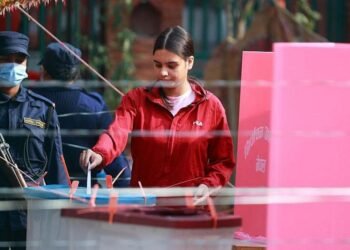 Nepal Holds First General Election Since Gen Z Protests Toppled Government
 Trump Pressures Congress Over Save America Act
 Iranian Football Squad Asylum Drama Shocks Australia
 Queensland Protest Laws Spark Free Speech Backlash
 Yvette Cooper: UK Must Follow Principles, Not US Pressure
 Trump Nato threats expose Iran strategy vacuum
 Philippines energy emergency sparks coal power surge
 Trump Facing Backlash from Epstein Survivors Over Files
 Report Says Pezzullo Acted ‘Recklessly’ in Dealings
 The ‘Big Fish’ Lands: Marcos Confirms Arrest of Key Figure in Flood-Control Scandal
 Capitalism ‘Suicidal’, Warns Petro at Climate Summit
 Trump Threatens UN Budget Cuts as US Pushes ‘Trade Over Aid’ Agenda
 DeSantis’s ‘Alligator Alcatraz’ Faces Final Shutdown
 Israel, Lebanon Agree on Fragile Ceasefire Deal
 Trump’s Iran Legacy Hangs on Tehran Deal
 Trump’s Major Recruitment Drive Targets Border Patrol Growth
 Le Pen to Run for President Despite Embezzlement Conviction
 Safeguards Lag as Prisoners Face Early Release
 Le Pen’s Popularity Holds Despite Conviction