Published: 03 October 2026. The English Chronicle Desk. The English Chronicle Online
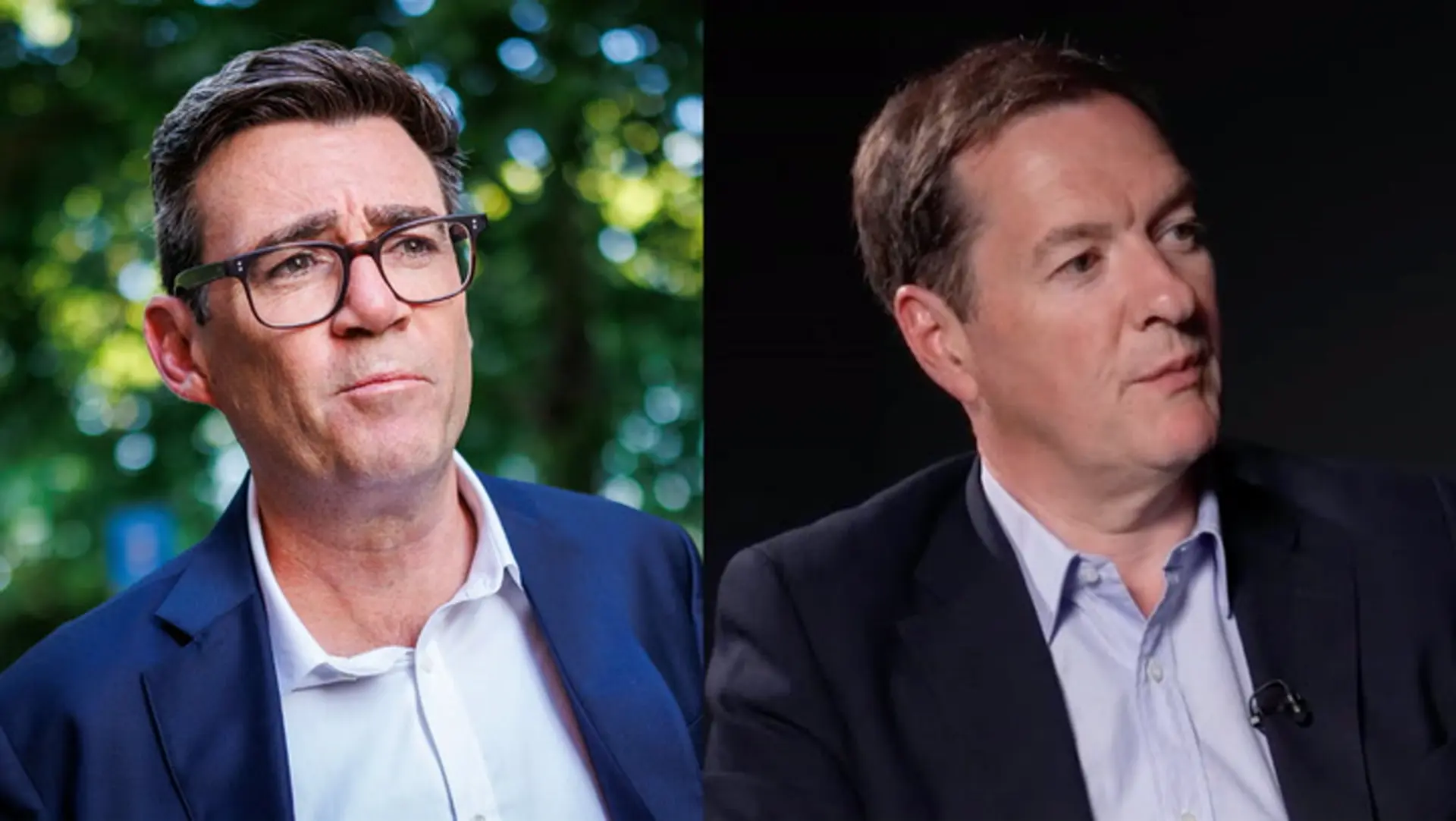
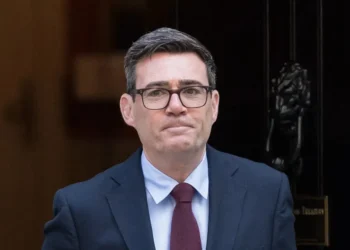
Almost half of voters in the United Kingdom support the idea of rejoining the European Union, according to a major new poll that has intensified the debate over Britain’s post-Brexit future and the direction being considered by Prime Minister Andy Burnham.
The Messina Group survey, conducted among 11,461 people between 12 and 24 September, found that 49% supported rejoining the EU, while 28.5% opposed the idea. The research also examined several alternative models for Britain’s relationship with Europe, revealing broad support for a range of closer arrangements even though substantial divisions remain over Brexit, immigration and national sovereignty.
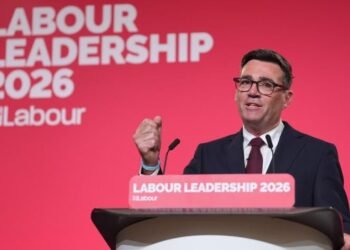
The findings come days after Burnham used his first Labour conference speech as prime minister and party leader to announce a review of Britain’s long-term relationship with the EU. He subsequently confirmed that the options under consideration could extend as far as full membership of the bloc.

Burnham has not committed the government to seeking immediate EU membership or announced a timetable for a referendum. Instead, he has said ministers will examine what is possible and assess the advantages and disadvantages of different arrangements before setting out the government’s position around a planned UK-EU summit later this year.
The poll nevertheless adds to evidence that attitudes towards Brexit have shifted considerably since the 2016 referendum. It also creates a politically sensitive situation for the Labour government, with some ministers believing closer European ties could appeal to voters while others fear reopening the Brexit debate could deepen divisions or provide an opportunity for Reform UK.
The survey found that rejoining the EU was the most popular of seven options tested. Almost half of respondents supported it, while the next most popular proposal was maintaining the existing UK-EU relationship but removing as many trade barriers as possible. That option received support from 48.2% of respondents, with 20.9% opposed.
A customs union was supported by 47.1%, while 20.7% opposed it. Support for joining the European single market stood at 45.1%, while associate membership received support from 45.5%. Maintaining the existing relationship without major changes was backed by 42%.
By contrast, moving further away from the EU attracted support from only 27.9% of those surveyed, while 41.2% opposed such a move.
The research also explored how quickly voters believed closer European integration should happen. Some 25.9% supported rejoining immediately, while 22.9% preferred rejoining within three years. A further 8.4% supported doing so within the following decade. Meanwhile, 23% said they did not want Britain to establish a closer relationship with the EU.
The question of how any potential return should be authorised remains unsettled. Nearly one-third of respondents said an in-out referendum would be necessary. More than one in six believed a general election mandate would be sufficient, while a similar proportion said Parliament should be able to make the decision.
These differences are likely to remain important for Labour as it considers how far to take its new approach. Burnham has said the government must decide on Britain’s long-term relationship with what remains its largest nearby trading market, while stressing that several options need to be examined.
His position represents a notable change from Labour’s 2024 election platform, which ruled out returning to the EU single market or customs union and rejected restoring freedom of movement. The current government has instead begun discussing a broader range of possibilities as it seeks to improve relations with European partners.
Burnham’s approach has not received universal support within his cabinet. Several senior ministers have warned that moving too quickly could reopen political divisions associated with the 2016 referendum.
Deputy Labour leader Lucy Powell has argued that there is scope to improve cooperation with Europe on defence and security but has questioned whether the government should go beyond the existing reset. Trade Secretary Jonathan Reynolds has highlighted uncertainty for businesses surrounding Britain’s constitutional relationship with the EU, while Home Secretary Shabana Mahmood has stressed that rejoining would be complex and could involve significant costs.
The concern is particularly significant because many senior Labour ministers represent constituencies that voted to leave the EU in 2016. The government therefore faces a difficult political calculation between responding to changing national attitudes and maintaining support in areas where Brexit remains an important part of voters’ political identity.
The Messina Group research suggests that the political landscape has nevertheless changed. It found that 52.4% of respondents believed Britain was wrong to leave the EU, compared with 29.7% who believed leaving was the right decision. On whether Brexit had been a success, only 12.2% described it as a success, while 54.9% considered it a failure. Another 23.2% said it had been neither a success nor a failure.
The survey also identified strong public interest in economic and institutional links with Europe. More than two-thirds of respondents said trading with the EU was more important than trading with the United States or China if Britain were forced to choose between those relationships.
At the same time, the research showed that some priorities associated with the Brexit campaign remain influential. Immigration control and national sovereignty continue to resonate with sections of the electorate, demonstrating that public opinion on Britain’s European future cannot be reduced to a simple pro-EU or anti-EU division.
The poll also found substantial support for retaining the pound, with four in five respondents favouring the currency. A majority supported remaining part of the European Convention on Human Rights, with 53.4% in favour compared with 24.2% opposed.
The research examined the potential electoral consequences of different messages surrounding Britain’s relationship with Europe. It found that Labour’s vote share increased in the tested scenarios involving closer ties, with estimated gains ranging from 4.3 to 7.4 percentage points. The additional support came largely from voters who had previously backed the Liberal Democrats and Greens.
Those findings have attracted attention inside Downing Street as Labour considers its long-term strategy. Government officials have already been gathering evidence from polling organisations and thinktanks to assess public attitudes towards a possible future return to the EU.
However, the political risks remain significant. Some Labour figures are concerned that making EU membership a prominent issue could strengthen Reform UK and bring Brexit back to the centre of national politics.
Reform leader Nigel Farage has already welcomed the renewed debate, arguing that Burnham’s decision to reopen questions about Britain’s relationship with Europe has benefited his political movement. His response highlights the possibility that a pro-European Labour strategy could produce competing effects among different groups of voters.
The debate also extends beyond electoral calculations. Any decision to rejoin the EU would involve complex negotiations over Britain’s terms of membership and would require agreement with the existing member states. Questions surrounding trade, migration, regulatory alignment, the single market, the customs union and institutional arrangements would all have to be addressed.
For now, Burnham has stopped short of committing Britain to any particular destination. He has said that staying with the current relationship remains an option, while also examining a customs union, closer single-market arrangements and the possibility of full EU membership.
The upcoming UK-EU summit is expected to provide an important opportunity for the government to explain its thinking. The administration is already seeking closer cooperation with European partners in areas including trade, migration and security, while further discussions are expected over issues such as food trade and youth mobility.

The latest polling ensures that the European question will remain a significant issue for British politics. It indicates that support for closer relations with the EU has grown beyond a narrow political constituency, but it also shows that voters continue to disagree over how far Britain should go and how any major change should be authorised.
As Labour weighs its next steps, the government faces the challenge of balancing shifting public attitudes with the enduring political legacy of the 2016 referendum. Burnham’s decision to examine every option has opened a new chapter in the Brexit debate, but whether that eventually leads to a referendum, a closer trading relationship or a discussion about full EU membership remains unresolved.
For voters, the emerging debate is therefore less about an immediate return to Brussels and more about what Britain’s long-term relationship with Europe should look like. The latest research suggests that a substantial section of the public is prepared to consider a closer relationship, while the continuing divisions over sovereignty, immigration and the terms of any future arrangement mean the issue remains politically sensitive.
Related News:
 Asylum deal sparks fears over Syria deportations
 Ceasefire Standoff Deepens in Ukraine War
 Deadly Russian Air Raids Strike Across Ukraine
 EU and UK Set July Date for Critical Post-Brexit Summit
 UK Nations Brace for Potential Breakup Amid Reform Surge
 Farage Defends £5m Gift Amid Threats
 Bayeux Tapestry Revives Franco-British Ties
 Reform Faces Fresh Financial Controversy
 Europe’s democracies face a growing far-right threat
 Elif Eralp Emerges as Berlin’s Next Political Force
 Green Party Surges Past Labour in Latest UK Poll
 Trump’s UK Ambassador Urges North Sea Drilling to Strengthen US Ties
 French Taxi Driver Cleared in David Lammy Theft Case After Fare Dispute
 Millionaires group urge Reeves to introduce wealth tax to ‘lift kids out of poverty’
 Starmer Faces Growing Dissent as Labour MPs Weigh Leadership Challenge
 Reeves rejects £1bn plea for NHS redundancy payouts
 PM Condemns Leaks, Vows Loyalty to Ministers and Stability
 Major Rent Reform Ends No-Fault Evictions in England
 Most Tories Expect to Support a Farage-Led Government
 Starmer Says Labour’s Economic Plan Needs Years to Deliver
 Labour Blocks Burnham as Party Rift Deepens Ahead of Polls
 Huge mistake: Labour blocks Burnham from byelection bid
 Artificial intelligence will cost jobs, admits Liz Kendall
 Labour targets Greens on drugs in Gorton Denton byelection
 Greens nominate Hannah Spencer for Gorton and Denton byelection
 Mandelson Faces Police Inquiry Over Epstein Leak
 Labour Thinktank Row Deepens Over Journalist Probe Claims
 Morgan McSweeney downfall shocks Labour leadership
 Cabinet Secretary Shake-Up Triggers Due Diligence Warning
 Starmer Faces Inquiry Calls Over Thinktank Probe
 UK shelves £110m border project amid trade strain
 Farage Unveils Reform UK Frontbench Team
 California Democrats Vow Trump Reckoning
 Wales Approves Assisted Dying Bill Consent
 UK EU Trade Reset Gains Public Backing
 Green Party Stuns Labour in Gorton and Denton Byelection
 Corbyn Leads Your Party in Coordinated Left-Flank Strategy
 Labour Together scandal sparks clean break vow
 Asylum Seekers to Work After Year-Long Wait
 Starmer Row as Greens Demand Apology
 Proposed Law Leaves Gap for Children of Convicted Paedophiles
 Gordon Brown urges court for crimes against children
 Inquiry into HMRC child benefit errors launched by NAO
 NHS Plans to Cut Overseas Workers Labeled Overambitious
 Farage Faces Backlash Over Crypto Cameo Endorsements
 Relationship with Trump may be beyond repair, Starmer warned
 Italian Town Buys Mussolini Villa to Keep Away Fascist Fans
 Unions Raise Concerns Over Doctors’ Pay Dispute
 UK Government Poised to Revive Stalled Hillsborough Law
 UK Stands Firm on Falklands Amid US Rift
 Welsh Labour Faces Potential Historic Election Defeat
 Silent Tracks: Rail Line Without Passengers
 Major test for Labour as polls open in Great Britain
 Reform UK Faces Crisis as Newly Elected Councillors Resign
 Keir Starmer Struggles to Secure His Grip on Downing Street
 Farage Faces Standards Probe Over Cash Property Purchase
 Secret Role of UK Security Services in Troubles Amnesty Law
 Farage and Reform UK Reshape British Politics
 Minister Criticises Police Guidance Amid Southampton Protests
 Makerfield Voters Demand Real Change as Election Looms
 The Hidden Crisis Eroding Trust in British Communities
 Labour MP Revives Blocked Assisted Dying Bill in Commons
 Starmer Set to Announce Exit Plan as Burnham Eyes No 10
 Burnham Pledges New Era of Open Debate for Labour MPs
 Ann Widdecombe, Formidable Political Figure, Dies at 78
 Meta Under Fire: The Battle Over Addictive Social Media Design
 Security Row Erupts Following Tragic Death
 Burnham unveils £65m drought aid for farmers
 Unions Warn Labour Over Zero-Hours Contract Reforms
 Former Diplomats Urge UK and France to Act on Palestine
 Ukraine Villagers Demand Answers After Deadly Arms Depot Strike
 Tom Watson Takes Senior Role at Palantir
 Mahmood Warns Far Right Over Asylum Protests
 MPs Defend UK Economic Watchdog Against Critics
 The Tests Awaiting Andy Burnham After Labour Conference
 Free Speech Emerges as Key UK Election Issue
 Madrid Tent Camp Grows as Spain Housing Crisis Deepens
 Burnham Opens Door to Possible UK Return to EU
 Badenoch Raises Prospect of 2027 UK Election
 French School Protests Escalate as 400 Schools Close