Published: 07 October 2026. The English Chronicle Desk. The English Chronicle Online
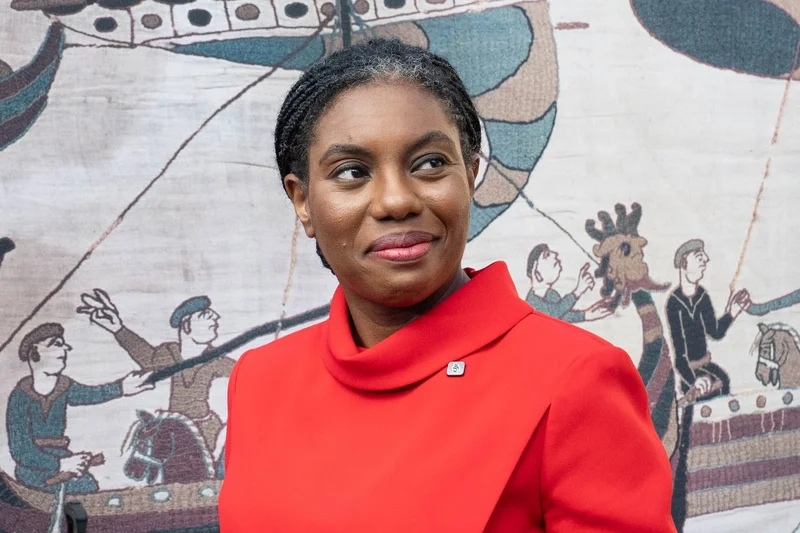
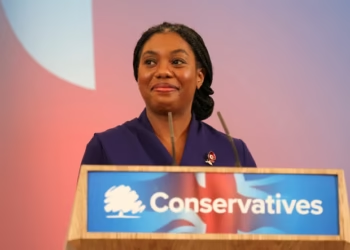
Conservative leader Kemi Badenoch is expected to use her keynote speech at the party conference in Birmingham to announce plans to reduce inheritance tax, while presenting the next general election as a fundamental contest over the size and role of the state.
The anticipated tax announcement comes as Badenoch seeks to demonstrate that the Conservatives have a clear economic alternative to Labour and can combine lower taxes with credible plans to control public spending. Although the party has not formally confirmed the inheritance tax proposal ahead of her speech, expectations have grown steadily that Badenoch will announce a reduction rather than abolish the tax altogether.
Inheritance tax has become an increasingly important issue for the Conservatives as they attempt to reconnect with voters who are concerned about taxation, household finances and the ability to pass accumulated wealth to their children. The tax is politically sensitive because it affects estates above specified thresholds, but only a relatively small proportion of deaths result in an inheritance tax charge.

Under the current system, inheritance tax is generally charged at 40% on the taxable portion of an estate above the standard £325,000 threshold. A higher threshold can apply where a qualifying home is passed to direct descendants, while married couples and civil partners can potentially combine allowances.
The tax is nevertheless expected to become a major source of revenue for the Treasury. Forecasts cited ahead of the Conservative conference suggest inheritance tax receipts could rise to around £15bn a year by the end of the decade. That makes any significant reduction an expensive commitment at a time when public finances remain under considerable pressure.
Reports circulating before Badenoch’s speech indicate that the Conservatives are considering lowering the 40% rate rather than eliminating inheritance tax completely. Another possibility is to alter the thresholds at which the tax becomes payable.
A reduction in the rate would allow Badenoch to appeal to supporters who want a smaller inheritance tax burden without creating the full fiscal cost associated with abolishing the tax. Previous estimates have suggested that reducing the rate by 10 percentage points could cost several billion pounds a year, depending on the structure of the wider system and the value of estates affected.
The expected announcement is part of a broader economic argument Badenoch intends to make during her keynote address. She is expected to portray British politics as entering a major ideological confrontation over public spending, taxation and the responsibilities of government.
The Conservative leader will argue that the country faces a choice between a Labour government she says believes the state can solve economic problems through greater spending and a renewed Conservative Party that wants government to live within its means.
Her speech is expected to emphasise the principle that people should retain more of the money they earn. Badenoch is also likely to argue that excessive government intervention can undermine economic growth and leave households facing higher taxes and rising costs.
The language marks an attempt to establish a clear dividing line between the Conservatives and Labour before the next election. Rather than presenting the contest simply as a dispute over individual policies, Badenoch intends to frame it as a broader argument about the kind of country Britain should become.
Her message is likely to focus heavily on public finances. The Conservatives are expected to publish a savings plan alongside the speech setting out how the party believes it could finance proposed tax reductions and other commitments.
That plan is particularly important because the party is trying to avoid accusations that its tax-cutting programme lacks financial credibility. The Conservatives have already announced a proposed £2.3bn reduction in employer national insurance for young people, increasing the pressure on the leadership to demonstrate where compensating savings would come from.
At last year’s conference, the Conservatives claimed to have identified around £47bn in potential government spending reductions, including substantial savings associated with welfare. The party has since suggested that further reductions have been identified.
The inheritance tax proposal will therefore be judged not only on its political appeal but also on whether Conservative plans can provide convincing evidence that the lost revenue would be offset by spending reductions or other savings.
For Badenoch, the conference speech is an important opportunity to strengthen her authority over the party. The Conservatives remain engaged in a difficult political environment in which they face pressure from Labour on one side and Reform UK on the other. Taxation and government spending are central to the competition for voters who favour a smaller state and lower taxes.
Inheritance tax is particularly useful in that political contest because it carries a strong emotional dimension. Supporters of reform often argue that people should be able to pass the wealth they have accumulated during their lifetime to their children without facing a substantial additional tax burden after death.
Critics of inheritance tax reductions, however, can argue that cutting the levy disproportionately benefits wealthier households and could reduce government revenue at a time when public services require substantial funding. The Conservatives will therefore need to balance their appeal to taxpayers with their promise of fiscal responsibility.
The fact that only a small proportion of estates currently pay inheritance tax adds another layer to the political debate. For many families, the tax remains more of a concern about future financial security and intergenerational wealth than an immediate household expense.
Badenoch’s wider argument is expected to connect inheritance tax with this sense of financial independence. By promising to reduce the burden while simultaneously pledging spending restraint, she is attempting to present the Conservatives as defenders of household resources and economic self-reliance.
Yet the success of that argument will depend heavily on the detail. A tax cut that reduces government income by billions of pounds requires a clear explanation of how the resulting gap would be addressed. The Conservatives’ savings plan is consequently likely to receive almost as much scrutiny as the inheritance tax announcement itself.
Badenoch is also expected to use the speech to attack Labour’s approach to taxation and economic policy. She will argue that increasing the size of government does not automatically produce economic growth and that higher taxation can place additional pressure on households already struggling with living costs.
Her rhetoric is designed to appeal to voters who believe the government has become too expensive and too intrusive. At the same time, she will need to convince voters that Conservative spending reductions would not undermine essential public services.
The conference setting provides Badenoch with a platform to present that argument directly to party members, activists and the wider electorate. Her speech comes at a crucial stage in her leadership as she seeks to establish a distinctive Conservative identity following years of political instability.
The inheritance tax announcement, if delivered as expected, could become one of the most memorable elements of the conference. It offers Badenoch a policy with immediate political resonance while allowing her to reinforce her broader message about taxation, personal responsibility and government spending.
Ultimately, however, the proposal will be judged against the Conservatives’ wider economic programme. Voters will want to know not only how much inheritance tax would be reduced, but who would benefit, how much the policy would cost and whether the party’s promised spending savings are realistic.

Badenoch’s central challenge is therefore to persuade voters that lower taxation and tighter public spending can coexist without damaging the services on which people depend. By framing the coming political contest as a “battle of ideas”, she is seeking to move the Conservative debate beyond individual tax measures and towards a larger argument about the future role of government in Britain.
If she succeeds, the inheritance tax proposal could provide a clear symbol of the economic direction she wants the Conservatives to take. If the financial calculations fail to convince, however, the policy could instead become another test of whether the party can reconcile ambitious tax cuts with its commitment to responsible public finances.
Related News:
 UK Doubles Steel Tariffs to 50% to Protect Domestic Plants
 Unions Raise Concerns Over Doctors’ Pay Dispute
 BBC News Faces Deep Cuts in 2,000 Job Plan
 UK Pushes for New EU Goods Trade Deal
 Reeves Fights to Keep Treasury Role Amid Labour Turmoil
 Labour MPs Urge Burnham to Revive UK Aid Target
 Burnham Faces Mounting Budget Challenges
 Burnham Leaves Door Open to Future Brexit Reversal
 Thinktank Calls for Abolition of UK State Pension
 MPs Defend UK Economic Watchdog Against Critics
 Tony Blair Calls for Britain to Rejoin EU Within a Decade
 Burnham Opens Debate on Pension Triple Lock for Care
 Burnham Opens Door to Possible UK Return to EU
 Badenoch Raises Prospect of 2027 UK Election
 London Council Warns of 150% Council Tax Rise
 Informa Agrees £2.24bn Deal to Buy Clarion
 Trump’s UK Ambassador Urges North Sea Drilling to Strengthen US Ties
 French Taxi Driver Cleared in David Lammy Theft Case After Fare Dispute
 Millionaires group urge Reeves to introduce wealth tax to ‘lift kids out of poverty’
 Reeves rejects £1bn plea for NHS redundancy payouts
 PM Condemns Leaks, Vows Loyalty to Ministers and Stability
 Major Rent Reform Ends No-Fault Evictions in England
 Most Tories Expect to Support a Farage-Led Government
 Starmer Says Labour’s Economic Plan Needs Years to Deliver
 Labour Blocks Burnham as Party Rift Deepens Ahead of Polls
 Huge mistake: Labour blocks Burnham from byelection bid
 Artificial intelligence will cost jobs, admits Liz Kendall
 Labour targets Greens on drugs in Gorton Denton byelection
 Greens nominate Hannah Spencer for Gorton and Denton byelection
 Mandelson Faces Police Inquiry Over Epstein Leak
 Labour Thinktank Row Deepens Over Journalist Probe Claims
 Morgan McSweeney downfall shocks Labour leadership
 Cabinet Secretary Shake-Up Triggers Due Diligence Warning
 Farage Unveils Reform UK Frontbench Team
 Wales Approves Assisted Dying Bill Consent
 UK EU Trade Reset Gains Public Backing
 Corbyn Leads Your Party in Coordinated Left-Flank Strategy
 Asylum Seekers to Work After Year-Long Wait
 Starmer Row as Greens Demand Apology
 Proposed Law Leaves Gap for Children of Convicted Paedophiles
 Gordon Brown urges court for crimes against children
 Inquiry into HMRC child benefit errors launched by NAO
 Farage Faces Backlash Over Crypto Cameo Endorsements
 Relationship with Trump may be beyond repair, Starmer warned
 UK Government Poised to Revive Stalled Hillsborough Law
 UK Stands Firm on Falklands Amid US Rift
 Welsh Labour Faces Potential Historic Election Defeat
 Silent Tracks: Rail Line Without Passengers
 Major test for Labour as polls open in Great Britain
 Reform UK Faces Crisis as Newly Elected Councillors Resign
 Keir Starmer Struggles to Secure His Grip on Downing Street
 Farage Faces Standards Probe Over Cash Property Purchase
 Kevin Warsh sworn in as Fed chair amid economic backlash
 Secret Role of UK Security Services in Troubles Amnesty Law
 Farage and Reform UK Reshape British Politics
 Minister Criticises Police Guidance Amid Southampton Protests
 Makerfield Voters Demand Real Change as Election Looms
 The Hidden Crisis Eroding Trust in British Communities
 Labour MP Revives Blocked Assisted Dying Bill in Commons
 Starmer Set to Announce Exit Plan as Burnham Eyes No 10
 Burnham Pledges New Era of Open Debate for Labour MPs
 Ann Widdecombe, Formidable Political Figure, Dies at 78
 Security Row Erupts Following Tragic Death
 Burnham unveils £65m drought aid for farmers
 Unions Warn Labour Over Zero-Hours Contract Reforms
 Former Diplomats Urge UK and France to Act on Palestine
 Bayeux Tapestry Revives Franco-British Ties
 North Sea Firms Urge Early End to Windfall Tax
 Mayors Could Gain Greater Powers Over Water Firms
 Trump Threatens EU With Tariffs Over Canada Proposal
 Tom Watson Takes Senior Role at Palantir
 UK Rent Gap Puts Low-Income Families Under Pressure
 Calls Grow to Expand UK National Wealth Fund
 AO Acquires Jessops in Camera Retail Expansion
 The Tests Awaiting Andy Burnham After Labour Conference
 Madrid Tent Camp Grows as Spain Housing Crisis Deepens
 Healey urged to act as UK energy bills rise 4%
 Tories Plan Major Overhaul of UK Environmental Rules
 Gosport Protesters Clash With Police Over Migrant Rescue
 Palace Rejects Funding Andrew’s Police Legal Challenge