Published: 15 July 2026 | The English Chronicle Desk | The English Chronicle Online
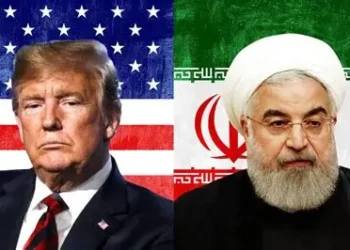
Tensions between the United States and Iran have escalated sharply after reports that US President Donald Trump warned Tehran that key infrastructure, including bridges and power plants, could become military targets if Iran refuses to return to diplomatic negotiations.
The reported remarks have sparked concern among international leaders, raised fears of further escalation in the Middle East and renewed calls for an immediate return to diplomacy. While officials on both sides have continued to exchange strong rhetoric, diplomats and security analysts caution that threats directed at critical infrastructure significantly increase the risk of a broader regional conflict.
The latest developments come amid an already fragile security environment, with military confrontations, economic sanctions and maritime tensions continuing to strain relations between Washington and Tehran.
According to reports, Trump argued that the United States remains prepared to increase military pressure if diplomatic efforts fail to produce meaningful progress. The warning was presented as part of a broader strategy aimed at compelling Iran’s leadership to resume negotiations over regional security, military activities and other long-standing disputes.

The White House has repeatedly maintained that it prefers a negotiated settlement but insists that “all options remain on the table” should diplomacy fail.
Iranian officials, however, have rejected what they describe as coercive diplomacy, arguing that negotiations cannot proceed under military threats. Senior figures in Tehran have consistently stated that the country will not alter its policies in response to pressure and have accused Washington of undermining previous diplomatic initiatives.
The exchange has reinforced concerns that both governments remain deeply divided despite intermittent efforts by regional and international mediators to reduce tensions.
Security experts note that infrastructure such as electricity generation facilities, bridges and transportation networks plays a vital role in civilian life. Damage to such facilities can have widespread humanitarian and economic consequences, disrupting access to electricity, medical services, communications and essential public services.
International humanitarian law places significant obligations on parties involved in armed conflict to distinguish between military objectives and civilian objects and to take precautions aimed at protecting civilians from the effects of hostilities.
Analysts say the latest rhetoric illustrates the increasingly difficult balance facing policymakers in Washington.
The Trump administration has sought to demonstrate military resolve while also insisting that it does not seek a prolonged war with Iran. Officials argue that maintaining credible deterrence is essential to preventing further attacks against American personnel and allies in the region.
At the same time, every public warning carries diplomatic consequences.
Statements suggesting potential military action can complicate mediation efforts being pursued by third-party governments seeking to bring both sides back to the negotiating table.
Several countries have continued to advocate dialogue, warning that further escalation could destabilise not only the Gulf but also the wider global economy.
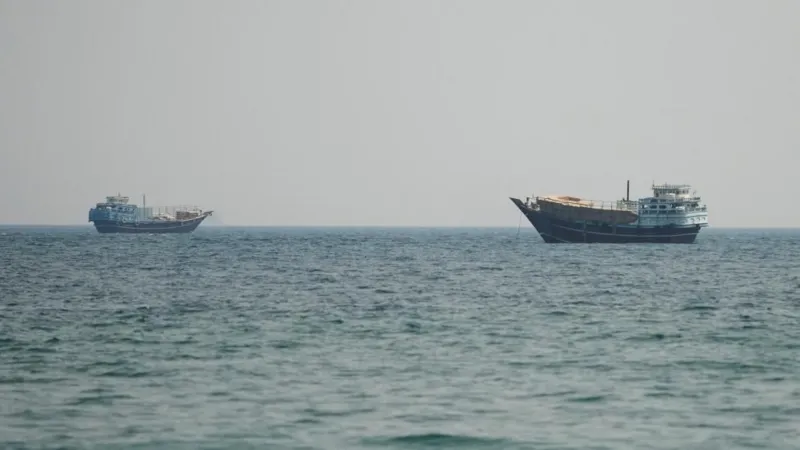
The Strait of Hormuz remains central to these concerns.
A substantial share of the world’s traded crude oil and liquefied natural gas passes through the narrow waterway linking the Persian Gulf to international shipping routes. Any deterioration in regional security has the potential to disrupt energy supplies, increase insurance costs for commercial shipping and place upward pressure on global fuel prices.
Financial markets have responded cautiously to the latest developments, with investors closely monitoring official statements from both Washington and Tehran.
Energy traders remain particularly sensitive to any indication that military activity could threaten production facilities or transport routes across the region.
Military analysts believe that both countries continue to weigh the risks associated with further escalation.
While the United States possesses overwhelming conventional military capabilities, Iran maintains significant defensive assets and regional influence through allied groups operating across the Middle East. These factors contribute to a complex strategic environment in which any military action carries the potential for unintended consequences.
The conflict has also become an increasingly important domestic political issue in the United States.
Supporters of the administration argue that maintaining pressure on Iran strengthens national security and demonstrates American resolve. Critics, meanwhile, warn that increasingly confrontational rhetoric risks drawing the United States into another prolonged Middle Eastern conflict with uncertain outcomes.
Within Iran, officials have similarly portrayed external pressure as justification for maintaining a firm national stance. Government leaders have repeatedly emphasised national sovereignty and insisted that policy decisions will not be dictated by foreign governments.
Diplomatic observers note that despite the public exchange of threats, communication channels have not been entirely closed.
Regional intermediaries and international partners continue to encourage confidence-building measures that could reduce tensions and create conditions for renewed negotiations.
Previous attempts at mediation have achieved limited success, but diplomats argue that sustained engagement remains preferable to military escalation.
The United Nations and several allied governments have consistently called for restraint, urging all parties to avoid actions or statements that could further inflame the situation. International organisations have also highlighted the potential humanitarian consequences of any expansion of the conflict, particularly if civilian infrastructure becomes affected.
Foreign policy specialists caution that rhetoric should not automatically be interpreted as an indication of imminent military action.
Governments frequently employ strong public statements as part of broader diplomatic and strategic messaging intended to influence negotiations or deter adversaries. Whether such statements ultimately lead to policy changes depends on a range of military, political and diplomatic factors.
Nevertheless, the latest exchange underscores the fragile state of relations between the United States and Iran.
Years of sanctions, military incidents and failed diplomatic initiatives have left trust at exceptionally low levels, making meaningful negotiations increasingly difficult to achieve.

As international attention remains focused on the Middle East, many governments continue urging both Washington and Tehran to prioritise dialogue over confrontation.
Whether the latest warnings succeed in bringing the two sides back to negotiations or instead deepen the existing crisis may shape regional stability in the weeks and months ahead.
For now, the international community remains watchful, hoping that diplomatic engagement can prevent further escalation and reduce the risk of a conflict whose consequences would extend well beyond the borders of the countries directly involved.
Related News:
 Trump to Recheck Green Cards from 19 Nations After DC Attack
 Russia losses Ukraine war peace talks intensify amid rising deaths
 Trump Escalates Minnesota Immigration Surge Amid Rising Tensions
 Trump: US Stands Ready to Help Iran Find Freedom Amid Widespread Unrest
 Trump Administration Probe of Fed’s Powell Draws Pushback
 Trump Threatens Strong Action If Iran Executes Protesters
 Trump Receives Machado’s Nobel Medal in White House Meeting
 Greenland Crisis Forces Europe to Draw a Line With Trump
 Iran Cannot Be Bombed Into Democracy, Only Helped There
 Historic Abu Dhabi Talks Bring US, Ukraine and Russia Together
 EU Says US Ties Have Suffered ‘Big Blow’ After Greenland Crisis
 Thousands Protest ICE Operations in Nationwide US Day of Action
 Trump Praises ‘Terrific’ Petro After White House Talks
 Fears of New Arms Race as US-Russia Nuclear Weapons Treaty Expires
 New Nuclear Talks Between US and Iran Begin in Geneva
 ‘He Did It for Us’: US Soldier Recalls Jesse Jackson’s Efforts to Free Him and Two Other POWs
 Stephen Colbert Says CBS Spiked Interview With Democrat Over FCC Fears
 US Urges Iran to Make Deal as Military Presence Rises
 Billionaire Les Wexner Tells US Lawmakers He Was ‘Naive’ and ‘Conned’ by Epstein
 Inside Kyiv’s resolve as conflict nears five‑year mark
 What to Watch for During Trump’s State of the Union Address
 Clinton Testimony Erupts in Fiery Exchange
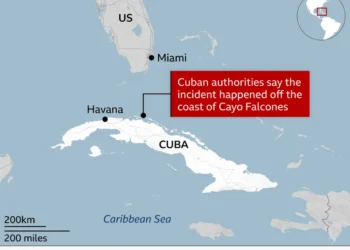 American Citizen Killed in Cuba Boat Shooting, U.S. Officials Say
 Hillary Clinton Tells House Panel She ‘Had No Idea’ of Epstein’s Crimes
 Hopes and Fears as US Iranians Take to Streets After Toppling of Supreme Leader
 Iran, the US, and a World Cup That Starts in Three Months
 Britain’s Position and Trump Vows to Press On in Iran Conflict
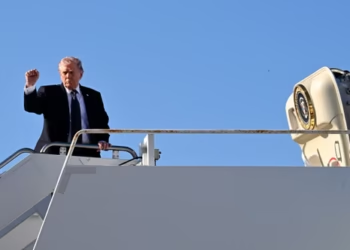 Trump Faces Questions Over Iran Conflict Plan
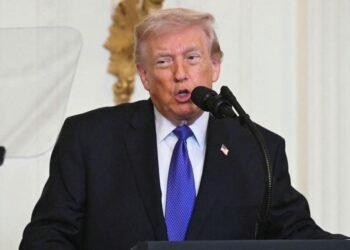 Trump’s Iran Endgame Unclear After Mixed Messaging on War Aims
 Rubio Responds to Reported Strike on Iranian School
 US Senate Backs Trump War Powers Amid Iran Missile Barrage
 US Senate Vote Fails to Rein in Trump War Powers on Iran
 Trump Removes Kristi Noem From Homeland Security Role
 UK Prepares Aircraft Carrier for Middle East Crisis
 Pete Hegseth Iran War Remarks Spark Alarm
 Iran War Puts Trump at Political Risk Amid Rising Prices
 Iran Rejects Ceasefire, Warns Trump With Chilling Message
 Trump’s Confidence Undimmed — But Every Iran Option Carries Risk
 Fox News Cut In Over Trump King Charles Claim
 Trump Seeks to Delay Meeting With Xi
 Trump Faces New Warning Signs as Iran War Hits Home
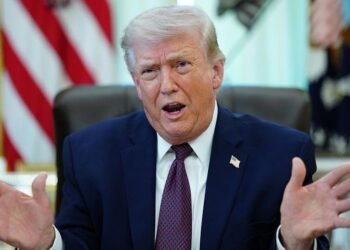 Trump’s Harsh Rhetoric on Iran Sparks Global Alarm
 The Academic Chill: Beijing Condemns ‘Hostile’ US Questioning After Researcher’s Death
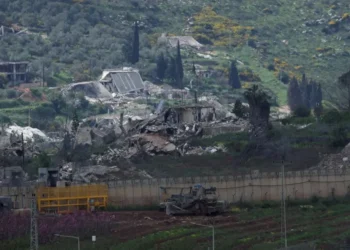 Midnight Fire: Israel and Hezbollah Exchange Strikes as Trump Lashes Out at Tehran
 Charles Faces Trump Test in High-Stakes US Visit
 US Court Ruling Reshapes Voting Rights Landscape
 US states redraw maps after voting rights ruling
 Trump orders US troop pullout from Germany
 Trump likens US Navy actions to ‘pirates’
 Giuliani hospitalised in critical condition
 Trump Threatens UN Budget Cuts as US Pushes ‘Trade Over Aid’ Agenda
 Trump warns Iran as Middle East tensions surge again
 US ‘Narco Boat’ Strikes Draw Global Outcry
 US Court Restores Abortion Pill Access Temporarily
 Ohio Primaries Set Stage for Crucial Midterms
 Tensions Emerge in Netanyahu-Trump Alliance
 US Awaits Iran Reply on New Ceasefire Proposal
 Hormuz Talks Near Critical Stage
 Former ICC prosecutor condemns US sanctions
 Gunman Killed After White House Security Shootout
 Trump Claims Iran Peace Deal Near Completion
 US Midterm Primaries: Democrats Target Key Republican Seats
 House Curbs Trump’s War Powers in Rare Rebellion
 Trump-Netanyahu Call Fuels Iran Talk Crisis
 Can World Cup Hosts Overcome Deep Divisions?
 Zelensky Invites Putin to Direct Peace Talks
 Republicans Defy Trump on Ukraine Aid Bill
 Israel Strikes Iran After Missile Attack
 Trump Presidency Reignites America’s Founding Debate: How Much Presidential Power Is Too Much?
 Trump Helps Clear Balogun for Belgium World Cup Clash
 Why Some African Nations Are Rejecting Trump Aid
 Trump’s Major Recruitment Drive Targets Border Patrol Growth
 Trump’s New Vision for 250 Years of US Expansion
 Israel Angered by Trump Backing Turkey Fighter Deal
 Mystery Grows Over Mitch McConnell’s Health
 Trump Ally Lindsey Graham Dies at 71 After Sudden Illness
 Mitch McConnell Explains Senate Absence After Fall
 US-Iran Exchange Fire as Hormuz Tensions Escalate
 Senate Halts Defense Bill Over Iran Clashes
 Trump’s Hormuz U-Turn Raises Doubts Over Iran Strategy