Published: 29 July 2026 | The English Chronicle Desk | The English Chronicle Online
Rescue teams in Japan are facing mounting challenges after the death toll from a powerful earthquake climbed to 30, while persistent aftershocks and intense summer heat continue to hamper search and recovery operations.
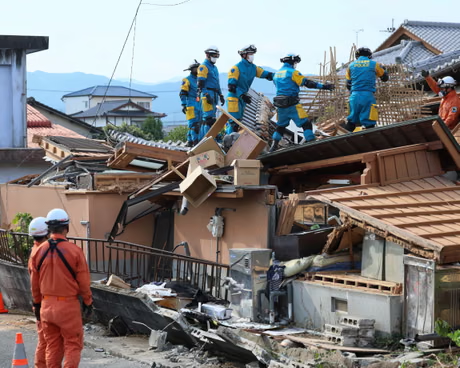
Emergency responders are working around the clock to locate survivors trapped beneath collapsed buildings and damaged infrastructure, but unstable conditions have forced repeated pauses in rescue efforts. Officials have warned that the combination of seismic activity and high temperatures is creating dangerous conditions for both survivors and emergency personnel.
The disaster has left thousands of residents displaced, with evacuation centres struggling to accommodate people forced from their homes. Authorities have urged residents to remain alert as aftershocks continue to shake affected areas.
Search-and-rescue teams, including firefighters, police officers, military personnel and specialist disaster units, remain deployed across the worst-hit regions.
Heavy machinery is being used to remove debris from collapsed homes, apartment buildings and commercial properties, while specially trained search dogs and thermal imaging equipment are assisting efforts to locate survivors.

However, rescue operations have been repeatedly interrupted by strong aftershocks that threaten to destabilise already damaged structures.
Emergency commanders said rescuers must temporarily withdraw whenever significant tremors occur to prevent additional casualties among response teams.
Despite these challenges, officials say the search for survivors remains the highest priority.
Authorities confirmed that the number of people killed has increased to 30 as emergency crews gain access to previously inaccessible areas.
Dozens of others have been injured, with hospitals treating patients for fractures, head injuries, burns and trauma-related conditions.
Officials cautioned that casualty figures could continue to change as rescue operations progress and assessments of damaged buildings continue.
Families remain anxiously waiting for information about relatives who are still unaccounted for.
Emergency authorities have established information centres to help families locate missing loved ones and receive updates from rescue teams.
Japan’s Meteorological Agency has recorded numerous aftershocks since the main earthquake struck, with some powerful enough to cause additional structural damage.
Seismologists explain that aftershocks are a normal part of major earthquakes but can continue for days or even weeks after the initial event.
Each new tremor increases the risk of weakened buildings collapsing, making rescue work significantly more dangerous.
Residents have been urged to avoid entering damaged buildings and to remain prepared for further seismic activity.
Local governments have continued issuing emergency alerts reminding people to keep evacuation supplies readily available.
Adding to the emergency is an intense summer heatwave affecting many parts of Japan.
Temperatures in some affected areas have climbed above 35C, increasing the risk of heat exhaustion and heatstroke among both survivors and rescue workers.
Emergency medical teams have established cooling stations and distributed drinking water to evacuation centres and rescue personnel.
Authorities have encouraged residents to stay hydrated and seek medical assistance immediately if they experience symptoms of heat-related illness.
Aid workers say the extreme weather is making an already difficult humanitarian response even more challenging.
The earthquake has damaged or destroyed hundreds of buildings, forcing thousands of people to seek shelter in temporary evacuation centres.
Schools, sports halls and community centres have been converted into emergency shelters where displaced residents are receiving food, water and medical assistance.
Many evacuees have little more than the clothes they were wearing when the earthquake struck.
Volunteers have joined relief organisations in distributing blankets, hygiene supplies and essential household items.
Officials are working to identify longer-term accommodation for families whose homes have become unsafe.
The earthquake caused widespread damage to roads, bridges, electricity networks and water systems.
Several transport routes remain closed while engineers inspect bridges, tunnels and railway lines for structural damage.
Power outages have affected thousands of households, although utility companies have restored electricity to many areas.
Water supply disruptions continue in several communities, prompting authorities to distribute bottled water and establish emergency supply points.
Communication networks have also experienced temporary interruptions, making it difficult for some families to contact relatives during the immediate aftermath of the disaster.
Medical facilities across the affected region have been treating a steady flow of injured residents.
Doctors and nurses are managing injuries ranging from minor cuts to life-threatening trauma while also caring for patients suffering from dehydration due to the extreme heat.
Some hospitals have postponed non-emergency procedures to free additional capacity for earthquake victims.
Health officials have also deployed mobile medical units to support isolated communities where access to hospitals remains limited.
Mental health professionals have begun providing counselling services to survivors coping with the emotional impact of the disaster.
Japan’s government has mobilised emergency resources, including members of the Self-Defense Forces, to assist rescue and relief operations.
Prime Minister and senior cabinet officials have pledged continued support for affected communities and promised that all available resources will be used to aid recovery efforts.
Authorities have also coordinated with local governments to accelerate the delivery of emergency supplies and temporary housing.
Financial assistance programmes are expected to be introduced to help families rebuild homes and businesses damaged by the earthquake.
Messages of sympathy and offers of assistance have arrived from governments and international organisations around the world.
Japan has extensive disaster response capabilities, but foreign governments have expressed readiness to provide technical expertise, emergency equipment and humanitarian assistance if requested.
International aid agencies are also monitoring the situation and preparing to support recovery efforts where needed.
The disaster serves as another reminder of the importance of global cooperation during major natural emergencies.
Located along the Pacific “Ring of Fire,” Japan is one of the world’s most earthquake-prone countries.
The country has invested heavily in earthquake-resistant construction, early warning systems and public disaster preparedness programmes following previous devastating earthquakes.
Strict building regulations have significantly reduced the number of collapses during many seismic events.
However, experts note that even advanced engineering cannot eliminate all risks when powerful earthquakes strike densely populated areas.
Authorities continue encouraging residents to maintain emergency supplies and participate in disaster preparedness training.
While rescue operations remain the immediate priority, attention is gradually turning toward the long-term recovery process.
Engineers will assess damaged infrastructure, insurance companies will begin evaluating claims, and local authorities will face the complex task of rebuilding affected communities.
Experts warn that reconstruction may take months or even years, depending on the extent of the damage.
For many families, the emotional recovery may last even longer.
As Japan mourns those who lost their lives, rescue teams continue searching for anyone who may still be trapped, determined to save lives despite aftershocks, dangerous temperatures and difficult conditions.
The disaster once again highlights Japan’s resilience in the face of natural hazards while underscoring the enormous challenges posed by powerful earthquakes in one of the world’s most seismically active regions.
Related News:
 Venezuela Quake Death Toll Surpasses 4,000
 Major 7.1 Earthquake Strikes Off Malaysian Tourist Coast
 Nine Killed in Karachi Consulate Protest
 North Korea Fires Missiles Amid US-South Korea Drills
 Victory or Compromise? Tehran’s Streets Erupt in Mixed Emotion Following Ceasefire
 Southeast Asia Turns to Russia Amid Energy Crisis
 Escobar’s Hippos May Be Moved to India Zoo
 China Fireworks Factory Blast Kills 21 in Hunan
 Australia pushes Pacific security pact amid China tension
 BJP Sweeps West Bengal in Historic Breakthrough
 US Awaits Iran Reply on New Ceasefire Proposal
 One Nation Stuns Australia With Historic Farrer Win
 Hormuz Talks Near Critical Stage
 China mine blast death toll rises to 90
 Maldives Cave Diving Tragedy Raises Safety Alarm
 Discontent grows around Putin amid war strain
 At Least 19 Killed After Powerful Earthquake Hits Southern Philippines
 Millions Gather for Khamenei’s Six-Day State Funeral
 India’s ‘Cockroach’ Protesters Begin Talks With Government
 Why Violence Has Surged Before Kashmir Election
 Bangladesh President to Step Down After Political Shift
 Houthis Strike Saudi Arabia as Middle East Tensions Rise
 Wildfires Force Mass Evacuations in France And Spain
 India’s Gen Z Protesters Claim Victory, Demand More Change
 India’s Gen Z Protest Movement Enters a New Phase
 US and Iran Pause Strikes as Diplomatic Talks Loom
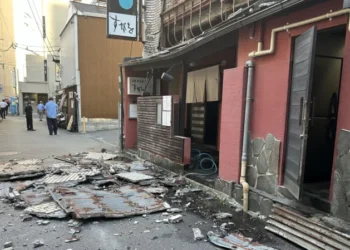 Magnitude 7.1 Earthquake Strikes Japan, Several Injured
 People Trapped in Japan Shopping Centre After Earthquake
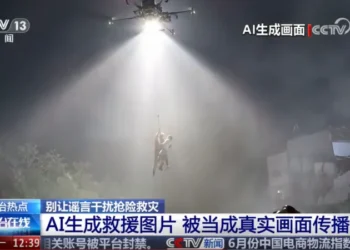 China Faces New Challenge as AI Fake Videos Spread After Disasters
 US-Iran War Pause Raises Questions Over Weapons Supply
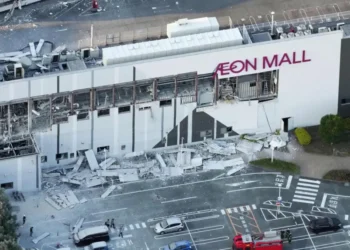 Many Trapped Inside Japanese Shopping Centre After Earthquake
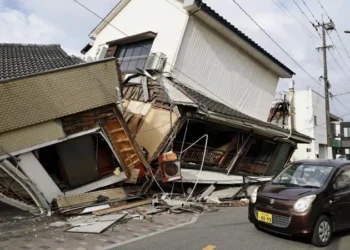 Japan Quake Survivors Recall Terror as Homes Crumble
 BBC to Apologise Over Edited Trump Speech Amid Backlash
 Britain deploys RAF specialists to assist Belgium with drone threats
 Greene Pushes Epstein Files Amid Trump Fallout
 December Run-Off in Chile as Election Produces No Winner
 Zelenskyy Signs Fighter Jet Deal Amid Russian Drone Attacks
 Shadow Fleet at Sea: Europe’s Battle Against Illicit Oil Shipping
 Tiny Curacao Makes History as Smallest Nation to Reach World Cup
 US Suspends Afghan Immigration After White House Shooting
 ‘Extinct’ Antelope Returns to Sahara, Bringing Hope
 US Clears Nvidia AI Chip Sales to China in Policy Shift
 Gulf states warn Trump Iran strikes risk wider Middle East war
 Sydney Shark Attack Surge Shocks Australia Beaches
 EU Says US Ties Have Suffered ‘Big Blow’ After Greenland Crisis
 UK New Car Discounts Near £6,000 as Prices Are Slashed
 Portugal Election Delivers Socialist Win as Far Right Surges
 Australian Families Leave Syrian Camp for Home
 Farage Chagos Islands Row Sparks Fury
 Hilary Knight speaks out on Trump’s recent hockey remarks
 Herzog Asio meeting sparks security storm
 Petrol Prices Soar as Retailers Accused of Gouging Amid Global Tension
 Penny Wong silent on Australian crew in sub strike
 Oil Prices Surge Above $100 Amid Iran War
 Trump Pressures Congress Over Save America Act
 Goma Drone Attack Kills Three as Conflict Escalates
 Queensland Protest Laws Spark Free Speech Backlash
 Trump Nato threats expose Iran strategy vacuum
 Trump Facing Backlash from Epstein Survivors Over Files
 Report Says Pezzullo Acted ‘Recklessly’ in Dealings
 Tragedy Strikes Outside Melbourne Comic Con
 “I was fighting two wars”: Ukraine soldiers’ addiction crisis
 Capitalism ‘Suicidal’, Warns Petro at Climate Summit
 US to Escort Trapped Ships Through the Strait of Hormuz
 Premier League drama defines crucial weekend
 Crisis in the Canary Islands as Cruise Ship Evacuated
 US and Mexico Face Heatwave as Floods Batter South Africa
 Putin Signals War End as Russian Momentum Stalls
 Australia Welcomes the Iconic Michelin Guide
 Philippine Senator Flees After Days Under Senate Siege
 High Street Crisis: Fears Grow Over Post Office Closures
 Oil Markets Face ‘Red Zone’ Threat Amid Iran Crisis
 Pope Meets Families in Italy Toxic Waste Zone
 UN Issues Urgent Warning: Imminent Return of El Niño
 UK Economy Suffers a Sharp Downturn as Iran Conflict Bites
 Lamine Yamal’s Birthday: Football, Fame, and France
 Argentina vs. England: Old Rivalry Reignites Again
 Thousands Evacuated in France as Wildfires Spread Across Regions
 Berlin Pride Attack Suspect Killed in Police Raid
 Wildfires Intensify in South-West France as Region Braces for 40C Heatwave