Published: 3 August 2026. The English Chronicle Desk. The English Chronicle Online
At least 13 people, including a child, have been killed in a major Ukrainian drone attack on Russia’s Tatarstan region, according to Russian officials, in one of the deadliest single strikes on Russian territory since Moscow launched its full-scale invasion of Ukraine.
Russian authorities said another 39 people were injured in the overnight attack, which struck the city of Nizhnekamsk, a major industrial centre located more than 1,100 kilometres from Ukraine’s border.
The scale and distance of the reported attack underline the growing reach of Ukraine’s long-range drone campaign against targets inside Russia. Kyiv has increasingly used domestically produced drones to strike energy facilities, industrial sites and other infrastructure that it says contributes to Russia’s military effort.
Ukraine has not publicly claimed responsibility for the Tatarstan attack.

The reported strike continued for several hours overnight and into the morning, according to local sources. Unverified footage circulated on social media showing thick clouds of smoke and large flames rising over the area, while air-raid sirens could reportedly be heard in the background.
The images could not be independently verified, and Russian authorities have not provided a detailed public account of exactly which facilities were damaged or what caused the reported deaths.
Tatarstan’s regional leader, Rustam Minnikhanov, confirmed that the region had come under attack and expressed condolences to the families of those killed.
The mayor of Nizhnekamsk, Radmir Belayev, described the incident as a profound tragedy.
“This is a tremendous pain for all of us,” he said.
A period of mourning has subsequently been declared across Tatarstan as authorities assess the consequences of the attack and arrange support for victims and their families.
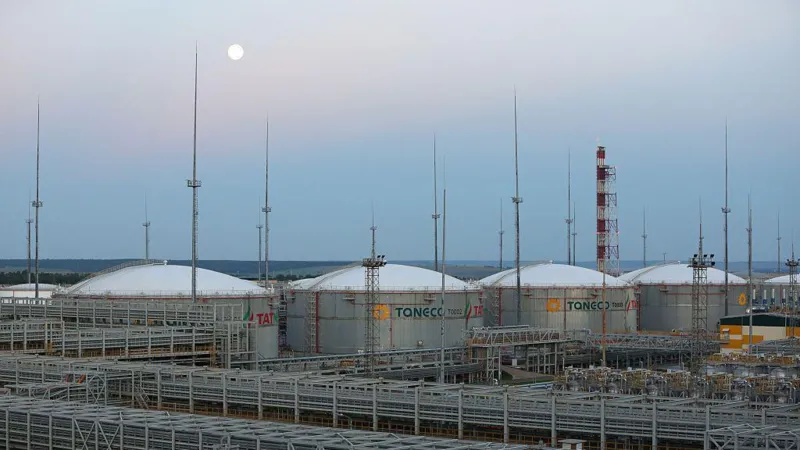
Nizhnekamsk is particularly significant because of its industrial importance. The city is home to major oil-refining and petrochemical operations, making the wider region an important part of Russia’s energy and manufacturing infrastructure.
Russian officials said industrial facilities were among the locations targeted, as well as residential areas. The Investigative Committee said civilians who had not been involved in military operations were present when the attack occurred.
The BBC has not independently verified those claims.
The incident illustrates the increasingly blurred distinction between the battlefield and Russia’s wider territory. Although Tatarstan is far from the front line, Ukraine has demonstrated that its long-range unmanned systems can reach deep into Russia, forcing authorities thousands of kilometres from the border to strengthen air-defence measures and prepare for possible attacks.
Moscow said Russian air-defence forces intercepted or destroyed more than 450 Ukrainian drones during the overnight period. The figure, which was released by Russian authorities, could not be independently verified.
The reported attack comes as both sides continue to expand their use of drones in the conflict.
For Ukraine, long-range drone strikes have become an important component of its strategy to disrupt Russia’s energy production, military logistics and industrial capacity. Ukrainian officials have repeatedly argued that facilities generating revenue for Moscow or supporting its war effort can legitimately be targeted.
Russia has similarly maintained a sustained aerial campaign against Ukraine, frequently launching large waves of drones and missiles against Ukrainian cities and infrastructure.
The human cost has increasingly extended beyond military personnel and frontline positions.
Last week, a combined Russian drone and missile attack on Kyiv killed 21 people, according to Ukrainian authorities. The attack added to a pattern of large-scale Russian strikes against Ukrainian urban centres.
In Kharkiv, a city close to the front line, five people were reportedly killed overnight in a Russian artillery attack.
The continuing cycle of attacks has created an increasingly dangerous environment for civilians on both sides of the border, even as the two countries remain locked in a war with no immediate end in sight.
The Tatarstan strike is particularly notable because of its apparent geographical reach. Nizhnekamsk lies deep inside Russia, well away from areas directly affected by ground fighting.
Ukraine has spent much of the war developing and expanding its ability to conduct long-distance drone operations, partly because its conventional military capabilities cannot match Russia’s resources in every area.
The use of relatively inexpensive unmanned aircraft allows Kyiv to put pressure on Russian infrastructure while forcing Moscow to devote additional resources to air defence.
The strategy has also created difficult choices for Russian authorities. Protecting every industrial facility, energy installation and population centre across such a large territory requires extensive air-defence coverage, something that is difficult to guarantee.
At the same time, attacks on Russian territory have become politically sensitive because Moscow has consistently presented the conflict as a war in which Russian civilians and infrastructure must be protected.
The reported deaths in Tatarstan are therefore likely to intensify debate inside Russia over air defence, industrial security and the vulnerability of areas previously considered far removed from the fighting.
For Ukraine, however, the expansion of long-range attacks reflects a broader effort to make Russia’s war effort more costly. Ukrainian strikes have previously targeted oil depots, refineries, ammunition facilities and other infrastructure across Russia.
The intended effect is not simply physical damage. Such operations can disrupt production, transportation and military supply chains while forcing Russia to divert resources towards protecting facilities at home.
Yet the civilian deaths reported in Nizhnekamsk also demonstrate the risks inherent in this strategy.
The identities of those killed have not all been released, but Russian officials said one child was among the victims. Dozens of people were reportedly injured, highlighting the potential consequences when attacks occur in populated areas.
Ukraine has not commented on the reported incident, leaving several key questions unanswered, including the precise targets, the extent of damage to industrial facilities and whether Ukrainian forces were directly responsible.
The lack of independent access to the affected area makes verification particularly difficult.
Both Russia and Ukraine have frequently released competing accounts of attacks during the war, and claims made by either side can be difficult to establish independently while fighting continues.
Nevertheless, the reported incident fits into a wider pattern of escalation in which Ukrainian drones are reaching farther into Russia while Moscow continues to launch large-scale aerial attacks against Ukrainian population centres.
The conflict has consequently become a war not only of trenches, artillery and missiles along the front, but also of long-range unmanned systems capable of carrying the fighting deep into territory previously regarded as relatively secure.

For residents of Tatarstan, the attack has brought that reality sharply into focus.
The region’s industrial importance means it is likely to remain strategically significant, while its distance from Ukraine demonstrates the expanding geographical dimension of the conflict.
As mourning begins for those killed and investigators examine the damage, the strike also raises broader questions about how far both sides are prepared to extend their campaigns against infrastructure and how much greater the civilian toll could become if long-range attacks continue to intensify.
With neither side showing signs of abandoning its ability to strike far beyond the front, the deaths in Tatarstan serve as another reminder that, more than three years into the full-scale war, the boundaries of the conflict remain fluid and increasingly difficult to define.
Related News:
 Ukraine Negotiator Reveals What It Feels Like Facing Russia
 Mandelson Arrested Amid Political Turmoil as Ukraine Marks Four Years of Conflict
 ‘Anyone who runs is shot’: Russian soldiers describe killings of troops who refuse orders
 Ukraine remembers its dead as war enters a fifth year
 Israel and Hezbollah Exchange Fire as Conflict Worsens
 Iran’s Regime Still Intact — Coming Days Will Test Its Survival
 Allies of US in the Gulf Bear Brunt of Iran Attacks
 Hopes and Fears as US Iranians Take to Streets After Toppling of Supreme Leader
 Retaliations Continue on Day Two of US-Israel Attacks on Iran
 At Least 153 Dead After Reported Strike on School, Iran Says
 At Least 153 Dead After Reported Strike on School, Iran Says
 ‘It’s Eerie’ – Dubai on Edge as City Comes Under Attack
 BBC Reports from Beit Shemesh After Deadly Iranian Missile Strike
 Iran, the US, and a World Cup That Starts in Three Months
 UK Will Allow US to Use Bases to Strike Iranian Missile Sites, PM Says
 Cooper: Joining US Strikes on Iran ‘Not in Britain’s Interest’
 Trump’s Iran Endgame Unclear After Mixed Messaging on War Aims
 Rubio Responds to Reported Strike on Iranian School
 Scots Caught Up in Middle East Crisis ‘Just Waiting for the Next Explosion’
 Why the US and Israel attacked Iran
 Israel Launches Fresh Strikes on Tehran & Beirut; US Warns “Hardest Hits” Ahead
 Three Days In, This War’s End Is Still Unclear
 US Has ‘Enough Weapons for Forever War,’ Trump Says
 Israel Strikes Lebanon After Hezbollah Rocket Fire as Iran Conflict Widens
 Israel’s New Airstrikes on Tehran & Beirut After US Embassy in Riyadh Is Hit
 Israel Launches Ground Invasion of Lebanon Amid Widening Middle East War
 Iranian Rockets Are Testing the Resolve of Dubai’s Instagram Stars
 US Embassy in Riyadh Hit by Iranian Drones as Israeli Troops Enter Southern Lebanon
 US Senate Backs Trump War Powers Amid Iran Missile Barrage
 US Submarine Sinks Iranian Warship in Indian Ocean, Hegseth Says
 Iran Postpones Khamenei Funeral as US‑Israeli Bombardment Continues
 The Devastating Conflict Where Both Sides Have Reasons to Keep Fighting
 How Depleted Weapons Stockpiles Could Affect the Iran Conflict
 Iran Drones Hit Azerbaijan Airport as War Widens
 UK Prepares Aircraft Carrier for Middle East Crisis
 Nine Days of Strikes Reshape the Middle East
 Putin Orders Evacuation at Iran Nuclear Plant Amid ‘Catastrophe’ Fears
 Video Analysis Suggests US Missile Hit Base Near Iran School
 Middle East crisis live: Supreme leader ‘safe’, Iran and Israel escalate conflict
 Ukraine War Becomes Flashpoint in Hungarian Election
 Trump’s Call for an Iran Uprising Draws Historical Warning Over Iraq 1991
 Anti-Regime Iranians Turn Anger Toward Trump
 Pakistan Denies Air Strike on Afghanistan Hospital That ‘Killed 400 People’
 Trump’s Confidence Undimmed — But Every Iran Option Carries Risk
 Iran Says Intelligence Chief Killed in US-Israeli Strike as Trump Threatens ‘Hell’ Without Deal
 Trump Issues Final Ultimatum: Iran Faces ‘One Night’ Destruction as Deadline Looms
 The 10-Day Window: Israel-Lebanon Ceasefire Holds as Trump Teases Iran ‘Mega-Deal’
 Activists allege abuse after Gaza flotilla seizure
 “The Silence of the Victor”: Why Iranians Fear a More Ruthless, Entrenched Regime Post-War
 Ceasefire Standoff Deepens in Ukraine War
 Middle East Crisis Escalates as Oil Routes Shake Markets
 Trump Announces 3-Day Russia–Ukraine Ceasefire Deal
 Putin Declares Russia Victory at Scaled Victory Day Parade
 European Allies Set Peace Terms for Ukraine
 Drone Attacks Overshadow Russia Economic Forum
 US President Says “Final Peace Negotiations” Under Way Despite Fresh Cross-Border Attacks
 Millions Gather for Khamenei’s Six-Day State Funeral
 US Launches New Strikes as Iran Says Civilian Infrastructure Hit
 Houthis Strike Saudi Arabia as Middle East Tensions Rise
 Saudi Arabia Joins US in Strikes on Iran-Backed Militia
 Palestinian Village Faces Weekly Attacks as Residents Describe Fear and Uncertainty
 Netanyahu rejects Trump’s 15-point Gaza peace plan
 Russia’s Latest Push to Win US Favors Shows Deep Desperation
 BBC to Apologise Over Edited Trump Speech Amid Backlash
 Greene Pushes Epstein Files Amid Trump Fallout
 Shadow Fleet at Sea: Europe’s Battle Against Illicit Oil Shipping
 American Citizen Killed in Cuba Boat Shooting, U.S. Officials Say
 In Maps: Strikes Across Iran and the Middle East
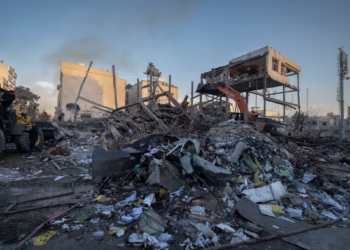 Civilian Deaths in Iran Pass 700 Amid Fear of Bombs and Regime Clampdown
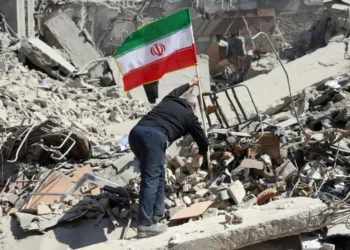 ‘Every Day Feels Like a Month’: Iranians Describe Life Under ‘Constant’ US‑Israeli Strikes
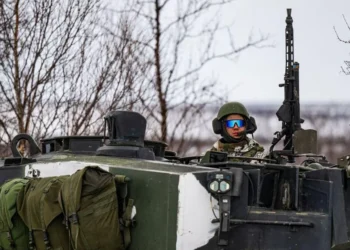 Finland Plans to Lift Decades‑Old Ban on Hosting Nuclear Weapons
 Thousands Protest Iran Strikes Outside US Embassy London
 Trump Pressures Congress Over Save America Act
 Iran War Puts Trump at Political Risk Amid Rising Prices
 Queensland Protest Laws Spark Free Speech Backlash
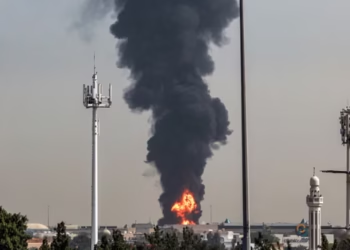 Trump Nato threats expose Iran strategy vacuum
 Trump Facing Backlash from Epstein Survivors Over Files
 Israel, Lebanon Agree on Fragile Ceasefire Deal
 UK Faces Most Dangerous Era, Military Chief Warns
 Israel Strikes Iran After Missile Attack