Published: 29 July 2026 | The English Chronicle Desk | The English Chronicle Online
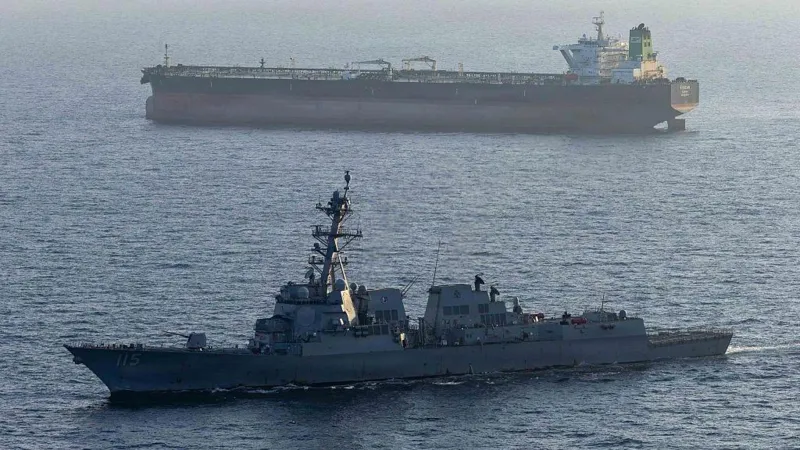
Saudi Arabia has joined the United States in carrying out military strikes against an Iran-backed militia, marking a significant escalation in regional security tensions and signalling closer military coordination between Washington and Riyadh. The development comes amid an already volatile situation across the Middle East, where attacks involving armed groups aligned with Iran have raised fears of a broader regional conflict.
The joint military operation targeted facilities and infrastructure believed to be used by the militia for planning and launching attacks against allied forces and strategic locations. Officials from both countries described the strikes as a defensive measure intended to reduce the group’s operational capabilities and prevent further assaults.
The latest action underscores the increasingly complex security environment in the Middle East, where proxy conflicts involving Iran-backed organisations have become one of the region’s defining geopolitical challenges. Although neither Washington nor Riyadh has indicated that they are seeking a wider war, analysts say the coordinated strikes represent one of the clearest demonstrations of military cooperation between the two allies in recent years.

According to defence officials, the operation was planned after intelligence assessments concluded that the militia had expanded its activities and posed an immediate threat to regional security. Military planners reportedly focused on command centres, weapons storage sites and logistical facilities believed to support the group’s operations.
Officials stressed that precision-guided weapons were used to minimise civilian casualties and limit damage to surrounding infrastructure. They also said battle damage assessments would continue over the coming days to determine the effectiveness of the strikes.
The militia targeted in the operation is one of several armed groups that Western governments and regional allies say receive financial, military and logistical support from Iran. These organisations operate across different parts of the Middle East and have played significant roles in conflicts in Iraq, Syria, Lebanon and Yemen.
Iran has consistently rejected accusations that it directs or controls every action taken by these groups, arguing that they operate independently while sharing broader political objectives. Tehran has also criticised previous US military operations in the region, describing them as violations of sovereignty and sources of instability.
The joint operation has therefore added another layer of tension to the already strained relationship between Iran and its regional rivals.
Saudi Arabia’s direct participation is particularly significant given its evolving security posture. For years, Riyadh has sought to strengthen its military capabilities while maintaining close defence ties with the United States. The kingdom has also invested heavily in modernising its armed forces and improving intelligence-sharing arrangements with international partners.
Although Saudi Arabia and Iran restored diplomatic relations in recent years through Chinese-mediated negotiations, their broader strategic rivalry has never fully disappeared. Differences over regional influence, security alliances and support for opposing groups continue to shape relations between the two countries.
Military analysts say Saudi Arabia’s decision to participate in the strikes reflects growing concern about the threat posed by armed groups operating near key shipping routes, energy infrastructure and neighbouring states.
The United States has long maintained a military presence across the Middle East, citing the need to protect international trade routes, support regional allies and deter hostile actors. American forces have periodically carried out strikes against armed groups accused of attacking US personnel or threatening commercial shipping.
Recent months have seen an increase in military incidents involving drones, missiles and rocket attacks targeting military facilities and maritime traffic. These developments have heightened fears that isolated confrontations could escalate into a wider regional conflict involving multiple countries.
Energy markets have also reacted cautiously to the latest military developments. The Middle East remains central to global oil production, and any disruption to energy exports or shipping lanes could influence international fuel prices.
Financial analysts note that investors closely monitor security developments in the Gulf because even limited military escalation can create uncertainty in global commodity markets.
International reactions to the operation have been mixed.
Several Western governments reaffirmed the importance of protecting regional stability and defending international shipping routes. Some officials emphasised that armed groups must be prevented from threatening civilian vessels and military personnel operating in the region.
Others, however, urged restraint from all sides and warned that additional military action could increase the risk of broader confrontation. Diplomatic efforts, they argued, remain essential for preventing further escalation.
The United Nations has repeatedly called for dialogue among regional powers, stressing that military responses alone cannot resolve the underlying political disputes that continue to fuel instability.
Humanitarian organisations have also expressed concern about the potential impact on civilians living near conflict zones. Although military officials stated that the strikes targeted specific facilities, aid agencies warned that continued fighting could displace communities already affected by years of conflict.
Within Saudi Arabia, officials presented the operation as part of the kingdom’s broader commitment to regional security and the protection of international navigation. Government representatives argued that coordinated action with allies was necessary to counter groups accused of threatening stability across the Middle East.
In Washington, the operation is expected to generate renewed debate over America’s long-term military role in the region. While supporters argue that maintaining pressure on armed groups is essential for protecting US interests and allies, critics question whether repeated military interventions risk prolonging regional tensions.
Security experts suggest that the coming weeks will be critical in determining whether the strikes succeed in reducing the militia’s operational capacity or trigger retaliatory attacks.

Iran’s response will also be closely watched. Although Tehran may choose diplomatic condemnation, analysts caution that any response by allied armed groups could quickly reshape the regional security landscape.
The operation illustrates the continuing importance of alliances in Middle Eastern security. As geopolitical competition intensifies and non-state armed groups remain active across multiple conflict zones, cooperation between regional governments and international partners is likely to remain a defining feature of military strategy.
Whether the latest strikes contribute to greater stability or deepen existing tensions remains uncertain.
For now, Saudi Arabia’s decision to join the United States in direct military action marks a significant moment in regional affairs, highlighting both the shared security concerns of the two allies and the fragile balance that continues to define one of the world’s most strategically important regions.
Related News:
 Hopes and Fears as US Iranians Take to Streets After Toppling of Supreme Leader
 Iran, the US, and a World Cup That Starts in Three Months
 Trump’s Iran Endgame Unclear After Mixed Messaging on War Aims
 Rubio Responds to Reported Strike on Iranian School
 US Senate Backs Trump War Powers Amid Iran Missile Barrage
 UK Prepares Aircraft Carrier for Middle East Crisis
 Trump’s Confidence Undimmed — But Every Iran Option Carries Risk
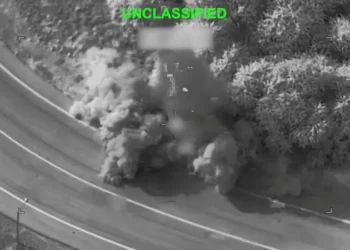 US Launches New Strikes as Iran Says Civilian Infrastructure Hit
 Houthis Strike Saudi Arabia as Middle East Tensions Rise
 Russia losses Ukraine war peace talks intensify amid rising deaths
 Trump Escalates Minnesota Immigration Surge Amid Rising Tensions
 Trump Threatens Strong Action If Iran Executes Protesters
 Trump Receives Machado’s Nobel Medal in White House Meeting
 Iran Cannot Be Bombed Into Democracy, Only Helped There
 EU Says US Ties Have Suffered ‘Big Blow’ After Greenland Crisis
 Trump Praises ‘Terrific’ Petro After White House Talks
 Fears of New Arms Race as US-Russia Nuclear Weapons Treaty Expires
 ‘He Did It for Us’: US Soldier Recalls Jesse Jackson’s Efforts to Free Him and Two Other POWs
 Stephen Colbert Says CBS Spiked Interview With Democrat Over FCC Fears
 US Urges Iran to Make Deal as Military Presence Rises
 Ukraine Negotiator Reveals What It Feels Like Facing Russia
 ‘Anyone who runs is shot’: Russian soldiers describe killings of troops who refuse orders
 Ukraine remembers its dead as war enters a fifth year
 American Citizen Killed in Cuba Boat Shooting, U.S. Officials Say
 Iran’s Regime Still Intact — Coming Days Will Test Its Survival
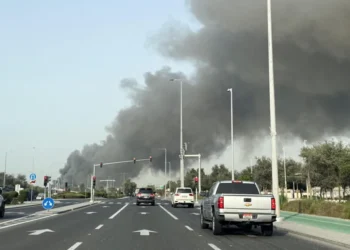 Allies of US in the Gulf Bear Brunt of Iran Attacks
 Trump Faces Questions Over Iran Conflict Plan
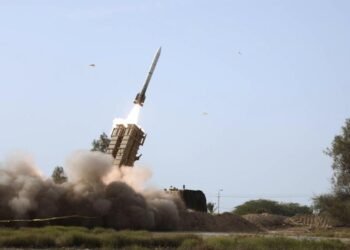 UK Will Allow US to Use Bases to Strike Iranian Missile Sites, PM Says
 Cooper: Joining US Strikes on Iran ‘Not in Britain’s Interest’
 Did Trump Declare War and Did Congress Approve Iran Attacks? What to Know
 Why the US and Israel attacked Iran
 Israel Launches Fresh Strikes on Tehran & Beirut; US Warns “Hardest Hits” Ahead
 Three Days In, This War’s End Is Still Unclear
 Israel’s New Airstrikes on Tehran & Beirut After US Embassy in Riyadh Is Hit
 Israel Launches Ground Invasion of Lebanon Amid Widening Middle East War
 US Senate Vote Fails to Rein in Trump War Powers on Iran
 How Depleted Weapons Stockpiles Could Affect the Iran Conflict
 Thousands Protest Iran Strikes Outside US Embassy London
 US Bombers Arrive at RAF Base Amid Rising Iran Tensions
 Pete Hegseth Iran War Remarks Spark Alarm
 Nine Days of Strikes Reshape the Middle East
 Iran War Puts Trump at Political Risk Amid Rising Prices
 Video Analysis Suggests US Missile Hit Base Near Iran School
 Iran Rejects Ceasefire, Warns Trump With Chilling Message
 Ukraine War Becomes Flashpoint in Hungarian Election
 Trump’s Call for an Iran Uprising Draws Historical Warning Over Iraq 1991
 Anti-Regime Iranians Turn Anger Toward Trump
 The 10-Day Window: Israel-Lebanon Ceasefire Holds as Trump Teases Iran ‘Mega-Deal’
 Charles Faces Trump Test in High-Stakes US Visit
 US Court Ruling Reshapes Voting Rights Landscape
 US states redraw maps after voting rights ruling
 Trump likens US Navy actions to ‘pirates’
 Giuliani hospitalised in critical condition
 Trump Threatens UN Budget Cuts as US Pushes ‘Trade Over Aid’ Agenda
 Trump warns Iran as Middle East tensions surge again
 US Court Restores Abortion Pill Access Temporarily
 Middle East Crisis Escalates as Oil Routes Shake Markets
 Tensions Emerge in Netanyahu-Trump Alliance
 US Awaits Iran Reply on New Ceasefire Proposal
 Hormuz Talks Near Critical Stage
 Former ICC prosecutor condemns US sanctions
 Gunman Killed After White House Security Shootout
 House Curbs Trump’s War Powers in Rare Rebellion
 Trump-Netanyahu Call Fuels Iran Talk Crisis
 Zelensky Invites Putin to Direct Peace Talks
 Republicans Defy Trump on Ukraine Aid Bill
 Israel Strikes Iran After Missile Attack
 European Allies Set Peace Terms for Ukraine
 Drone Attacks Overshadow Russia Economic Forum
 Trump Helps Clear Balogun for Belgium World Cup Clash
 Why Some African Nations Are Rejecting Trump Aid
 Trump’s Major Recruitment Drive Targets Border Patrol Growth
 Trump’s New Vision for 250 Years of US Expansion
 Senate Halts Defense Bill Over Iran Clashes
 Trump’s Hormuz U-Turn Raises Doubts Over Iran Strategy
 Trump Warns Iran of Strikes Unless Talks Resume
 US Launches New Strikes on Iran as Trump Issues Stark Warning to Tehran
 ICE Arrests Human Rights Lawyer Who Fled Chinese Crackdown
 US Renews Strikes on Iran as Trump Warns Underground Nuclear Sites Could Be Targeted
 US Unveils Fresh Tariffs on Global Trading Partners