Published: 16 September 2026. The English Chronicle Desk. The English Chronicle Online
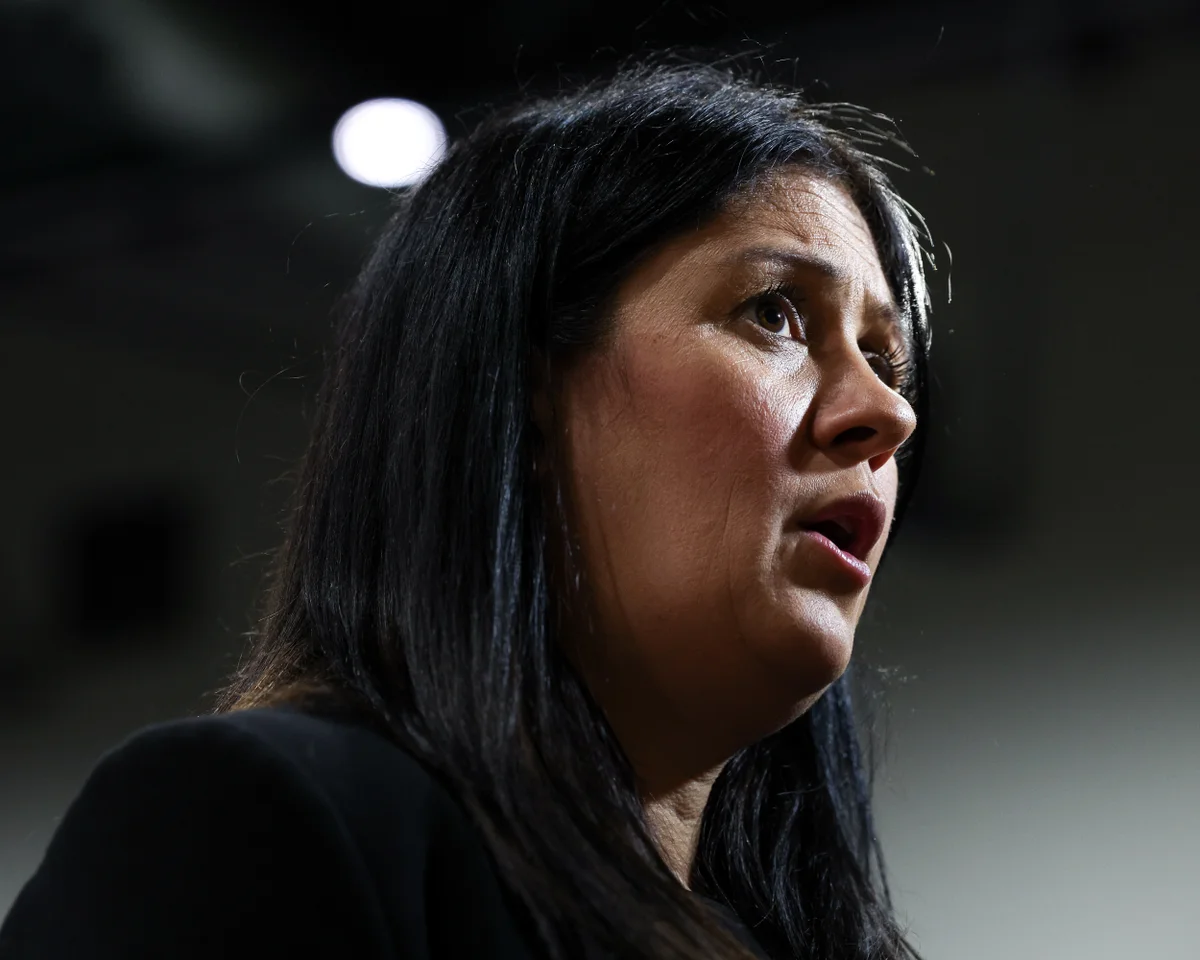
UK Culture Secretary Lisa Nandy has stepped up pressure on social media companies over online abuse, intimidation and the publication of private information, saying stronger action is needed to protect people who are targeted because of their work.
Nandy criticised Elon Musk’s social media platform X after it did not attend a meeting she hosted with social media companies to discuss the responsibilities of platforms in dealing with harassment and doxxing. She described the absence as an “absolute disgrace” and said the government was committed to tightening the law.
The meeting came amid concerns about the treatment of people working for charities and public services who have faced abuse online. Among the issues raised was the harassment of Royal National Lifeboat Institution volunteers by anti-migrant activists, particularly because of the charity’s role in responding to people attempting dangerous journeys across the English Channel.
Speaking to Times Radio, Nandy said social media companies currently operate under different terms of service and apply different standards when dealing with hateful or intimidating material directed at individuals. According to her account, some platforms automatically remove such material while others do not.

Her criticism of X centred specifically on its absence from the meeting. Nandy said the platform had not attended despite the government seeking discussions with social media companies about their responsibilities.
The culture secretary also outlined a proposed approach to doxxing, a form of online abuse involving the publication of private or identifying information about an individual without their permission. She said the government wanted to ensure that information such as a person’s home address could not simply be published online in circumstances where it could put that individual at risk.
Nandy said she had made a commitment to the RNLI and to people working in charities and public services that the law would be strengthened. She specifically mentioned charity volunteers, police officers, social workers and shop workers as people who can face harassment while carrying out their jobs.
Her comments place the issue of online intimidation within a broader debate over how much responsibility technology companies should bear for material posted by users. The UK already has a legal framework requiring regulated online services to take steps to protect users from illegal content and other online harms. The Online Safety Act gives providers duties relating to illegal content and content harmful to children, with Ofcom responsible for regulating the relevant services.
The government has also continued to expand its approach to online safety in 2026. Recent government measures have included new legislation and regulatory work dealing with serious online harms, while ministers have signalled that technology companies will be expected to take greater responsibility for preventing harmful material from reaching users.
Nandy’s intervention therefore comes as part of a wider programme rather than as an isolated response to one incident. Earlier this month, she told Parliament that the government intended to move more quickly on online safety and described the creation of a safer digital environment as a major government objective.
The government has also been developing stronger protections for children online. In September, ministers announced plans for legislation aimed at requiring technology companies to strengthen safeguards around children and harmful online material.
The debate over doxxing raises a different but connected question: how existing online safety rules should deal with the deliberate publication of personal information that may expose an individual to intimidation, harassment or threats.
For people whose jobs place them in the public eye, the consequences can extend beyond ordinary online criticism. Publishing an address or other sensitive information can make a person easier to identify and target offline. Nandy’s comments suggest ministers are considering whether existing protections are sufficient in such circumstances and whether platforms should be required to act more quickly.
Her remarks also highlight differences between online disagreement and targeted harassment. Political debate, criticism of organisations and disagreement over controversial issues remain features of public discussion, but the government is focusing on situations where individuals are subjected to intimidation or where private information is distributed in ways that may create safety risks.
That distinction is likely to become increasingly important as policymakers consider further changes to digital regulation. The challenge for lawmakers and regulators is to establish rules that address harmful behaviour while maintaining legitimate freedom of expression and lawful public debate.
The UK’s existing regulatory system already gives Ofcom an important role. Under the Online Safety Act, regulated services have legal responsibilities concerning illegal content and risks to users, while Ofcom can oversee compliance and take regulatory action within its statutory powers.
The government has separately introduced new measures dealing with other forms of digital abuse. The Crime and Policing Act 2026 includes provisions strengthening the law around intimate image abuse, including requirements concerning the removal of certain non-consensual intimate images.
These developments illustrate the changing legal environment facing technology companies operating in the UK. Online platforms are increasingly being asked not simply to respond after harmful material has spread, but to build systems capable of identifying and addressing certain categories of illegal or harmful content.
Nandy’s remarks indicate that the government is considering whether the same principle should be applied more firmly to the publication of personal information used to intimidate individuals.
For X, the dispute adds to wider questions about how the platform engages with governments and regulators. Nandy’s criticism was specifically directed at its failure to attend the meeting she convened, rather than constituting a finding that the company had committed an offence.
The government has yet to set out the full details of any new legal provisions specifically targeting doxxing following the meeting. Any future legislation would need to define the circumstances in which publishing personal information would trigger a legal duty to remove it, as well as establishing the responsibilities of platforms and the safeguards available to users.
The issue is particularly sensitive because personal information can sometimes be legitimately published in the public interest. Journalists, researchers and members of the public may have lawful reasons to discuss information about public figures or organisations. A new framework would therefore need to distinguish legitimate publication from material intended to facilitate harassment or intimidation.

For people working in frontline or public-facing roles, however, Nandy’s message was clear: the government believes that individuals should not have to accept sustained online harassment simply because they are doing their jobs.
The discussion is likely to continue as ministers develop their broader digital policy agenda. Social media companies will face questions over how quickly they respond to reports, how consistently they apply their rules and what additional responsibilities should be imposed through legislation.
The government’s approach will ultimately depend on the details of any proposed legal changes, including how new duties are defined, enforced and balanced against established rights. For now, Nandy’s intervention has placed doxxing and online intimidation firmly back at the centre of the UK’s debate over platform responsibility.
The immediate political dispute began with a meeting that X did not attend. But the wider issue extends far beyond one platform. It concerns how Britain should regulate the rapidly changing digital environment while protecting people from targeted abuse and preserving legitimate participation in public life.
Related News:
 Lisa Nandy Calls for Tougher Action on Social Media Doxxing
 Teen and Man Arrested Over Nursery Cyber Attack Exposing 8,000 Children
 NHS Safety Fears as Nurses Cover Doctor Gaps
 Reform UK funding: mystery billionaire revealed
 Ghent Professors Questioned Cofnas Appointment
 Masked Protesters Bring Dover Port Traffic to Standstill
 Ministers Condemn Far-Right Unrest in Portsmouth
 Patriot Platform Raises Concern Across Britain
 Election Candidate Abuse Raises Alarm in England
 Piddington Votes for Symbolic Independence Over Asylum Plan
 Tasers Introduced in UK Prisons to Combat Rising Violence and Protect Staff
 MPs Warn Thousands Still Face Poverty Despite Labour’s Welfare Reform Retreat
 UK Government Unveils Tough Crackdown on Social Media Ads Promoting Illegal Channel Crossings
 Mind the Grab’: Bold Campaign Launched on Oxford Street to Combat Phone Theft
 Police Prepare for Potential Disorder as Far-Right Groups Promote Anti-Migrant Protests Across England
 Mass Arrests in London as Protest Defies Ban on Palestine Action
 Police Advised to Disclose Ethnicity of Suspects in High-Profile Cases
 UK Police Face ‘Chronic Pressure’ Amid Surge in Protests Over Asylum and Gaza
 Urgent Action Needed on Windrush Compensation as Survivors Speak of “Waiting to Die”
 Peter Mandelson Referred to Jeffrey Epstein as ‘My Best Pal’ in 50th Birthday Letter
 Zarah Sultana Seeks Legal Action After Bitter Clash with Jeremy Corbyn Over Party Membership Funds
 Anti-Immigration Protesters and Counter-Protesters Clash in Glasgow
 UK Fighter Jet Purchase Could Breach Nuclear Treaty, Warns CND
 Metropolitan Police Considers Requiring Officers to Declare Freemasonry Membership
 Jailed Georgian Opposition Leaders Warn UK of Iranian Links to Ruling Party
 Russia repeatedly targets UK military satellites, warns Space Command chief
 Stephen Lawrence’s Father Demands Justice Before Killer’s Parole
 Starmer Condemns 7 October Student Protests as ‘Un-British’
 Majority of UK Men Would Opt for Prostate Cancer Screening, Survey Finds
 Cooper Unveils £4m Cyber Plan Against Russian Hackers
 Yvette Cooper Backs Digital ID Plan for UK Teens
 Boris Johnson Breached Rules on Post-Office Business Contacts
 Zarah Sultana and Jeremy Corbyn Reunite Amid New Party Plans
 Human Rights Groups Challenge UK-France “One in, One Out” Deal
 Thousands in the UK sue Johnson & Johnson over alleged talcum powder, linked to cancer
 UK to Test Digital ID Scheme with Veteran Card
 Reform UK candidate fined £19,000 after using AI-generated cases to challenge election
 Kosovo agrees to host Britain’s refused asylum seekers
 Sex offenders to lose parental rights for children born of rape
 FBI Director Kash Patel Defends Girlfriend Amid Government Jet Claims
 French Taxi Driver Cleared in David Lammy Theft Case After Fare Dispute
 UK Bans Fake Numbers: Scammers Lose Their Trick
 Met Police Culture Makes Racial Harm ‘Inevitable’
Boris Johnson accused of undermining BBC leadership
Met Police Culture Makes Racial Harm ‘Inevitable’
Boris Johnson accused of undermining BBC leadership
 Remaining rebel Labour MPs have whip restored
 ‘Reckless’ cuts to victims’ services will cost more than they save
 BBC Faces Backlash as Reform UK Withdraws from Film
 New review urges UK to repatriate Shamima Begum, others from Syria
 Victims’ commissioner Baroness Newlove dies aged 63
 Navy cuts scrap key landing upgrade for UK F-35B jets
 UK Candidate Moved to Safe House After Election Threats
 Most Tories Expect to Support a Farage-Led Government
 ‘It’s a Complete Scandal’: Aristocrat’s Fight for Prison Children
 Police response times face strict new national limits
 Ministers Urged to Act Faster on Deepfakes Threat
 Teen Admits Filming Westfield Chair Prank
 Melania Trump Epstein remarks spark survivor backlash
 Moldova River Crisis Exposes War’s Hidden Cost
 Kezia Dugdale Warns of Possible Reversal of Equal Rights Gains
 Two Children Die in Wolverhampton House Fire Tragedy
 John Terry Faces Backlash Over Political Posts
 Barrister Criticises Trial After Suicide Case Verdict
 Labour Members Turn Against Starmer Leadership
 Father’s diaries reveal doubts over Hawking
 Farage and Reform UK Reshape British Politics
 Starmer Leadership Under Pressure After Setbacks
 UK Ministers Lobby Trump Over Under-16s Social Media Ban
 UK Nations Brace for Potential Breakup Amid Reform Surge
 Three-Quarters of England’s Riverbanks Still Off Limits
 Westminster Council Threatens Charing Cross Soup Kitchen
 BBC Warned About Missing Clothes of Murder Victim
 Burnham unveils £65m drought aid for farmers
 RAF Barnham Protests Fuel Tensions in Norfolk Town
 Green Leader Targets Starmer’s Former Seat
 UN expert urges UK to rethink Israel policy
 Councils spend £125m on illegal children’s care
 Pavlohrad Strike Kills Five, Injures 67
 UK Pay Growth Slows to 3.9% as Rate Decision Nears
 Bank Urged to Slow Bond Sales as UK Costs Rise
 UK Heatwaves Set to Worsen Pothole Damage, RAC Warns