Published: 05 May 2026. The English Chronicle Desk. The English Chronicle Online
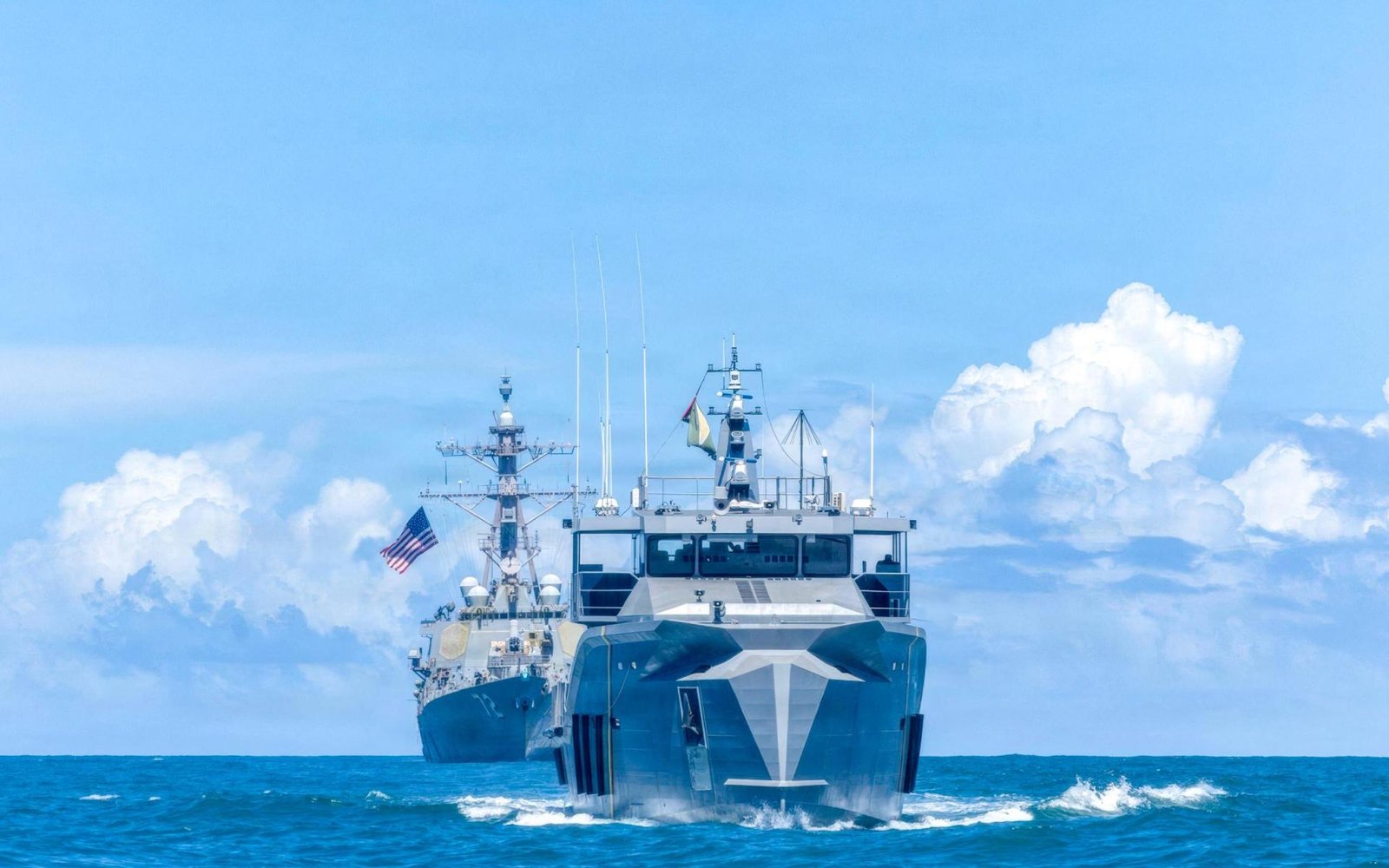
A controversial US military campaign targeting suspected drug-trafficking vessels has intensified, with the latest strike in the Caribbean Sea killing two people and pushing the total death toll to at least 188. The operation, carried out under the authority of Donald Trump’s administration, is rapidly becoming one of the most contentious elements of current US foreign and security policy, raising profound legal, ethical and geopolitical questions.
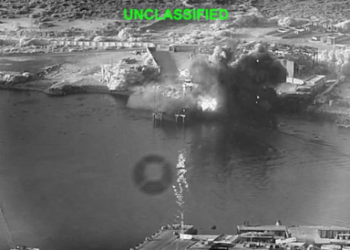
According to officials from United States Southern Command, the most recent strike took place on Monday in waters identified as part of known drug-trafficking routes. A video released by the military appeared to show a small vessel moving across open water before being engulfed in a powerful explosion. The individuals on board were described as “narco-terrorists,” though no further identifying details or evidence were provided to support that claim.
This latest incident is part of a broader campaign that began in September and has steadily escalated in both frequency and intensity. Initially limited to the Caribbean, the strikes have expanded into the eastern Pacific Ocean, reflecting what officials describe as an evolving strategy to disrupt transnational drug networks. Despite the growing scale of the operation, the US government has released little verifiable information about the identities of those targeted or whether the vessels were indeed carrying narcotics.

The campaign has unfolded against the backdrop of a wider geopolitical landscape marked by heightened tensions, including the ongoing Iran conflict. Yet rather than slowing down, US operations in Latin American waters have accelerated in recent weeks, signalling a sustained commitment to what the administration has framed as a war against “narcoterrorism.”
Trump has repeatedly defended the strikes, asserting that the United States is engaged in an “armed conflict” with drug cartels operating across the western hemisphere. He has argued that the aggressive use of military force is necessary to curb the flow of narcotics into the US and to prevent the thousands of overdose deaths recorded each year. Supporters within his administration have echoed this position, portraying the campaign as a decisive break from previous policies that relied primarily on interception and arrest.
However, critics argue that the shift from law enforcement to military action represents a dangerous precedent. Legal experts and human rights organisations have questioned whether the United States has the authority under international law to carry out lethal strikes against individuals suspected of criminal activity, particularly in international waters. Concerns have also been raised about due process, as those targeted are effectively denied the opportunity to defend themselves in court.
Reports indicate that some of the victims may not have been involved in drug trafficking at all. Families and regional governments have suggested that fishermen and other civilians could have been caught up in the strikes, although confirming such claims has proven difficult due to the lack of transparency surrounding the operations.
The campaign’s origins are closely tied to a broader US strategy in Latin America, which has included an unprecedented military build-up in the region. The strikes began months before a dramatic operation in January that led to the capture of Nicolás Maduro, who was subsequently transported to New York to face drug trafficking charges. Maduro has denied all allegations and pleaded not guilty, but his arrest marked a significant escalation in US involvement in regional affairs.
For many observers, the targeting of boats represents a symbolic and practical shift in US counter-narcotics policy. Traditionally, American efforts focused on intercepting shipments, dismantling supply chains and prosecuting traffickers through legal channels. The current approach, by contrast, relies on pre-emptive lethal force, with the aim of deterring traffickers through fear and disruption.
Yet the effectiveness of this strategy remains hotly debated. Analysts point out that only a small proportion of drugs entering the United States are transported via maritime routes in the Caribbean, with land-based trafficking networks playing a far more significant role. This raises questions about whether the campaign is addressing the core drivers of the drug trade or merely targeting its more visible manifestations.
Moreover, the lack of publicly available evidence has fuelled scepticism about the administration’s claims. While military officials insist that intelligence confirms the involvement of targeted vessels in narcotics trafficking, they have not disclosed the nature of that intelligence or provided independent verification. This opacity has made it difficult for external observers to assess the legitimacy of the strikes.
International reaction has been mixed but increasingly critical. Governments in Latin America have expressed concern about the potential violation of sovereignty and the risk of civilian casualties. In Mexico, officials have warned against any expansion of US military operations into their territory, underscoring the sensitivity of cross-border security issues.
Human rights groups have been even more outspoken, with some describing the campaign as a series of extrajudicial killings. They argue that drug trafficking, while a serious criminal offence, does not constitute an armed conflict under international law and therefore does not justify the use of military force. Calls have been made for independent investigations and greater oversight, both within the United States and through international bodies.

Within the US itself, the campaign has sparked debate among lawmakers and legal scholars. Questions have been raised about whether the president has exceeded his authority by ordering military strikes without explicit congressional approval. Others have highlighted the potential long-term consequences of normalising such tactics, warning that they could erode established legal norms and set a precedent for future conflicts.
Despite these concerns, there is little indication that the administration intends to scale back the operations. On the contrary, recent activity suggests an expansion of both the geographic scope and operational tempo of the campaign. With each new strike, the cumulative death toll continues to rise, reinforcing the sense that the United States has entered a new and uncertain phase in its fight against drug trafficking.
As the debate intensifies, the human cost of the campaign remains at the forefront. The lives lost in these strikes—whether traffickers, civilians or something in between—highlight the complex and often tragic realities of modern security policy. For supporters, the campaign represents a necessary response to a deadly crisis. For critics, it is a troubling departure from the rule of law.
What is clear is that the issue is unlikely to fade from the international agenda. As scrutiny grows and pressure mounts for accountability, the US government will face increasing demands to justify its actions and provide transparency. Whether it can do so without undermining its strategic objectives remains one of the central questions shaping this unfolding story.
Related News:
 Cartel crackdown raises fears of fresh violence
 US states redraw maps after voting rights ruling
 Gunman Killed After White House Security Shootout
 Israeli Strike in Southern Lebanon Kills Seven
 Is America Ready for an AOC Presidential Run?
 UK University Faces Counter-Terror Probe Over China Pressure
 Ukraine-Russia war latest: Putin’s troops exploit bad weather to force Kyiv withdrawal from multiple towns
 New Epstein Files Spark Political Clash in Washington
 Ukraine Energy Corruption Scandal Hits Zelensky’s Inner Circle
 Greene Pushes Epstein Files Amid Trump Fallout
 UN Security Council Approves Trump’s Gaza Peace Plan
 WhatsApp Messages Expose Nathan Gill’s Bribery
 Venezuela Threatens Nobel Winner Machado with Fugitive Status
 Trump Envoy to Discuss Ukraine Peace at Kremlin
 Two National Guard Soldiers Critically Injured Near White House
 Video shows Israeli troops kill Palestinians after surrender
 Trump to Recheck Green Cards from 19 Nations After DC Attack
 Guinea-Bissau President Flees After Military Coup
 American Mother Extradited From UK to U.S. on Murder Charges
 Trump Escalates Minnesota Immigration Surge Amid Rising Tensions
 Greenland Faces Pivotal Summit Over Arctic Power Struggle
 Trump Threatens Strong Action If Iran Executes Protesters
 Trump Receives Machado’s Nobel Medal in White House Meeting
 EU Says US Ties Have Suffered ‘Big Blow’ After Greenland Crisis
 Thousands Protest ICE Operations in Nationwide US Day of Action
 Epstein Files Reveal Trump Officials’ Emails with Financier
 Thousands Protest ICE in New York Against Trump Deportation Campaign
 Trump Praises ‘Terrific’ Petro After White House Talks
 Clinton Testimony Erupts in Fiery Exchange
 Trump Faces Questions Over Iran Conflict Plan
 UK Prepares Aircraft Carrier for Middle East Crisis
 Pete Hegseth Iran War Remarks Spark Alarm
 Trump’s Harsh Rhetoric on Iran Sparks Global Alarm
 Melania Trump Epstein remarks spark survivor backlash
 Swalwell Faces Pressure to Quit Governor Race
 Iran Crisis Tests Trump’s Global Leadership
 Ben Roberts-Smith Denies War Crime Allegations in First Statement
 Trump Faces Crisis as Iran Reopens Hormuz Tensions
 Harmeet Dhillon Faces Scrutiny in DOJ Role Debate
 Charles Faces Trump Test in High-Stakes US Visit
 UK Stands Firm on Falklands Amid US Rift
 US Labor Department in turmoil after secretary resigns
 Trump DOJ Targets James Comey Again
 FBI Links Brown University Shooting to Long-Term Grievances
 US Charges Sinaloa Governor in Major Cartel Case
 US Court Ruling Reshapes Voting Rights Landscape
 Trump orders US troop pullout from Germany
 Judge halts deportation of Yemeni refugees in US
 Trump likens US Navy actions to ‘pirates’
 Trump approval plunges amid Iran war fears
 Giuliani hospitalised in critical condition
 Ohio’s Battle for Trust: Democrats Vying to Flip the Buckeye State
 Trump Threatens UN Budget Cuts as US Pushes ‘Trade Over Aid’ Agenda
 Trump warns Iran as Middle East tensions surge again
 Indiana Republicans Defy Trump in Key Vote Test
 US Court Restores Abortion Pill Access Temporarily
 Ohio Primaries Set Stage for Crucial Midterms
 Afghan Families Left in Limbo Face Risk of Deportation
 Tensions Emerge in Netanyahu-Trump Alliance
 Search Intensifies for Missing Hiker on WA Bibbulmun Track
 US Awaits Iran Reply on New Ceasefire Proposal
 Immigration Judges Fear Pressure in Trump Era
 US judge dismisses Kilmar Abrego Garcia indictment
 Hormuz Talks Near Critical Stage
 Trump’s Revenge Drive Deepens GOP Divide
 Former ICC prosecutor condemns US sanctions
 Trump Claims Iran Peace Deal Near Completion
 Irish Gangland Figure Fails in Dublin Election Bid
 DeSantis’s ‘Alligator Alcatraz’ Faces Final Shutdown
 US Midterm Primaries: Democrats Target Key Republican Seats
 House Curbs Trump’s War Powers in Rare Rebellion
 Murder Probe Continues After Arrest Release
 Ukraine Creates Long-Range Strike Command
 Dreyfus Statue Finally Gets Permanent Paris Home
 Mystery Grows Over Mitch McConnell’s Health
 Senate Halts Defense Bill Over Iran Clashes
 Trump Jokes, Jabs and Press Tensions at WHCA Dinner
 Houthis Strike Saudi Arabia as Middle East Tensions Rise
 Five Years of Taliban Rule Leave Afghanistan in Crisis
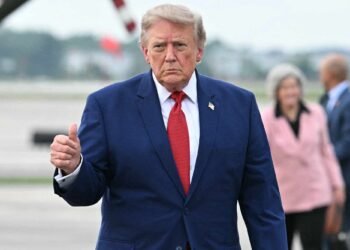 Trump dismisses concerns over 250-day carrier deployment