Published: 23 May 2026 | The English Chronicle Desk | The English Chronicle Online
Fresh diplomatic efforts in the Middle East have signalled what could become a decisive moment in one of the world’s most dangerous geopolitical confrontations. Qatar has reportedly dispatched a team of senior mediators to Tehran as negotiations surrounding the strategically vital Strait of Hormuz appear to approach a critical phase. The talks are believed to focus on reopening maritime access through the narrow waterway in exchange for phased sanctions relief and the unfreezing of Iranian financial assets currently restricted by the United States and its allies.
The Strait of Hormuz, which connects the Persian Gulf to the Arabian Sea, remains one of the world’s most important shipping corridors, carrying a significant share of global oil and gas exports. Any threat to navigation through the passage immediately reverberates through international energy markets, global trade systems and diplomatic alliances. In recent months, escalating tensions involving Iran, the United States and Israel have raised fears that the region could spiral into a broader conflict capable of disrupting international commerce on an unprecedented scale.
According to diplomatic sources familiar with the ongoing discussions, the immediate objective of the negotiations is to establish a temporary memorandum of understanding that would prevent further escalation in the strait. The proposed arrangement would reportedly pave the way for a 30-day negotiation period focused on Iran’s nuclear programme, temporarily postponing one of Washington’s most controversial demands: that Tehran surrender its stockpile of highly enriched uranium.

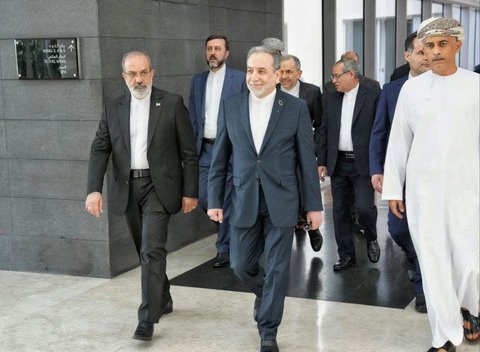
The involvement of Qatar has attracted considerable international attention. Doha has long maintained a reputation as one of the Middle East’s most effective diplomatic intermediaries, having previously facilitated sensitive negotiations involving Afghanistan, Gaza and various regional disputes. Until now, mediation between Tehran and Washington had largely been managed by Oman and more recently Pakistan. Qatar’s direct participation suggests negotiators believe a potential breakthrough may finally be within reach.
At the same time, Pakistan has continued to play a central role in the diplomatic process. Reports indicate that Pakistan’s powerful military chief, Field Marshal Asim Munir, was expected to travel to Tehran for additional consultations. Islamabad has increasingly positioned itself as a bridge between rival powers in the region, while also maintaining strategic relations with China, Saudi Arabia and the United States.
Pakistan’s government is believed to be exploring proposals that would involve international oversight mechanisms for the Strait of Hormuz, possibly including a United Nations-backed maritime arrangement. Such proposals are intended to reassure Gulf nations and international shipping operators concerned about Iran’s recent attempts to establish greater control over maritime traffic passing through the waterway.
The United States has publicly acknowledged limited diplomatic progress while simultaneously maintaining pressure on Tehran. US Secretary of State Marco Rubio stated that discussions had shown “a little progress,” but he firmly rejected any suggestion that Iran could impose tolls or fees on commercial shipping passing through the strait. Washington argues that the waterway constitutes an international maritime route and should remain free from unilateral financial or military restrictions.
Iran recently announced the creation of a new body known as the Persian Gulf Strait Authority, or PGSA, which would reportedly oversee shipping routes and regulate vessel movement through waters under Iranian jurisdiction. Critics fear the organisation could eventually be used to extract transit payments from international vessels or increase Tehran’s leverage over global energy markets during future disputes.
The proposal has alarmed several Gulf Arab states. Bahrain, Kuwait, Qatar, Saudi Arabia and the United Arab Emirates have jointly submitted concerns to international maritime authorities, warning that any recognition of Iran’s proposed shipping framework could create dangerous legal and political precedents. The countries argued that Tehran’s approach risks transforming an internationally shared maritime corridor into a zone subject to political pressure and economic coercion.
Oman, despite sharing strategic control of the southern side of the strait, has reportedly adopted a more cautious position. Muscat has historically maintained balanced relations with both Iran and Western powers and has often served as a discreet mediator during regional crises. However, officials remain wary of any arrangement that could destabilise shipping security or undermine international maritime norms.
The diplomatic activity has intensified against the backdrop of continuing military tensions. Reports in American media suggest that the United States has considered the possibility of launching additional strikes on Iranian-linked targets, although officials insist no final military decision has been taken. The speculation emerged shortly after President Donald Trump cancelled plans to attend a family event, citing urgent government responsibilities tied to ongoing international developments.
Iranian officials, however, continue to insist that the current negotiations focus primarily on ending hostilities and preventing wider conflict rather than addressing nuclear concessions. Tehran has repeatedly demanded guarantees that future military attacks by either the United States or Israel will not occur if a diplomatic settlement is reached.
Iran also seeks a phased lifting of economic sanctions, compensation for damage caused during recent military confrontations and the release of frozen financial assets held abroad. These demands remain highly sensitive in Washington, where many political figures continue to argue that Tehran should first make significant nuclear concessions before receiving economic relief.
Complicating matters further is the unresolved issue of Iran’s enriched uranium stockpile. President Trump recently reignited controversy by insisting the United States would ultimately take control of the material. Russia has reportedly offered to receive and store the uranium, though Iranian authorities insist any reduction process should occur within Iranian territory under domestic supervision.

Analysts believe both Washington and Tehran are attempting to manage public messaging carefully, particularly because instability surrounding the Strait of Hormuz has already placed pressure on global oil prices. Energy traders remain highly sensitive to any suggestion that shipping routes could face disruption, while governments worldwide fear the economic consequences of sustained instability in the Gulf region.
Diplomatic observers now believe the coming days could determine whether the region moves toward de-escalation or slips deeper into confrontation. Although major disagreements remain unresolved, the increasing involvement of regional mediators and the continuation of direct communication channels have created cautious optimism that a temporary understanding may still be achievable.
For now, international attention remains fixed on Tehran, Doha and Washington as negotiators attempt to prevent one of the world’s most strategically important waterways from becoming the centre of a far wider geopolitical crisis.
Related News:
 US Awaits Iran Reply on New Ceasefire Proposal
 Southeast Asia Turns to Russia Amid Energy Crisis
 Trump approval plunges amid Iran war fears
 Trump Threatens UN Budget Cuts as US Pushes ‘Trade Over Aid’ Agenda
 Houthis Strike Saudi Arabia as Middle East Tensions Rise
 Canada Passes Carney’s First Budget in Tight Parliamentary Vote
 India’s Labour Law Overhaul Sparks Fierce Debate
 Trump to Recheck Green Cards from 19 Nations After DC Attack
 Carney’s Alberta Pipeline Deal Sparks Immediate Pushback
 Trump Escalates Minnesota Immigration Surge Amid Rising Tensions
 Greenland Faces Pivotal Summit Over Arctic Power Struggle
 Mark Carney Walks Diplomatic Tightrope on China Visit
 Trump Threatens Strong Action If Iran Executes Protesters
 Government Unveils Northern Powerhouse Rail Plans
 Trump Receives Machado’s Nobel Medal in White House Meeting
 Trump Fed bid heads to Supreme Court
 EU Says US Ties Have Suffered ‘Big Blow’ After Greenland Crisis
 Thousands Protest ICE Operations in Nationwide US Day of Action
 Epstein Files Reveal Trump Officials’ Emails with Financier
 Thousands Protest ICE in New York Against Trump Deportation Campaign
 Trump Praises ‘Terrific’ Petro After White House Talks
 Sanders Condemns Billionaire ‘Greed’ in California Tax Debate
 Clinton Testimony Erupts in Fiery Exchange
 Nine Killed in Karachi Consulate Protest
 UK Prepares Aircraft Carrier for Middle East Crisis
 Pete Hegseth Iran War Remarks Spark Alarm
 Trump to Deploy “God Squad” Over Gulf Wildlife Protections
 Can Congress Stop US Sports Teams From Moving Cities?
 Trump’s Harsh Rhetoric on Iran Sparks Global Alarm
 Trump Slams UK Ties and Threatens To Rewrite Trade Deal
 Iron Worker Challenges Trump Loyalist in Ohio
 Trump Faces Crisis as Iran Reopens Hormuz Tensions
 Charles Faces Trump Test in High-Stakes US Visit
 UK Stands Firm on Falklands Amid US Rift
 US Labor Department in turmoil after secretary resigns
 US Calls Australia Media Law “Foreign Extortion”
 Capitalism ‘Suicidal’, Warns Petro at Climate Summit
 Oil Prices Surge Above $120 Amid Iran Blockade Fears
 US Court Ruling Reshapes Voting Rights Landscape
 US states redraw maps after voting rights ruling
 Trump orders US troop pullout from Germany
 Judge halts deportation of Yemeni refugees in US
 Trump likens US Navy actions to ‘pirates’
 Giuliani hospitalised in critical condition
 Ohio’s Battle for Trust: Democrats Vying to Flip the Buckeye State
 Trump warns Iran as Middle East tensions surge again
 Australia pushes Pacific security pact amid China tension
 US ‘Narco Boat’ Strikes Draw Global Outcry
 Indiana Republicans Defy Trump in Key Vote Test
 Ohio Primaries Set Stage for Crucial Midterms
 Afghan Families Left in Limbo Face Risk of Deportation
 Tensions Emerge in Netanyahu-Trump Alliance
 Norway Doubles Down on Oil and Gas for Europe Energy Security
 One Nation Stuns Australia With Historic Farrer Win
 Beijing Becomes Centerstage for Global Diplomatic Ballet
 Kevin Warsh sworn in as Fed chair amid economic backlash
 UK Pushes for New EU Goods Trade Deal
 Reeves Fights to Keep Treasury Role Amid Labour Turmoil
 China mine blast death toll rises to 90
 Trump’s Revenge Drive Deepens GOP Divide
 Discontent grows around Putin amid war strain
 Former ICC prosecutor condemns US sanctions
 Gunman Killed After White House Security Shootout
 Trump Claims Iran Peace Deal Near Completion
 US Midterm Primaries: Democrats Target Key Republican Seats
 House Curbs Trump’s War Powers in Rare Rebellion
 Millions Gather for Khamenei’s Six-Day State Funeral
 Europe Weighs Hormuz Navigation Fee Plan
 Ukraine Creates Long-Range Strike Command
 Mystery Grows Over Mitch McConnell’s Health
 Trump Refuses to Sign Housing Bill, But Law Takes Effect
 Venezuela Quake Death Toll Surpasses 4,000
 Senate Halts Defense Bill Over Iran Clashes
 Trump Jokes, Jabs and Press Tensions at WHCA Dinner
 Taliban global ties grow as rights fears mount
 Seoul proposes historic peace talks to replace Korean War armistice
 Israeli Strike in Southern Lebanon Kills Seven
 Is America Ready for an AOC Presidential Run?
 Five Years of Taliban Rule Leave Afghanistan in Crisis
 Trump dismisses concerns over 250-day carrier deployment