Published: 23 May 2026 | The English Chronicle Desk | The English Chronicle Online.
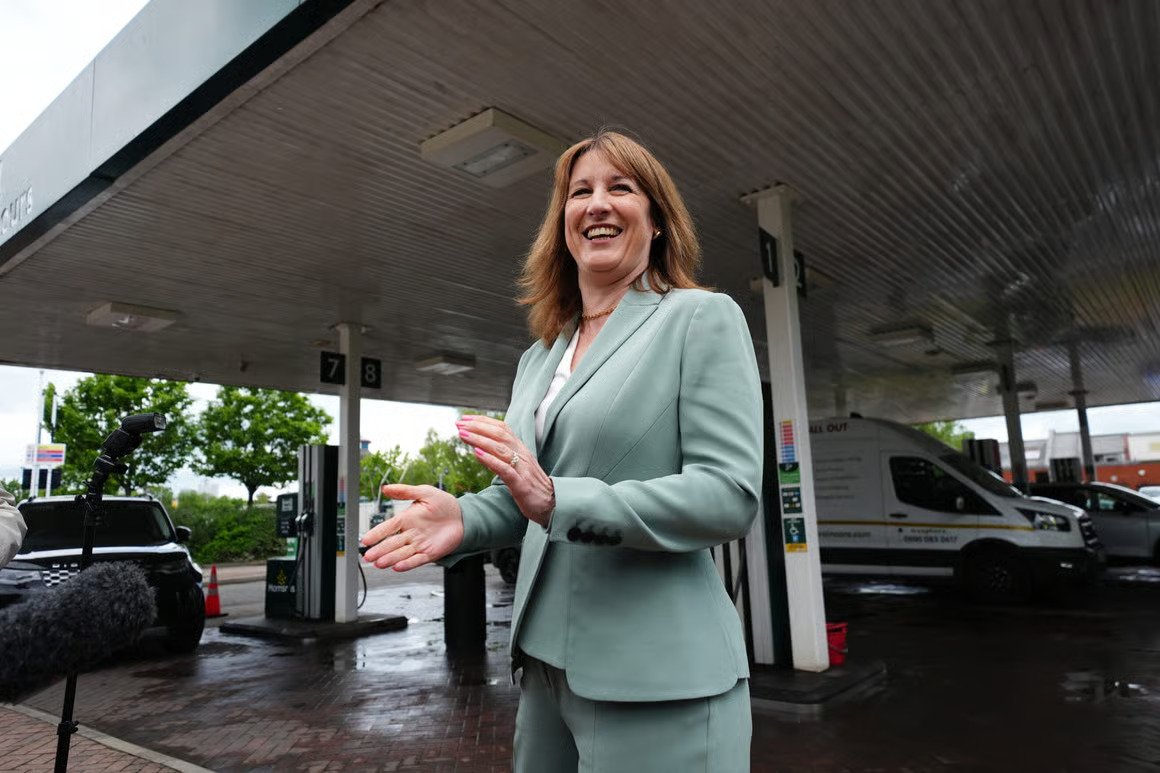
Britain’s political landscape has entered another period of turbulence as Chancellor Rachel Reeves quietly begins a determined effort to secure her future at the Treasury amid mounting uncertainty over Prime Minister Keir Starmer’s leadership. Behind closed doors, allies of the chancellor are urging Labour MPs to retain Reeves in her powerful economic post even if the party undergoes a dramatic leadership transition later this year.
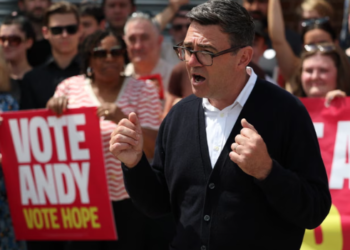
The growing manoeuvring inside Labour comes as senior figures increasingly speculate about the possibility of Manchester mayor Andy Burnham emerging as a challenger capable of replacing Starmer should political pressure intensify after the crucial Makerfield byelection. While Labour publicly insists the government remains united, conversations among MPs, advisers and party strategists suggest preparations are already underway for a potential reshaping of the cabinet and the direction of Britain’s economic policy.
At the centre of this internal struggle stands Reeves, whose allies argue that removing her from the Treasury during a fragile economic period would risk alarming financial markets and undermining investor confidence in Britain. Supporters of the chancellor have reportedly spent recent days contacting MPs privately, presenting Reeves as the only senior Labour figure capable of maintaining fiscal stability while navigating rising inflationary pressures, energy uncertainty and the broader global economic slowdown triggered by geopolitical tensions.

One Labour figure close to Reeves described the situation as a battle over “credibility and continuity”, warning that replacing both the prime minister and the chancellor simultaneously could send shockwaves through Britain’s already sensitive bond markets. According to several party insiders, Reeves has been candid in private discussions about her desire to remain at the Treasury regardless of who eventually leads Labour.
The political tensions have intensified after reports emerged suggesting Burnham may consider appointing Energy Secretary Ed Miliband as chancellor if he secures the leadership. Such speculation has alarmed some centrist Labour MPs and Reeves supporters, who fear markets may view Miliband’s interventionist economic instincts as a risk to fiscal discipline. Critics within the party claim investors remain deeply sensitive after years of economic instability, Brexit uncertainty and volatile global markets.
Although neither Reeves nor Miliband publicly commented on the reports, the mere suggestion of a contest over the Treasury has revealed widening ideological divisions within Labour. Reeves has long championed cautious spending rules, strict borrowing limits and market confidence, while Miliband has consistently prioritised large-scale green investment and state-led economic transformation.
Those contrasting visions have become increasingly significant as Labour struggles to balance economic credibility with rising public frustration over living costs, housing pressures and strained public services. Some MPs privately acknowledge that Reeves’ strict fiscal approach has protected Britain from harsher market reactions, yet others argue her policies have contributed to unpopular decisions that alienated traditional Labour voters.
The tensions come despite what many inside government view as one of Reeves’ strongest weeks since entering office. Earlier in the week, the International Monetary Fund upgraded Britain’s growth forecast, raising expectations for economic expansion this year. Inflation figures also unexpectedly fell faster than analysts predicted, offering Reeves a temporary political boost after months of criticism over household affordability pressures.
At the same time, the government unveiled measures designed to ease the burden on struggling families during the summer months. Reeves announced temporary VAT reductions on family entertainment venues, including theme parks and soft play centres, as part of a broader cost-of-living initiative branded internally as the “Great British Summer Savings” package.
Treasury officials reportedly celebrated the successful rollout of the policy, particularly because details of the plan remained secret until the formal announcement. Insiders said the initiative had been internally codenamed “Project Mint” to minimise leaks before Reeves presented the measures publicly.
Beyond the economic announcements, Reeves has also adopted a more assertive public persona in recent weeks. During a media appearance, she confronted a Reform UK supporter who interrupted an interview with criticism of Labour and Starmer. Her sharp response, defending civility and “good manners”, was widely circulated online and praised by some Labour MPs seeking stronger public messaging against populist attacks.
Later the same evening, Reeves hosted dozens of Labour MPs at Downing Street, where she reportedly adopted a confident tone while discussing criticism from supermarket executives over government proposals related to voluntary price controls. According to attendees, Reeves joked that retailers attacking the government publicly were unintentionally helping Labour’s political messaging.
Still, despite signs of renewed confidence, Reeves faces substantial obstacles. Many Labour MPs blame her for some of the government’s most controversial economic decisions, including reductions in winter fuel support and attempts to reform disability benefits. Critics inside the party argue that Reeves’ commitment to strict borrowing rules has limited Labour’s ability to respond more aggressively to social hardship.
Others remain unconvinced by claims that only Reeves can reassure markets. Several MPs insist Labour’s fiscal framework is already firmly established across the party and does not depend on any single individual. One MP argued privately that every member of the parliamentary party understood the importance of maintaining economic credibility and responsible spending.
The uncertainty surrounding Labour’s future leadership has also revived old tensions between Reeves and Miliband dating back to the party’s years in opposition. During that period, disputes reportedly emerged over the scale of Labour’s proposed green investment programme, with Reeves favouring more restrained spending commitments while Miliband pushed for ambitious climate-related investment.
Those divisions now carry greater significance as Labour prepares for a potentially defining political period. Burnham’s growing prominence has fuelled speculation about whether Labour may pivot toward a more populist and interventionist economic strategy should Starmer’s authority weaken further.

Political analysts suggest the battle over who controls the Treasury may ultimately prove nearly as important as the contest for the leadership itself. Financial markets, international investors and business leaders are all closely monitoring whether Labour maintains its commitment to fiscal restraint or shifts toward a more expansive economic model.
Meanwhile, Reeves’ allies continue lobbying behind the scenes, hoping to convince colleagues that stability at the Treasury is essential at a time when Britain faces global instability, energy uncertainty and persistent pressure on household finances. Whether that argument succeeds may determine not only Reeves’ political survival but also the future direction of Labour’s economic agenda.
Related News:
 UK Wage Growth Slows as Jobs Market Holds Firm
 BBC News Faces Deep Cuts in 2,000 Job Plan
 UK Pushes for New EU Goods Trade Deal
 Labour MPs Urge Burnham to Revive UK Aid Target
 Wealthy Britons Flee Gulf War but Avoid UK Taxes
 UK Doubles Steel Tariffs to 50% to Protect Domestic Plants
 New UK advice scheme to boost savings and investing
 UK rejects EV charging VAT cut amid Treasury clash
 Rachel Reeves to lead UK trade push in Saudi Arabia amid rights debate
 British Woman in Iran ‘Losing Hope’ Amid Ongoing Detention
 BBC Journalist Held and Interrogated in Vietnam
 Trump’s UK Ambassador Urges North Sea Drilling to Strengthen US Ties
 Rachel Reeves Set to Break Labour Pledge and Raise Income Tax
 UPS Cargo Plane Crash in Kentucky Kills Seven
 MPs Press Rachel Reeves to Hike Gambling Taxes
 Millionaires group urge Reeves to introduce wealth tax to ‘lift kids out of poverty’
 Canada Passes Carney’s First Budget in Tight Parliamentary Vote
 Rama Rebukes Mahmood for Targeting Albanian Families
 Russian Vessel Used Lasers on RAF Pilots, UK Claims
 PM Highlights UK Business at G20 in South Africa
 India’s Labour Law Overhaul Sparks Fierce Debate
 Starmer Says Labour’s Economic Plan Needs Years to Deliver
 Mark Carney Walks Diplomatic Tightrope on China Visit
 UK Government Borrowing Drops to £11.6bn in December
 UK and EU Signal Fresh Push for Defence Cooperation Talks
 UK New Car Discounts Near £6,000 as Prices Are Slashed
 Starmer Condemns ‘Depraved’ Russian Strikes on Ukraine
 UK shelves £110m border project amid trade strain
 Trump and Chagos Deal Rift Over Iran Strikes
 UK Sees Record £30.4bn Budget Surplus, Boosting Reeves’ Position
 Trump Tariffs Threat Spark UK and EU Alarm
 Reeves Must Back Defence Plan or Face Dismissal, Says Unite Chief
 OBR Reform Row Deepens Before Spring Forecast
 Global markets face turmoil as Hormuz crisis deepens
 Gordon Brown urges court for crimes against children
 Yvette Cooper: UK Must Follow Principles, Not US Pressure
 UniCredit’s Bold Move to Reshape European Banking
 Farage Faces Backlash Over Crypto Cameo Endorsements
 UK Minister Denies Iran Missile Threat to Britain
 Starmer Adviser Urges New Profit Cap on Energy Firms
 Middle East Conflict to Hit UK Economy Hardest
 Trump to Deploy “God Squad” Over Gulf Wildlife Protections
 Army Probes Apache Flyover at Kid Rock’s Nashville Estate
 Relationship with Trump may be beyond repair, Starmer warned
 Unions Raise Concerns Over Doctors’ Pay Dispute
 Student Loan Interest May Rise Despite 6% Cap
 Trump Slams UK Ties and Threatens To Rewrite Trade Deal
 Trump Faces Crisis as Iran Reopens Hormuz Tensions
 Iran Reimposes Strait of Hormuz Restrictions Amid Tension
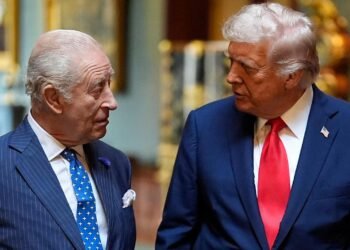 Charles Faces Trump Test in High-Stakes US Visit
 UK Stands Firm on Falklands Amid US Rift
 Southeast Asia Turns to Russia Amid Energy Crisis
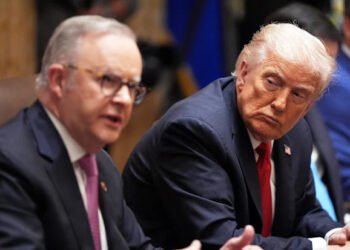 US Calls Australia Media Law “Foreign Extortion”
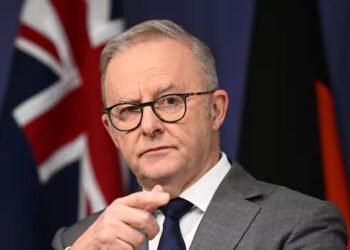 Albanese Rejects Gas Export Tax Push
 Capitalism ‘Suicidal’, Warns Petro at Climate Summit
 Oil Prices Surge Above $120 Amid Iran Blockade Fears
 $13bn World Cup Set to Break All Revenue Records
 Silent Tracks: Rail Line Without Passengers
 Trump approval plunges amid Iran war fears
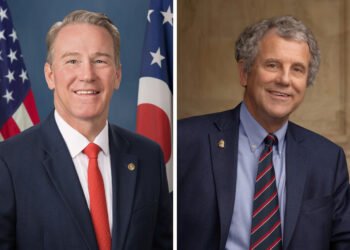 Ohio’s Battle for Trust: Democrats Vying to Flip the Buckeye State
 Trump Threatens UN Budget Cuts as US Pushes ‘Trade Over Aid’ Agenda
 US Awaits Iran Reply on New Ceasefire Proposal
 Labour Faces Internal Pressure for Bold Economic Shift
 Kevin Warsh sworn in as Fed chair amid economic backlash
 Hormuz Talks Near Critical Stage
 Albanese Defends Tax Reforms Amid Emotional Speech
 UK Urged to Build EU Rejoin Consensus, Says Miliband
 Discontent grows around Putin amid war strain
 Trump Claims Iran Peace Deal Near Completion
 Nationwide Faces Governance Scrutiny Ahead of AGM
 Starmer Leadership Under Pressure After Setbacks
 Hungary Targets Oligarchs with Proposed Landmark Wealth Tax
 Deadly Russian Air Raids Strike Across Ukraine
 Hospitality Traders to Exploit Summer VAT Cut Loophole
 Andy Burnham Enlists Economic Heavyweights for Leadership Bid
 Great Britain Faces £90bn Electricity Grid Rewire Bill
 New South Wales Premier Chris Minns Signals Tough Road Ahead for Labor
 Ukraine Creates Long-Range Strike Command
 Trump Refuses to Sign Housing Bill, But Law Takes Effect
 EasyJet Takeover Sparks Fears Over Passengers’ Future