Published: 24 May 2026. The English Chronicle Desk. The English Chronicle Online.
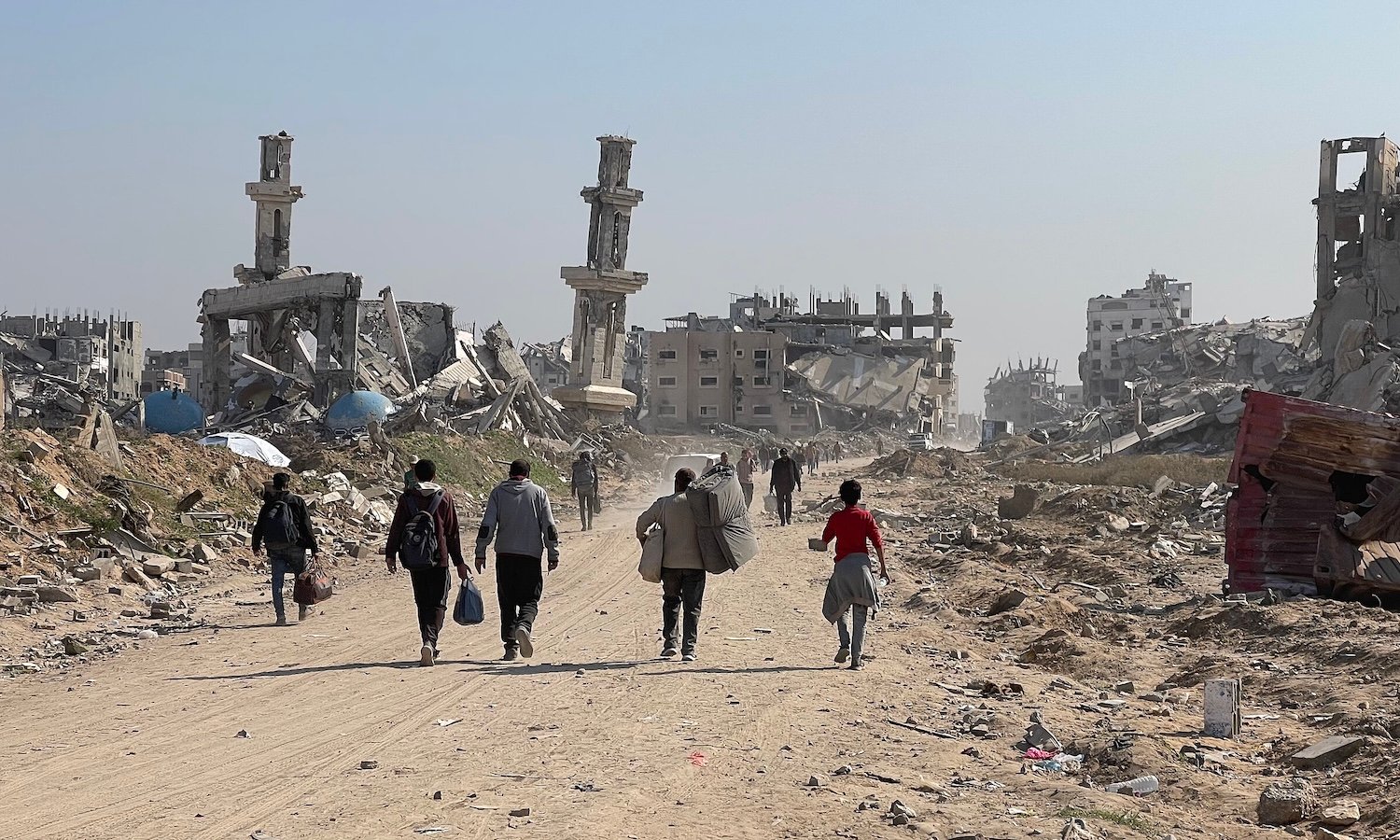
A growing number of conflicts around the world are increasingly using hunger as a weapon of war, with new analysis revealing more than 20,000 documented incidents of attacks on food systems, markets, farmland, and aid distribution networks since 2018.
The findings, based on data compiled by researchers at Insecurity Insight and released ahead of the anniversary of UN Security Council Resolution 2417, highlight what experts describe as a sustained and worsening pattern of “food-related violence” across multiple conflict zones.
The analysis shows that attacks have not only targeted military infrastructure but have increasingly focused on the systems that sustain civilian populations. These include marketplaces used for daily food shopping, agricultural land essential for crop production, and humanitarian supply routes responsible for delivering aid to vulnerable communities.

According to the data, more than 21,000 incidents were recorded in 15 countries, with thousands of attacks directed at markets, farming areas, water infrastructure and food distribution systems. Researchers also identified hundreds of incidents where aid workers and civilians attempting to access food were killed or injured during violent operations.
Among the most severely affected regions is the occupied Palestinian territories, where the report records thousands of incidents involving damage to food infrastructure. Other heavily impacted areas include Yemen and Sudan, where ongoing conflicts have severely disrupted supply chains and contributed to widespread food insecurity.
The research highlights that the targeting of food systems has become a recurring feature of modern warfare, rather than an isolated consequence of conflict. Analysts say the deliberate destruction or disruption of food access represents a strategic method of exerting pressure on civilian populations and weakening societal stability.
Humanitarian organisations warn that such tactics are contributing to rising levels of famine risk in several regions. In Sudan, for example, recent attacks on markets have resulted in significant civilian casualties, while also destroying essential supply points used by local communities. Similar patterns have been reported in parts of Syria, Mali, and other conflict-affected states where governance structures have weakened.
Experts involved in the research argue that the trend reflects a broader failure by the international community to enforce existing legal frameworks designed to prevent starvation as a method of warfare. UN Security Council Resolution 2417, adopted in 2018, explicitly condemns the use of starvation against civilians and calls for accountability when humanitarian access is deliberately obstructed.
However, researchers say that despite the resolution’s legal and moral clarity, implementation has been inconsistent. The continued rise in documented incidents suggests that enforcement mechanisms remain weak, allowing violations to persist across multiple conflict zones.
Humanitarian groups have expressed concern that the scale of food-related violence is often underreported, particularly in remote or inaccessible regions. Many incidents go undocumented due to ongoing insecurity, limited monitoring capacity, and restrictions on media access in active war zones.
Aid organisations also report that civilians are increasingly exposed to danger simply while attempting to obtain basic food supplies. Between late 2023 and 2025, thousands of people were reportedly killed or injured while travelling to markets, collecting aid, or waiting at distribution points.
According to researchers, women and children are disproportionately affected by the disruption of food systems. In many conflict-affected communities, women often bear the primary responsibility for securing household food, forcing them to travel longer distances in dangerous conditions or reduce their own food intake to prioritise dependents.
The report warns that the long-term consequences of sustained food insecurity extend beyond immediate survival risks. Malnutrition in children, reduced educational opportunities, and long-term health impacts are all cited as lasting effects of conflict-driven hunger.

International agencies have repeatedly stressed that conflict remains the leading driver of acute food insecurity worldwide, accounting for a significant share of global hunger cases. Recent UN assessments suggest that a small number of conflict-affected countries now account for the majority of the world’s most severe food crises, indicating a growing concentration of humanitarian emergencies.
Aid workers say that despite repeated warnings, attacks on food systems continue with alarming frequency, often with limited accountability. They argue that stronger international action is needed not only to respond to famine conditions after they occur, but to prevent the deliberate targeting of food infrastructure in the first place.
The findings have renewed calls for greater political commitment from member states to enforce international humanitarian law and ensure that starvation is not used as a weapon in modern warfare. Experts warn that without stronger deterrence, the trend of food-related violence is likely to continue, deepening global hunger crises and increasing instability in already fragile regions.
Related News:
 Ukraine Urges UK to Seize Russian Oil Tankers
 Middle East Crisis Escalates as Oil Routes Shake Markets
 Israeli Strikes in Lebanon Kill 10 Amid Ceasefire Strain
 Former ICC prosecutor condemns US sanctions
 Houthis Strike Saudi Arabia as Middle East Tensions Rise
 Thousands Protest ICE Operations in Nationwide US Day of Action
 UK Prepares Aircraft Carrier for Middle East Crisis
 Ukraine war briefing: Zelenskyy offers help to Saudi Crown prince on combatting Iranian drones
 Saudi Arabia Urging US to Keep Up Iran Attacks
 Death, displacement and military duties: children plunged into crisis
 Netanyahu Vows Continued Lebanon Strikes Amid Peace Talks
 US and Iran Pursue Extension of Ceasefire via Pakistan
 Aid Crisis Grows as Hormuz War Disrupts Supply
 Activists allege abuse after Gaza flotilla seizure
 Global order shifts amid Trump-era turmoil
 Tensions Emerge in Netanyahu-Trump Alliance
 Putin Declares Russia Victory at Scaled Victory Day Parade
 Netanyahu Calls Early Election Amid Coalition Turmoil
 Ebola outbreak in DRC overwhelms health system as cases surge
 Iran To Propose New Shipping Fees In Strait Of Hormuz
 Grief and Devotion Amidst the Rubble of Nabatieh
 High Drama in Tehran Over Secret Nuclear Letters
 Taliban global ties grow as rights fears mount
 Just Stop Oil Protesters Convicted Amid Climate Defence Row
 US Justice Department Files Lawsuit Against California Over Partisan Voting Maps
 Trump Deploys DHS to Charlotte in Major Arrest Operation
 Tokyo court rules Japan’s same-sex marriage ban constitutional
 Gulf states warn Trump Iran strikes risk wider Middle East war
 Iran unrest slows under brutal crackdown and global tensions
 Epstein Files Reveal Trump Officials’ Emails with Financier
 Iran-Iraq Border Strikes Spark New Front Fears
 Seventh US Service Member Killed in Iran Conflict Identified
 Tehran Strikes Mark War’s Most Devastating Night
 Iran Defiance Grows Amid US-Israel War Pressure
 Abramovich Chelsea Sale Cash Faces Jersey Probe
 Injured Mojtaba Khamenei Elevated as Iran Leader
 US Missile Strike on Iran School Sparks Global Shock
 Iran Gulf attacks escalate as ships and airports targeted
 Gaza Detainee Abuse: Israel Drops Charges Against Soldiers
 Lebanon Ground Campaign Raises Occupation Fears
 Gulf Tensions Rise as Iran Alleges Covert Support
 Iranian President’s Son Shares Wartime Hopes and Fears
 Diplomacy on the Brink: Pakistan’s Risky Peace Mission
 Iran Drone Strike Hits Kuwaiti Oil Tanker in Dubai Port
 Trump Slams Europe as Transatlantic Tensions Boil Over
 Report Says Pezzullo Acted ‘Recklessly’ in Dealings
 Trump’s Six-Week Iranian War: The High Cost of Ignorance
 The Price of Hubris: Trump, Netanyahu, and the ‘Easy’ War
 Trump and Tehran Find Common Ground in Landmark Ceasefire
 Israel Defies Ceasefire as Lebanon Operations Persist
 Pakistan Brokers Historic Peace Deal Amid Rising Tensions
 Islamabad Hosts Historic Peace Talks Between Iran and USA
 Hungary election: Orbán faces biggest test amid scandal
 Suspected Plot Targets Pipeline Before Hungary Vote
 Reeves Slams Trump Over Iran War Lack Of Exit Plan
 Ben Roberts-Smith Denies War Crime Allegations in First Statement
 Learner Driver Charged After Expo Tragedy
 Oil Prices Surge Above $120 Amid Iran Blockade Fears
 Trump orders US troop pullout from Germany
 Japan Protests Erupt Over Plans to Revise Constitution
 FIFA Confirms Global Ban for Benfica Star Prestianni
 New South Wales Wetland Rescue Legislation Passes
 Trump Announces 3-Day Russia–Ukraine Ceasefire Deal
 Trump Rejects Tehran Peace Plan as Regional Truce Crumbles
 US and Mexico Face Heatwave as Floods Batter South Africa
 Putin Signals War End as Russian Momentum Stalls
 Fear and Betrayal: The Chilling Case of Kouri Richins
 Scepticism and tight security as Beijing braces for Trump
 Philippine Senator Flees After Days Under Senate Siege
 Tensions Flare as Israeli Nationalists March in Jerusalem
 Fragile Truce Shattered as Violence Escapes Diplomatic Control
 Discontent grows around Putin amid war strain
 US Strikes Iranian Sites Amid Shaky Ceasefire Talks
 Israel Intensifies Lebanon Strikes to Crush Hezbollah
 US and Iran Trade Fresh Strikes, Threatening Ceasefire
 Aukus Deal Facing Fierce Backing and Historic Criticism
 Thai Princess Bajrakitiyabha Passes Away at 47
 Iran Mourns: Millions at Khamenei’s Final Procession
 Le Pen’s Popularity Holds Despite Conviction
 Yemen Accuses Iran of Violating National Sovereignty