Published: 12 June 2026. The English Chronicle Desk. The English Chronicle Online.
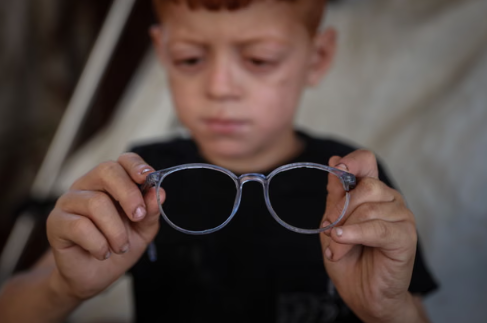
The power of social media often brings forgotten struggles to the forefront of global awareness. Recently a heartbreaking video captured the pure anguish of a young Palestinian boy in Gaza. Seven-year-old Ayoub Junaid weeped bitterly over his shattered spectacles on a ruined street corner. Ayoub suffers from a profound visual impairment that makes clear sight completely impossible without aid. His desperate tears have resonated with tens of millions of empathetic viewers around the world. The poignant footage highlights the immense suffering endured by countless vulnerable children within the region. Ongoing conflict and a strict blockade have utterly devastated the local medical infrastructure over time. Consequently young patients cannot access essential eye examinations or critical corrective lenses today. Specialist ophthalmic surgery has also become an unobtainable dream for those facing permanent blindness.
The viral nature of the video thankfully brought swift assistance to this specific family. Generous global donors quickly stepped forward to provide Ayoub with a new pair of glasses. This kind gesture offered immediate comfort but the underlying medical crisis remains entirely unresolved. Ayoub still requires urgent specialized surgery that cannot be performed under current local conditions. His devoted mother Eman Junaid is currently living displaced near the Gaza City port. She explained that her son developed severe nearsightedness following a very high fever in infancy. A local doctor initially suggested his vision would naturally improve as he grew much older. Unfortunately the exact opposite occurred and his vision has steadily deteriorated with each passing year. The highly specialized lenses he now requires are simply unavailable anywhere inside the territory. The family actively prepared to travel abroad for treatment just before the war began. Sudden conflict halted all international travel and shattered their hopes for an immediate cure.
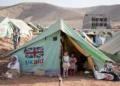
Life inside a crowded refugee tent presents daily hazards for a child who cannot see. Ayoub rarely leaves the cramped shelter because the outside world is far too dangerous. When he wants to play with his siblings he clings tightly to his glasses. The young boy moves with extreme caution to avoid any sudden falls or collisions. He never runs or jumps freely like the other children living around the camp. Doctors strictly warned his parents that any head trauma could severely detach his fragile retinas. Ayoub frequently asks his mother why his life is so different from his peers. He wonders why other children do not need thick glasses to navigate their surroundings. The young boy questions why he cannot attend school or run around the camp. These innocent questions break his mother’s heart as she struggles to provide comforting answers.
The fragile nature of his existence became painfully clear during a walk late last April. While walking along a rubble-strewn road with a relative Ayoub accidentally tripped and fell. He struck his face hard against the ground and completely smashed his precious glasses. The young boy instantly burst into tears and rolled on the dirt in despair. He desperately tried to piece the broken shards of glass back together right there. For Ayoub those specific glasses represented his only connection to the world around him. Even with the lenses his vision was poor and required holding objects very close. Without them he was rendered almost entirely blind and could not move at all.
The days following the accident were incredibly distressing for the entire displaced Junaid family. For nearly four days Ayoub refused to leave a dark corner of the tent. He was completely unable to move around without constant physical assistance from his relatives. When he attempted to walk alone he would crouch very close to the ground. He brought his eyes inches from the floor to recognize any vague shapes ahead. Relatives repeatedly tried to repair the frame but the lenses were far too damaged. The viral video was filmed after the distraught family finally returned to their tent. On the street his crying was much worse as he begged for his sight.
The new glasses have slightly improved Ayoub’s emotional state over the last few days. He appears more willing to interact with international visitors and people offering kind words. While this psychological change is modest it brings his family a small sense of relief. However the replacement lenses do not match the precise prescription his eyes actually require. His vision remains severely strained and the threat of permanent damage grows daily. His mother knows that temporary fixes cannot replace the complex surgery he desperately needs.
The broader healthcare situation in Gaza is described as catastrophic by senior medical officials. The prolonged conflict has completely devastated eye care services across the entire coastal territory. Thousands of visually impaired patients are left without any treatment due to severe shortages. Hospitals lack basic medical consumables along with advanced surgical microscopes and phaco machines. Reports indicate that over two thousand eight hundred patients are currently awaiting cataract surgery. The total backlog for complex procedures now exceeds four thousand urgent cases across the region. Corneal transplants and glaucoma operations have been postponed indefinitely due to the ongoing crisis.
Compounding the crisis is the total shutdown of major specialized medical facilities nearby. Intense bombardment forced the closure of the Government Eye Hospital located in Gaza City. This vital institution was the only public eye care center operating in the territory. Dr Hussam Dawoud explained that they are operating at a fraction of normal capacity. The senior consultant noted that a lack of surgical tools hampers their daily work. He directly blamed strict import restrictions for the absolute depletion of their medical stores.
Furthermore doctors are tracking a worrying rise in severe corneal infections among refugees. Overcrowded living conditions and poor sanitation create a breeding ground for dangerous optical bacteria. Limited access to basic antibiotic drops means minor infections quickly escalate into permanent blindness. This optical crisis is just one facet of a much larger humanitarian disaster. Gaza now has the highest percentage of child amputees per inhabitant anywhere on earth. Tens of thousands of sick youth require urgent medical evacuations to survive their injuries. Latest health figures suggest four thousand children need immediate transfer to international hospitals.
Humanitarian workers on the ground witness the daily impact of these medical shortages firsthand. Dr Irdi Memaj confirmed that breaking a pair of glasses causes prolonged effective blindness. Replacement lenses are practically impossible to find anywhere within the local market right now. He stated that forty percent of patients at his clinic are young children. New environmental hazards like rampant rat infestations now threaten sleeping children in the tents. In response Israeli authorities stated they place no quantitative restrictions on incoming medical supplies. They claim to actively facilitate the entry of humanitarian trucks containing essential equipment. Despite these claims the reality on the ground remains incredibly grim for children like Ayoub. His story remains a powerful symbol of innocent lives caught in geopolitical crossfire.
Related News:
 Gambia Supreme Court Hears Case to Overturn FGM Ban
 Iran Death Toll Crisis Exposed: Bodies, Mass Graves, and Concealment
 Files Link Andrew to Epstein Dinner After Prison Release
 Thousands Protest ICE in New York Against Trump Deportation Campaign
 Concerns rise for Canberra boy amid Iran detention fears
 Brazilian Politician Brothers Sentenced for Marielle Murder
 Anthony Albanese Must Uphold Rights for All Australians
 Woman Executed in Somalia Sparks Debate on Justice System
 Uganda Crackdown: Two Women Arrested for Public Kissing
 Slovenia Election: A Nation at a Crossroads
 Police Seek Immunity in Indigenous Custody Death Case
 Manila Transport Crisis: Fuel Costs Hit Breaking Point
 UN Warns Israeli Death Penalty Bill Could Be a War Crime
 Spain Faces Backlash Over Xenophobic Chants in Egypt Draw
 A Global Voice For Justice: Stephen Lewis Dies At Age 88
 Artist Sues in Paris Over Israeli Strike Killing Parents
 Canadian Mother and Daughter Released From ICE Detention
 Bondi Nanny Adriana Rivas to Face Extradition to Chile
 Queensland Youth Justice Debate: The Data Behind the Law
 Gaza Child Arrives in UK for Life-Changing Care
 Brisbane Rideshare Driver Faces Serious Assault Charges
 Tragedy in the Channel as Four Lives Lost in Boat Sinking
 Kyiv and Odesa Mourn After Deadly Wave of Russian Strikes
 France Urges Release of Elderly Widow Held by ICE
 Trump Weighs Sending Afghan Allies to the Congo
 Prominent Voices Challenge Palestine Action Ban
 Standoff Over Syria: Australia Defies Trump Repatriation Plea
 Desperation in Odisha: A Brother’s Grim Bank Protest
 Activists allege abuse after Gaza flotilla seizure
 Australia Faces Rising Tide of Modern Antisemitism
 Security Failures and the Road to the Bondi Inquiry
 Mexico’s Missing: State Complicity in a Growing Crisis
 Nobel Laureates Demand Release of Activist Narges Mohammadi
 Plea for Mercy: The Battle to Bring Ahmed al-Doush Home
 Court Upholds Landmark Win for Transgender Rights
 Taliban Codifies Strict New Marriage and Divorce Legislation
 Israeli Strikes in Lebanon Kill 10 Amid Ceasefire Strain
 US judge dismisses Kilmar Abrego Garcia indictment
 Former ICC prosecutor condemns US sanctions
 Trump Faces Legal Blow Over Global Tariffs
 Silenced Stitches: The Cost of Memory in Hong Kong
 Saudi Officials Report Zubaidi Flee Before Yemen Peace Talks
 US Senate rejects resolution limiting Trump military powers
 Gulf states warn Trump Iran strikes risk wider Middle East war
 Geopolitical football: Iran, Trump and the World Cup clash
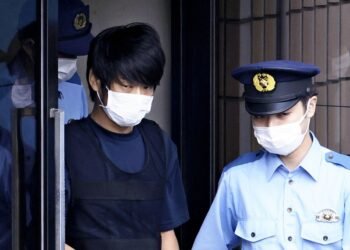 Shinzo Abe’s killer receives life sentence in Japan
 China General Under Investigation Amid Leadership Purge
 Ukraine Sends Drone Experts to Defend US Bases in Jordan
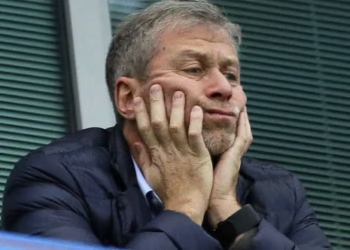 Abramovich Chelsea Sale Cash Faces Jersey Probe
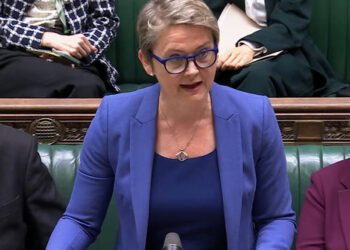 Yvette Cooper: UK Must Follow Principles, Not US Pressure
 Trump Slams Europe as Transatlantic Tensions Boil Over
 Hope and Fear as Iranians Flee Across the Turkish Border
 Reform UK Pledges To Halt Visas Over Reparations Demands
 Starmer visits Gulf as US and Iran agree ceasefire
 Asylum Seekers Bound in Restraints During Removal Flights
 US and Iran Pursue Extension of Ceasefire via Pakistan
 Pakistan’s Ambitious Bid for Middle East Peace
 Israeli Soldiers Jailed Over Vandalism of Lebanese Statue
 Merz Criticises US Approach in Iran Conflict
 UK Envoy Sparks Controversy Over Special Relationship Claims
 Ukraine Urges UK to Seize Russian Oil Tankers
 The Billionaire’s Secretary and the £1m Fraud
 Ukraine strikes Tuapse as oil disaster worsens
 Three Australian Women Detained Over Islamic State Links
 Immigration Judges Fear Pressure in Trump Era
 US and Mexico Face Heatwave as Floods Batter South Africa
 French Patient Told Hantavirus Was Just Anxiety
 Putin Signals War End as Russian Momentum Stalls
 Romania’s Judicial Crisis: A System Under Siege
 Philippine Senator Flees After Days Under Senate Siege
 Alberta Separatist Bid Blocked by Canadian Court
 Big Tobacco Under Fire Over Controversial New Ad Campaign
 Liberal Senator Criticises Immigration Rhetoric
 Senate Moves to Restrict Trump’s War Powers on Iran
 ICC Arrest Warrant Threat Sparks West Bank Retaliation
 Tony Abbott Returns as New Liberal Party President
 US green card applicants must apply from abroad, DHS says
 Discontent grows around Putin amid war strain
 Global Tech Giants Face Off Against Australia Over Media Levies
 Ukraine Turning the Tide: Zelenskyy Reclaims the Initiative Against Isolated Russia