Published: 12 June 2026. The English Chronicle Desk. The English Chronicle Online.
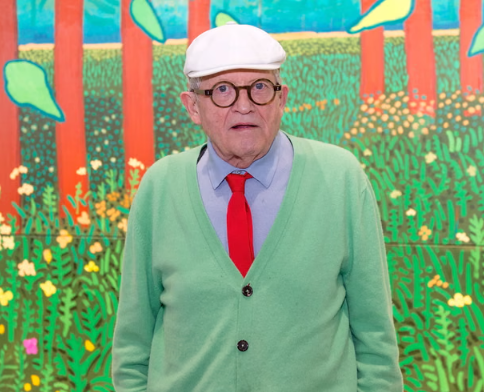
The contemporary art world is mourning a profound loss after the passing of David Hockney. The legendary British painter has died at the age of eighty-eight after a brilliant career. He completely transformed the visual landscape of the twentieth century with his remarkably bold creative vision. His unique artistic achievements redefined modern painting and captured the essence of multiple generation-defining cultural movements. He rose to international prominence as a leading figure within the vibrant sixties pop art scene. His stunning depictions of sun-drenched California swimming pools soon became definitive symbols of modern aesthetic expression. These legendary masterpieces beautifully captured a distinct blend of relaxed luxury and deep emotional complexity. His brilliant artistic legacy spans more than six incredible decades of constant visual experimentation. The creative world will forever remember his incredible ability to reinvent his artistic style continuously. He refused to be constrained by traditional boundaries or fixed artistic definitions throughout his life.
The extraordinary journey of this iconic creative pioneer began in the industrial north of England. He was born in Bradford in nineteen thirty-seven to a passionate working-class family. His open-minded parents recognized his immense natural talent and strongly encouraged his early creative endeavors. He pursued his formal artistic education at Bradford College with immense dedication and focus. The young artist sold his very first painting for just ten pounds in nineteen fifty-seven. This historic early piece was a deeply personal portrait of his beloved and supportive father. He then completed two years of national service working diligently as a hospital orderly. This crucial period of alternative service reflected his deeply held beliefs as a conscientious objector. He subsequently entered the prestigious Royal College of Art in London in nineteen fifty-nine. His exceptional talent quickly captured the attention of both his peers and academic instructors. However, his strong rebellious streak became equally apparent during his formative time in London.
The young student frequently challenged established academic traditions and rigid institutional regulations with confidence. He famously refused to complete a traditional life drawing of a female model during classes. Instead, he provocatively submitted a striking depiction of a muscular male figure for evaluation. This bold piece was directly inspired by popular physique magazines of that specific era. He also refused to write the mandatory final essay required for his graduation. He firmly believed that artists should be judged solely on their visual creative output. Recognizing his extraordinary genius, the institution wisely modified its strict rules to award his degree. This early academic rebellion set the tone for a thoroughly uncompromising and magnificent career. He consistently used his growing platform to challenge conservative societal norms and outdated artistic conventions. His nineteen sixty-one painting titled We Two Boys Together Clinging demonstrated this radical approach. This pioneering artwork explicitly explored themes of male affection during a highly restrictive cultural era.
His subsequent artistic creations continued to portray gay lifestyle choices with unprecedented visual honesty. These candid artistic representations emerged when homosexual acts remained completely illegal within the United Kingdom. His distinct personal style made him an instantly recognizable figure in popular culture. He famously sported bleach-blond hair alongside thick round spectacles and an omnipresent dangling cigarette. He moved effortlessly through glamorous social circles alongside cultural icons like Andy Warhol. This vibrant lifestyle earned him a widespread reputation as a dedicated bohemian socialite. Despite this love for celebration, he maintained an incredibly powerful and disciplined Yorkshire work ethic. He remained entirely devoted to his craft even when facing significant personal health challenges. A serious stroke in twenty twelve temporarily impaired his normal speech but never halted his painting. His absolute devotion to creating new images remained the central focus of his existence.
A major geographical shift occurred when he relocated to sunny Los Angeles during the sixties. This dramatic change of scenery sparked a remarkably mature and emotionally resonant creative period. His new paintings masterfully conveyed complex human emotions within seemingly simple suburban domestic settings. His legendary nineteen seventy-two pool painting eventually achieved a staggering record-breaking milestone at auction. The masterpiece sold for over ninety million dollars at Christie’s in twenty eighteen. This incredible sale established a historic world record for any living artist at that time. The poignant composition was deeply rooted in the painful aftermath of a romantic relationship. Leading contemporary art critics praised the work as a perfect distillation of love and sorrow. His creative process shifted again when he accidentally discovered the potential of photocollage techniques. This discovery happened while using a Polaroid camera to capture quick reference shots for painting.
He enthusiastically began assembling multiple photographs together to create complex and layered composite images. He affectionately referred to these highly innovative multi-layered photographic creations as joiners. This brilliant technique allowed him to explore fresh perspectives reminiscent of classic cubist masters. These captivating photographic experiments drew frequent and favorable comparisons to the work of Pablo Picasso. His insatiable creative curiosity naturally led him to explore diverse artistic mediums in later life. He designed spectacular and highly acclaimed stage sets for major international opera productions. The rapid evolution of consumer technology deeply fascinated him throughout his twilight years. He enthusiastically adopted photocopiers, fax machines, and digital drawing applications to produce vibrant art. He frequently created beautiful digital paintings on his iPad to email directly to friends. He remained firmly convinced that all technology should ultimately serve the creation of images.
He was also famous for his fierce defense of personal freedom and smoking. He publicly criticized the British smoking ban as an unnecessary piece of social engineering. He eventually returned to his beloved native Yorkshire to live and work in twenty five. However, deep personal tragedy struck his close-knit household several years after his return. His young studio assistant tragically passed away after consuming dangerous substances at his home. A formal coroner’s inquest later ruled the unfortunate death a result of misadventure. This devastating event deeply affected the artist and temporarily halted his ability to draw. He struggled intensely with grief before eventually finding solace in his work once more. His fiercely independent spirit also guided his relationship with the British establishment throughout his life. He reportedly turned down an official knighthood from the monarchy on multiple occasions. He also famously declined a prestigious invitation to paint an official portrait of the Queen.
He preferred to maintain his complete intellectual independence away from formal state honors. His radical theories regarding art history were published in an incredibly controversial volume. He argued that old masters secretly utilized sophisticated optical devices to achieve realism. This fascinating thesis sparked intense debates among traditional historians and contemporary art experts alike. He always maintained that teaching people to draw was essentially teaching them to look. His extensive body of work permanently altered how humanity perceives the modern world. Yet, the modest artist rarely dwelled on his massive historical impact or enduring legacy. He preferred to focus entirely on the creative potential of the present moment. His inspiring life philosophy was beautifully summarized by his own famous declarative words. He firmly believed that the most important time to experience is always right now. His timeless masterpieces will continue to inspire future generations of artists across the globe.
Related News:
 Saudi Officials Report Zubaidi Flee Before Yemen Peace Talks
 UK Targets in New York Bomb Threat Hoax: Man Jailed
 Gambia Supreme Court Hears Case to Overturn FGM Ban
 Trump targets Iran trade with 25% tariff warning
 US Senate rejects resolution limiting Trump military powers
 Gulf states warn Trump Iran strikes risk wider Middle East war
 Machado Trump medal gesture reshapes Venezuela power struggle
 Geopolitical football: Iran, Trump and the World Cup clash
 Canada-China trade gains momentum in new strategic partnership
 Syria President Declares Victory as Ceasefire Reached with SDF
 Shinzo Abe’s killer receives life sentence in Japan
 China General Under Investigation Amid Leadership Purge
 Philippines ferry disaster leaves 15 dead, dozens missing
 Cambridge Faces Scrutiny Over Arms Investment Transparency
 Concerns rise for Canberra boy amid Iran detention fears
 Ukraine Sends Drone Experts to Defend US Bases in Jordan
 Abramovich Chelsea Sale Cash Faces Jersey Probe
 Yvette Cooper: UK Must Follow Principles, Not US Pressure
 Jury Rules Meta and YouTube Liable for Addictive Design
 Saudi Arabia Urging US to Keep Up Iran Attacks
 The Woman Guarding Earth From the Threat of Asteroids
 Exiled Tycoon Warns of New Russian Attacks on UK Soil
 LA 2028: Millions of Affordable Olympic Tickets Announced
 Trump Slams Europe as Transatlantic Tensions Boil Over
 Inside the Deceptive Machine: A Former Producer Speaks Out
 Spain Faces Backlash Over Xenophobic Chants in Egypt Draw
 A Global Voice For Justice: Stephen Lewis Dies At Age 88
 Hope and Fear as Iranians Flee Across the Turkish Border
 Reform UK Pledges To Halt Visas Over Reparations Demands
 US and Iran Agree to Two-Week Provisional Ceasefire
 Starmer visits Gulf as US and Iran agree ceasefire
 Pakistan Brokers Historic Peace Deal Amid Rising Tensions
 Trump Signals Hope for New Iran Talks as Ceasefire Fades
 US and Iran Pursue Extension of Ceasefire via Pakistan
 Trump’s Islamabad Gamble: The High Stakes of a New Iran Deal
 The General’s Gambit: Pakistan’s New Role in Global Peace
 Mexico, Spain and Brazil call for Cuba dialogue amid crisis
 Pakistan’s Ambitious Bid for Middle East Peace
 Israeli Soldiers Jailed Over Vandalism of Lebanese Statue
 Trump Weighs Sending Afghan Allies to the Congo
 Trump Threatens UK With Big Tariff Over Tech Tax
 Prominent Voices Challenge Palestine Action Ban
 Security Scrutiny After Washington Shooting Incident
 Merz Criticises US Approach in Iran Conflict
 UK Envoy Sparks Controversy Over Special Relationship Claims
 Ukraine Urges UK to Seize Russian Oil Tankers
 US Calls Australia Media Law “Foreign Extortion”
 The Billionaire’s Secretary and the £1m Fraud
 Ukraine strikes Tuapse as oil disaster worsens
 Brewing Tension: Taiwan Baristas Rebrand for World Stage
 Tensions Emerge in Netanyahu-Trump Alliance
 Mission to the World’s Edge: A Heroic Rescue in Tristan
 US and Mexico Face Heatwave as Floods Batter South Africa
 Mexico’s Missing: State Complicity in a Growing Crisis
 French Patient Told Hantavirus Was Just Anxiety
 The Long Way Home: Australia’s High-Stakes Virus Mission
 Putin Signals War End as Russian Momentum Stalls
 Romania’s Judicial Crisis: A System Under Siege
 Lee Lai Makes History with Landmark Stella Prize Victory
 Philippine Senator Flees After Days Under Senate Siege
 Alberta Separatist Bid Blocked by Canadian Court
 Big Tobacco Under Fire Over Controversial New Ad Campaign
 Bolsonaro Son Tape Scandal Sparks Massive Brazil Backlash
 Court Upholds Landmark Win for Transgender Rights
 Liberal Senator Criticises Immigration Rhetoric
 Senate Moves to Restrict Trump’s War Powers on Iran
 ICC Arrest Warrant Threat Sparks West Bank Retaliation
 Taliban Codifies Strict New Marriage and Divorce Legislation
 Tony Abbott Returns as New Liberal Party President
 Tulsi Gabbard exits after turbulent intelligence tenure
 Discontent grows around Putin amid war strain
 Trump Diplomacy Faces Hurdles from Tehran to Tbilisi
 Teaching Machines Right From Wrong in the Digital Age
 Trump Faces Legal Blow Over Global Tariffs
 Washington Brokerage Sparking Hope Amid Regional Firestorms
 New York Consumer Watchdog Tackles Corporate Lawbreaking
 Global Tech Giants Face Off Against Australia Over Media Levies
 ANU Reputation Crumbles Under Leadership Woes and Huge Losses
 Ukraine Turning the Tide: Zelenskyy Reclaims the Initiative Against Isolated Russia
 Millions in British Charity Funds Linked to Illegal Settlements