Published: 19 June 2026
The English Chronicle Desk
The English Chronicle Online
Tensions along the Israel-Lebanon border have intensified after Lebanese authorities reported that Israeli strikes killed 18 people, while Israel said four of its soldiers were killed in attacks attributed to Hezbollah.
The latest violence marks another significant escalation in the long-running conflict between Israel and the Iran-backed Lebanese militant group, raising concerns among regional leaders and the international community about the possibility of a broader confrontation.

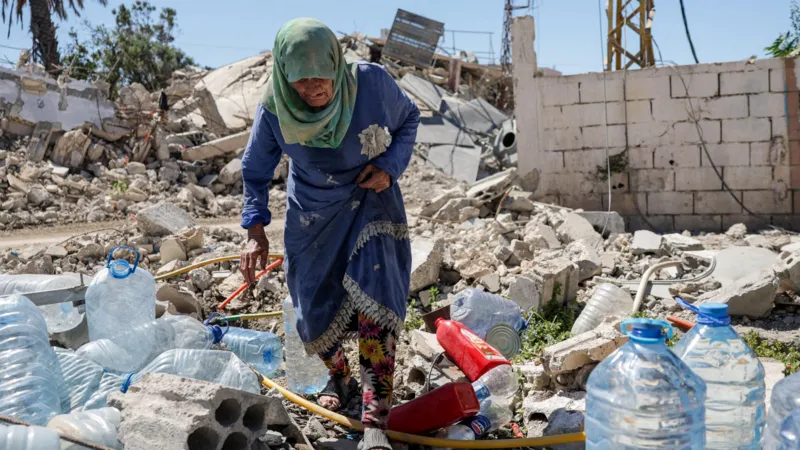
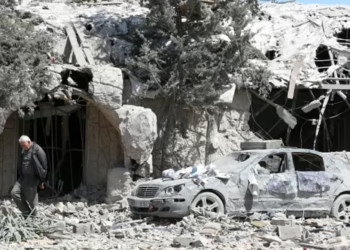
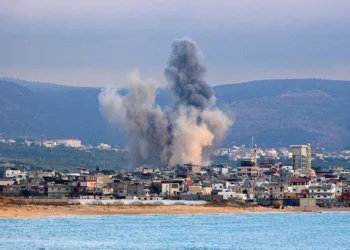
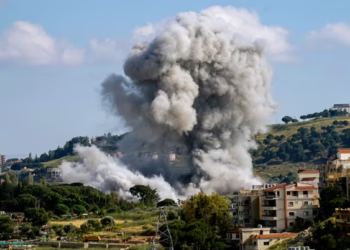
According to Lebanese officials, a series of Israeli airstrikes targeted multiple locations in southern Lebanon, causing casualties and damage to residential areas and infrastructure. Emergency crews were deployed to affected communities as rescue operations continued into the night.
Authorities said at least 18 people were killed in the strikes, although the identities of all victims had not been immediately released. Hospitals in the region reportedly received dozens of injured individuals, with medical staff working under challenging conditions to provide treatment.
Israel’s military said the operations were carried out in response to security threats and attacks originating from Lebanese territory.
At the same time, Israeli officials confirmed that four soldiers had been killed in incidents linked to Hezbollah activity near the border.
The Israeli military described the deaths as a serious loss and said investigations were underway into the circumstances surrounding the attacks.
Hezbollah, one of the most powerful armed groups in the Middle East, has exchanged fire with Israeli forces on numerous occasions in recent years.
The border region has experienced repeated outbreaks of violence since the start of wider regional tensions, with both sides accusing each other of escalating hostilities.
Military analysts say the latest exchange highlights the fragile security situation along the frontier.
While previous clashes have often remained limited in scope, there are growing fears that continued retaliation could trigger a larger conflict involving additional regional actors.
Residents on both sides of the border have faced ongoing uncertainty as military activity has increased.
In southern Lebanon, many families have been displaced by repeated strikes and security concerns, while communities in northern Israel have also experienced disruptions linked to rocket fire and evacuation measures.
International leaders have urged restraint.
Diplomatic efforts aimed at preventing further escalation have intensified, with several governments calling on all parties to avoid actions that could deepen instability in the region.
The United Nations expressed concern over the latest developments and reiterated appeals for compliance with international law and the protection of civilians.
Humanitarian organisations have also warned about the growing impact of the conflict on local populations.
Aid groups report that continued violence has placed additional pressure on healthcare services, infrastructure and communities already struggling with economic and social challenges.
Political observers note that the situation remains highly volatile.
Regional tensions involving Israel, Hezbollah and other armed groups have been influenced by wider geopolitical disputes, making diplomatic solutions increasingly complex.
Israeli officials maintain that military operations are necessary to protect national security and prevent attacks against civilians and soldiers.
Lebanese leaders, meanwhile, have condemned the strikes and called on the international community to intervene to prevent further loss of life.
The deaths of the four Israeli soldiers have also intensified public debate within Israel regarding military strategy and border security.
Tributes have been paid to the servicemen, while government leaders pledged continued support for the armed forces.
In Lebanon, local officials and community leaders have expressed grief over the civilian casualties reported in the strikes.
Funeral preparations were underway in several affected areas as families mourned those killed.
Security experts warn that each new exchange of violence increases the risk of miscalculation and unintended escalation.

The close proximity of military forces, combined with the complex network of regional alliances, means even limited clashes can rapidly develop into larger confrontations.
For now, diplomatic efforts continue alongside military operations, with international mediators seeking to reduce tensions and prevent further bloodshed.
However, with casualties reported on both sides and emotions running high, the prospects for an immediate de-escalation remain uncertain.
As the situation develops, attention will remain focused on whether diplomatic initiatives can contain the violence or whether the latest deadly exchanges will push the region toward a more dangerous phase of conflict.
Related News:
 Iran Says ‘Guiding Principles’ Agreed With US at Nuclear Talks
 US and Iran to Hold Talks as Pressure for Nuclear Deal Builds
 Months of Planning Behind US‑Israeli Mission to Target Iran’s Supreme Leader
 Cooper: Joining US Strikes on Iran ‘Not in Britain’s Interest’
 What Khamenei’s Death Means for Russia and China
 Trump’s Iran Endgame Unclear After Mixed Messaging on War Aims
 Israel Launches Fresh Strikes on Tehran & Beirut; US Warns “Hardest Hits” Ahead
 Saudi Arabia Urging US to Keep Up Iran Attacks
 Netanyahu Vows Continued Lebanon Strikes Amid Peace Talks
 US and Iran Pursue Extension of Ceasefire via Pakistan
 Global order shifts amid Trump-era turmoil
 Middle East Crisis Escalates as Oil Routes Shake Markets
 “The Pakistan Paradox”: Trump’s Peace Hopes Clouded by Blockades and ‘Red Line’ Caveats
 “The 14-Point Ultimatum”: Iran Reviews US Peace Proposal as Trump Predicts War Will Be ‘Over Quickly’
 Tensions Emerge in Netanyahu-Trump Alliance
 Netanyahu Calls Early Election Amid Coalition Turmoil
 “The Fragile Truce Shatters”: Israeli Airstrikes Kill 19 in Southern Lebanon as Clashes Escalate
 Israeli Strikes in Lebanon Kill 10 Amid Ceasefire Strain
 Hunger increasingly weaponised in global conflicts
 Former ICC prosecutor condemns US sanctions
 “A Fragile Ceasefire Shattered”: The Escalating Humanitarian and Security Crisis in Southern Lebanon
 “The Fragile Brink”: US Strikes Iranian Drone Sites Amid Stalled Peace Negotiations
 Iran and Israel Pause Strikes but Warn Retaliation Will Follow Any New Breach
 Israel-Iran Escalation May Strengthen Tehran’s Position in Future Negotiations
 Iran To Propose New Shipping Fees In Strait Of Hormuz
 Grief and Devotion Amidst the Rubble of Nabatieh
 Gulf states warn Trump Iran strikes risk wider Middle East war
 Machado Trump medal gesture reshapes Venezuela power struggle
 ‘I Would Scream in My Sleep’: Alawite Women from Syria Tell of Kidnap and Rape
 Indian University Kicked Out of AI Summit for Claiming Chinese Robot Dog as Its Own Invention
 Drugs, Denial, Stigma: Fiji’s HIV Crisis Hits Children
 Iran’s Regime Still Intact — Coming Days Will Test Its Survival
 Allies of US in the Gulf Bear Brunt of Iran Attacks
 In Maps: Strikes Across Iran and the Middle East
 US Iran Operation: Sixth Service Member Killed
 The Third Day of the US‑Israeli War With Iran
 Limited Flights Leave UAE But Disruption Continues Amid Iran Strikes
 Israel Launches Fresh Strikes on Tehran and Beirut on Day Four
 Israel Launches Ground Invasion of Lebanon Amid Widening Middle East War
 Civilian Deaths in Iran Pass 700 Amid Fear of Bombs and Regime Clampdown
 Middle East attacks intensify as Trump rejects Iran talks
 Iran-Iraq border airstrikes spark new tensions
 US Senate Backs Trump War Powers Amid Iran Missile Barrage
 Macron Finds ‘Freedom Fries’ Redemption in Iran Crisis
 ‘We Must Finish This’: Israelis Rally Behind War Effort as Iran Strikes Tel Aviv
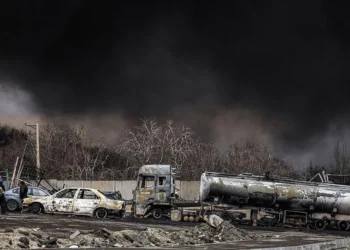 Nine Days of Strikes Reshape the Middle East
 Ukraine Sends Drone Experts to Defend US Bases in Jordan
 Iran’s New Leader Faces Existential Test
 Yvette Cooper: UK Must Follow Principles, Not US Pressure
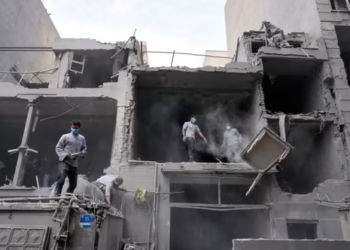 Trump Iran War Stance Hardens as Conflict Widens
 Israel Says Iran Security Chief Larijani ‘Killed’
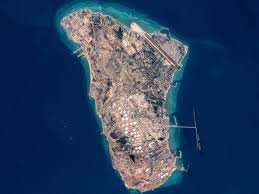 Trump Threatens Iran With Total Infrastructure Destruction
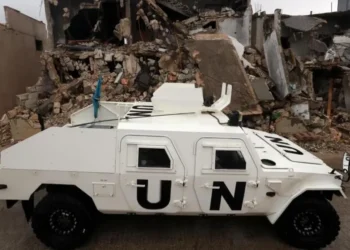 Tragedy in Lebanon: Two Indonesian UN Peacekeepers Killed in Border Explosion
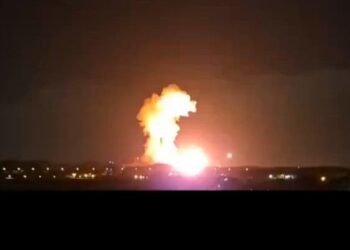 Chain of Fire: US Bunker Busters Strike Major Iranian Ammo Depot in Isfahan
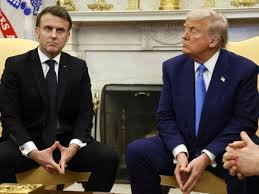 Trump Slams Europe as Transatlantic Tensions Boil Over
 ‘The Cost of Living’: Asia’s Migrant Workers Debate if Gulf Jobs are Worth the Risk of War
 ‘Blue Helmets’ in the Crossfire: Initial Probe Points to Roadside Bomb in Killing of UN Peacekeepers
 Hope and Fear as Iranians Flee Across the Turkish Border
 Pakistan Brokers Historic Peace Deal Amid Rising Tensions
 The General’s Gambit: Pakistan’s New Role in Global Peace
 Mexico, Spain and Brazil call for Cuba dialogue amid crisis
 Ukraine Urges UK to Seize Russian Oil Tankers
 US Calls Australia Media Law “Foreign Extortion”
 Ukraine strikes Tuapse as oil disaster worsens
 “The Tightrope Walk”: Lula and Trump Meet at White House to ‘Recalibrate’ Fractured Alliance
 “The Peace Dividend”: Oil Prices Plunge and Global Stocks Surge on Reports of Iran Ceasefire Deal
 “The Desecrated Grave”: West Bank Settlers Force Palestinian Family to Exhume Father’s Body
 US and Mexico Face Heatwave as Floods Batter South Africa
 The Long Way Home: Australia’s High-Stakes Virus Mission
 Putin Signals War End as Russian Momentum Stalls
 Philippine Senator Flees After Days Under Senate Siege
 “Hold Off”: Trump Pauses ‘Scheduled’ Strike After 11th-Hour Appeal From Gulf Allies
 Discontent grows around Putin amid war strain
 US Strikes Iranian Sites Amid Shaky Ceasefire Talks
 Israel Intensifies Lebanon Strikes to Crush Hezbollah
 Washington Brokerage Sparking Hope Amid Regional Firestorms
 Israel Strikes Iran After Missile Attack
 US Launches Strikes on Iran After Military Helicopter Downed Near Strait of Hormuz
 Three Indian Sailors Killed in US Strike on Tanker Near Oman as US–Iran Conflict Escalates
 Trump’s Iran Legacy Hangs on Tehran Deal