
Published: 03 July 2026. The English Chronicle Desk. The English Chronicle Online.
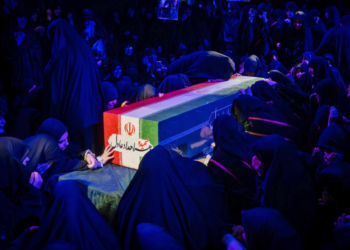
The quiet streets of Tehran transformed as dawn broke on this humid Friday morning. Police established strict roadblocks while workers erected tall stages and draped banners across major city thoroughfares. These vast preparations signify the commencement of a complex and emotional six-day mourning period for Ali Khamenei. Millions of citizens are expected to gather across the nation to honor their late supreme leader. Khamenei guided the Islamic Republic through thirty-six years of profound regional and internal turbulence. His sudden death occurred during the opening military engagement between Iran and US-Israeli forces in February. This elaborate funeral ceremony is designed to be a powerful display of national resilience and unity. Mourners have already begun congregating along main roads decorated with the iconic red fist symbol. Large posters feature the solemn slogan calling for the nation to rise in his memory. Officials displayed the coffin at a special ceremony dedicated to the families of fallen martyrs recently.
Mohammad Reza Aref, the lead funeral organiser, serves as the first vice-president for the Iranian government. He described the upcoming events as the most significant gathering since the historic 1979 revolution began. Ceremonies will officially begin on Saturday in the capital city of Tehran before moving across the country. The lengthy procession will finally conclude with the official burial in the holy city of Mashhad. Organisers explicitly designed the scale of this event to relay clear political messages to global observers. They aim to demonstrate unwavering Iranian resistance despite the heavy military pressure currently exerted by Western powers. At the specific request of Iraqi politicians, the body will also travel through Karbala and Najaf. These iconic Shia cities hold immense religious significance for the followers of the late supreme leader worldwide.
Public visibility remains a point of deep interest regarding the future of the nation’s fragile leadership. Posters throughout the city depict Mojtaba Khamenei, the son of the late leader, walking alongside his father. These images project a sense of continuity despite the severe tragedy that struck the family in February. However, Mojtaba is not expected to make any public appearance during these days of national mourning. Reports confirm he was severely injured during the same strike that claimed his father’s life earlier this year. That attack targeted a government residence in Tehran and tragically killed several other members of the family. The extent of his physical injuries remains unknown to the public and even to most international observers. He has only issued limited written statements to the press to maintain a sense of formal leadership. One recent statement distanced himself from current ceasefire negotiations while still authorizing their continued progress with foreign mediators.
Israel’s defence minister, Israel Katz, recently threatened to kill Mojtaba during a very public televised address. These hostile remarks have prompted aggressive calls from hardliners to reconsider the country’s existing ban on nuclear weapons. Mohammad Bagher Ghalibaf is the speaker of the parliament and currently acts as the chief negotiator for Iran. He issued an emotional message urging the nation to rise up and broadcast their collective call for justice. He insisted that the honorable people of Iran will never remain silent in the face of foreign oppression. The nation currently stands on the threshold of creating one of the most significant scenes in its history. Citizens are preparing to bid farewell to a man they view as a great leader and spiritual guide.
The official public funeral will commence this Saturday at the vast Grand Mosalla mosque in Tehran city. This date holds symbolic weight as the United States celebrates the 250th anniversary of its own national independence. The body will lie in state alongside his relatives in the mosque complex that hosts many state ceremonies. Workers have been busy redecorating the interior of the building to accommodate the expected millions of grieving citizens. A heavy police presence has been established around the entire perimeter of the facility for security purposes. The government originally planned this event for early March but the war with US and Israel prevented it. A smaller, separate ceremony is scheduled for Friday morning to accommodate the representatives of about thirty foreign nations.
The Iranian foreign ministry spokesperson, Esmail Baghaei, has criticized European countries for their stance on these ongoing conflicts. He accused these nations of standing on the wrong side of history during this period of extreme crisis. A massive six-mile procession is planned for Monday moving through the heart of the capital city of Tehran. This route travels from Imam Hossein Square toward the iconic Azadi Square, a site famous for revolution. The mayor of Tehran expects this specific event to be the largest single gathering in the city’s long history. He forecasted that approximately twenty million people will likely attend the march to pay their final respects. Most of the country’s ninety million people have never known a different supreme leader in their entire lifetimes.
On Tuesday, the funeral cortege will travel to the holy city of Qom for further religious rites. The body will pass between the shrine of Fatima Masumeh and the Jamkaran mosque as temperatures soar to forty degrees. The procession will then arrive in the Iraqi Shia strongholds of Karbala and Najaf on Wednesday to show regional support. The foreign minister has already visited these cities to consult with local leaders regarding the logistics of the ceremony. The final burial will occur on Thursday at the Imam Reza shrine located in the supreme leader’s own birthplace. This funeral takes place during a fragile sixty-day ceasefire intended to reopen the vital strait of Hormuz for trade.
The government hopes the event will show a united front as they negotiate for better terms with Western diplomats. However, the current security context remains volatile due to ongoing threats of terrorism and significant crowd control challenges. Previous high-profile funerals in Iran have been marked by dangerous overcrowding and chaotic scenes involving emotional mourners. Government and private offices in Tehran are officially closed from Saturday through Monday to manage the massive crowds. Authorities have asked citizens to leave private vehicles on the outskirts of the capital to avoid complete road gridlock. The city’s airspace will also close on Monday while military jets patrol for any signs of an aerial attack.
Organisers are working hard to balance the glorification of his life with the harsh economic realities facing many citizens. They have placed new posters across the city promoting a bright future for Iran alongside more traditional religious messages. The timing of the funeral coincides perfectly with Muharram, the first month of the Islamic calendar and a time of sacrifice. The parallels between his death and the historical martyrdom of Husayn ibn Ali are being highlighted by religious scholars. In a final speech delivered in February, Khamenei specifically referenced this ancient symbol of defiance against an unjust ruler. He stated clearly that he would never pledge allegiance to leaders he regarded as corrupt or tyrannical in nature.
Related News:
 Saudi Officials Report Zubaidi Flee Before Yemen Peace Talks
 UK Targets in New York Bomb Threat Hoax: Man Jailed
 Gambia Supreme Court Hears Case to Overturn FGM Ban
 Trump targets Iran trade with 25% tariff warning
 US Senate rejects resolution limiting Trump military powers
 Gulf states warn Trump Iran strikes risk wider Middle East war
 Machado Trump medal gesture reshapes Venezuela power struggle
 Geopolitical football: Iran, Trump and the World Cup clash
 Shinzo Abe’s killer receives life sentence in Japan
 China General Under Investigation Amid Leadership Purge
 Philippines ferry disaster leaves 15 dead, dozens missing
 Cambridge Faces Scrutiny Over Arms Investment Transparency
 Concerns rise for Canberra boy amid Iran detention fears
 Ukraine Sends Drone Experts to Defend US Bases in Jordan
 Abramovich Chelsea Sale Cash Faces Jersey Probe
 Yvette Cooper: UK Must Follow Principles, Not US Pressure
 Jury Rules Meta and YouTube Liable for Addictive Design
 The Woman Guarding Earth From the Threat of Asteroids
 Exiled Tycoon Warns of New Russian Attacks on UK Soil
 LA 2028: Millions of Affordable Olympic Tickets Announced
 Trump Slams Europe as Transatlantic Tensions Boil Over
 Inside the Deceptive Machine: A Former Producer Speaks Out
 Spain Faces Backlash Over Xenophobic Chants in Egypt Draw
 A Global Voice For Justice: Stephen Lewis Dies At Age 88
 Hope and Fear as Iranians Flee Across the Turkish Border
 Reform UK Pledges To Halt Visas Over Reparations Demands
 US and Iran Agree to Two-Week Provisional Ceasefire
 Starmer visits Gulf as US and Iran agree ceasefire
 Pakistan Brokers Historic Peace Deal Amid Rising Tensions
 Trump Signals Hope for New Iran Talks as Ceasefire Fades
 US and Iran Pursue Extension of Ceasefire via Pakistan
 The General’s Gambit: Pakistan’s New Role in Global Peace
 Mexico, Spain and Brazil call for Cuba dialogue amid crisis
 Pakistan’s Ambitious Bid for Middle East Peace
 Israeli Soldiers Jailed Over Vandalism of Lebanese Statue
 Trump Weighs Sending Afghan Allies to the Congo
 Prominent Voices Challenge Palestine Action Ban
 Merz Criticises US Approach in Iran Conflict
 UK Envoy Sparks Controversy Over Special Relationship Claims
 Ukraine Urges UK to Seize Russian Oil Tankers
 The Billionaire’s Secretary and the £1m Fraud
 Ukraine strikes Tuapse as oil disaster worsens
 Mission to the World’s Edge: A Heroic Rescue in Tristan
 US and Mexico Face Heatwave as Floods Batter South Africa
 Mexico’s Missing: State Complicity in a Growing Crisis
 French Patient Told Hantavirus Was Just Anxiety
 Putin Signals War End as Russian Momentum Stalls
 Romania’s Judicial Crisis: A System Under Siege
 Lee Lai Makes History with Landmark Stella Prize Victory
 Philippine Senator Flees After Days Under Senate Siege
 Alberta Separatist Bid Blocked by Canadian Court
 Big Tobacco Under Fire Over Controversial New Ad Campaign
 Court Upholds Landmark Win for Transgender Rights
 Liberal Senator Criticises Immigration Rhetoric
 Senate Moves to Restrict Trump’s War Powers on Iran
 ICC Arrest Warrant Threat Sparks West Bank Retaliation
 Taliban Codifies Strict New Marriage and Divorce Legislation
 Tony Abbott Returns as New Liberal Party President
 Discontent grows around Putin amid war strain
 Trump Diplomacy Faces Hurdles from Tehran to Tbilisi
 Trump Faces Legal Blow Over Global Tariffs
 Washington Brokerage Sparking Hope Amid Regional Firestorms
 New York Consumer Watchdog Tackles Corporate Lawbreaking
 Global Tech Giants Face Off Against Australia Over Media Levies
 Ukraine Turning the Tide: Zelenskyy Reclaims the Initiative Against Isolated Russia
 Millions in British Charity Funds Linked to Illegal Settlements
 Firearm Fine for Missing Boy’s Grandmother
 Historic Peace Deal Reached Between United States and Iran
 A New Era of Diplomacy Sparks Confusion on the World Stage
 AI to Help Botanists Win the Critical Race Against Extinction
 Battle for Washington: Mayoral Race Braces for Trump
 Tuchel’s England Mission Goes Beyond Football Success
 Historic Victory for Canada as They Defeat Nine-Man Qatar
 Trump’s Iran Legacy Hangs on Tehran Deal
 What Burnham in Number 10 Means for the Future of Britain
 Canada Secure Historic Last 16 Spot with Late Goal
 White House Moves to Limit Public Voice on Fossil Fuels
 Paraguay Shock Germany in Historic Penalty Shootout
 Haaland Heroics Send Norway Into Historic Last 16 Knockout
 Iran Prepares for Massive Funeral for Supreme Leader