Published: 06 July 2026. The English Chronicle Desk. The English Chronicle Online.
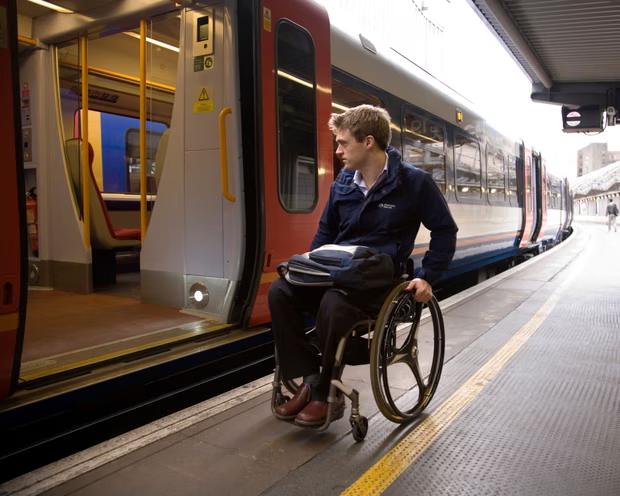
The British transport network stands at a critical crossroads today. A new report highlights a massive opportunity for national growth. Making our public transport fully accessible could transform our economy. Experts suggest this change could provide a £176bn annual boost. This ambitious goal relies on helping millions join the workforce. The Institution of Mechanical Engineers recently shared these vital findings. They argue that our current system fails many working people. Almost a quarter of the working population faces daily barriers. These hurdles prevent citizens from reaching work, education, and shops. We see a persistent lack of essential lifts and ramps. Large platform gaps pose severe risks to many vulnerable passengers. Tactile paving remains absent in far too many busy stations. These physical obstacles often create hostile, sensory-unfriendly travel environments. Consequently, thousands of talented individuals feel shut out from society.
The human cost of this infrastructure failure is remarkably high. Almost half of all disabled professionals have rejected job offers. They simply cannot rely on the current transport system daily. Estimates suggest 2.8 million people remain locked out of work. Their exclusion stems directly from these persistent infrastructure design flaws. The Office for National Statistics provides a very clear figure. An average worker contributes roughly £63,000 to the national economy. Accessing this untapped potential could transform our current financial outlook. The report calculates a massive £176.4bn annual economic gain overall. These figures show that accessibility is a powerful engine for prosperity. It is clearly not just a matter of social justice alone. We must view these improvements as a essential economic investment.
Transport leaders describe the status quo as a social failure. They also call it a massive economic own goal today. Our current failings hold back national productivity and essential growth. Furthermore, these barriers obstruct the UK’s path to net zero. We cannot reach our environmental goals without reliable public transit. The timing of this report is particularly significant for government. Last week, Prime Minister Keir Starmer announced major infrastructure cuts. These changes follow a £15bn increase in national defence spending. This decision surprised many observers within the UK political landscape. Chancellor Rachel Reeves had previously warned against such funding reductions. She noted that earlier cuts hindered recent British economic growth. Now, the government faces pressure to rethink these difficult choices.
The engineering experts propose a very clear path forward here. Investing in a fully inclusive rail network requires significant funding. The estimated cost ranges between £20bn and £24bn total. This investment would be spread over a number of years. The report urges the government to offer new tax incentives. These measures would encourage private investment in station accessibility upgrades. Furthermore, officials should make inclusive design a core engineering requirement. This strategy would ensure all future projects prioritize universal access. The projected £176bn figure might be a very conservative estimate. Other benefits could flow from a truly inclusive transport network. Increased travel could boost retail, leisure, and tourism sectors significantly. This could add another £22.3bn to the economy every year.
Local businesses would thrive as more people visit high streets. Accessibility improvements encourage disabled people to enjoy more frequent trips. Additionally, transport operators would see a surge in ticket sales. Experts predict between £10bn and £34bn in extra annual revenue. This income would help sustain and expand our transit services. James Partington leads the engineering policy team for the institution. He suggests Britain does not have a real transport problem. Instead, he believes we have a hidden growth problem instead. Fixing these accessibility issues is clearly the right thing. It remains one of the fastest ways to create jobs. These improvements would also future-proof our country for decades ahead. The potential prize for our nation is truly quite enormous. The cost of doing nothing is significantly higher than acting.
Public figures have long campaigned for these essential transit reforms. Tanni Grey-Thompson is a former Paralympic wheelchair racing champion. She has frequently highlighted these issues within the British parliament. Two years ago, she endured a very difficult public ordeal. No staff were available to assist her on a train. She was forced to drag herself off the carriage alone. Her experience highlights the urgent need for better station staffing. Official data reflects the experiences of many other rail passengers. A survey for the transport committee reached alarming new conclusions. Nearly nine in ten disabled people face constant travel difficulties. They often or always struggle when using the public network. Members of Parliament have recommended much clearer, stronger legislative action. They call for tougher enforcement of existing national travel rules. A unified complaints service would also empower struggling rail passengers.
The Department for Transport recently responded to these pressing concerns. A spokesperson stated they are working to make journeys easier. They highlighted £280m allocated for station lifts and access. This investment aims to provide step-free routes for many passengers. They are also delivering improved assistance services across the network. The government is setting clear expectations for bus and taxi. They hope these changes help people switch between travel modes. Despite these efforts, many campaigners remain cautious about the progress. They argue that incremental change is far too slow today. The scale of the economic opportunity demands a bolder approach. We need comprehensive national planning to ensure true, lasting equality. Every citizen deserves the freedom to travel with full dignity. Our national economy will surely reap the rewards of fairness.
Public transport is the backbone of our modern, active society. It connects our communities and supports our diverse national workforce. Removing barriers will unleash hidden potential across the entire country. We have the engineering expertise to solve these persistent problems. Now we need the political will to fund these changes. An inclusive network benefits everyone, not just those with disabilities. It creates a seamless, efficient, and welcoming environment for all. The path to a stronger economy is clearly laid out. By prioritizing accessibility, we can build a much brighter future. Every train, bus, and station should be open to everyone. This remains the essential challenge for our government this decade. We must embrace this opportunity to thrive as a nation. The time for significant investment in our infrastructure is now. Improving accessibility is the key to unlocking our collective prosperity. Through unified effort, we can make this vision a reality.
Related News:
 Reeves Faces Setback as Labour May Miss Homes Target
 Virgin Trains Moves Closer to Challenging Eurostar Monopoly
 Trump’s UK Ambassador Urges North Sea Drilling to Strengthen US Ties
 Ryanair Chief UK Economy ‘Doomed’ Under Labour
 M&S Profits More Than Halve After Cyber-Attack
 Earl of Yarmouth Faces £1.3m Legal Bill Over Family Estate
 Millionaires group urge Reeves to introduce wealth tax to ‘lift kids out of poverty’
 From Lego to Pokémon: How Adults Are Driving UK Toy Market Growth
 New laws to bolster UK’s defences against cyber attacks on NHS, transport and energy
 Canada Passes Carney’s First Budget in Tight Parliamentary Vote
 Starmer Says Labour’s Economic Plan Needs Years to Deliver
 Virgin Media Fined £23.8m Over Telecare Safety Failures
 Starmer Faces Parliamentary Battles Over UK-EU ‘Reset’ Plan
 Reeves Pub Business Rates U-Turn Calms Labour Revolt
 ScottishPower Tops List of Worst UK Energy Suppliers
 Markets Slide As Gold Rally Signals Risk From Trump Greenland Tariff Plan
 UK Eyes Global Investment with Visa Fee Refunds
 City & Guilds pay surge sparks backlash amid £22m cuts
 UK Inflation Hits 3.4% in December, Ending Five-Month Decline
 Trump Fed bid heads to Supreme Court
 ‘Black Tax’: Burden, Pride and Survival for African Workers
 India-EU Free Trade Deal Marks Historic Economic Shift
 Telstra AI jobs cuts as automation drive expands
 BT Names New Openreach Chief Amid Major Fibre Expansion
 UK Banks Plot Payment Backup Amid Trump Fears
 UK Unemployment Rate Climbs to 5.2% Peak
 UK shelves £110m border project amid trade strain
 Rachel Reeves Faces Middle East Conflict Test
 Grocery Inflation Rises Amid War Fears
 BrewDog sold Highland estate for knockdown price after abandoning reforestation plans
 Rising Costs Force Families to Rethink Days Out
 Oil Slides, Stocks Jump on Trump Peace Signals
 UK inflation held at 3% before global energy price hit
 Ticketmaster Fees Rise Despite Recent US Junk Fee Crackdown
 M&S Demands Urgent Action on Rising Violent Retail Crime
 New Era for Sick Pay as Millions Gain Critical Rights
 US and Iran Agree to Two-Week Provisional Ceasefire
 Stefano Gabbana Resigns as Chair of Italian Luxury Giant
 Rolls-Royce SMR Secures £600m Boost for Nuclear Future
 Aegon Sells Historic UK Arm to Standard Life for £2bn
 Central Bank Chiefs Hold Crisis Simulation in Washington
 UK Staycations Rise as Travel Fears Grow
 Former Brexit Chief Calls for Rejoining the EU
 Albanese Rejects Gas Export Tax Push
 Oil Prices Surge Above $120 Amid Iran Blockade Fears
 Silent Tracks: Rail Line Without Passengers
 Trump approval plunges amid Iran war fears
 Tough Fiscal Realities Await Next Scottish Government
 DeepMind Staff Vote to Unionize Over US Military Contract
 Global Conflict Hits Home As Bullock Warns Of Economic Pain
 STV Election Coverage Disrupted Amid Bitter Pay Dispute
 Aramco Surges as East-West Pipeline Counters Gulf Tensions
 High Stakes in Beijing as Trump and Xi Meet Amid Global Turmoil
 Lotus Boss Pledges Future to Norfolk and Seeks State Support
 Trump and Xi Convene in Beijing for Historic High-Stakes Summit
 High Street Crisis: Fears Grow Over Post Office Closures
 UK Firms Freeze Spending as Iran Conflict Bites
 Rubles and Resilience: How Russia-China Border Towns Thrive
 UK Eases Russian Oil Sanctions as Fuel Costs Soar
 Reeves to Fast-Track Clean Energy Amid Iran Crisis
 Oil Markets Face ‘Red Zone’ Threat Amid Iran Crisis
 Belfast Approves Pilot Extension of Sunday Trading Hours
 Kevin Warsh sworn in as Fed chair amid economic backlash
 Mid-Year Surge to Push Average Annual Bills Beyond £1,900
 Tube Strike Brings Capital to a Standstill Over Shift Disputes
 Tube Strike Brings Capital to a Standstill Over Shift Disputes
 BP Stands Firm on Amanda Blanc Amid Boardroom Storm
 UK House Prices Drop For Third Month Due To War Fears
 No Brutal EV Price War For British Motorists
 Gas Prices Fall Below $4 Following US-Iran Peace Deal
 Is JD Vance the Ultimate Fall Guy for Trump’s Shaky Iran Deal?
 EU Slashes Steel Quotas But Grants UK Favourable Rates
 Sainsbury’s Boss Optimistic As Grocery Inflation Eases
 Trump Faces Backlash Over $2bn Earnings Since Return
 Starling Bank Trims Jobs for AI Future
 Creditors Eye Thames Water Even Under Nationalisation
 Record £28m Fine for Virgin Media Over Cancellation Woes
 Ukraine Creates Long-Range Strike Command
 BBC Faces Real Jeopardy as Licence Fee Income Declines
 Thames Water Future Remains Uncertain Amid Funding Crunch