Published: 09 July 2026. The English Chronicle Desk. The English Chronicle Online.
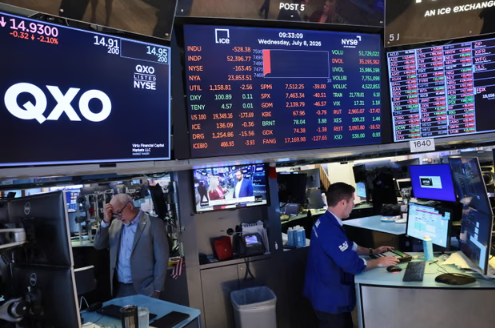
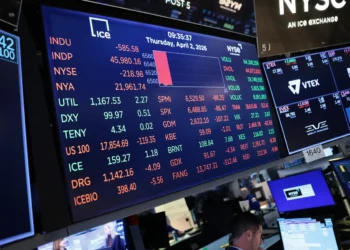
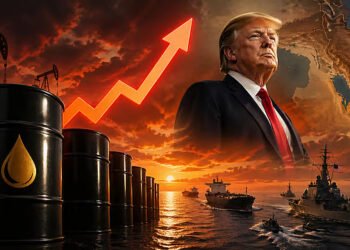
Financial markets across the United States experienced a significant downturn on Wednesday as the nation escalated its ongoing military campaign against Iran. Investors reacted with visible alarm to the collapse of the fragile ceasefire agreement between the two powers. Donald Trump officially declared the temporary peace efforts to be finished during his recent remarks at the NATO summit in Ankara. This sudden geopolitical shift sent global energy markets into a period of extreme instability and rapid price increases. Brent crude, which serves as the primary global benchmark for oil, surged by more than five percent throughout the trading session. Prices crested eighty dollars per barrel as market participants factored in the heightened risk of sustained disruption to international trade routes. Domestic equities followed this downward trajectory with notable intensity as major indices struggled to maintain positive momentum during the afternoon. The Dow Jones Industrial Average concluded the day with a loss of over one percent after shedding five hundred points. The broader S&P 500 index mirrored these losses while the technology-heavy Nasdaq managed to post a slight gain amidst the turbulence.
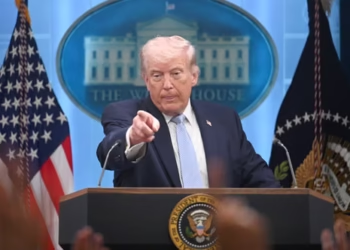
International exchanges faced even more difficult conditions earlier in the morning as negative sentiment spread across global trading hubs. The United Kingdom’s FTSE 100 benchmark fell by one percent while Japan’s Nikkei index suffered a decline of over two percent. These movements reflect a growing anxiety among international investors regarding the long-term economic consequences of a prolonged Middle Eastern conflict. President Trump utilized his presence at the NATO summit to launch a sharp verbal attack against the current leadership in Tehran. He referred to them as sick individuals while expressing deep frustration regarding the nation’s military cooperation with Spain. Although he confirmed that the ceasefire was officially over, he maintained that American negotiators remained willing to pursue future discussions. The economic repercussions of this renewed warfare are being felt far beyond the immediate region of the ongoing combat operations. The International Monetary Fund issued a new report on Wednesday that lowered its global economic growth forecast from three percent to lower levels. Analysts cited both the intensifying conflict and the increasing costs associated with rapid artificial intelligence development as primary drivers for this downward revision.
Average citizens in the United States continue to face substantial financial pressure due to persistently high costs for essential energy products. Gasoline prices at local pumps currently sit at a national average of three dollars and seventy-nine cents per gallon. This represents an increase of sixty-five cents compared to the levels observed at this same time during the previous year. The situation for diesel fuel is equally concerning as futures prices rose by thirteen percent during the recent trading session. Russia’s decision to implement a complete ban on diesel exports following a successful Ukrainian drone strike on critical infrastructure exacerbated the supply chain strain. These energy pressures are compounding the difficulties faced by the Federal Reserve as it attempts to manage domestic price stability. Official statistics from May indicated that the annualized inflation rate reached four point two percent, which remains a concerning three-year peak. This figure is more than double the official two percent target that the Federal Reserve has set for long-term price stability.
Minutes from the most recent board meeting revealed that policymakers remain deeply divided regarding the future trajectory of monetary policy. While officials acknowledged that inflationary pressures persist, there was minimal consensus concerning the prospect of lowering interest rates in the near term. This shift in tone represents a notable departure from previous meetings where some members argued that recent price increases would ultimately prove to be temporary. Some board members suggested that the current target range of three point five to three point seven five percent could be maintained if inflation declines. However, other participants indicated that additional rate increases might be required before the end of the year to combat rising costs. Staff analysis attributed these developments to several factors, including the impact of past tariff increases and higher input costs from the Middle East. The significant surge in energy demand related to the massive buildout of artificial intelligence infrastructure also played a major role in the elevated inflation.
Any decision by the central bank to raise rates will almost certainly provoke a strong reaction from the current administration. President Trump has repeatedly demanded that the Federal Reserve reduce borrowing costs despite the evidence of stubbornly high inflation. Navigating this immense political pressure will represent a significant challenge for the new Federal Reserve Chair, Kevin Warsh. He assumed this high-profile role in May following his enthusiastic nomination by the President earlier this spring. His performance in balancing these competing demands will likely dictate the path of the American economy during the second half of the year. Investors and economists are closely watching his every move for signals about his commitment to institutional independence. As the conflict in the Middle East continues to evolve, the global markets will remain on edge waiting for further developments. The intersection of geopolitical warfare and monetary policy creates an unprecedented landscape for those managing financial assets in this climate. Uncertainty regarding supply chains and global growth will likely sustain this volatile environment for the foreseeable future.
Related News:
 Reeves Faces Setback as Labour May Miss Homes Target
 Virgin Trains Moves Closer to Challenging Eurostar Monopoly
 Trump’s UK Ambassador Urges North Sea Drilling to Strengthen US Ties
 Ryanair Chief UK Economy ‘Doomed’ Under Labour
 M&S Profits More Than Halve After Cyber-Attack
 Earl of Yarmouth Faces £1.3m Legal Bill Over Family Estate
 Millionaires group urge Reeves to introduce wealth tax to ‘lift kids out of poverty’
 From Lego to Pokémon: How Adults Are Driving UK Toy Market Growth
 New laws to bolster UK’s defences against cyber attacks on NHS, transport and energy
 Canada Passes Carney’s First Budget in Tight Parliamentary Vote
 Starmer Says Labour’s Economic Plan Needs Years to Deliver
 Virgin Media Fined £23.8m Over Telecare Safety Failures
 Starmer Faces Parliamentary Battles Over UK-EU ‘Reset’ Plan
 Reeves Pub Business Rates U-Turn Calms Labour Revolt
 ScottishPower Tops List of Worst UK Energy Suppliers
 Markets Slide As Gold Rally Signals Risk From Trump Greenland Tariff Plan
 UK Eyes Global Investment with Visa Fee Refunds
 City & Guilds pay surge sparks backlash amid £22m cuts
 UK Inflation Hits 3.4% in December, Ending Five-Month Decline
 Trump Fed bid heads to Supreme Court
 ‘Black Tax’: Burden, Pride and Survival for African Workers
 India-EU Free Trade Deal Marks Historic Economic Shift
 Telstra AI jobs cuts as automation drive expands
 BT Names New Openreach Chief Amid Major Fibre Expansion
 UK Banks Plot Payment Backup Amid Trump Fears
 UK Unemployment Rate Climbs to 5.2% Peak
 UK shelves £110m border project amid trade strain
 Rachel Reeves Faces Middle East Conflict Test
 Grocery Inflation Rises Amid War Fears
 BrewDog sold Highland estate for knockdown price after abandoning reforestation plans
 Rising Costs Force Families to Rethink Days Out
 Oil Slides, Stocks Jump on Trump Peace Signals
 UK inflation held at 3% before global energy price hit
 Ticketmaster Fees Rise Despite Recent US Junk Fee Crackdown
 M&S Demands Urgent Action on Rising Violent Retail Crime
 New Era for Sick Pay as Millions Gain Critical Rights
 Oil Prices Surge as Trump Issues New Deadline to Iran
 US and Iran Agree to Two-Week Provisional Ceasefire
 Stefano Gabbana Resigns as Chair of Italian Luxury Giant
 Rolls-Royce SMR Secures £600m Boost for Nuclear Future
 Aegon Sells Historic UK Arm to Standard Life for £2bn
 Central Bank Chiefs Hold Crisis Simulation in Washington
 UK Staycations Rise as Travel Fears Grow
 Former Brexit Chief Calls for Rejoining the EU
 Albanese Rejects Gas Export Tax Push
 Oil Prices Surge Above $120 Amid Iran Blockade Fears
 Silent Tracks: Rail Line Without Passengers
 Trump approval plunges amid Iran war fears
 Tough Fiscal Realities Await Next Scottish Government
 DeepMind Staff Vote to Unionize Over US Military Contract
 Global Conflict Hits Home As Bullock Warns Of Economic Pain
 STV Election Coverage Disrupted Amid Bitter Pay Dispute
 Aramco Surges as East-West Pipeline Counters Gulf Tensions
 High Stakes in Beijing as Trump and Xi Meet Amid Global Turmoil
 Lotus Boss Pledges Future to Norfolk and Seeks State Support
 Trump and Xi Convene in Beijing for Historic High-Stakes Summit
 High Street Crisis: Fears Grow Over Post Office Closures
 UK Firms Freeze Spending as Iran Conflict Bites
 Rubles and Resilience: How Russia-China Border Towns Thrive
 UK Eases Russian Oil Sanctions as Fuel Costs Soar
 Reeves to Fast-Track Clean Energy Amid Iran Crisis
 Oil Markets Face ‘Red Zone’ Threat Amid Iran Crisis
 Belfast Approves Pilot Extension of Sunday Trading Hours
 Kevin Warsh sworn in as Fed chair amid economic backlash
 Mid-Year Surge to Push Average Annual Bills Beyond £1,900
 Tube Strike Brings Capital to a Standstill Over Shift Disputes
 Tube Strike Brings Capital to a Standstill Over Shift Disputes
 BP Stands Firm on Amanda Blanc Amid Boardroom Storm
 UK House Prices Drop For Third Month Due To War Fears
 No Brutal EV Price War For British Motorists
 Gas Prices Fall Below $4 Following US-Iran Peace Deal
 Is JD Vance the Ultimate Fall Guy for Trump’s Shaky Iran Deal?
 EU Slashes Steel Quotas But Grants UK Favourable Rates
 Sainsbury’s Boss Optimistic As Grocery Inflation Eases
 Trump Faces Backlash Over $2bn Earnings Since Return
 Starling Bank Trims Jobs for AI Future
 Accessible Travel Could Unlock £176bn for UK Economy
 Ukraine Creates Long-Range Strike Command
 BBC Faces Real Jeopardy as Licence Fee Income Declines
 Thames Water Future Remains Uncertain Amid Funding Crunch