Published: 14 July 2026. The English Chronicle Desk. The English Chronicle Online.
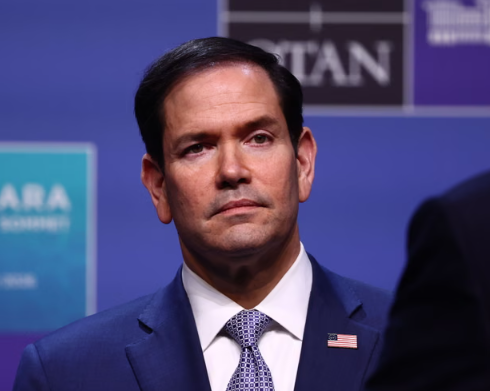
Marco Rubio recently launched a bold campaign to dismantle the International Criminal Court. The United States Secretary of State announced his intentions early on Monday morning this week. He argues that the global tribunal is currently interfering with vital national security operations. Rubio claims these actions pose a significant risk to overall American sovereignty and control. His announcement has sparked immediate debate among legal experts and global political leaders alike. The Secretary of State outlined his views in a lengthy editorial piece yesterday. He specifically invoked imagery of border agents being dragged before an international legal body. Rubio warned that elected leaders could face trials by judges from foreign nations. He insists that this situation remains unacceptable for a sovereign and powerful nation state.
These warnings were further amplified through a video message posted on social media platforms. Rubio explicitly warned that citizens would be at the mercy of distant foreign judges. He expressed concern regarding the constant risk of prosecution for defending their own country. The State Department has developed a plan to actively dismantle the existing judicial framework. Reports indicate they will pressure other sovereign nations to abandon the court system entirely. Officials suggested that nations relying on American assistance will face very increased scrutiny moving forward. Punishments could potentially include severe financial sanctions and strict travel bans for officials. Visa revocations are also being considered as a tool for enforcing this new policy. However, international legal experts have strongly rejected Rubio’s characterization of the tribunal’s actual powers. Former Human Rights Watch director Kenneth Roth argued that the court lacks American jurisdiction. He believes Rubio is simply masking a desire for impunity regarding potential war crimes. The concept of national sovereignty is being used as a shield against legal accountability. Roth emphasized that other nations maintain the right to invoke the court’s powers locally. The International Criminal Court is currently headquartered within the Dutch city of The Hague. It only maintains authority over crimes committed in states that signed the Rome statute. The United States never ratified this treaty and remains outside the court’s formal jurisdiction. Therefore, the tribunal has not opened investigations into any specific crimes on American soil.
Roth suggested that this move aims to protect actions taken within foreign territories. The administration wants to avoid accountability for military conduct in countries accepting court jurisdiction. This desire for total freedom from external oversight appears to be the primary motivator. Interestingly, the Trump administration has previously supported the court’s investigations into Russian forces. They welcomed findings regarding alleged war crimes committed during the conflict in Ukraine recently. This selective application of international law has drawn criticism from various global human rights groups. The court’s prosecutor, Karim Khan, has pursued investigations into conduct involving the Israeli government. These inquiries cover actions taken within the territory of Palestine over the last year.
Arrest warrants were issued for the Israeli prime minister and the defense minister recently. These actions were taken in connection to an ongoing and complex war crimes investigation. Donald Trump responded by declaring a national emergency shortly after his second term began. He described the court’s actions as illegitimate and baseless attacks against key strategic allies. The administration subsequently imposed a raft of sanctions against several senior court officials today. Chief prosecutor Karim Khan and his deputies were specifically targeted by these harsh measures. Six additional judges also faced sanctions for their role in the ongoing Palestinian inquiries. This aggressive stance demonstrates a clear escalation in the tension between Washington and Hague.
The scope of these sanctions expanded significantly throughout the year two thousand and twenty-five. Measures were even applied to a United Nations special rapporteur for human rights issues. Various Palestinian human rights groups also faced penalties for collecting evidence of potential violations. It remains unclear exactly how this new campaign will impact the court’s daily operations. Experts are now watching closely to see how foreign governments respond to this pressure. A former senior sanctions official noted that diplomatic leverage is being used very aggressively. They spoke on the condition of anonymity to discuss such sensitive and complex matters. Officials might soon hear from international counterparts under heavy pressure to reject the court. When diplomatic channels fail, the administration seems ready to utilize more severe financial tools.
There is growing speculation that the administration might sanction the entire tribunal entity soon. This would represent a dramatic shift in how the United States approaches global justice. Such a move would effectively criminalize any cooperation with the international court by American entities. Banks and corporations could face massive financial penalties for conducting business with the judicial body. Staff members could potentially even face jail time for maintaining connections with the court officials. This strategy functions as a pre-emptive strike against future actions involving other global regions. Venezuela has been mentioned as a possible focus for potential future international court activity.
Advocacy groups have responded with intense criticism of the Secretary of State’s ambitious new plan. Raed Jarrar from the organization Dawn claimed the move underscores deep levels of American hypocrisy. He argued that this strategy undermines access to justice for victims around the entire globe. The consequences could extend from the borders of Ukraine to the nation of Sudan. Jarrar suggested this behavior might even constitute obstruction of justice under established international law. He views the campaign as an assault on the global rules-based order established previously. This system grew out of the ashes of the second global war decades ago. Critics fear that abandoning these principles will lead to a more dangerous and unstable world.
The debate over the role of international courts continues to divide global political circles. Supporters argue these institutions provide a vital check against unchecked power and systemic violence. Opponents claim they represent a dangerous infringement on the rights of independent and sovereign nations. The current administration has clearly chosen a path that prioritizes domestic power over cooperation. As this campaign moves forward, the international community will surely monitor the fallout carefully. The coming months will likely see significant diplomatic maneuvering in various major world capitals. Whether this initiative succeeds in dismantling the court remains a subject of intense speculation. Many observers remain concerned about the long-term impact on international law and order. The world will be watching to see how this dramatic geopolitical story unfolds further. Justice remains a complex and often elusive goal in our modern and interconnected world.
Related News:
 Saudi Officials Report Zubaidi Flee Before Yemen Peace Talks
 UK Targets in New York Bomb Threat Hoax: Man Jailed
 Gambia Supreme Court Hears Case to Overturn FGM Ban
 Trump targets Iran trade with 25% tariff warning
 US Senate rejects resolution limiting Trump military powers
 Gulf states warn Trump Iran strikes risk wider Middle East war
 Machado Trump medal gesture reshapes Venezuela power struggle
 Geopolitical football: Iran, Trump and the World Cup clash
 Shinzo Abe’s killer receives life sentence in Japan
 China General Under Investigation Amid Leadership Purge
 Philippines ferry disaster leaves 15 dead, dozens missing
 Cambridge Faces Scrutiny Over Arms Investment Transparency
 Concerns rise for Canberra boy amid Iran detention fears
 Ukraine Sends Drone Experts to Defend US Bases in Jordan
 Abramovich Chelsea Sale Cash Faces Jersey Probe
 Yvette Cooper: UK Must Follow Principles, Not US Pressure
 Jury Rules Meta and YouTube Liable for Addictive Design
 The Woman Guarding Earth From the Threat of Asteroids
 Exiled Tycoon Warns of New Russian Attacks on UK Soil
 LA 2028: Millions of Affordable Olympic Tickets Announced
 Trump Slams Europe as Transatlantic Tensions Boil Over
 Inside the Deceptive Machine: A Former Producer Speaks Out
 Spain Faces Backlash Over Xenophobic Chants in Egypt Draw
 A Global Voice For Justice: Stephen Lewis Dies At Age 88
 Hope and Fear as Iranians Flee Across the Turkish Border
 Reform UK Pledges To Halt Visas Over Reparations Demands
 US and Iran Agree to Two-Week Provisional Ceasefire
 Starmer visits Gulf as US and Iran agree ceasefire
 Pakistan Brokers Historic Peace Deal Amid Rising Tensions
 Trump Signals Hope for New Iran Talks as Ceasefire Fades
 US and Iran Pursue Extension of Ceasefire via Pakistan
 The General’s Gambit: Pakistan’s New Role in Global Peace
 Mexico, Spain and Brazil call for Cuba dialogue amid crisis
 Pakistan’s Ambitious Bid for Middle East Peace
 Israeli Soldiers Jailed Over Vandalism of Lebanese Statue
 Trump Weighs Sending Afghan Allies to the Congo
 Prominent Voices Challenge Palestine Action Ban
 Merz Criticises US Approach in Iran Conflict
 UK Envoy Sparks Controversy Over Special Relationship Claims
 Ukraine Urges UK to Seize Russian Oil Tankers
 The Billionaire’s Secretary and the £1m Fraud
 Ukraine strikes Tuapse as oil disaster worsens
 Mission to the World’s Edge: A Heroic Rescue in Tristan
 US and Mexico Face Heatwave as Floods Batter South Africa
 Mexico’s Missing: State Complicity in a Growing Crisis
 French Patient Told Hantavirus Was Just Anxiety
 Putin Signals War End as Russian Momentum Stalls
 Romania’s Judicial Crisis: A System Under Siege
 Lee Lai Makes History with Landmark Stella Prize Victory
 Philippine Senator Flees After Days Under Senate Siege
 Alberta Separatist Bid Blocked by Canadian Court
 Big Tobacco Under Fire Over Controversial New Ad Campaign
 Court Upholds Landmark Win for Transgender Rights
 Liberal Senator Criticises Immigration Rhetoric
 Senate Moves to Restrict Trump’s War Powers on Iran
 ICC Arrest Warrant Threat Sparks West Bank Retaliation
 Tony Abbott Returns as New Liberal Party President
 Discontent grows around Putin amid war strain
 Trump Faces Legal Blow Over Global Tariffs
 Global Tech Giants Face Off Against Australia Over Media Levies
 Ukraine Turning the Tide: Zelenskyy Reclaims the Initiative Against Isolated Russia
 Millions in British Charity Funds Linked to Illegal Settlements
 Firearm Fine for Missing Boy’s Grandmother
 Historic Peace Deal Reached Between United States and Iran
 A New Era of Diplomacy Sparks Confusion on the World Stage
 AI to Help Botanists Win the Critical Race Against Extinction
 Battle for Washington: Mayoral Race Braces for Trump
 Tuchel’s England Mission Goes Beyond Football Success
 Historic Victory for Canada as They Defeat Nine-Man Qatar
 Trump’s Iran Legacy Hangs on Tehran Deal
 What Burnham in Number 10 Means for the Future of Britain
 Canada Secure Historic Last 16 Spot with Late Goal
 White House Moves to Limit Public Voice on Fossil Fuels
 Paraguay Shock Germany in Historic Penalty Shootout
 Haaland Heroics Send Norway Into Historic Last 16 Knockout
 Iran Prepares for Massive Funeral for Supreme Leader
 China’s Pacific Missile Test Sparks Regional Alarm
 Belgium Thrashes USA After Red Card Controversy
 UK Charity Funds Illegal Hebron Settlement Expansion
 France’s Evolution Continues Past Morocco