Published: 20 July 2026 | The English Chronicle Desk | The English Chronicle Online
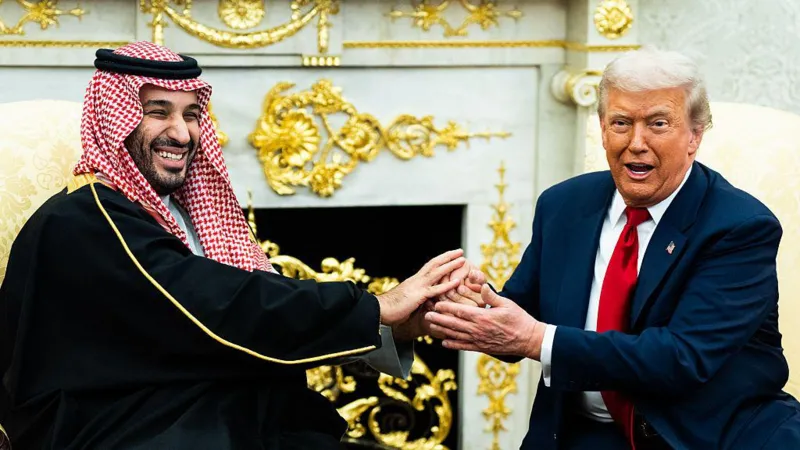
The United States has signed a landmark nuclear cooperation agreement with Saudi Arabia, marking a significant step in the expansion of energy and strategic ties between the two countries.
The deal is expected to support Saudi Arabia’s ambitions to develop a civilian nuclear energy programme while strengthening cooperation between Washington and Riyadh on technology, energy security and regional development.
The agreement has attracted international attention because of the strategic importance of nuclear technology and the wider geopolitical role played by Saudi Arabia in the Middle East.
The nuclear agreement represents one of the most significant developments in the relationship between the United States and Saudi Arabia in recent years.

Both countries described the deal as a partnership aimed at advancing peaceful nuclear energy cooperation.
Saudi officials have long expressed interest in developing nuclear power as part of efforts to diversify the country’s economy and reduce dependence on oil revenues.
The United States has presented the agreement as an opportunity to support responsible nuclear development while maintaining strict safety and security standards.
Saudi Arabia has been seeking to expand its energy sector through investment in new technologies, including nuclear power.
The kingdom says nuclear energy could help meet rising electricity demand and support economic growth.
As part of its long-term development plans, Saudi Arabia has aimed to develop alternative energy sources while continuing to play a major role in global oil markets.
Officials argue that nuclear power could contribute to a broader transition toward a more diverse energy system.
US officials have emphasised that the agreement is designed around peaceful uses of nuclear technology.
Civilian nuclear programmes typically involve applications such as electricity generation, medical research, agriculture and scientific development.
The agreement is expected to include cooperation on nuclear safety, training, technology transfer and regulatory frameworks.
Supporters say international partnerships can help countries develop nuclear energy responsibly.
Despite assurances from both governments, nuclear agreements involving the Middle East often attract international scrutiny.
Critics have raised questions about safeguards, transparency and the potential long-term implications of expanding nuclear capabilities in the region.
They argue that strict monitoring measures are essential to ensure nuclear technology remains focused on peaceful purposes.
Supporters of the deal say strong oversight mechanisms will be included to address security concerns.
The agreement could have wider implications for the Middle East, where energy, security and diplomacy are closely connected.
Saudi Arabia is one of the region’s most influential countries, and its decisions often have international consequences.
The deal comes amid broader efforts by major powers to strengthen partnerships in the region.
Analysts say cooperation between Washington and Riyadh could influence future discussions about energy security and regional stability.
The agreement could create new opportunities for investment, research and industrial development.
Nuclear energy projects require highly skilled workers, advanced technology and significant infrastructure.
Saudi Arabia hopes such projects will support job creation and encourage the development of technical expertise.
US companies and institutions could also benefit from involvement in future nuclear projects.
For decades, Saudi Arabia’s global influence has been closely linked to its position as one of the world’s largest oil producers.
However, the kingdom has increasingly sought to expand into new sectors, including renewable energy, technology and advanced industries.
The nuclear agreement is viewed as part of this wider economic transformation strategy.
Saudi leaders have argued that diversification is necessary to prepare for future changes in global energy demand.
For the United States, maintaining strong relations with Saudi Arabia remains an important foreign policy priority.
The two countries have cooperated for decades on energy, security and regional issues.
The nuclear agreement provides another area of collaboration while reinforcing Washington’s role in supporting major infrastructure and technology projects.
US officials say engagement with Saudi Arabia can help promote responsible development and stability.
The agreement has received mixed reactions internationally.
Supporters have welcomed increased cooperation on clean energy and technological development.
However, some observers have called for careful monitoring to ensure that nuclear technology remains limited to civilian purposes.

International organisations involved in nuclear oversight are expected to play an important role in maintaining confidence in the programme.
The signing of the US-Saudi nuclear agreement marks a new chapter in relations between the two countries.
While the deal creates opportunities for energy development, investment and scientific cooperation, it also brings responsibilities surrounding safety, transparency and security.
The success of the partnership will depend on how effectively both sides implement safeguards and maintain international confidence.
As Saudi Arabia continues its economic transformation and the United States strengthens its strategic partnerships, the nuclear agreement is likely to remain a closely watched development in global affairs.
Related News:
 Iran Says ‘Guiding Principles’ Agreed With US at Nuclear Talks
 US Pushes to Recruit Organised Crime Gangs into Gaza Police Force
 US Urges Iran to Make Deal as Military Presence Rises
 US Build-Up of Warships and Fighter Jets Tracked Near Iran
 Trump’s Foreign Policy Dilemma Laid Bare by Iran Tensions
 US Partially Evacuates Beirut Embassy Amid Rising Iran Tensions
 Hopes and Fears as US Iranians Take to Streets After Toppling of Supreme Leader
 Iran, the US, and a World Cup That Starts in Three Months
 Trump’s Iran Endgame Unclear After Mixed Messaging on War Aims
 Did Trump Declare War and Did Congress Approve Iran Attacks? What to Know
 Rubio Responds to Reported Strike on Iranian School
 Trump Underestimated the Iranian Regime’s Will to Survive
 U.S. Tells Citizens to Leave Israel Now as Regional Conflict Escalates
 US Strikes on Iran Triggered by Israel’s Plan to Launch Attack, Rubio Says
 Sixth American Service Member Killed in Iran Operation as Conflict Intensifies
 Trump Rebukes Starmer Over UK Refusal to Back Strikes on Iran
 US Senate Backs Trump War Powers Amid Iran Missile Barrage
 UK Prepares Aircraft Carrier for Middle East Crisis
 Trump Threatens Iran With ‘Twenty Times Harder’ Oil Strike
 Iran Rejects Ceasefire, Warns Trump With Chilling Message
 MAGA Anxiety and the Iran War: A Movement Divided at CPAC
 Trump likens US Navy actions to ‘pirates’
 Tensions Emerge in Netanyahu-Trump Alliance
 Former ICC prosecutor condemns US sanctions
 Trump Claims Iran Peace Deal Near Completion
 Trump-Netanyahu Call Fuels Iran Talk Crisis
 Israel Strikes Iran After Missile Attack
 US Launches Strikes on Iran After Military Helicopter Downed Near Strait of Hormuz
 Efforts to Reshape Middle East Risk Creating Long-Term Regional Crisis, Analysts Warn
 Three Indian Sailors Killed in US Strike on Tanker Near Oman as US–Iran Conflict Escalates
 US Agrees to ‘Stand Down’ Following Exchange of Strikes With Iran
 Trump’s Hormuz U-Turn Raises Doubts Over Iran Strategy
 US Launches New Strikes on Iran as Trump Issues Stark Warning to Tehran
 US Launches New Strikes as Iran Says Civilian Infrastructure Hit
 US Renews Strikes on Iran as Trump Warns Underground Nuclear Sites Could Be Targeted
 American Mother Extradited From UK to U.S. on Murder Charges
 Russia losses Ukraine war peace talks intensify amid rising deaths
 US Cities Erupt in Protests Against Trump’s Venezuela Military Action
 Trump Escalates Minnesota Immigration Surge Amid Rising Tensions
 Trump Weighs Response to Iran Crackdown as Tehran Says Communication Open With US
 US Clears Nvidia AI Chip Sales to China in Policy Shift
 EU Says US Ties Have Suffered ‘Big Blow’ After Greenland Crisis
 Videos reveal earlier clash before Alex Pretti shooting
 ‘I Would Scream in My Sleep’: Alawite Women from Syria Tell of Kidnap and Rape
 Eight Skiers Found Dead After California Avalanche
 Bill Gates ‘Took Responsibility’ Over Epstein Ties in Staff Meeting, Foundation Says
 American Citizen Killed in Cuba Boat Shooting, U.S. Officials Say
 Iran’s Regime Still Intact — Coming Days Will Test Its Survival
 Allies of US in the Gulf Bear Brunt of Iran Attacks
 Trump Faces Questions Over Iran Conflict Plan
 In Maps: Strikes Across Iran and the Middle East
 Months of Planning Behind US‑Israeli Mission to Target Iran’s Supreme Leader
 The Third Day of the US‑Israeli War With Iran
 Israel Launches Ground Invasion of Lebanon Amid Widening Middle East War
 Civilian Deaths in Iran Pass 700 Amid Fear of Bombs and Regime Clampdown
 Middle East attacks intensify as Trump rejects Iran talks
 Iran-Iraq border airstrikes spark new tensions
 Macron Finds ‘Freedom Fries’ Redemption in Iran Crisis
 Thousands Protest Iran Strikes Outside US Embassy London
 US Bombers Arrive at RAF Base Amid Rising Iran Tensions
 Nine Days of Strikes Reshape the Middle East
 Real Estate Brothers Convicted in Sex Trafficking Trial
 Iran War Puts Trump at Political Risk Amid Rising Prices
 Iran’s New Leader Faces Existential Test
 Trump’s Confidence Undimmed — But Every Iran Option Carries Risk
 Israel Says Iran Security Chief Larijani ‘Killed’
 Chain of Fire: US Bunker Busters Strike Major Iranian Ammo Depot in Isfahan
 US Airman Rescued in Daring Mission After F-15 Shot Down in Iran
 US and Iran Pursue Extension of Ceasefire via Pakistan
 Trump Threatens UN Budget Cuts as US Pushes ‘Trade Over Aid’ Agenda
 US Court Restores Abortion Pill Access Temporarily
 Miami Upgrades Shake Up F1 Title Fight
 US Awaits Iran Reply on New Ceasefire Proposal
 “The Desecrated Grave”: West Bank Settlers Force Palestinian Family to Exhume Father’s Body
 “Hold Off”: Trump Pauses ‘Scheduled’ Strike After 11th-Hour Appeal From Gulf Allies
 US Strikes Iranian Sites Amid Shaky Ceasefire Talks
 Former Olympian Indicted Over Alleged Vandalism at Washington’s Reflecting Pool
 Trump Helps Clear Balogun for Belgium World Cup Clash
 Trump’s Major Recruitment Drive Targets Border Patrol Growth
 ‘What Was Their Crime?’: Inside the Iranian School Where Strike Killed 120 Children