Published: 20 July 2026 | The English Chronicle Desk | The English Chronicle Online
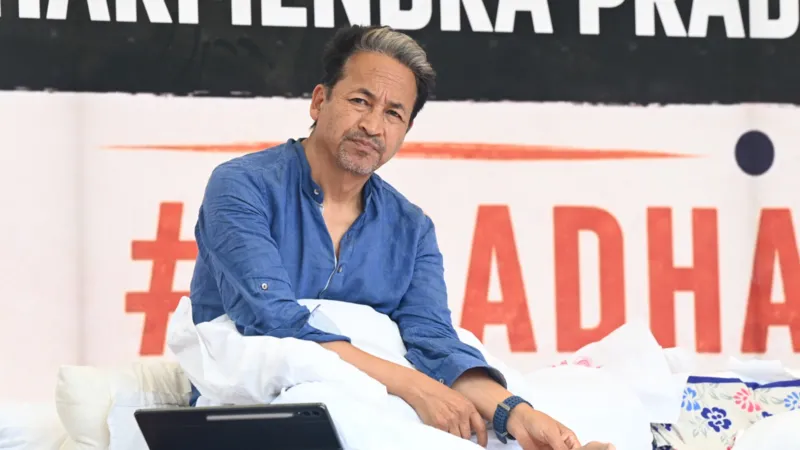
An Indian activist who has been on a hunger strike for 26 days has lost 11kg but insists he remains determined to continue his campaign, saying: “I am still alive.”
The prolonged hunger strike has drawn attention to the activist’s demands and raised concerns among supporters and medical professionals about the risks associated with extended fasting.
As the protest continues, questions are being raised about the government’s response, the activist’s health and the wider issue at the centre of the campaign.
The activist began the hunger strike as a form of protest, refusing food for more than three weeks in an effort to highlight his demands.
After 26 days without eating normally, he has reportedly experienced significant weight loss, with his body weight dropping by 11kg.

Supporters say the hunger strike demonstrates his commitment and determination, while doctors have warned that prolonged fasting can have serious effects on the body.
Despite concerns about his health, the activist has said he intends to continue until his demands are addressed.
Speaking during the protest, the activist reassured supporters that he was still alive and determined to continue.
His statement has become a symbol of his refusal to give up despite the physical toll of the hunger strike.
For many activists, hunger strikes represent a powerful form of peaceful protest, using personal sacrifice to draw attention to social and political issues.
However, such protests also raise difficult questions about health, responsibility and the pressure placed on individuals willing to risk their wellbeing for a cause.
Medical experts say extended hunger strikes can have serious consequences.
When the body does not receive sufficient nutrients, it begins using stored energy reserves before eventually affecting muscles and vital organs.
Weight loss is one of the most visible effects, but prolonged fasting can also lead to weakness, dizziness, low blood pressure and complications involving the heart and other systems.
Doctors monitoring hunger strikers often recommend regular health checks to assess their condition.
Hunger strikes have a long history as a method of political and social protest.
Activists often choose fasting because it creates moral pressure and attracts public attention.
Unlike traditional demonstrations, hunger strikes involve individuals using their own bodies as a message.
Throughout history, hunger strikes have been used by campaigners fighting for political rights, social reforms and recognition of particular causes.
Supporters argue that the method reflects commitment and non-violent resistance.
The activist’s supporters have continued to gather and express solidarity with his campaign.
They say his sacrifice reflects the seriousness of the issue he is raising.
Many have called for authorities to engage in dialogue and address the concerns behind the protest.
Supporters have also urged people to pay attention to the wider cause rather than focusing only on the hunger strike itself.
The ongoing protest has increased pressure on officials to respond.
Critics have questioned whether enough action has been taken to address the activist’s demands.
Governments often face difficult decisions during hunger strikes, balancing discussions with protesters while also considering public policy and legal issues.
Authorities may attempt negotiations, but agreements can be challenging when demands involve wider political or social changes.
The hunger strike has sparked debate across India about protest methods and the responsibilities of both activists and governments.
Some people have praised the activist’s determination, describing it as an example of courage and commitment.
Others have expressed concern about the dangers of prolonged fasting and the possibility of serious health consequences.
The debate reflects broader discussions about how citizens can express disagreement and seek change.
Social media has played an important role in spreading awareness about the protest.
Updates about the activist’s health and statements have been shared widely online, allowing supporters to follow developments.
Digital platforms have increasingly become central to modern activism, helping campaigns reach larger audiences.
At the same time, online discussions can sometimes become divided, with different groups interpreting events in different ways.
As the hunger strike continues, medical monitoring remains a key concern.
Doctors say regular assessments are important to identify warning signs and prevent potentially life-threatening complications.

In some cases, hunger strikers may require medical intervention if their condition becomes critical.
The decision to continue or end a hunger strike is often deeply personal and connected to the individual’s commitment to their cause.
After 26 days of fasting and an 11kg weight loss, the activist remains determined to continue his protest.
His statement, “I am still alive,” reflects both his resilience and his message that the campaign is not over.
The coming days are expected to bring further attention to his demands, his health and the response from authorities.
The protest has once again highlighted the powerful but risky role hunger strikes can play in social movements, where individuals make personal sacrifices in the hope of creating wider change.
Related News:
 China Moves to Enshrine ‘Ethnic Unity’ Law
 Anti-Regime Iranians Turn Anger Toward Trump
 Indian Police Crack Down on ‘Cockroach’ Protesters as Young Activists Respond With Memes
 Britain Demands Israel Reverse Ban on Aid Groups
 Iran Leader Blames Protesters, Says They Serve Trump
 Emails Show Epstein Funded Mandelson’s Husband After Jail
 Thousands Protest ICE in New York Against Trump Deportation Campaign
 After the Landslide: Can India Reset Ties with BNP Bangladesh?
 China Strikes at Japan’s Core — Will PM Takaichi Back Down?
 The Martin Luther King Protégé Who Helped Reshape America
 Japan Braces as Takaichi Begins New Term with Huge Mandate for Low‑Tax, Ultra‑Conservative Agenda
 South Korea’s Ex-President Faces Death Penalty in Insurrection Trial
 Kim Jong Un Reappointed as Ruling Party Chief
 The Taekwondo Teacher Tasked With Healing India’s Troubled State
 ‘Anyone who runs is shot’: Russian soldiers describe killings of troops who refuse orders
 Japan to Deploy Missiles on Island Near Taiwan by 2031
 Nine Killed in Karachi Consulate Protest
 Could Kim’s Teen Daughter Become North Korea’s Next Leader?
 Rap Star May Beat Ex‑PM — What This Says About Nepal’s Gen Z
 Nepal Leaders Call on Voters to Ensure Success of ‘Historic’ Election
 Nepal Holds First General Election Since Gen Z Protests Toppled Government
 Nepal Election 2026: When Will We Get the Results?
 Iran Drones Hit Azerbaijan Airport as War Widens
 Sri Lanka Takes Control of Second Iranian Vessel a Day After US Sub Attack
 Nepal election 2026: Rapper Balendra Shah on track to be next PM as his party heads for landslide
 Australia Urged to Shield Iranian Team After Anthem Protest
 Istanbul Mayor Faces Corruption Trial Amid Political Storm
 Gulf Oil Shock Sends Global Economic Ripples
 Nepal Election 2026: Balendra Shah’s Party Nears Historic Supermajority
 Iranian Footballers Escape Team Hotel to Seek Asylum
 Iran Women Footballers Seek Asylum After Anthem Protest
 Middle East crisis live: Supreme leader ‘safe’, Iran and Israel escalate conflict
 China’s Biggest Political Meeting Ends — Key Takeaways
 Point-Blank Gunshot Misses Indian Politician
 China Approves ‘Ethnic Unity’ Law Requiring Minorities to Learn Mandarin
 Pakistan Denies Air Strike on Afghanistan Hospital That ‘Killed 400 People’
 Zelensky Visits Saudi Arabia After Offering Drone Expertise
 Min Aung Hlaing Poised for Presidency Amid Engineered Transition
 “Humanitarian Gesture”: Cuba Pardons 2,010 Prisoners as Trump’s “Maximum Pressure” Peaks
 Nepal Gen Z Protests Succeed, Bangladesh Struggles
 A Bridge to Peace? Taiwan’s Opposition Leader Lands in China
 The ‘Pakistan Protocol’: How Islamabad Pulled the World Back from the Brink
 Victory or Compromise? Tehran’s Streets Erupt in Mixed Emotion Following Ceasefire
 Southeast Asia Turns to Russia Amid Energy Crisis
 “Humanitarian Concern” or Political Shield? Aung San Suu Kyi Moved to House Arrest Amidst Civil War
 “An Endurance Test for the Mind”: British Couple Sentenced to 10 Years in Tehran
 Judge halts deportation of Yemeni refugees in US
 Activists allege abuse after Gaza flotilla seizure
 Australia pushes Pacific security pact amid China tension
 BJP Sweeps West Bengal in Historic Breakthrough
 Afghan Families Left in Limbo Face Risk of Deportation
 Trump Announces 3-Day Russia–Ukraine Ceasefire Deal
 US Awaits Iran Reply on New Ceasefire Proposal
 One Nation Stuns Australia With Historic Farrer Win
 Hormuz Talks Near Critical Stage
 China mine blast death toll rises to 90
 Discontent grows around Putin amid war strain
 Former ICC prosecutor condemns US sanctions
 Trump-Netanyahu Call Fuels Iran Talk Crisis
 Israeli Strikes Kill 11 in Gaza City
 Xi Jinping to Make Rare North Korea Visit
 Xi Arrives in North Korea for Rare Summit
 Why Xi’s North Korea Visit Matters Now
 “No Electricity, No Gas, No Sleep” — Cubans Struggle Amid Prolonged Power Outages
 Political Pressures Mount as Senior Indian Female Leader Struggles to Hold Party Together
 Myanmar Rebels Face Growing Pressure as Military Expands Forced Recruitment Drive
 Millions Gather for Khamenei’s Six-Day State Funeral
 China Missile Test Raises Pacific Security Concerns
 Bangladesh Balances China Ties as India Relations Improve
 Punjab’s Anti-Sacrilege Law Triggers Political Debate
 Ukraine Creates Long-Range Strike Command
 Dreyfus Statue Finally Gets Permanent Paris Home
 Venezuela Quake Death Toll Surpasses 4,000
 US-Iran Exchange Fire as Hormuz Tensions Escalate
 China Detains US Scientist Linked to North Korea Nuclear Research
 Russia’s Latest Push to Win US Favors Shows Deep Desperation
 BBC to Apologise Over Edited Trump Speech Amid Backlash
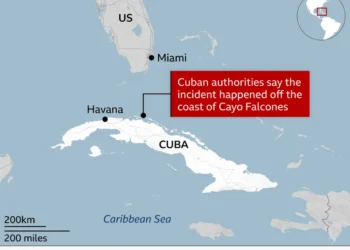 American Citizen Killed in Cuba Boat Shooting, U.S. Officials Say
 Iran’s Regime Still Intact — Coming Days Will Test Its Survival
 Finland Plans to Lift Decades‑Old Ban on Hosting Nuclear Weapons