Published: 25 July 2026. The English Chronicle Desk. The English Chronicle Online.
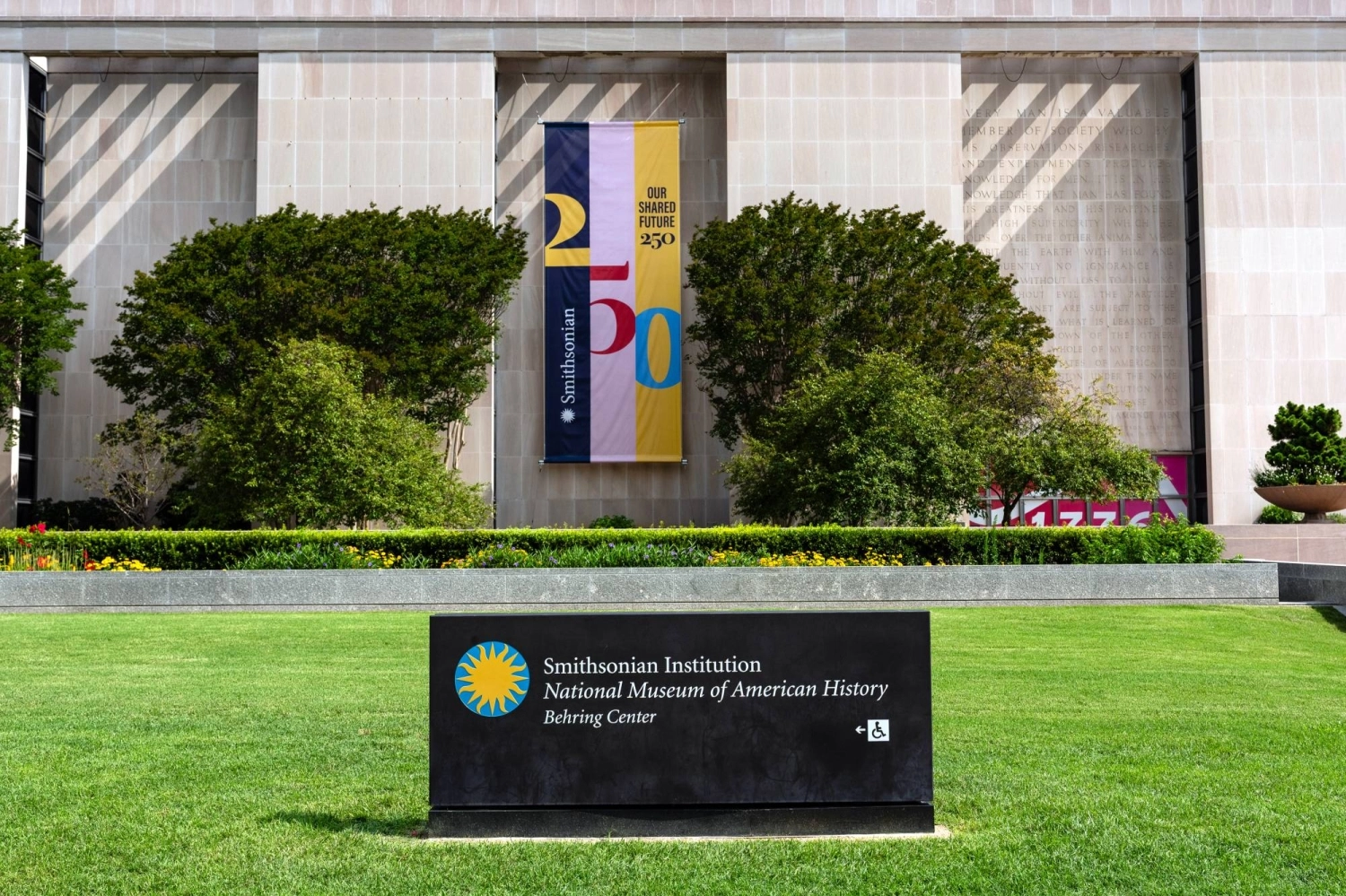
US President Donald Trump has intensified his campaign against the Smithsonian Institution by directing federal officials to install signs outside the Smithsonian National Museum of American History that question the accuracy of its exhibits and encourage visitors to seek alternative sources of information about the nation’s past.
The directive marks the latest chapter in a broader effort by the Trump administration to reshape how American history is presented in federally supported museums and cultural institutions. The White House argues that many museums have increasingly focused on the darker chapters of the country’s past, including slavery, racial discrimination and social injustice, while failing to give equal prominence to the achievements and founding principles that supporters believe define the United States.
Issued on Friday, the presidential order instructs Interior Secretary Doug Burgum to work alongside the National Park Service and Assistant to the President for Domestic Policy Vince Haley to prepare and install temporary signs on the federally maintained sidewalks and pathways leading to the National Museum of American History in Washington, D.C.

According to the order, the signs will inform visitors that museum exhibits should be renovated in accordance with recommendations outlined in a recent White House report examining the Smithsonian’s historical interpretation. They are also expected to direct members of the public to other locations where the administration believes more accurate presentations of American history can be found.
Although the White House confirmed the directive, officials did not immediately provide details regarding the exact wording or appearance of the proposed signs, nor did they specify when the displays would be installed.
The order goes further by requiring officials to produce additional signage criticising the Smithsonian for what the administration describes as an insufficient commemoration of the 250th anniversary of the signing of the Declaration of Independence. The anniversary is expected to serve as a major national milestone, with celebrations taking place across the United States in the coming years.
The move significantly escalates the administration’s ongoing dispute with the Smithsonian Institution, one of the world’s largest museum and research organisations. For months, President Trump and several Republican lawmakers have argued that some Smithsonian exhibitions present an overly negative portrayal of American history by emphasising historical injustices while giving comparatively less attention to the country’s democratic achievements, scientific progress and constitutional development.
The administration maintains that national museums should inspire civic pride and promote a shared understanding of the nation’s founding ideals. Critics of the current exhibitions argue that recent interpretations encourage division by focusing disproportionately on historical conflicts and systemic inequality.
Supporters of the Smithsonian strongly reject those claims, insisting that presenting both the achievements and failures of the United States reflects responsible historical scholarship rather than political activism.
Earlier this month, the American Historical Association (AHA), representing thousands of professional historians, publicly defended the Smithsonian’s work and expressed concern over growing political involvement in museum operations.
In a statement, the organisation praised the Smithsonian Institution’s commitment to scholarly standards, historical evidence and professional integrity. The association warned that political interference in museum interpretation risks undermining public confidence in one of America’s most respected cultural institutions and could weaken the independence of historians responsible for preserving the nation’s past.
The Smithsonian National Museum of American History declined to comment directly on the president’s latest directive.
However, the museum’s director, Anthea Hartig, previously defended the institution’s approach during congressional hearings held earlier this month, where Republican lawmakers sharply criticised several exhibitions and questioned whether the museum promotes an overly critical view of American society.
Some members of Congress accused the museum of presenting displays they considered politically biased or inappropriate, while also claiming certain exhibitions encouraged feelings of national self-criticism rather than patriotism.
Responding to those allegations, Hartig maintained that the museum celebrates America’s founding documents and national symbols while also acknowledging periods when the country failed to uphold its stated ideals.
She argued that presenting a complete historical record—including both accomplishments and shortcomings—demonstrates respect for the American people and reflects an ongoing commitment to the nation’s democratic development.
The latest executive action follows the publication of a White House Domestic Policy Council report titled Saving America’s Story. The report accuses Smithsonian leadership of becoming ideologically driven and argues that the institution has moved away from presenting American history as a shared national inheritance.
According to the report, museum leadership has increasingly adopted an interpretive framework that portrays American history primarily through political and social conflict rather than national unity and achievement. The administration argues this approach discourages civic pride and contributes to greater political polarisation.
The Smithsonian Institution has not formally responded to every criticism contained within the report, although museum officials have repeatedly emphasised that exhibitions are developed through rigorous academic research, peer review and consultation with subject experts.
The debate surrounding the Smithsonian reflects a broader cultural and political struggle in the United States over how history should be taught in schools, displayed in museums and understood by future generations.

Conservative leaders have increasingly called for educational institutions to place greater emphasis on the nation’s founding principles, constitutional achievements and democratic traditions. Meanwhile, many historians argue that accurately documenting issues such as slavery, segregation, discrimination and civil rights movements is essential to providing a complete understanding of American history.
These competing perspectives have fuelled heated political debates over school curricula, public monuments, museum exhibitions and government funding for cultural institutions.
The president’s latest order is therefore likely to generate further controversy as supporters argue it promotes historical balance, while critics contend it represents unprecedented political intervention in the work of independent museums and professional historians.
With preparations already underway for the United States’ 250th anniversary celebrations, the dispute over how the nation’s story should be presented appears likely to remain at the centre of America’s wider cultural and political debate.
As federal officials prepare the proposed signage outside one of the country’s most visited museums, the controversy highlights the continuing tension between political leadership and cultural institutions over who ultimately shapes the public understanding of American history.
Related News:
 Judge Blocks Trump Bid for Arizona Voter Data
 US Court Weighs Fate of TPS for Migrants
 Immigration Judges Fear Pressure in Trump Era
 Trump’s Revenge Drive Deepens GOP Divide
 US National Guard Member Killed in DC Shooting
 Trump to pause migration from ‘third-world countries’
 Franklin Turtle, Sabrina Carpenter Slam US Social Media Use
 Trump officials continue false claims after Alex Pretti shooting
 Partial US Government Shutdown Hits Homeland Security Funding
 Thousands Protest ICE Operations in Nationwide US Day of Action
 Melania Trump Epstein remarks spark survivor backlash
 Swalwell Faces Pressure to Quit Governor Race
 Harmeet Dhillon Faces Scrutiny in DOJ Role Debate
 Trump at Press Dinner Sparks Tension
 US Labor Department in turmoil after secretary resigns
 Trump DOJ Targets James Comey Again
 Florida Redistricting Map Sparks Major US Political Battle
 US Voting Rights Ruling Sparks Celebration and Outcry
 US Court Ruling Reshapes Voting Rights Landscape
 US states redraw maps after voting rights ruling
 Judge halts deportation of Yemeni refugees in US
 UK may ban protests amid rising antisemitism fears
 White House Security Case Sparks Political Firestorm
 Trump warns Iran as Middle East tensions surge again
 US Supreme Court fast-tracks Voting Rights ruling
 US Court Restores Abortion Pill Access Temporarily
 Florida Surgeon ‘Devastated’ Over Fatal Surgery Error
 FDA Chaos Deepens as Trump Eyes Makary Exit
 US judge dismisses Kilmar Abrego Garcia indictment
 US green card applicants must apply from abroad, DHS says
 Tulsi Gabbard exits after turbulent intelligence tenure
 Former ICC prosecutor condemns US sanctions
 Gunman Killed After White House Security Shootout
 Prosecutor Proposes Law to Combat Election Deceit
 Trump Weighs Retreat from Controversial $1.8bn Slush Fund
 Trump’s Mount Rushmore Speech: A Divisive Anniversary
 Le Pen’s Popularity Holds Despite Conviction
 Mystery Grows Over Mitch McConnell’s Health
 Trump Refuses to Sign Housing Bill, But Law Takes Effect
 Is America Ready for an AOC Presidential Run?
 French Taxi Driver Cleared in David Lammy Theft Case After Fare Dispute
 Major Rent Reform Ends No-Fault Evictions in England
 Peers Flood Assisted Dying Bill with 942 Amendments
 US Justice Department Files Lawsuit Against California Over Partisan Voting Maps
 Trump Deploys DHS to Charlotte in Major Arrest Operation
 ICC to Rule on Duterte’s Provisional Release
 Australia grants Asio powers to designate hate groups under new laws
 Trump press secretary attacks reporter over ICE question
 Kyrsten Sinema Faces High-Profile Lawsuit Over Marriage Interference
 Trump Fed bid heads to Supreme Court
 Sinema payment row deepens after $9,000 transfer claim
 Nurses’ families fear breakup under UK immigration crackdown
 California Democrats Vow Trump Reckoning
 Trump’s Surgeon General Pick Evades Vaccine Questions
 Adelaide University Faces Backlash Over Event Cancellation
 Proposed Law Leaves Gap for Children of Convicted Paedophiles
 Report Says Pezzullo Acted ‘Recklessly’ in Dealings
 Hungary election: Orbán faces biggest test amid scandal
 Suspected Plot Targets Pipeline Before Hungary Vote
 Trump Signals Hope for New Iran Talks as Ceasefire Fades
 UK Stands Firm on Falklands Amid US Rift
 Crackdown Backfires on UK Climate Protesters
 Investigation Into Anti-Trump Motives After Gala Shooting
 Trump Defiant After Washington Hotel Shooting
 Trump orders US troop pullout from Germany
 Greens Face Internal Row Over Antisemitism Claims
 Trump approval plunges amid Iran war fears
 Ohio’s Battle for Trust: Democrats Vying to Flip the Buckeye State
 US ‘Narco Boat’ Strikes Draw Global Outcry
 Barrister Criticises Trial After Suicide Case Verdict
 US Awaits Iran Reply on New Ceasefire Proposal
 Kevin Warsh sworn in as Fed chair amid economic backlash
 DeSantis’s ‘Alligator Alcatraz’ Faces Final Shutdown
 Farage and Reform UK Reshape British Politics
 Starmer Leadership Under Pressure After Setbacks
 AOC Backs El-Sayed in Tight Michigan Senate Primary
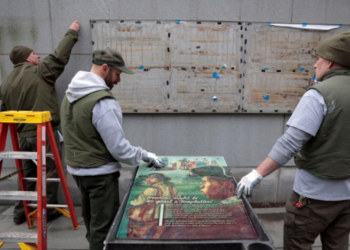 US Courts Back Trump on Park Signage Removals
 Houthis Strike Saudi Arabia as Middle East Tensions Rise
 Westminster Council Threatens Charing Cross Soup Kitchen
 BBC Warned About Missing Clothes of Murder Victim