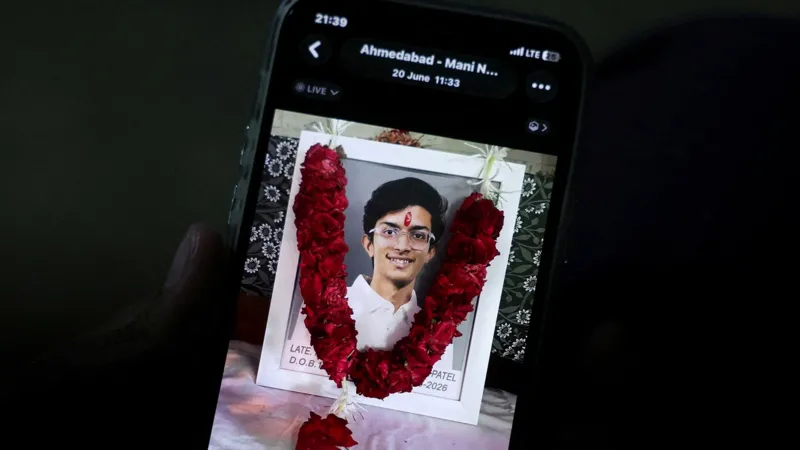
Published: 03 August 2026 | The English Chronicle Desk | The English Chronicle Online
For millions of young people across India, competitive examinations represent far more than academic tests. They are seen as gateways to higher education, stable employment and the possibility of lifting entire families out of poverty. But when examination papers are leaked, cancelled or manipulated, the consequences extend far beyond classrooms, leaving students emotionally devastated and families questioning whether the system they trusted has failed them.
A series of high-profile examination paper leak scandals in recent years has shaken confidence in India’s education system, sparking protests, legal investigations and demands for sweeping reforms. For some students, the emotional toll has been unbearable. Families who have lost children say the pressure created by repeated exam cancellations, uncertainty and allegations of corruption contributed to overwhelming despair.

Their stories have reignited a national conversation about academic competition, mental health and the responsibility of institutions entrusted with the futures of millions of young people.
Across India, students often spend years preparing for highly competitive entrance examinations for universities, engineering colleges, medical schools and government jobs.
Many attend coaching centres alongside regular schooling, studying long hours in the hope of securing one of a limited number of places.
Parents frequently make enormous financial sacrifices to support their children’s education. Some relocate to cities known for coaching institutes, while others take loans or exhaust savings to pay tuition fees.
For many families, success in a single examination can determine the economic future of an entire household.
That intense expectation also means any disruption to the examination process carries profound emotional consequences.
When question papers are leaked before examinations, authorities are often forced to cancel tests or order fresh examinations.
Such decisions are intended to protect fairness, but they also leave honest candidates feeling punished despite having done nothing wrong.
Students who spent months preparing suddenly find themselves facing weeks or even months of additional uncertainty.
Many describe the experience as emotionally exhausting.
Some worry they may struggle to maintain the same level of preparation for repeat examinations, while others fear age limits or recruitment deadlines could affect future opportunities.
Repeated scandals have led many students to question whether merit alone is enough to succeed.
Among the most heartbreaking consequences of the scandals are the stories of families who say their children became overwhelmed by disappointment and pressure.
Parents have spoken publicly about children who worked tirelessly for years only to see examinations cancelled because of alleged criminal activity beyond their control.
Some described hearing heartbreaking questions from their sons and daughters: “What was my fault?” or “Why am I being punished?”
Mental health specialists caution that no single event can explain an individual’s decision to take their own life. Suicide is a complex issue influenced by multiple factors. However, experts say repeated uncertainty, academic pressure and fear about the future can significantly increase emotional distress for vulnerable young people.
Each tragedy has intensified calls for stronger mental health support within schools, universities and coaching centres.
Police investigations into paper leak cases have uncovered organised criminal networks accused of obtaining confidential examination materials before tests take place.
Authorities allege that leaked papers have been sold for large sums of money to candidates seeking an unfair advantage.
In several cases, investigators have arrested education officials, intermediaries, coaching operators and other suspects accused of involvement in examination fraud.
Governments in different Indian states have promised tougher penalties for those responsible.
Officials argue that protecting the integrity of examinations is essential for maintaining public trust in education and public recruitment.
India’s examination culture is widely recognised as one of the most competitive in the world.
Millions of candidates compete annually for relatively small numbers of university places and government jobs.
This intense competition creates enormous psychological pressure, particularly among students from lower-income families who see education as their best opportunity for social mobility.
Psychologists note that many students experience anxiety, sleep deprivation and emotional stress throughout lengthy preparation periods.
When examinations are disrupted through fraud or administrative failures, that pressure often intensifies.
The repeated scandals have prompted demands for comprehensive reforms to examination systems across the country.
Education experts have proposed stronger cybersecurity protections, improved question paper handling procedures and greater use of secure digital technologies.
Some have called for decentralised examination systems or alternative assessment methods that reduce dependence on single high-stakes tests.
Others argue that criminal penalties alone will not solve the problem unless examination administration becomes more transparent and secure.
Governments have announced various measures aimed at strengthening oversight, although critics say implementation remains inconsistent.
The emotional impact of examination scandals has also highlighted broader concerns about student wellbeing.
Mental health organisations have urged schools and universities to expand counselling services and encourage students to seek help when feeling overwhelmed.
Campaigners argue that academic achievement should not become the sole measure of personal success.
Parents and teachers are increasingly encouraged to recognise signs of emotional distress and maintain open conversations about pressure, expectations and failure.
Experts stress that supporting young people emotionally is just as important as preparing them academically.
Student organisations have organised demonstrations demanding accountability from education authorities.
Many protesters argue that honest candidates should never suffer because of criminal actions committed by others.
Social media campaigns have amplified student voices, with thousands sharing personal experiences of cancelled examinations and repeated uncertainty.
Public frustration has also focused on delays in investigations and calls for quicker prosecution of those accused of organising paper leak operations.
Several courts have also considered petitions related to examination irregularities, reflecting the growing legal significance of the issue.
While paper leak scandals are often discussed in terms of investigations and arrests, families insist the greatest cost is measured in broken dreams rather than criminal statistics.
Years of dedication, financial sacrifice and emotional commitment can be undermined by actions entirely outside students’ control.
For those who have lost loved ones, justice means not only punishing those responsible but ensuring future students never face similar experiences.
Their stories have become powerful reminders that education systems carry responsibilities extending far beyond examination results.
Education authorities continue reviewing security procedures as governments seek to restore confidence in competitive examinations.
Technology, stricter oversight and faster investigations may help reduce future risks.
However, many experts believe rebuilding trust will require more than administrative reform.

Students must also feel confident that honest effort will be rewarded fairly and that institutions will protect both the integrity of examinations and the wellbeing of those taking them.
Creating that confidence will likely require sustained cooperation between governments, educational institutions, law enforcement agencies and mental health professionals.
India’s examination paper leak scandals have exposed vulnerabilities in one of the world’s largest education systems while revealing the immense emotional burden carried by millions of young people pursuing academic and professional success.
For grieving families, the issue is no longer simply about leaked question papers or failed security systems. It is about lives disrupted, dreams deferred and questions that remain painfully unanswered.
As authorities continue investigating criminal networks and strengthening examination security, many hope the tragedy will also inspire broader reforms that place fairness, transparency and student wellbeing at the heart of India’s education system.
Related News:
 Canadian astronaut French words ease language row
 Black Forest Tragedy Remembered 90 Years On
 UK University Suspends Human Rights Research Following Pressure from China
 Top Christmas Books Reads: Classics to Cozy Romcoms
 Snow and Rain Warnings as Cold Snap Continues in the UK
 Teacher Who Lied About Cambridge Degree Banned From Profession
 Epstein Eyed Record Label Investment to Access Women, Files Suggest
 ‘Don’t Make Us Security Guards,’ Says Teacher Stabbed by Pupil
 Australian Presenter Apologises for Drinking Before Slurred Olympics Report
 Toddlers in Finland Lead the Fight to Save Sámi Language
 ‘We Pray for Peace’: Indian Filmmaker From Troubled State Who Won a BAFTA
 Sadistic Pair Jailed for Blowing Up Sheep
 Will the New SEND Reforms in England Work? You Have Your Say
 ‘Every Day Feels Like a Month’: Iranians Describe Life Under ‘Constant’ US‑Israeli Strikes
 Tears and Cheers as Controversial Long‑Running Australian Breakfast Radio Show Implodes
 My One-Hour Flight Transfer Left Me Facing 10 Days Stuck in a City Under Attack
 Scots Head Teacher Pays Tribute to Teen Who Died in Car Fire
 Missing Cuba-Bound Aid Ships Spark Urgent Search
 Schools Lack Staff to Make SEND Reforms Work, Union Warns
 Michel Rolland: The ‘Spielberg of Wine’ Who Directed the Global Palate
 ‘The Final Word’: Kathleen Stock’s Polemic Against Assisted Dying Reshapes the UK Debate
 ‘The Cost of Living’: Asia’s Migrant Workers Debate if Gulf Jobs are Worth the Risk of War
 India Begins Mammoth Census for 1.4 Billion People
 Pope Leo Urges Peace in First Easter Mass Address
 Bangladesh Launches Emergency Vaccine Drive After 100 Child Deaths
 ‘I Will Not Abandon Him’: Pauline Hanson Stands by Ben Roberts-Smith After War Crime Charges
 ‘The Soul of Spain’: Politicians Clash Over Renewed Push to Move Picasso’s Guernica
 ‘It Was an Accident’: Rohan Dennis Breaks Silence to Attack ‘False Narrative’ Over Wife’s Death
 The Suffocating Silhouette: Why Metal’s Mask Trend is Turning Deadly
 Debt Relief or Drop in the Ocean? UK Caps Student Loan Interest at 6%
 The Fallen Icon: Ben Roberts-Smith Charged with Five War-Crime Murders
 The $100 Billion Peace: Trump’s ‘Grand Bargain’ Ends Iran Conflict at a Staggering Cost
 ‘No Gas, No Food’: LPG Shortage Triggers Reverse Migration in Indian Metros
 The Pre-School Lottery: Families Left in ‘Holding Pattern’ as Local Places Vanish
 Moldova River Crisis Exposes War’s Hidden Cost
 Relief at the Pump: Irish PM Unveils €505m Package to Stem Fuel Crisis
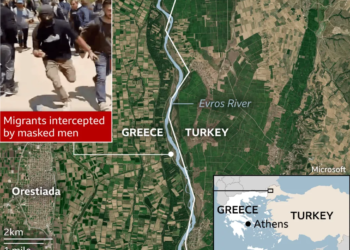 The Masked Frontier: Allegations of Greek Police Using Proxies for ‘Seismic’ Border Pushbacks
 Legacy of the Future: Prince Harry Argues Children Should Be an ‘Upgrade’ of Parents
 The ‘War Tax’: How the Iran Conflict is Siphoning Your Bank Account
 The ‘Machli’ Manifesto: Why Indian Politicians are Trading Rallies for Fish Markets
 ‘Words Are Not Enough’: Quinton Byfield Urges Concrete Action as Hockey Faces New Racism Row
 NHS Safety Fears as Nurses Cover Doctor Gaps
 The £36 Billion Reckoning: BHP Faces Quantum Trial After High Court Liability Landmark
 “Three-Wheeled Triumph”: Mayor of Erewash Completes 2,000-Mile European Charity Run
 Ukraine Urges UK to Seize Russian Oil Tankers
 Escobar’s Hippos May Be Moved to India Zoo
 Older Than Dinosaurs: Secrets of Mayfly Dance Revealed
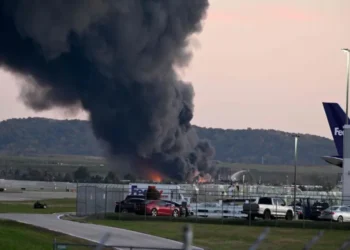 Two Dead in Adelaide Airport Plane Crash Fire
 The “Charles Charm” Offensive: Did the Royals Find Their Mojo in D.C.?
 Tragedy in the Red Centre: Outback Search Ends in Discovery of Missing Girl’s Body
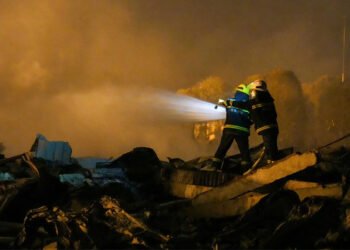 China Fireworks Factory Blast Kills 21 in Hunan
 “The Trial’s Strange Turn”: Musk v. Altman Case Veers into Personal Testimony and ‘Sperm Offers’
 “The Mush-Brain Mandate”: How to ‘Think Outside the Bots’ and Bypass the AI Resilience Deficit
 France Faces Record Presidential Crowded Race Amid Far-Right Surge
 Tractor Breakdown Tests Lincolnshire Farmers
 “The Price Persistence”: Navigating the UK’s Evolving Cost-of-Living Landscape
 Pope Meets Families in Italy Toxic Waste Zone
 Farage and Reform UK Reshape British Politics
 Starmer Leadership Under Pressure After Setbacks
 Southgate Calls for Different Approach to Boys
 Fans Bring Flags and Fire to World Cup Scenes
 Fans Invited to Share Scotland World Cup Stories
 Spain Tourism Surges as Travellers Avoid Middle East
 Spain Sees Tourism Boom as Travellers Shift Away From Middle East
 “I Applied for Hundreds of Jobs” — The Advice That Finally Worked
 Prince George Set to Begin Studies at Eton This September
 Girl Survives 32 Hours Under Rubble After Venezuela Quake
 Trump’s Major Recruitment Drive Targets Border Patrol Growth
 Parents Fundraise to Cool Overheated School Classrooms
 US Investigates ‘Explosive Diarrhoea’ Parasite Outbreak
 Le Pen’s Popularity Holds Despite Conviction
 Bryne Backs Haaland Before England World Cup Clash
 India’s Youth Revolt Challenges Modi Government
 India’s Gen Z Protest Movement Enters a New Phase
 Jewish Students Describe Rising Antisemitism on UK Campuses
 Girlguiding Unveils First Uniform Redesign in 35 Years
 Technical Subjects to Be Expanded for Pupils Aged 14
 French Firefighters Battle ‘David vs Goliath’ Wildfire
 Bali Bans Dutch Expats Over Alleged Running Club Exclusion
 Many Trapped Inside Japanese Shopping Centre After Earthquake