Published: 28 July 2026 | The English Chronicle Desk | The English Chronicle Online
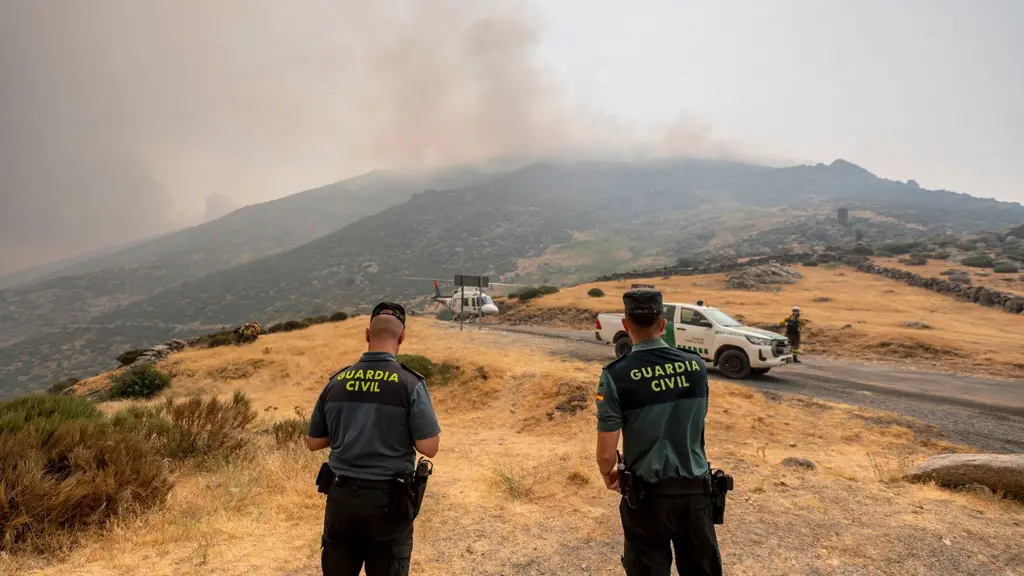
French firefighters have described the battle against a rapidly spreading wildfire as a “David against Goliath” struggle as emergency crews continue fighting flames intensified by a new heatwave affecting parts of the country.
The devastating blaze, which has threatened communities, forests and farmland, has placed enormous pressure on fire services as extreme temperatures, dry vegetation and strong winds create dangerous conditions. Officials have warned that the combination of heat and drought has made controlling the fire exceptionally difficult, with crews facing an unpredictable and fast-moving threat.
Firefighters battling the flames said the scale of the operation demonstrates the growing challenges posed by extreme weather events. Despite thousands of emergency workers being deployed, authorities acknowledge that stopping a large wildfire under such conditions requires constant effort, careful coordination and significant resources.

The description of the firefighting effort as a “David against Goliath” battle reflects the imbalance between human resources and the power of nature. Fire crews are working around the clock using aircraft, water tankers, ground teams and specialist equipment, but extreme heat and changing winds continue to complicate their efforts.
The latest heatwave has added another layer of difficulty, pushing temperatures higher and increasing the risk that existing fires could spread further or that new fires could begin.
Meteorologists have warned that prolonged periods of hot, dry weather create ideal conditions for wildfires. Vegetation becomes highly flammable after losing moisture, allowing flames to move quickly across forests, fields and rural landscapes.
Southern and western parts of France have been particularly vulnerable, with emergency services monitoring conditions closely and advising residents and visitors to follow safety instructions.
Authorities have urged people to avoid activities that could accidentally start fires, including outdoor burning, careless disposal of cigarettes and the use of equipment that can create sparks.
The wildfire has already forced evacuations in some areas, with residents instructed to leave their homes as a precaution. Emergency shelters have been prepared to support people displaced by the flames, while local authorities coordinate transport and humanitarian assistance.
For many communities affected, the situation has created fear and uncertainty as residents watch firefighters attempt to protect homes and important infrastructure.
Some villages and rural areas have experienced the disruption caused by road closures, evacuation orders and restrictions on movement.
Fire crews say protecting lives remains their highest priority, but they are also working to limit damage to forests, agricultural land and local economies.
France has experienced increasingly severe wildfire seasons in recent years, with climate scientists linking the trend to rising temperatures, changing rainfall patterns and longer periods of drought.
Although individual fires can have multiple causes, experts say climate change is increasing the likelihood that extreme wildfire conditions will occur more frequently.
Warmer temperatures dry out vegetation more quickly, while reduced rainfall leaves landscapes more vulnerable to ignition.
The growing threat has forced European countries to reconsider their wildfire preparation strategies. Governments have invested in improved early warning systems, additional firefighting equipment and greater cooperation between emergency services.
France has expanded its use of aerial firefighting resources, including water-dropping aircraft capable of reaching areas that are difficult for ground crews to access.
However, firefighters say equipment alone cannot eliminate the challenges created by increasingly extreme weather.
They emphasise that prevention remains one of the most effective tools in reducing wildfire risks.
Public awareness campaigns have focused on encouraging responsible behaviour during high-risk periods, particularly during summer months when millions of people visit forests, beaches and rural areas.
Tourism authorities have also been working with local governments to inform visitors about restrictions and safety measures.
France’s wildfire crisis comes as several European countries experience another period of intense summer heat.
Heatwaves have affected large parts of the continent, increasing pressure on emergency services and raising concerns about health risks, water shortages and agricultural damage.
Scientists say the repeated occurrence of extreme heat events highlights the need for stronger climate adaptation measures.
Urban areas are also being affected by rising temperatures, with cities introducing measures such as expanding green spaces, improving cooling systems and creating emergency plans for vulnerable residents.
However, rural communities often face additional challenges because of their proximity to forests and agricultural land.
Farmers have expressed concerns about crop damage, livestock welfare and the economic impact of prolonged dry conditions.
Wildfires can destroy farmland within hours, affecting food production and creating long-term recovery challenges for rural economies.
Insurance companies and government agencies are also examining the financial consequences of increasingly frequent natural disasters.
The cost of firefighting operations, property damage and environmental restoration can be significant, placing additional pressure on public budgets.
Despite the difficulties, firefighters involved in the current operation have praised the determination and teamwork of emergency crews.
Many have been working long shifts in dangerous conditions, facing intense heat, smoke and difficult terrain.
Officials have also highlighted the importance of volunteers and local communities supporting evacuation efforts and assisting those affected.
The emotional impact of wildfires can continue long after flames are extinguished. Residents who lose homes, farmland or natural landscapes often face lengthy recovery periods.
Mental health specialists say communities affected by major fires may experience stress, anxiety and uncertainty about future risks.
For firefighters, each wildfire represents a complex combination of physical danger and responsibility.
They must make rapid decisions about where to deploy resources while protecting both communities and their own teams.
The current blaze has once again demonstrated the increasing demands placed on emergency services as extreme weather becomes more common.

As temperatures remain high, authorities continue monitoring weather conditions and preparing for potential changes in the fire situation.
Fire officials say the battle is far from over, but they remain determined to contain the flames and protect affected communities.
The “David against Goliath” comparison captures the scale of the challenge facing French firefighters, but emergency leaders insist that preparation, teamwork and persistence can make a difference.
For now, crews continue their fight against one of the most serious wildfire threats of the season, facing not only a powerful natural disaster but also the growing reality of a warmer and more unpredictable climate.
Related News:
 Pope Meets Families in Italy Toxic Waste Zone
 Chornobyl Still at Risk 40 Years After Disaster
 France Faces Record Presidential Crowded Race Amid Far-Right Surge
 Norway Doubles Down on Oil and Gas for Europe Energy Security
 Deadly Spain Wildfire Leaves 11 Dead, 19 Missing
 England and Norway Fans Turn Miami Into World Cup Carnival
 France Evacuates Tourist Area as Wildfires Spread
 Olympus Awaits Unesco Heritage Recognition
 Wildfires Force Mass Evacuations in France And Spain
 Wildfires Threaten Bordeaux as Mass Evacuations Grow
 Wildfires Advance Toward Farmland Near Bordeaux
 EU weighs response amid Greenland tariff crisis with Trump
 EU Says US Ties Have Suffered ‘Big Blow’ After Greenland Crisis
 Thousands Left Without Heating in Ukraine Amid Russia Strikes
 Storm Leonardo Triggers Election Delay Calls in Iberia
 Portugal Election Delivers Socialist Win as Far Right Surges
 Hindu Man’s Stand Sparks Hope in India
 Five Young People Die in Spain Apartment Block Fire
 Snow and Rain Warnings as Cold Snap Continues in the UK
 Break from Wintry Weather as UK Temperatures to Climb to 14 °C
 UK Winter Nowhere Near a Record Breaker Despite Floods and Storms
 UK Records Warmest Day of the Year as Temperatures Exceed 18 °C
 Hungary Faces Political Tension Over the Ukraine Crisis
 Cyprus Drone Strike Sparks Europe’s Strong Response
 Bodies of Two Chinese Backpackers Found in Floodwaters
 How and When to See April’s Full Pink Moon
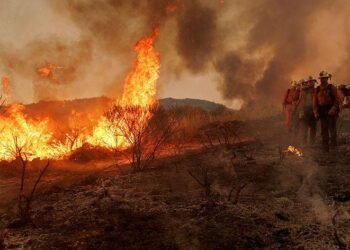 Evacuations Ordered as California Wildfires Spread Fast
 Peretz Targets FA Cup Upset Amid War Concerns
 Storm Dave Disrupts Travel but Conditions Set to Ease
 ‘The Soul of Spain’: Politicians Clash Over Renewed Push to Move Picasso’s Guernica
 The ‘Svuota Londra’ Effect: Why the Super-Rich are Swapping Dubai for Milan
 Hungary election: Orbán faces biggest test amid scandal
 Moldova River Crisis Exposes War’s Hidden Cost
 Cyclone Vaianu Forces Mass Evacuations in New Zealand
 Canadian astronaut French words ease language row
 Exploring Italy’s Forgotten Dolomites Beyond Crowds
 Ukraine Urges UK to Seize Russian Oil Tankers
 Escobar’s Hippos May Be Moved to India Zoo
 Older Than Dinosaurs: Secrets of Mayfly Dance Revealed
 Capitalism ‘Suicidal’, Warns Petro at Climate Summit
 Two Dead in Adelaide Airport Plane Crash Fire
 Coalition pushes fossil fuel phaseout plan
 Ukraine strikes Tuapse as oil disaster worsens
 Global order shifts amid Trump-era turmoil
 China Fireworks Factory Blast Kills 21 in Hunan
 Ceasefire Standoff Deepens in Ukraine War
 Bad Weather Threatens Hantavirus Cruise Ship Evacuation
 Doomsday Clock Nears Midnight Amid Global Crises
 Tractor Breakdown Tests Lincolnshire Farmers
 Britons Build Emergency Supplies Amid Rising Fears
 Ex-Chief of Staff Named in Major Ukraine Corruption Probe
 Hybrid village stores fight rural decline
 Sycamore Gap Artwork Chosen After Public Vote
 Zelenskyy warns over Oreshnik threat as Kyiv hit
 Former ICC prosecutor condemns US sanctions
 Irish Gangland Figure Fails in Dublin Election Bid
 Farage and Reform UK Reshape British Politics
 Starmer Leadership Under Pressure After Setbacks
 Deadly Russian Air Raids Strike Across Ukraine
 UN Issues Urgent Warning: Imminent Return of El Niño
 Papal Visit Offers Political Lifeline to Spanish Premier
 Deadly Earthquake Hits Philippines
 Spain Tourism Surges as Travellers Avoid Middle East
 Spain Sees Tourism Boom as Travellers Shift Away From Middle East
 Germany Summons Chinese Envoy Over Russian Troop Training
 UK Nations Brace for Potential Breakup Amid Reform Surge
 Sydney Records Hottest June Since 1859 as Expert Warns New High a ‘Signature’ of Global Warming
 Le Pen to Run for President Despite Embezzlement Conviction
 Le Pen’s Popularity Holds Despite Conviction
 Bryne Backs Haaland Before England World Cup Clash
 Dreyfus Statue Finally Gets Permanent Paris Home
 Teen Charged After Layla Jeffery Found Dead
 London Tube Heat Reaches Dangerous Levels
 Venezuela Quake Death Toll Surpasses 4,000
 Zelensky Dismisses Ukraine’s Top Army Commander After Days of Nationwide Protests
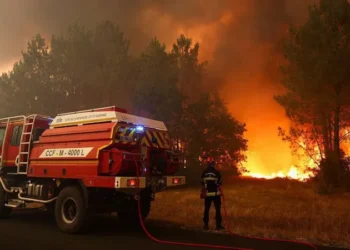 Thousands Evacuated in France as Wildfires Spread Across Regions
 Three-Quarters of England’s Riverbanks Still Off Limits
 Berlin Pride Attack Suspect Killed in Police Raid
 India’s Gen Z Protest Movement Enters a New Phase
 Fourth Heatwave Brings 35C Temperatures to UK