Published: 20 July 2026 | The English Chronicle Desk | The English Chronicle Online
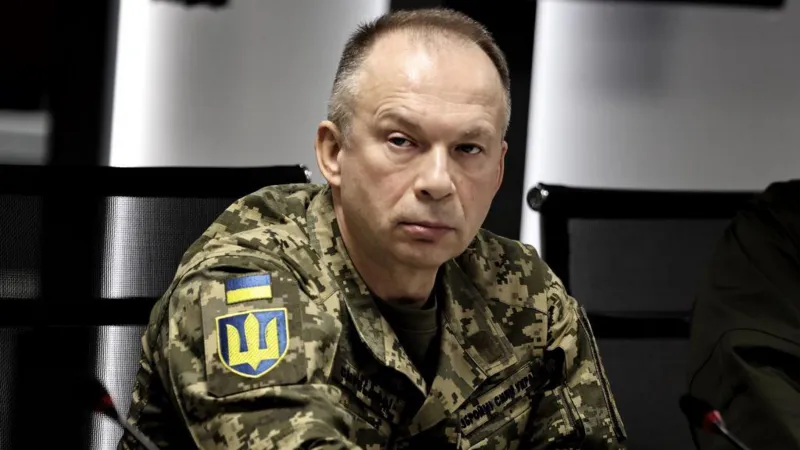
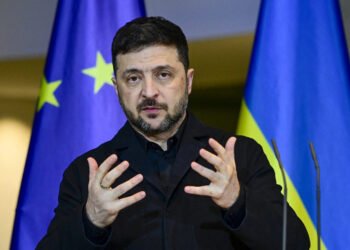
Ukrainian President Volodymyr Zelensky has dismissed the country’s top military commander following several days of protests that intensified pressure on the government amid the ongoing war with Russia.
The decision marks one of the most significant changes to Ukraine’s military leadership since the conflict began, with officials saying new leadership is needed to address operational challenges, restore public confidence and adapt to evolving battlefield conditions.
The move has sparked widespread political debate inside Ukraine, with supporters arguing it reflects accountability during wartime, while critics question whether changing military leadership during an active conflict could affect operational stability.

The dismissal follows several days of demonstrations in different parts of Ukraine, where protesters expressed concerns over military strategy, mobilisation policies and the broader direction of the war effort.
Although the protests involved a range of issues, political analysts say they increased pressure on the government to demonstrate responsiveness to public concerns.
In announcing the leadership change, President Zelensky thanked the outgoing commander for his service while stating that Ukraine’s armed forces required “renewed leadership” to meet the challenges ahead.
The president did not suggest the dismissal reflected any single operational failure but described it as part of a broader effort to strengthen Ukraine’s defence capabilities.
Senior government officials defended the decision, arguing that wartime leadership must constantly evolve as battlefield conditions change.
Officials said Ukraine continues to face complex military challenges, including maintaining defensive positions, protecting infrastructure and coordinating international military assistance.
They stressed that the appointment of new leadership should not be interpreted as criticism of the armed forces as a whole.
Instead, they described the change as an opportunity to improve military planning and operational effectiveness.
The demonstrations that preceded the dismissal reflected growing public debate over several wartime issues.
Participants called for greater transparency regarding military decision-making, troop rotations, recruitment policies and support for frontline soldiers.
Many demonstrators also urged the government to improve communication with both military personnel and civilians.
While protests remained largely peaceful, they highlighted the pressures facing Ukrainian society after years of conflict.
Changing senior military leadership during an active conflict is considered a significant decision.
Defence analysts note that continuity in command is often viewed as essential during wartime, but governments may also conclude that new leadership is necessary when circumstances change.
Ukraine has previously made adjustments to both military and civilian leadership throughout the conflict as part of broader efforts to adapt to changing conditions.
Military experts say the effectiveness of the transition will depend on how quickly the new commander establishes continuity and confidence throughout the armed forces.
The leadership change comes as fighting continues across multiple areas of eastern and southern Ukraine.
Both Ukrainian and Russian forces remain engaged in sustained military operations involving artillery, drones, missile strikes and defensive positions.
Ukraine continues to rely heavily on military assistance provided by Western allies, including air defence systems, ammunition, armoured vehicles and intelligence cooperation.
Officials say strengthening command structures remains an important element of maintaining battlefield readiness.
Ukraine’s international partners are closely monitoring developments.
Western governments have largely described the appointment of military commanders as an internal Ukrainian matter while reaffirming continued support for Kyiv’s defence efforts.
Diplomatic officials emphasised that long-term military assistance would continue regardless of changes in individual leadership positions.
Several allies also expressed confidence in the professionalism of Ukraine’s armed forces.
The dismissal is expected to influence domestic political discussions in Ukraine.
Supporters of President Zelensky argue that decisive leadership requires difficult decisions, particularly during wartime.
Opposition figures, however, have questioned whether changing senior commanders during a prolonged conflict could create uncertainty.
Political analysts believe the government will now face increased scrutiny regarding future military performance and strategic decision-making.
Whoever succeeds as Ukraine’s top military commander will inherit a demanding position.
Key priorities are expected to include coordinating defensive operations, maintaining troop morale, integrating newly delivered Western military equipment and preparing for future battlefield developments.

Military observers say effective cooperation between political and military leadership will remain essential as Ukraine continues confronting Russian forces.
The new commander will also be expected to reassure both soldiers and civilians that operational continuity will be maintained.
President Volodymyr Zelensky’s decision to dismiss Ukraine’s top army commander marks a significant moment in the country’s wartime leadership.
Coming after days of public protests and continuing military challenges, the move underscores the pressures facing Ukraine as it balances military operations, domestic expectations and international partnerships.
While the leadership transition introduces a new chapter for Ukraine’s armed forces, attention will now focus on whether the appointment of a new commander strengthens military effectiveness and restores public confidence during one of the most difficult periods in the nation’s modern history.
Related News:
 Ukraine strikes Tuapse as oil disaster worsens
 Putin Declares Russia Victory at Scaled Victory Day Parade
 Zelenskyy warns over Oreshnik threat as Kyiv hit
 High-speed Spain train crash leaves nation in mourning
 EU weighs response amid Greenland tariff crisis with Trump
 EU Says US Ties Have Suffered ‘Big Blow’ After Greenland Crisis
 Thousands Left Without Heating in Ukraine Amid Russia Strikes
 Russia sanctions hit economy hard, says EU envoy
 Portugal Election Delivers Socialist Win as Far Right Surges
 Macron Rebuked in Franco-German Defence Row
 Facing a Demographic Catastrophe, Ukraine Is Paying for Troops to Freeze Their Sperm
 Hungary Faces Political Tension Over the Ukraine Crisis
 UK Prepares Aircraft Carrier for Middle East Crisis
 Cyprus Drone Strike Sparks Europe’s Strong Response
 North Korea Fires Missiles Amid US-South Korea Drills
 Russia Drone Attack Intensifies Ukraine War Pressure
 China’s Secret Mountain Ruins Rise Again in New Cold War
 ‘The frontline is like Terminator’: Ukraine’s fighting robots
 Italian Town Buys Mussolini Villa to Keep Away Fascist Fans
 Hungary election: Orbán faces biggest test amid scandal
 RAF Typhoons scrambled amid Russian drone threat near Nato
 Trump orders US troop pullout from Germany
 Trump likens US Navy actions to ‘pirates’
 Global order shifts amid Trump-era turmoil
 Ceasefire Standoff Deepens in Ukraine War
 France Faces Record Presidential Crowded Race Amid Far-Right Surge
 Norway Doubles Down on Oil and Gas for Europe Energy Security
 Bad Weather Threatens Hantavirus Cruise Ship Evacuation
 Ex-Chief of Staff Named in Major Ukraine Corruption Probe
 Pope Meets Families in Italy Toxic Waste Zone
 Discontent grows around Putin amid war strain
 Former ICC prosecutor condemns US sanctions
 Irish Gangland Figure Fails in Dublin Election Bid
 Europe Swept by Historic May Heatwave
 Deadly Russian Air Raids Strike Across Ukraine
 Papal Visit Offers Political Lifeline to Spanish Premier
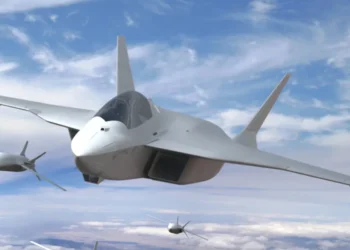 Collapse of Franco-German Fighter Jet Project Raises Questions Over Europe’s Defence Future
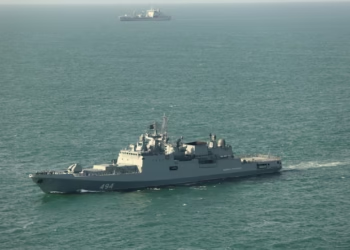 Russian Frigate Fires Warning Shots Near British Yacht
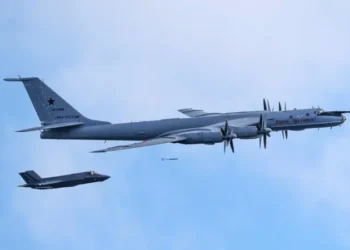 UK Fighter Jets Intercept Russian Aircraft Over Norwegian Sea
 Le Pen to Run for President Despite Embezzlement Conviction
 NATO Unveils £37bn Joint Missile Defence Initiative
 KAAN Fighter Jet Signals New Era for NATO Air Power
 England and Norway Fans Turn Miami Into World Cup Carnival
 BBC to Apologise Over Edited Trump Speech Amid Backlash
 Greene Pushes Epstein Files Amid Trump Fallout
 Zelenskyy Signs Fighter Jet Deal Amid Russian Drone Attacks
 Shadow Fleet at Sea: Europe’s Battle Against Illicit Oil Shipping
 US Suspends Afghan Immigration After White House Shooting
 ‘Extinct’ Antelope Returns to Sahara, Bringing Hope
 Sydney Shark Attack Surge Shocks Australia Beaches
 Australian Families Leave Syrian Camp for Home
 Hilary Knight speaks out on Trump’s recent hockey remarks
 Herzog Asio meeting sparks security storm
 Penny Wong silent on Australian crew in sub strike
 Finland Plans to Lift Decades‑Old Ban on Hosting Nuclear Weapons
 Trump Pressures Congress Over Save America Act
 Goma Drone Attack Kills Three as Conflict Escalates
 Queensland Protest Laws Spark Free Speech Backlash
 Trump Nato threats expose Iran strategy vacuum
 Trump Facing Backlash from Epstein Survivors Over Files
 Spain Faces Backlash Over Xenophobic Chants in Egypt Draw
 Report Says Pezzullo Acted ‘Recklessly’ in Dealings
 Is Britain Ready? Experts Warn of ‘Bizarre’ Military Delay
 Tragedy Strikes Outside Melbourne Comic Con
 Rat Poison Found in Baby Food Sparks Major Recall Row
 US to Escort Trapped Ships Through the Strait of Hormuz
 Arteta urges Arsenal to step up in Atlético semi-final
 “The Pivot to Pakistan”: Trump Pauses ‘Project Freedom’ in Hormuz Amid Iran Deal Hopes
 US Awaits Iran Reply on New Ceasefire Proposal
 Putin Signals War End as Russian Momentum Stalls
 Romania’s Judicial Crisis: A System Under Siege
 Australia Welcomes the Iconic Michelin Guide
 Philippine Senator Flees After Days Under Senate Siege
 High Street Crisis: Fears Grow Over Post Office Closures
 Oil Markets Face ‘Red Zone’ Threat Amid Iran Crisis
 UN Issues Urgent Warning: Imminent Return of El Niño
 UK Faces Most Dangerous Era, Military Chief Warns
 US Launches Strikes on Iran After Military Helicopter Downed Near Strait of Hormuz
 UK Economy Suffers a Sharp Downturn as Iran Conflict Bites
 Lamine Yamal’s Birthday: Football, Fame, and France