Published: 04 August 2026 | The English Chronicle Desk | The English Chronicle Online
Iran has said it is engaged in diplomatic discussions with Oman but is not holding direct negotiations with the United States, contradicting comments by US President Donald Trump suggesting that talks between Washington and Tehran were set to resume.
The differing public statements underscore the continuing complexity of relations between the two countries, which remain deeply divided over regional security, Iran’s nuclear programme and recent military confrontations. While both sides have indicated an interest in reducing tensions, officials in Tehran insist that any communication currently taking place is being conducted through intermediaries rather than through direct diplomatic engagement.
Oman, which has long played the role of a neutral mediator in Middle Eastern diplomacy, once again finds itself at the centre of efforts to prevent further escalation between two long-standing adversaries.
The latest diplomatic uncertainty emerged after President Trump indicated that negotiations with Iran were expected to resume, raising hopes that recent military tensions could give way to renewed dialogue.
However, Iranian officials quickly rejected suggestions that direct talks with the United States were underway.
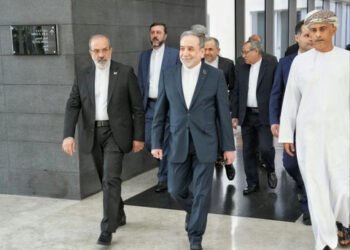
Instead, Tehran confirmed that discussions were taking place with Omani representatives, describing Muscat as an important diplomatic channel while emphasising that no face-to-face negotiations with Washington had begun.

Officials reiterated that Iran’s position regarding direct engagement with the United States had not changed.
The contrasting statements have prompted analysts to question whether both governments are describing different stages of the same diplomatic process or pursuing separate public messaging strategies.
For decades, Oman has maintained cordial relations with both Iran and the United States, allowing it to serve as a trusted intermediary during periods of heightened regional tension.
Unlike many regional powers, Oman has consistently pursued a policy of balanced diplomacy, seeking dialogue rather than confrontation.
Muscat has previously facilitated indirect communications involving nuclear negotiations, prisoner exchanges and broader regional security discussions.
Diplomatic observers note that Oman’s reputation for discretion has often made it an effective venue for sensitive negotiations.
Its role has become increasingly significant whenever direct communication between Washington and Tehran has proven politically difficult.
Although recent military activity has eased compared with earlier periods of confrontation, relations between Iran and the United States remain strained.
The two governments continue to disagree over sanctions, regional military activity, Iran’s nuclear ambitions and the presence of armed groups across the Middle East.
These issues have repeatedly complicated diplomatic efforts over the past several years.
While both sides have occasionally expressed support for dialogue, practical progress has often been interrupted by political disagreements or security incidents.
Analysts believe rebuilding trust remains one of the greatest obstacles to meaningful negotiations.
Indirect diplomacy has become an increasingly common feature of US-Iran relations.
Rather than meeting directly, officials often exchange messages through intermediary governments or international organisations.
Such arrangements allow communication while reducing political sensitivities associated with formal negotiations.
Experts say these indirect channels can be especially valuable during periods of heightened tension, providing opportunities to clarify positions, prevent misunderstandings and explore possible areas of compromise.
However, indirect talks also tend to move more slowly than direct negotiations.
Any future diplomatic engagement is expected to focus heavily on Iran’s nuclear programme.
Western governments have long sought assurances that Tehran’s nuclear activities remain exclusively peaceful, while Iran maintains that its programme serves civilian purposes, including energy production and scientific research.
Disagreements over uranium enrichment, international inspections and economic sanctions have repeatedly stalled previous negotiations.
Diplomatic observers believe resolving these issues will require extensive discussions involving technical experts as well as political leaders.
The path towards any comprehensive agreement remains uncertain.
Beyond nuclear issues, regional security continues to dominate discussions involving Iran and neighbouring countries.
Conflicts involving armed groups across the Middle East, maritime security, missile programmes and military deployments all contribute to ongoing diplomatic challenges.
The United States and several regional partners have repeatedly expressed concerns regarding Iran’s regional influence.
Iran, meanwhile, argues that its security policies are defensive and that foreign military presence in the region contributes to instability.
These competing perspectives continue shaping diplomatic exchanges.
Governments across Europe, Asia and the Middle East are closely monitoring developments between Washington and Tehran.
Many countries support renewed diplomacy, arguing that sustained dialogue offers the best opportunity to reduce regional tensions and avoid further military confrontation.
International organisations have similarly encouraged peaceful engagement and respect for international law.
Diplomats believe even limited communication can help reduce the risk of accidental escalation during periods of heightened military activity.
Political considerations inside both countries also influence diplomatic messaging.
Leaders often balance international negotiations with domestic public opinion, parliamentary pressures and broader national security priorities.
Public statements may therefore differ from private diplomatic exchanges.
Analysts caution against interpreting every official announcement as a complete reflection of ongoing negotiations.
Diplomatic processes frequently involve confidential discussions that remain undisclosed until significant progress has been achieved.
Even if indirect discussions continue through Oman, substantial obstacles remain before formal negotiations could resume.
Longstanding mistrust, competing strategic interests and unresolved disputes continue to complicate diplomatic progress.
Both governments also face pressure from domestic political groups advocating different approaches towards bilateral relations.
Observers suggest confidence-building measures could become an important first step before broader agreements are considered.
Small humanitarian or technical agreements have historically helped establish momentum for larger diplomatic initiatives.
Despite persistent disagreements, many analysts believe maintaining communication channels remains preferable to complete diplomatic isolation.
Indirect mediation through countries such as Oman provides opportunities to manage crises and reduce misunderstandings.

History demonstrates that even periods of severe confrontation have occasionally been followed by renewed diplomatic engagement.
Whether current indirect contacts eventually evolve into direct negotiations remains uncertain.
Much will depend on political developments, regional security conditions and the willingness of both governments to compromise.
Iran’s confirmation that it is communicating with Oman—but not directly with the United States—highlights the delicate state of diplomacy following recent regional tensions.
While President Donald Trump has expressed optimism about renewed negotiations, Tehran continues to insist that no direct talks are taking place.
The differing narratives illustrate both the challenges and importance of diplomacy in one of the world’s most sensitive geopolitical relationships.
With Oman continuing its longstanding role as a trusted intermediary, diplomatic channels remain open even as significant disagreements persist, offering cautious hope that dialogue may eventually help reduce tensions and prevent further instability.
Related News:
 US Urges Iran to Make Deal as Military Presence Rises
 Trump’s Foreign Policy Dilemma Laid Bare by Iran Tensions
 US Partially Evacuates Beirut Embassy Amid Rising Iran Tensions
 Hopes and Fears as US Iranians Take to Streets After Toppling of Supreme Leader
 Iran, the US, and a World Cup That Starts in Three Months
 Trump’s Iran Endgame Unclear After Mixed Messaging on War Aims
 Rubio Responds to Reported Strike on Iranian School
 US Senate Backs Trump War Powers Amid Iran Missile Barrage
 UK Prepares Aircraft Carrier for Middle East Crisis
 Iran Rejects Ceasefire, Warns Trump With Chilling Message
 Trump likens US Navy actions to ‘pirates’
 Tensions Emerge in Netanyahu-Trump Alliance
 Former ICC prosecutor condemns US sanctions
 Trump Claims Iran Peace Deal Near Completion
 Trump-Netanyahu Call Fuels Iran Talk Crisis
 Israel Strikes Iran After Missile Attack
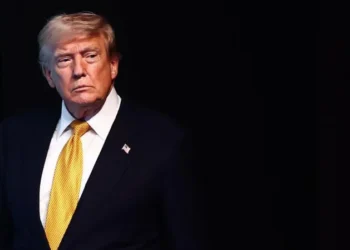 Trump’s Hormuz U-Turn Raises Doubts Over Iran Strategy
 US Launches New Strikes as Iran Says Civilian Infrastructure Hit
 Houthis Strike Saudi Arabia as Middle East Tensions Rise
 Trump Hosts Zelensky and Netanyahu as Ukraine and Iran Conflicts Shape Global Agenda
 Russia losses Ukraine war peace talks intensify amid rising deaths
 Trump Escalates Minnesota Immigration Surge Amid Rising Tensions
 Trump Threatens Strong Action If Iran Executes Protesters
 Trump Receives Machado’s Nobel Medal in White House Meeting
 Iran Cannot Be Bombed Into Democracy, Only Helped There
 EU Says US Ties Have Suffered ‘Big Blow’ After Greenland Crisis
 Trump Praises ‘Terrific’ Petro After White House Talks
 Fears of New Arms Race as US-Russia Nuclear Weapons Treaty Expires
 ‘He Did It for Us’: US Soldier Recalls Jesse Jackson’s Efforts to Free Him and Two Other POWs
 Iran Says ‘Guiding Principles’ Agreed With US at Nuclear Talks
 Stephen Colbert Says CBS Spiked Interview With Democrat Over FCC Fears
 American Citizen Killed in Cuba Boat Shooting, U.S. Officials Say
 Middle East Flights Halted After Iran Strikes
 Iran’s Regime Still Intact — Coming Days Will Test Its Survival
 Allies of US in the Gulf Bear Brunt of Iran Attacks
 Trump Faces Questions Over Iran Conflict Plan
 Cooper: Joining US Strikes on Iran ‘Not in Britain’s Interest’
 Did Trump Declare War and Did Congress Approve Iran Attacks? What to Know
 Why the US and Israel attacked Iran
 Israel Launches Fresh Strikes on Tehran & Beirut; US Warns “Hardest Hits” Ahead
 Israel Launches Ground Invasion of Lebanon Amid Widening Middle East War
 Trump Underestimated the Iranian Regime’s Will to Survive
 US Senate Vote Fails to Rein in Trump War Powers on Iran
 Macron Finds ‘Freedom Fries’ Redemption in Iran Crisis
 Thousands Protest Iran Strikes Outside US Embassy London
 US Bombers Arrive at RAF Base Amid Rising Iran Tensions
 Pete Hegseth Iran War Remarks Spark Alarm
 Nine Days of Strikes Reshape the Middle East
 Trump Threatens Iran With ‘Twenty Times Harder’ Oil Strike
 Iran War Puts Trump at Political Risk Amid Rising Prices
 Iran’s New Leader Faces Existential Test
 Video Analysis Suggests US Missile Hit Base Near Iran School
 Trump Iran War Stance Hardens as Conflict Widens
 Trump’s Confidence Undimmed — But Every Iran Option Carries Risk
 Israel Says Iran Security Chief Larijani ‘Killed’
 Ghalibaf Iran: Survivor Emerges in Shifting Power Game
 Charles Faces Trump Test in High-Stakes US Visit
 US Court Ruling Reshapes Voting Rights Landscape
 US states redraw maps after voting rights ruling
 Giuliani hospitalised in critical condition
 Trump Threatens UN Budget Cuts as US Pushes ‘Trade Over Aid’ Agenda
 Trump warns Iran as Middle East tensions surge again
 US Court Restores Abortion Pill Access Temporarily
 US Awaits Iran Reply on New Ceasefire Proposal
 Hormuz Talks Near Critical Stage
 House Curbs Trump’s War Powers in Rare Rebellion
 Zelensky Invites Putin to Direct Peace Talks
 Ex-Wife of Dubai Royal Relative Held in Custody
 US Launches Strikes on Iran After Military Helicopter Downed Near Strait of Hormuz
 Efforts to Reshape Middle East Risk Creating Long-Term Regional Crisis, Analysts Warn
 Three Indian Sailors Killed in US Strike on Tanker Near Oman as US–Iran Conflict Escalates
 Trump Helps Clear Balogun for Belgium World Cup Clash
 Why Some African Nations Are Rejecting Trump Aid
 Trump’s Major Recruitment Drive Targets Border Patrol Growth
 Trump’s New Vision for 250 Years of US Expansion
 Senate Halts Defense Bill Over Iran Clashes
 US Launches New Strikes on Iran as Trump Issues Stark Warning to Tehran
 ICE Arrests Human Rights Lawyer Who Fled Chinese Crackdown
 US Signs Landmark Nuclear Deal With Saudi Arabia in Major Strategic Agreement
 US Unveils Fresh Tariffs on Global Trading Partners