**Published: 28 August 2026. The English Chronicle Desk. The English Chronicle Online**
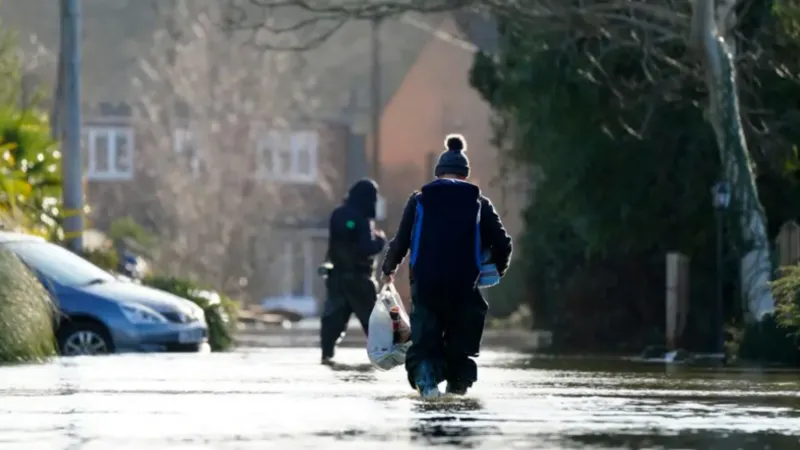
Residents in Reading are being urged to prepare for possible flooding despite months of unusually dry and hot weather, with local authorities warning that drought-hardened ground could increase the risk of rapid surface-water flooding when heavy rain returns.
Reading Borough Council has advised residents, particularly those who have experienced flooding in the past, to take precautions before the wetter autumn and winter months. The warning follows a summer marked by prolonged dryness and five heatwaves, which officials say have significantly altered ground conditions across the area.
The council says the unusually hard surface of the ground could prevent rainfall from being absorbed efficiently. Instead of soaking into the soil, large amounts of water could run rapidly across the surface, potentially overwhelming drainage systems during intense storms.
Council leader Liz Terry acknowledged that the warning might appear contradictory after such a long period without significant rainfall.
“It may seem counterintuitive to be talking about flooding after the long, hot dry summer we have just had, but that is exactly why we are asking residents to take a few sensible steps now,” she said.

The advice comes as authorities prepare for a transition from the exceptionally dry summer towards potentially wetter conditions later in the year. While drought and flooding are often viewed as separate weather hazards, the council says the two can be closely connected when prolonged dry conditions leave soil compacted or resistant to rapid water absorption.
The concern is particularly relevant during thunderstorms and other short periods of very heavy rainfall. When large quantities of rain fall in a short period, hardened ground may be unable to absorb water quickly enough, causing runoff to accumulate on roads, pavements and around properties.
Local drainage infrastructure can then come under significant pressure.
Reading Borough Council said heavy rainfall could quickly overwhelm local drains as well as Thames Water’s surface-water sewer network. Properties in areas already vulnerable to flooding could face particular risks if rainwater cannot be removed quickly enough.
The council is therefore encouraging residents to prepare before severe weather arrives rather than waiting until flooding is already taking place.
Households that have experienced flooding or flash flooding previously are being encouraged to make sure protective equipment is available and ready for use. Sandbags and flood guards can provide an additional layer of protection where water threatens to enter homes, although their effectiveness depends on the circumstances and the scale of flooding.
Residents are also being advised to consider how they would evacuate if flooding made their homes unsafe.
Families are being encouraged to think ahead about children, older or vulnerable relatives and pets, all of whom may require additional assistance during an emergency. Having a plan in place can reduce confusion if roads become inaccessible or residents are advised to leave an affected property.
Another recommendation is to move valuable or vulnerable possessions away from floors and other areas where floodwater could reach them.
Documents, electrical equipment, furniture and other important belongings can be particularly vulnerable to sudden surface-water flooding. Taking preventative action while conditions remain calm can reduce potential damage and make it easier for residents to respond quickly if water begins to accumulate.
The council is also encouraging residents to monitor official flood forecasts and sign up for relevant warning services.
Early information can give households additional time to protect property, move vehicles, check vulnerable relatives and prepare to leave if necessary.
The warning forms part of wider concerns about the changing nature of extreme weather in the UK. Liz Terry said climate change was contributing to more intense rainfall and storms, creating additional challenges for existing drainage infrastructure.
The council leader said neither the borough’s gullies nor Thames Water’s surface-water sewer network were designed to cope once rainfall reached certain levels.
That capacity issue can become particularly significant during intense storms, when water arrives faster than drainage systems can remove it. Even well-maintained infrastructure can become overwhelmed if rainfall exceeds its design capacity.
Reading Borough Council maintains more than 18,000 roadside gullies across the borough. The authority said cleaning, inspections and leaf-clearing work would continue ahead of winter in an effort to keep drainage routes operating effectively.
Roadside gullies play an important role in removing surface water from streets. Leaves, soil, litter and other debris can obstruct them, reducing their capacity during heavy rainfall. Regular inspection and maintenance are therefore important components of flood preparation.
However, the council stressed that clearing gullies alone cannot eliminate the risk.
The capacity of Thames Water’s surface-water sewer network will ultimately affect how effectively rainwater can be removed during prolonged or exceptionally intense rainfall.
The warning illustrates the complex relationship between local infrastructure and increasingly variable weather patterns. Flooding can occur even after a prolonged dry spell, particularly when rainfall is concentrated into short, intense periods.
The dry conditions experienced during the summer have also created challenges for the wider environment. Prolonged heat and limited rainfall can reduce soil moisture and alter the condition of vegetation and land surfaces. When heavy rainfall eventually arrives, the ability of the ground to absorb water can vary considerably depending on soil type, location and the intensity of the storm.
For residents, the council’s message is therefore one of preparedness rather than prediction.
The authority is not suggesting that every rainfall event will result in flooding, but it wants households in vulnerable locations to be prepared for the possibility of sudden and intense rainfall.
The advice is particularly relevant to residents who have previously experienced flooding because they may already know which parts of their properties and neighbourhoods are most vulnerable.
A flood plan can help households establish what they need to do before, during and after an emergency. Government guidance also provides information about flood warnings and practical measures that households can take to reduce risks.
The council’s preparations are taking place as Britain approaches the autumn and winter period, traditionally a season when heavier rainfall can increase pressure on drainage systems and rivers.
The unusually hot summer means that the shift in conditions could be particularly noticeable. After months in which water shortages and heat dominated public discussion, authorities are now preparing for the opposite problem: managing large quantities of water arriving in a short period.
This does not mean that drought conditions automatically guarantee flooding. Rather, prolonged dry conditions can contribute to circumstances in which intense rainfall produces rapid runoff, particularly where soils have become hard or less permeable.
The warning also highlights the importance of distinguishing between river flooding and surface-water flooding. River flooding generally occurs when waterways exceed their banks, while surface-water flooding can happen when rainfall overwhelms drainage systems or flows across the land faster than it can be absorbed.
For urban communities such as Reading, surface-water flooding can be particularly disruptive because roads, drains and built-up areas influence how water moves through neighbourhoods.
The combination of hard ground, intense rainfall and limited drainage capacity can result in water accumulating quickly.
Residents can therefore play an important role in reducing the impact by preparing in advance and keeping themselves informed.
The council’s ongoing maintenance programme is intended to ensure roadside drainage is in the best possible condition before winter. But officials recognise that no drainage system can provide unlimited protection against extreme weather.
As climate patterns change, the challenge for local authorities is increasingly about preparing for a wider range of weather extremes. A summer dominated by heat and drought can be followed by periods of intense rainfall, sometimes within a relatively short period.
For Reading residents, the message is clear: dry weather should not create a false sense of security about flooding.

Households in vulnerable locations are being encouraged to use the remaining dry period to prepare equipment, review emergency plans and check official warning services.
The aim is to ensure that if heavy rainfall arrives, residents are not forced to make decisions at the last moment.
With the autumn and winter months approaching, Reading’s flood preparations demonstrate how the consequences of extreme weather can extend well beyond the event itself. The summer’s drought may have reduced rainfall for months, but the conditions it has left behind could create a different set of risks when the weather changes.
For local residents, preparation remains the most practical response. By understanding their property’s vulnerability, monitoring warnings and having essential measures ready, households can improve their ability to respond if intense rainfall leads to flooding.
The council’s warning is ultimately a reminder that extreme weather risks do not always occur in isolation. After a summer of record heat and prolonged dryness, communities must now be prepared for the possibility that the next major weather challenge could arrive in the form of sudden and potentially disruptive rainfall.
Related News:
 Australia Races to Find Tourists Missing in Nepal
 Storm Dave Disrupts Travel but Conditions Set to Ease
 Tractor Breakdown Tests Lincolnshire Farmers
 Britons Build Emergency Supplies Amid Rising Fears
 Sycamore Gap Artwork Chosen After Public Vote
 UK Schools Struggle as Classrooms Top 40C
 London Tube Heat Reaches Dangerous Levels
 Three-Quarters of England’s Riverbanks Still Off Limits
 London’s 2026 ‘Great Stink’ Raises Sewer Concerns
 Burnham unveils £65m drought aid for farmers
 Nepal Flood Death Toll Tops 300 as Second Flood Feared
 Former Railway Line Named Britain’s Favourite Path
 South Africa’s Garden Route Gem Faces Looming Water Crisis
 Aberdeen Chosen for GB Energy HQ at Marischal Square
 Scotland’s Climate Plans Face Scrutiny Over ‘Science Fiction’ Targets
 Undercover officer deceived women with ‘grotesque and cruel’ lies, spycops inquiry told
 UK Energy Reform Could Cut Bills by £200
 UK Banks Maintain £100 Contactless Limit Despite FCA Rule Change
 Rising Costs Force Families to Rethink Days Out
 Teen Admits Filming Westfield Chair Prank
 Glasgow Central Set for Full Reopening After Fire
 Evacuations Ordered as California Wildfires Spread Fast
 UK Records Earliest Spring as Nature Awakens Fast
 North Sea Drilling to Cut UK Imports Only Slightly
 Archbishop Prays for Middle East Peace in First Easter Sermon
 Queensland Braces for Potential Second Severe Cyclone Hit
 Moldova River Crisis Exposes War’s Hidden Cost
 Heavier SUVs Accelerate Britain’s Pothole Crisis
 Cyclone Vaianu Forces Mass Evacuations in New Zealand
 10 Scenic Stays in Scotland’s Highlands & Islands
 Kezia Dugdale Warns of Possible Reversal of Equal Rights Gains
 Synagogue Arson Attempt Sparks Security Fears
 MoD Has Lost Track of Veteran Recall List, Says Adviser
 NHS Safety Fears as Nurses Cover Doctor Gaps
 Walsall Rapist Jailed After Hate-Filled Online Trail
 Chornobyl Still at Risk 40 Years After Disaster
 Crackdown Backfires on UK Climate Protesters
 Two Children Die in Wolverhampton House Fire Tragedy
 Reform UK funding: mystery billionaire revealed
 Farke’s Leeds revival: from pressure to FA Cup glory chase
 Older Than Dinosaurs: Secrets of Mayfly Dance Revealed
 John Terry Faces Backlash Over Political Posts
 UK may ban protests amid rising antisemitism fears
 Greens Face Internal Row Over Antisemitism Claims
 Barrister Criticises Trial After Suicide Case Verdict
 Labour Members Turn Against Starmer Leadership
 UK Faces Mass Water Shortages by 2055, Lords Warn
 Father’s diaries reveal doubts over Hawking
 Pope Meets Families in Italy Toxic Waste Zone
 UK rejects EV charging VAT cut amid Treasury clash
 Victim says non-custodial rape sentence ‘rock in my face’
 Essex valley emerges as rising English wine hub
 Farage and Reform UK Reshape British Politics
 Starmer Leadership Under Pressure After Setbacks
 Public Confidence in University Degrees Plummets in the UK
 UK Nations Brace for Potential Breakup Amid Reform Surge
 Cornwall Van Dwellers Face Eviction in Housing Crisis
 British Teens in EU Face Soaring UK University Fees
 Sydney Records Hottest June Since 1859 as Expert Warns New High a ‘Signature’ of Global Warming
 UK Seas Face Extreme Heatwave as Global Temperatures Surge
 UK Power Grid Strained by Summer Heatwave
 Olympus Awaits Unesco Heritage Recognition
 Westminster Council Threatens Charing Cross Soup Kitchen
 BBC Warned About Missing Clothes of Murder Victim
 Cambridge Professor Jason Arday Found Dead at Home
 Wildfires rage across Europe as hundreds arrested in France
 Gen Z turns to BirdTok for a gentler digital escape
 Battery Fires Cost UK Recycling Industry £1bn
 Pubs and Hotels Face Business Rates Reform Review
 Woman speaks after teacher jailed for historic rape
 Queue row erupts on Wales’ highest mountain
 Rain to return with thunderstorms and flood risk
 Nearly 90,000 ordered to flee Reno wildfire
 Heavy Casualties Feared as Flash Flood Sweeps Nepal-Tibet Border
 France Faces Calls to Ban Alpine Marmot Hunting
 Ghent Professors Questioned Cofnas Appointment
 France Eases Cheese Rules as Drought Hits Farms
 Fatal Bolton Taxi Crash Claims Three Teens and Driver
 Stirchley Community Housing Scheme Faces Crisis
 Watchdog Warns Ministers to Pause Impending HS2 Reset