Published: 16 September 2026. The English Chronicle Desk. The English Chronicle Online
Federal prosecutors in Texas have charged seven noncitizens in a series of cases involving alleged illegal voting in federal elections or false claims of US citizenship, as the Trump administration intensifies its focus on election eligibility ahead of the country’s next federal elections.
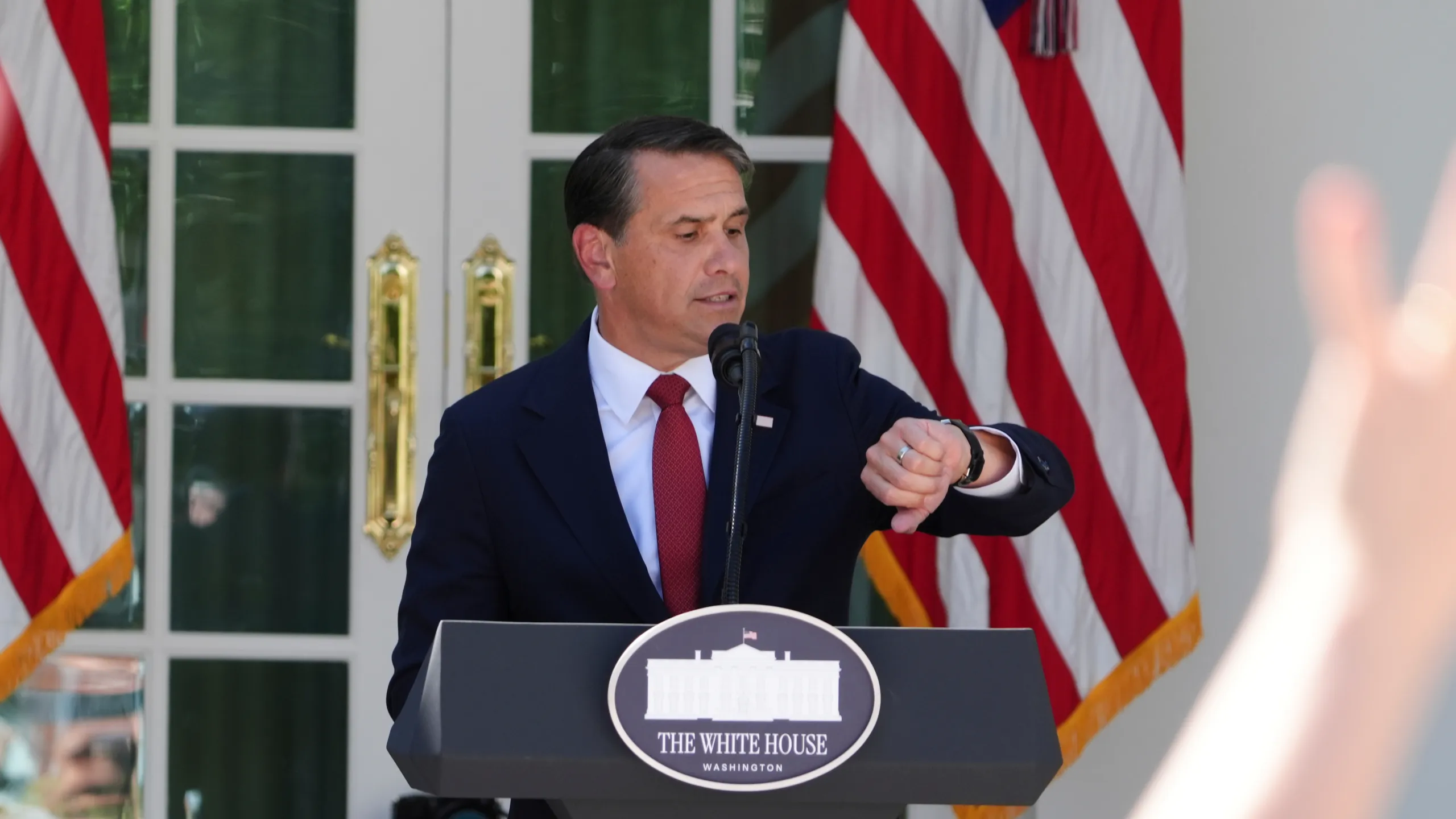
The cases were announced by Ryan Raybould, the US attorney for the Northern District of Texas, following a federal investigation involving election-related conduct in the state. According to the Department of Justice, six defendants were indicted on 10 September, while a seventh was charged through a criminal complaint the following day. Federal authorities subsequently arrested several of the defendants.
Six of those charged are lawful permanent residents, commonly known as green card holders, while another defendant is described by federal prosecutors as a noncitizen who was not lawfully present in the United States.
The announcement comes amid a broader effort by the Trump administration to investigate and prosecute cases involving noncitizen participation in US elections. Federal officials have repeatedly said that only US citizens are eligible to vote in federal elections and that violations of federal election law will be prosecuted.

The latest Texas cases, however, involve a small number of individuals rather than evidence that noncitizen voting is occurring on a large scale across the state. The charges relate to specific allegations against identified defendants, and criminal accusations do not by themselves establish guilt.
Federal prosecutors said the cases involve different circumstances. Some defendants are accused of actually casting ballots in federal elections, while others face allegations involving false statements about citizenship or related conduct.
One of those charged is Helen Sayen Adams, a 67-year-old Nigerian citizen who became a lawful permanent resident in May 2024. Prosecutors allege that she falsely claimed to be a US citizen on a Texas voter-registration application and subsequently voted in the November 2024 general election in Tarrant County.
Another defendant, Joshua Nmelichukwu Akpom, is a 27-year-old Nigerian citizen who became a lawful permanent resident in 2016. His case illustrates the different legal circumstances involved in the investigation. Prosecutors allege that he registered to vote and voted in the 2018 general election but later failed to disclose that conduct on a 2026 naturalisation application. Because of the applicable five-year statute of limitations, prosecutors brought the case using the alleged false statements connected with the naturalisation process rather than prosecuting the 2018 voting conduct itself.
A third defendant, Carlos Salas Barrios, a Mexican citizen and lawful permanent resident since 2018, was charged by criminal complaint with allegedly voting in a federal election while not eligible to do so.
The federal announcement illustrates why the individual cases need to be considered separately. The legal status of a defendant, the election involved, whether a ballot was actually counted and the precise offence alleged can differ from one case to another.
US federal law prohibits noncitizens from voting in federal elections. Lawful permanent residents are not US citizens and therefore cannot vote in federal elections. The rules concerning local elections can differ by jurisdiction, however, making the distinction between federal, state and local voting important when discussing noncitizen participation.
The Texas prosecutions have emerged as the administration has made election integrity a major law-enforcement priority. The Justice Department maintains a dedicated election-integrity programme and has issued warnings to state officials concerning their responsibilities relating to unlawful voting.
The department has also pursued separate cases elsewhere in the country. In September, federal prosecutors announced charges involving noncitizens in California, Kansas and Louisiana in cases involving allegations of illegal voting, fraudulent voter registration and identity-related offences.
Earlier this year, federal prosecutors in Texas also secured a guilty plea from a lawful resident accused of illegally voting in US elections. In that case, Ada Ngozi Otuka, a British citizen and lawful resident, admitted voting in the 2020 federal election and falsely claiming US citizenship when registering to vote. Prosecutors said she had also voted in earlier elections.
The existence of individual prosecutions does not establish the scale of noncitizen voting nationwide. Election-law experts and policy researchers have continued to distinguish isolated violations from claims of widespread illegal voting.
The Bipartisan Policy Center, in an analysis updated in July 2026, noted that noncitizen voting has received increased political attention but that the legal and administrative circumstances differ across federal, state and local elections.
That distinction has become particularly relevant as the administration expands investigations before the midterm elections. The Department of Justice’s election-integrity efforts have included scrutiny of voter eligibility and warnings concerning illegal voting, while officials have continued to emphasise enforcement of existing federal law.
The Texas cases also demonstrate the range of consequences that can arise from inaccurate information on voter-registration or immigration documents. A person accused of voting unlawfully can face criminal proceedings, while false statements made during immigration or naturalisation procedures can create separate legal exposure.
For lawful permanent residents, the rules surrounding voting can be especially important because possessing a green card does not confer US citizenship. Permanent residents can live and work in the United States under their immigration status, but federal voting eligibility remains restricted to citizens.
At the same time, the circumstances surrounding each allegation must be established through the legal process. An indictment is an accusation rather than a conviction, and defendants are presumed innocent unless proven guilty in court.
The federal announcement has nevertheless been presented by the administration as part of a wider campaign to enforce voting restrictions applicable to noncitizens. US Attorney Ryan Raybould said federal elections are reserved for American citizens and described the prosecution of unlawful voting and false citizenship claims as an election-integrity priority.
The political context surrounding the cases is significant. President Donald Trump has repeatedly raised concerns about noncitizen voting, and his administration has made the issue part of its broader election-policy agenda. The latest prosecutions therefore arrive at a time when voting eligibility, voter identification and election administration remain highly contested issues in American politics.
Those political debates, however, are separate from the factual question of whether individual defendants committed the offences alleged against them. The courts will determine the outcome of the criminal cases based on the evidence presented.
The scale of the Texas cases also requires context. The 2024 presidential election involved millions of votes in Texas, meaning that a handful of prosecutions cannot by themselves demonstrate that noncitizen voting materially affected the statewide result. The charges concern specific alleged violations and should not be treated as evidence of a broader pattern without additional supporting evidence.
The cases could nonetheless have consequences for the individuals involved, particularly those who are lawful permanent residents and may have immigration or naturalisation matters pending or in the future. A criminal case involving voting or a false citizenship claim can create issues separate from the immediate election-related allegations.
Federal officials are also likely to continue investigating voter eligibility as the next national elections approach. The Department of Justice has signalled that election-related prosecutions will remain an enforcement priority, including cases involving unlawful voting and fraudulent claims of citizenship.
For election administrators, the challenge is to identify genuinely ineligible voters while ensuring that eligible citizens are not incorrectly removed from voter rolls or prevented from participating. That balance is central to the continuing debate over election administration in the United States.
The Texas prosecutions therefore sit at the intersection of criminal law, immigration status and election administration. The government has authority to prosecute violations of federal voting law, while defendants retain the right to contest the allegations in court.

The latest announcement involved seven noncitizens, six of them lawful permanent residents, according to federal prosecutors. Some are accused of casting ballots in federal elections, while others face charges connected to allegedly false citizenship claims.
What happens next will depend on the individual court proceedings. The cases may provide further information about the evidence gathered by federal investigators and the circumstances under which the defendants registered or voted.
For now, the prosecutions demonstrate that the federal government is actively pursuing cases involving alleged noncitizen voting in Texas. They also highlight the importance of separating individual criminal allegations from broader claims about the prevalence or impact of noncitizen voting in American elections.
As the 2026 election cycle progresses, voting eligibility is likely to remain a prominent national issue. The Texas cases will be closely watched as prosecutors pursue the charges and courts determine whether the allegations are supported by evidence.
Related News:
 US Charges Sinaloa Governor in Major Cartel Case
 Immigration Judges Fear Pressure in Trump Era
 Armed Suspect Attacks Ohio Governor Candidate
 Patriot Platform Raises Concern Across Britain
 Piddington Votes for Symbolic Independence Over Asylum Plan
 Undercover officer deceived women with ‘grotesque and cruel’ lies, spycops inquiry told
 Melania Trump Epstein remarks spark survivor backlash
 Swalwell Faces Pressure to Quit Governor Race
 Harmeet Dhillon Faces Scrutiny in DOJ Role Debate
 US Labor Department in turmoil after secretary resigns
 Trump DOJ Targets James Comey Again
 Judge Blocks Trump Bid for Arizona Voter Data
 US Court Weighs Fate of TPS for Migrants
 Police Suspect Help in Missing Alice Springs Girl Case
 FBI Links Brown University Shooting to Long-Term Grievances
 Cartel crackdown raises fears of fresh violence
 US states redraw maps after voting rights ruling
 US ‘Narco Boat’ Strikes Draw Global Outcry
 Florida Surgeon ‘Devastated’ Over Fatal Surgery Error
 Barrister Criticises Trial After Suicide Case Verdict
 US judge dismisses Kilmar Abrego Garcia indictment
 Trump’s Revenge Drive Deepens GOP Divide
 Gunman Killed After White House Security Shootout
 Murder Probe Continues After Arrest Release
 Trump Orders Signs Criticising Smithsonian Museum
 Westminster Council Threatens Charing Cross Soup Kitchen
 BBC Warned About Missing Clothes of Murder Victim
 Is America Ready for an AOC Presidential Run?
 Cambridge Professor Jason Arday Found Dead at Home
 Judge Allows Pentagon Firings at Stars and Stripes
 Ministers Condemn Far-Right Unrest in Portsmouth
 Councils spend £125m on illegal children’s care
 New Mexico Takes Facebook to Trial Over Data Scandal
 Reform UK Receives Record £36m Donation From Crypto Billionaire
 Man Arrested in Mississippi Woman’s Death
 Israel Accused of Undermining Palestinian Life
 Election Candidate Abuse Raises Alarm in England
 UK Urged to Probe US Diplomat Case
 Fugitive Developer Rants at NSW Corruption Inquiry
 Lisa Nandy Calls for Tougher Action on Social Media Doxxing
 Seven Women’s Deaths Renew South Africa Femicide Anger
 NBC Helicopter Crash in Los Angeles Kills Three
 Sahel Islamist Violence Set for Record Levels in 2026
 Tasers Introduced in UK Prisons to Combat Rising Violence and Protect Staff
 Police Advised to Disclose Ethnicity of Suspects in High-Profile Cases
 Jailed Georgian Opposition Leaders Warn UK of Iranian Links to Ruling Party
 Boris Johnson Breached Rules on Post-Office Business Contacts
 French Taxi Driver Cleared in David Lammy Theft Case After Fare Dispute
 South African Detained After Neo-Nazi Rally in Australia
 US National Guard Member Killed in DC Shooting
 Trump officials continue false claims after Alex Pretti shooting
 Partial US Government Shutdown Hits Homeland Security Funding
 Thousands Protest ICE Operations in Nationwide US Day of Action
 The Moral Crisis Looming Within the American Chain of Command
 Ben Roberts-Smith Denies War Crime Allegations in First Statement
 NHS Safety Fears as Nurses Cover Doctor Gaps
 Trump at Press Dinner Sparks Tension
 Two Children Die in Wolverhampton House Fire Tragedy
 Judge halts deportation of Yemeni refugees in US
 White House Security Case Sparks Political Firestorm
 Trump warns Iran as Middle East tensions surge again
 US green card applicants must apply from abroad, DHS says
 Tulsi Gabbard exits after turbulent intelligence tenure
 Former ICC prosecutor condemns US sanctions
 DeSantis’s ‘Alligator Alcatraz’ Faces Final Shutdown
 Prosecutor Proposes Law to Combat Election Deceit
 Trump’s Mount Rushmore Speech: A Divisive Anniversary
 New Footage Revives Peter Falconio Mystery
 Le Pen’s Popularity Holds Despite Conviction
 Trump Refuses to Sign Housing Bill, But Law Takes Effect
 Israeli Strike in Southern Lebanon Kills Seven
 Ghent Professors Questioned Cofnas Appointment
 RAF Barnham Protests Fuel Tensions in Norfolk Town
 Ukraine Villagers Demand Answers After Deadly Arms Depot Strike
 Internal Exclusions Surge in England’s Schools
 Survivor Sues Musk’s xAI Over AI Abuse Images
 Trump Calls Iran War ‘Small Potatoes’ Despite US Deaths
 Masked Protesters Bring Dover Port Traffic to Standstill
 Trump gives $45,000 holiday gifts to White House aides
 Trump’s Washington Projects Face Architectural Criticism