Published: 22 September 2026. The English Chronicle Desk. The English Chronicle Online.
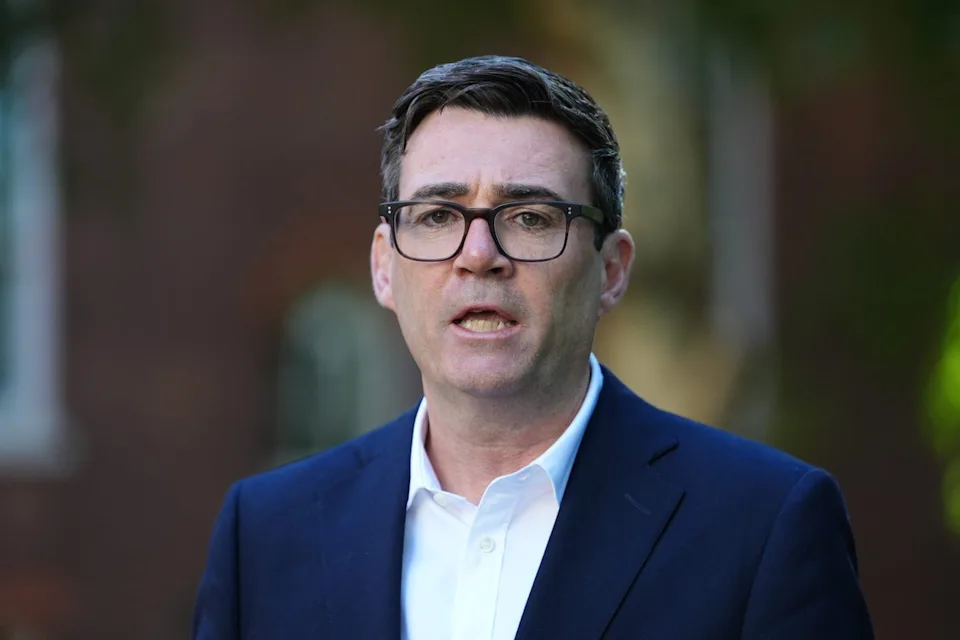
Prime Minister Andy Burnham has declined to rule out the possibility that reversing Brexit could feature in Labour’s manifesto at the next general election, while making clear that his immediate focus remains on strengthening the United Kingdom’s relationship with the European Union.
Burnham made the comments as he travelled to New York for the United Nations General Assembly, where he was due to meet European Commission President Ursula von der Leyen for the first time since becoming prime minister. The meeting comes as the government attempts to deepen cooperation with the EU and resolve disagreements that have complicated the post-Brexit relationship.
Asked whether he could rule out a future Labour manifesto commitment to reverse Brexit, Burnham did not give a direct rejection. Instead, he said the government’s immediate priority was to work towards a UK-EU summit later in the year and pursue practical agreements that could strengthen economic ties.
“Our focus at the moment is on a UK/EU summit which we hope will take place later this year,” Burnham said. He described rebuilding relations with European partners as an important continuation of work undertaken by his predecessor, Keir Starmer.

The prime minister said the government now wanted to move beyond rebuilding diplomatic relationships and towards agreements that could produce practical economic benefits. He identified trade and economic cooperation as central issues for the proposed summit, alongside EU discussions about youth mobility.
His comments leave the longer-term question of Britain’s relationship with the EU open, while maintaining the government’s current position of seeking closer cooperation without formally pursuing membership of the bloc.
The issue is politically significant for Labour because the party contains MPs and supporters who opposed Brexit and have argued that closer integration with Europe could provide economic advantages. At the same time, the political consequences of any move towards reversing Brexit remain significant, particularly because the referendum result in 2016 led to the UK’s departure from the EU and remains an important part of the country’s recent political history.
Burnham has previously indicated that he would maintain the existing government’s negotiating boundaries before the next election. His latest remarks suggest that, for now, the government intends to concentrate on practical changes to the relationship rather than reopening the fundamental question of EU membership.
The prime minister’s own political background also adds context to the debate. His parliamentary constituency of Makerfield voted to leave the EU in the 2016 referendum, illustrating the different views that exist within Labour’s electoral base on Britain’s relationship with Europe.
The UK-EU reset is facing several unresolved issues. One of the most immediate concerns involves proposed European legislation designed to encourage the use of products manufactured within Europe and reduce dependence on China. Burnham said he had concerns that the measures could create difficulties for British companies and disrupt supply chains involving the UK and Ireland.
He said he intended to raise those concerns with von der Leyen in a constructive manner. Burnham argued that Britain and several European countries face similar economic consequences from the legislation, particularly in sectors such as steel.
The prime minister said the UK had significant support among EU member states for its position and suggested that the disagreement should not undermine areas where Britain and Europe have shared interests.
“We are making the argument we are not your enemies here,” Burnham said, stressing that the European measures were designed to address a different problem and should not inadvertently create new difficulties for British businesses.
He also warned that closely connected supply chains between the UK and Ireland could become affected if disagreements over the legislation were not resolved. His position is that Britain and the EU should seek a trusted-partner arrangement that protects existing economic relationships while allowing Europe to pursue its wider industrial objectives.
The dispute illustrates the broader difficulty involved in the government’s attempt to improve relations with Brussels. While both sides have expressed an interest in closer cooperation, individual regulatory and trade issues can create obstacles to wider agreements.
The proposed UK-EU summit is therefore expected to address several practical matters rather than simply the question of Britain’s future membership of the bloc. Youth mobility is among the issues being discussed, while economic cooperation and the impact of European industrial legislation are also likely to feature in negotiations.
For Burnham, the immediate economic argument is central. He has said that practical agreements with European partners could help strengthen the British economy, while the government continues to operate within the framework established after Brexit.
His decision not to rule out a future manifesto commitment on Brexit reversal nevertheless gives the issue renewed political attention. A manifesto commitment to seek EU membership would represent a much more fundamental change than the current programme of improving cooperation, although Burnham did not say that such a policy had been adopted or was under active preparation.
Instead, he suggested that questions about the UK’s eventual relationship with the EU belonged to a later stage of the political debate. His immediate emphasis was on rebuilding practical links and addressing problems affecting trade and industry.
The prime minister is also expected to use his UN General Assembly speech to reflect on the decade since the Brexit referendum. In remarks before the speech, he said the UK should examine the experience of the past ten years and consider the risks posed by external attempts to influence democratic processes.
Burnham said political turbulence had demonstrated the need for greater awareness of attempts by outside actors to manipulate information and public opinion. He argued that Britain should become more prepared to identify and challenge efforts to influence its democratic debate in ways that serve external interests.
His remarks place the Brexit experience within a broader discussion about democratic resilience and the changing nature of political communication. The prime minister is expected to argue that lessons from the past decade should inform how Britain responds to future challenges.

The debate over Brexit is likely to remain part of British politics even as the government concentrates on practical cooperation with the EU. Businesses continue to have an interest in reducing unnecessary barriers to trade, while political parties face different views among voters over the appropriate long-term relationship with Europe.
For the government, the immediate task is therefore to make progress on specific areas of cooperation without reopening all the questions surrounding Britain’s departure from the EU. The meeting between Burnham and von der Leyen provides an opportunity to discuss those practical issues directly.
Whether the longer-term question of EU membership eventually becomes part of Labour’s electoral programme remains unresolved. Burnham’s refusal to rule it out keeps the possibility open, but his current position is focused on strengthening the relationship that exists between Britain and the EU rather than announcing a return to membership.
As preparations continue for a potential UK-EU summit, the government will face the challenge of translating its diplomatic reset into agreements that can affect trade, industry, mobility and supply chains. The outcome of those discussions could help shape the wider debate over Britain’s relationship with Europe in the years ahead.
Related News:
 UK Pushes for New EU Goods Trade Deal
 Reeves Fights to Keep Treasury Role Amid Labour Turmoil
 UK Wage Growth Slows as Jobs Market Holds Firm
 UK Doubles Steel Tariffs to 50% to Protect Domestic Plants
 BBC News Faces Deep Cuts in 2,000 Job Plan
 Labour MPs Urge Burnham to Revive UK Aid Target
 Europe Faces Winter Gas Supply Anxiety
 Burnham Faces Mounting Budget Challenges
 Trump Hardens Canada Trade Stance as Talks Stall
 Green Leader Targets Starmer’s Former Seat
 Swedish Mining Push Puts Sami Land Rights Under Pressure
 Argentina to file criminal charges over Falklands oil drilling
 UK plans tougher Israel stance with settlement trade ban
 Oil nears $100 as Saudi attacks shake markets
 Trump Threatens EU With Tariffs Over Canada Proposal
 Trump Threatens EU Over Canada Partnership Proposal
 Trump Eyes Major Belarus Fertiliser Deal Amid Canada Trade Dispute
 British Woman in Iran ‘Losing Hope’ Amid Ongoing Detention
 BBC Journalist Held and Interrogated in Vietnam
 Trump’s UK Ambassador Urges North Sea Drilling to Strengthen US Ties
 Millionaires group urge Reeves to introduce wealth tax to ‘lift kids out of poverty’
 Canada Passes Carney’s First Budget in Tight Parliamentary Vote
 Rama Rebukes Mahmood for Targeting Albanian Families
 PM Highlights UK Business at G20 in South Africa
 India’s Labour Law Overhaul Sparks Fierce Debate
 Starmer Says Labour’s Economic Plan Needs Years to Deliver
 UK Government Borrowing Drops to £11.6bn in December
 Starmer Condemns ‘Depraved’ Russian Strikes on Ukraine
 UK shelves £110m border project amid trade strain
 Trump Tariffs Threat Spark UK and EU Alarm
 Reeves Must Back Defence Plan or Face Dismissal, Says Unite Chief
 OBR Reform Row Deepens Before Spring Forecast
 Gordon Brown urges court for crimes against children
 UK Minister Denies Iran Missile Threat to Britain
 Trump to Deploy “God Squad” Over Gulf Wildlife Protections
 Army Probes Apache Flyover at Kid Rock’s Nashville Estate
 Relationship with Trump may be beyond repair, Starmer warned
 Unions Raise Concerns Over Doctors’ Pay Dispute
 Trump Slams UK Ties and Threatens To Rewrite Trade Deal
 UK Stands Firm on Falklands Amid US Rift
 Southeast Asia Turns to Russia Amid Energy Crisis
 Capitalism ‘Suicidal’, Warns Petro at Climate Summit
 Oil Prices Surge Above $120 Amid Iran Blockade Fears
 Silent Tracks: Rail Line Without Passengers
 Trump approval plunges amid Iran war fears
 Ohio’s Battle for Trust: Democrats Vying to Flip the Buckeye State
 US Awaits Iran Reply on New Ceasefire Proposal
 Kevin Warsh sworn in as Fed chair amid economic backlash
 Hormuz Talks Near Critical Stage
 Albanese Defends Tax Reforms Amid Emotional Speech
 UK Urged to Build EU Rejoin Consensus, Says Miliband
 Discontent grows around Putin amid war strain
 Farage and Reform UK Reshape British Politics
 Starmer Leadership Under Pressure After Setbacks
 Andy Burnham Enlists Economic Heavyweights for Leadership Bid
 New South Wales Premier Chris Minns Signals Tough Road Ahead for Labor
 Ukraine Creates Long-Range Strike Command
 Burnham unveils £65m drought aid for farmers
 Canada to Match Trump’s 50% Tariffs Dollar for Dollar
 Unions Warn Labour Over Zero-Hours Contract Reforms
 Former Diplomats Urge UK and France to Act on Palestine
 Bayeux Tapestry Revives Franco-British Ties
 Trump Calls Iran War ‘Small Potatoes’ Despite US Deaths
 Reform Faces Fresh Financial Controversy
 Europe’s democracies face a growing far-right threat
 Iceland to Open First UK High Street Store in Falklands
 John Lewis Losses Widen to £124m as Confidence Falls
 Saudi Arabia Shuts Oil Pipeline After Drone Attack
 North Sea Firms Urge Early End to Windfall Tax
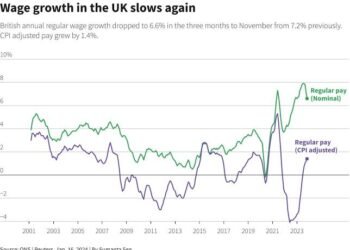 UK Pay Growth Slows to 3.9% as Rate Decision Nears
 Bank Urged to Slow Bond Sales as UK Costs Rise
 Mayors Could Gain Greater Powers Over Water Firms
 US Sanctions Open New Battle for Cuba Assets
 Tom Watson Takes Senior Role at Palantir
 UK Retail Sales Rebound as Consumers Spend More
 UK Rent Gap Puts Low-Income Families Under Pressure
 Lib Dems Prepare for Election Amid Reform Challenge
 Reform UK Faces Internal Debate Over £72m Spending
 Calls Grow to Expand UK National Wealth Fund
 Labour Apprenticeship Scheme Faces Slow Start