Published: 25 September 2026. The English Chronicle Desk. The English Chronicle Online
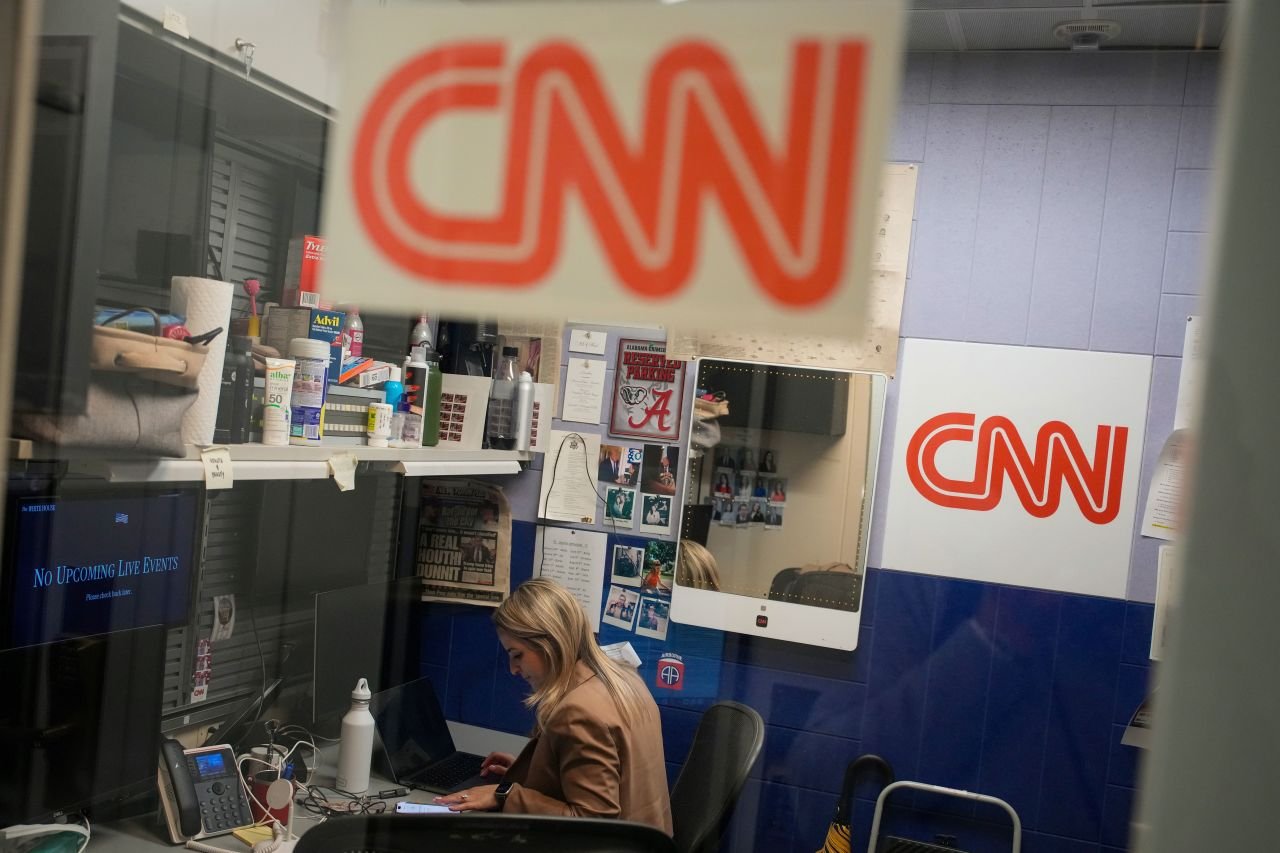
Journalists from CNN and MS NOW were prevented from covering Chinese President Xi Jinping’s arrival at the White House for a state dinner on Thursday, despite a federal judge ordering the Trump administration to restore access to the three news organisations it had recently banned.
The dispute unfolded during one of the most closely watched diplomatic events of the week, as Xi arrived in Washington for a state visit and was due to attend a formal dinner hosted by President Donald Trump. The incident added another chapter to an increasingly significant legal and political confrontation over press access to the White House.
Earlier on Thursday, journalists from CNN, MS NOW and Politico were allowed back into the White House complex after being excluded for several days. Their return followed an overnight order from US District Judge Timothy Kelly, who directed the administration to restore their press credentials for 14 days while the broader legal dispute continues.
However, the restored access did not extend fully to coverage of Xi’s arrival that evening.
CNN said the White House initially indicated that the network could cover the event with a photojournalist and an audio technician but would not allow its reporter and producer to attend. CNN had requested access for a conventional editorial team that included journalists responsible for reporting and producing the coverage.

MS NOW also reported that its White House correspondent Laura Barrón-López was denied entry to cover Xi’s arrival despite having applied for credentials.
The restrictions meant that the two networks could not provide the kind of direct reporting from the White House that would normally accompany the arrival of a visiting Chinese president for a formal state dinner.
The dispute also affected television coverage more broadly. CNN is part of the established broadcast pool responsible for producing shared video from major presidential events. Following the administration’s earlier decision to exclude CNN, the other major networks did not provide the usual pooled live television coverage of Xi’s arrival, leaving the White House to stream the event itself.
The confrontation followed a week of escalating tensions between the Trump administration and three major news organisations: CNN, MS NOW and Politico.
President Trump had announced that the outlets would be barred from the White House after accusing them of what he described as repeated “fake news” coverage. The three organisations challenged the decision in federal court, arguing that the government had unlawfully restricted journalists because of their reporting.
The administration has disputed that characterization and has argued that the White House has authority to impose conditions on media access, particularly when national security and the handling of sensitive information are involved.
Justice Department lawyers representing the administration told the court that the restrictions were connected to concerns over reports that relied on non-public information. The government also pointed to allegations that the organisations had published sensitive or classified material and had failed to meet standards expected of journalists receiving access to the White House complex.
Judge Kelly, however, found that the organisations were likely to succeed in arguing that their press credentials had been revoked without constitutionally adequate due process.
His ruling focused in particular on the absence of clear advance notice and an opportunity for the affected organisations to challenge the decision before their access was withdrawn.
The judge said government officials must establish rules or standards governing conduct that could result in the revocation of press credentials. Journalists, he indicated, must also receive sufficient notice about the conduct that could lead to punishment and the potential consequences.
The ruling temporarily required the administration to return or reactivate the journalists’ White House access for a period of 14 days. A further hearing on whether the restrictions should remain blocked is expected during that period.
The case has therefore moved beyond a disagreement between the White House and individual news organisations and into a broader legal dispute over the conditions under which journalists can obtain and retain access to the executive branch.
The events of Thursday morning also demonstrated the practical difficulties created by the court order.
Although the White House said its press operations team had begun restoring access shortly after receiving notice of the ruling, journalists from the affected organisations said they were initially turned away when they attempted to enter the complex.
Representatives for the media organisations returned to court and argued that the administration was not complying with the judge’s order. They said some journalists had their press badges confiscated even after the court had directed that access be restored.
The White House later said the badges had been reactivated and that previously confiscated credentials had been returned.
By later in the day, journalists from CNN, MS NOW and Politico were again inside the White House grounds. But the continuing dispute over coverage of Xi’s arrival showed that the restoration of physical access had not resolved all of the disagreements between the administration and the news organisations.
The White House’s decision to limit CNN’s team for the state dinner was particularly significant because of the distinction between technical and editorial access. Allowing a photographer and audio technician while excluding a reporter and producer would have permitted some material to be gathered but prevented CNN from operating its normal reporting team at the event.
The network said it wanted journalists who could independently report on the proceedings rather than simply record the event.
MS NOW faced a similar restriction when its correspondent was prevented from covering Xi’s arrival.
The situation was especially visible because Xi’s visit was a major diplomatic occasion. The Chinese president’s meeting with Trump was intended to demonstrate the importance of US-China relations at a time when the two countries continue to manage disagreements involving trade, technology, security and other strategic issues.
The White House broadcast Xi’s arrival through its own online channels, meaning members of the public could watch the ceremony directly. But the absence of the traditional network pool created an unusual situation for a presidential event involving a foreign leader.
The dispute has also raised questions about the role of the White House press pool. Such arrangements are designed to ensure that journalists can collectively provide coverage when physical space or security restrictions prevent every organisation from sending its own team.
The White House has increasingly sought to exercise greater control over which journalists receive access to presidential events, while media organisations have argued that government officials should not determine access according to the tone or content of their reporting.
The legal case is now likely to determine how much discretion the administration has when deciding whether a news organisation can retain its White House credentials.
The Justice Department has argued that access to the White House is subject to government rules and is not an unlimited entitlement. Lawyers for CNN, MS NOW and Politico have challenged that position, maintaining that the government cannot remove journalists from access because it disagrees with their reporting.
The judge’s temporary ruling does not resolve the underlying dispute. Instead, it preserves access while the court examines the legal arguments more fully.
The administration has also indicated that it intends to continue contesting the case. Trump previously said he expected the White House to appeal if the court issued an adverse decision.
The controversy has attracted wider attention because it concerns the relationship between the executive branch and the press rather than a single disputed article.
For journalists, access to the White House provides an opportunity to question officials directly, observe presidential meetings and report from the location where major government decisions are announced. For the administration, controlling access can be presented as part of managing security, logistics and standards for journalists operating inside a highly restricted government facility.
The central legal question is whether those considerations allow officials to remove established press access without sufficiently clear standards and procedural safeguards.
Judge Kelly’s ruling indicates that, at least at the preliminary stage, the court believes the affected organisations have a substantial argument that the administration did not follow adequate procedures when their credentials were revoked.
The administration’s national security argument will remain an important part of the case. Government lawyers have maintained that journalists who receive privileged access must comply with rules concerning sensitive information and professional conduct.
The news organisations have disputed the government’s justification and have argued that the restrictions are connected to disagreements over their reporting.

As the legal process continues, the 14-day restoration period gives the court an opportunity to consider whether longer-term protections should be imposed.
Thursday’s events also demonstrated how quickly a court dispute over press credentials can affect the public’s access to presidential events. While the White House could provide its own footage of Xi’s arrival, the absence of the normal broadcast pool changed how the event was presented to television audiences.
The confrontation is therefore likely to remain a significant test of the boundaries between presidential control over the White House complex, national security considerations and the ability of independent news organisations to report from the seat of the US government.
For now, CNN, MS NOW and Politico have regained access under the federal court’s temporary order. But their ability to cover major presidential events without further restrictions remains a matter of dispute, with the next stages of the legal proceedings expected to determine whether the administration’s broader restrictions can remain in place.
Related News:
 US National Guard Member Killed in DC Shooting
 Trump to pause migration from ‘third-world countries’
 Franklin Turtle, Sabrina Carpenter Slam US Social Media Use
 Trump officials continue false claims after Alex Pretti shooting
 Partial US Government Shutdown Hits Homeland Security Funding
 Thousands Protest ICE Operations in Nationwide US Day of Action
 Swalwell Faces Pressure to Quit Governor Race
 Harmeet Dhillon Faces Scrutiny in DOJ Role Debate
 Trump at Press Dinner Sparks Tension
 Judge Blocks Trump Bid for Arizona Voter Data
 US Court Weighs Fate of TPS for Migrants
 Florida Redistricting Map Sparks Major US Political Battle
 US Voting Rights Ruling Sparks Celebration and Outcry
 US Court Ruling Reshapes Voting Rights Landscape
 US states redraw maps after voting rights ruling
 Judge halts deportation of Yemeni refugees in US
 White House Security Case Sparks Political Firestorm
 Trump warns Iran as Middle East tensions surge again
 US Supreme Court fast-tracks Voting Rights ruling
 US Court Restores Abortion Pill Access Temporarily
 Immigration Judges Fear Pressure in Trump Era
 FDA Chaos Deepens as Trump Eyes Makary Exit
 US judge dismisses Kilmar Abrego Garcia indictment
 US green card applicants must apply from abroad, DHS says
 Tulsi Gabbard exits after turbulent intelligence tenure
 Trump’s Revenge Drive Deepens GOP Divide
 Former ICC prosecutor condemns US sanctions
 Gunman Killed After White House Security Shootout
 Prosecutor Proposes Law to Combat Election Deceit
 Trump Weighs Retreat from Controversial $1.8bn Slush Fund
 Mystery Grows Over Mitch McConnell’s Health
 Trump Refuses to Sign Housing Bill, But Law Takes Effect
 Trump Jokes, Jabs and Press Tensions at WHCA Dinner
 Trump Orders Signs Criticising Smithsonian Museum
 Judge Allows Pentagon Firings at Stars and Stripes
 Armed Suspect Attacks Ohio Governor Candidate
 Trump gives $45,000 holiday gifts to White House aides
 New Mexico Takes Facebook to Trial Over Data Scandal
 UK Urged to Probe US Diplomat Case
 Texas Transfers Raise Fears for Migrant Children
 Memphis Questions National Guard Crime Surge
 Trump Media Ban Triggers First Amendment Clash
 ICE Shooting in Austin Sparks Calls for Transparency
 US Deportation Deals Send Migrants to Unfamiliar Countries
 US Networks Suspend Trump White House Pool Coverage
 Trump and Mamdani Hold Cordial Gracie Mansion Meeting
 Democrat Says ICE Restricted Detention Camp Oversight
 French Taxi Driver Cleared in David Lammy Theft Case After Fare Dispute
 Major Rent Reform Ends No-Fault Evictions in England
 Peers Flood Assisted Dying Bill with 942 Amendments
 Trump Deploys DHS to Charlotte in Major Arrest Operation
 ICC to Rule on Duterte’s Provisional Release
 Australia grants Asio powers to designate hate groups under new laws
 Trump press secretary attacks reporter over ICE question
 Kyrsten Sinema Faces High-Profile Lawsuit Over Marriage Interference
 Trump Fed bid heads to Supreme Court
 Sinema payment row deepens after $9,000 transfer claim
 Nurses’ families fear breakup under UK immigration crackdown
 California Democrats Vow Trump Reckoning
 Trump’s Surgeon General Pick Evades Vaccine Questions
 Adelaide University Faces Backlash Over Event Cancellation
 Proposed Law Leaves Gap for Children of Convicted Paedophiles
 Report Says Pezzullo Acted ‘Recklessly’ in Dealings
 Suspected Plot Targets Pipeline Before Hungary Vote
 Trump Signals Hope for New Iran Talks as Ceasefire Fades
 UK Stands Firm on Falklands Amid US Rift
 Investigation Into Anti-Trump Motives After Gala Shooting
 Trump Defiant After Washington Hotel Shooting
 Trump orders US troop pullout from Germany
 Trump approval plunges amid Iran war fears
 US ‘Narco Boat’ Strikes Draw Global Outcry
 Kevin Warsh sworn in as Fed chair amid economic backlash
 AOC Backs El-Sayed in Tight Michigan Senate Primary
 US Courts Back Trump on Park Signage Removals
 Trump’s Mount Rushmore Speech: A Divisive Anniversary
 Houthis Strike Saudi Arabia as Middle East Tensions Rise
 Unions Warn Labour Over Zero-Hours Contract Reforms
 Trump Calls Iran War ‘Small Potatoes’ Despite US Deaths
 Mahmood Warns Far Right Over Asylum Protests
 Xi urges Trump to avoid US-China military conflict