Published: 22 June 2026. The English Chronicle Desk. The English Chronicle Online.
High-ranking officials from Washington and Tehran completed their initial day of talks in Switzerland. The diplomatic session yielded notable signs of progress despite an exceptionally tense start to proceedings. Global observers watched the quiet European venue closely as sensitive negotiations extended into early morning. The strategic discussions aimed to defuse mounting geopolitical friction across the volatile Middle East region. Both sides demonstrated a shared willingness to converse despite immense political pressure at home.
The Iranian foreign minister openly declared that significant progress occurred during these opening sessions. Abbas Araghchi expressed cautious optimism regarding the foundational framework established by the diplomatic teams. His remarks followed hours of intensive debate that concluded well past midnight in Geneva. The primary objective remains securing long-term stability and preventing further escalation of regional warfare. Diplomats from both nations worked diligently to find common ground on several contentious issues.
International mediators from Qatar and Pakistan played a critical role in facilitating these discussions. They released a comprehensive joint statement outlining a clear roadmap toward a final agreement. This collaborative framework establishes a strict timeline spanning sixty days for conclusive policy decisions. Technical experts will continue lower-level negotiations throughout the remainder of this historic week. Their specialized focus will centre heavily on resolving practical implementation challenges on the ground.
The ongoing conflict in Lebanon involving Israel and Iran-backed Hezbollah dominates the immediate diplomatic agenda. Brokers emphasized that ending hostilities in the region is essential for any broader agreement. The joint statement confirmed the creation of a specialized de-confliction cell for Lebanon. This operational body intends to monitor military movements and ensure strict adherence to ceasefires. Stabilizing the northern Israeli border represents a vital prerequisite for enduring Middle Eastern peace.
Furthermore the participating delegations agreed to establish a direct communication line regarding maritime safety. This emergency link focuses specifically on managing shipping traffic within the strategic Strait of Hormuz. Preventing accidental naval confrontations remains an urgent priority for global energy markets and security. The vital waterway has frequently served as a dangerous flashpoint for international military tensions. Clear communication channels should reduce the immediate risk of miscalculation by either naval force.
The Swiss negotiations faced an immediate crisis due to provocative rhetoric on social media. United States President Donald Trump issued strong public warnings that nearly derailed the process. He threatened severe military retaliation if Iranian forces attempted to close vital shipping lanes. His characteristically aggressive language caused immediate outrage among members of the Iranian diplomatic team. Tehran briefly paused the proceedings to consult with Qatari intermediaries regarding the American stance.
Iranian state media reported that the official delegation initially refused to enter the room. They cited the insulting nature of the presidential social media posts as their reason. Despite this public walkout indirect communication continued smoothly through the helpful Pakistani and Qatari diplomats. A senior American diplomat later confirmed that the formal negotiations never fully collapsed. The brief disruption highlighted the fragile nature of direct diplomacy under heavy public scrutiny.
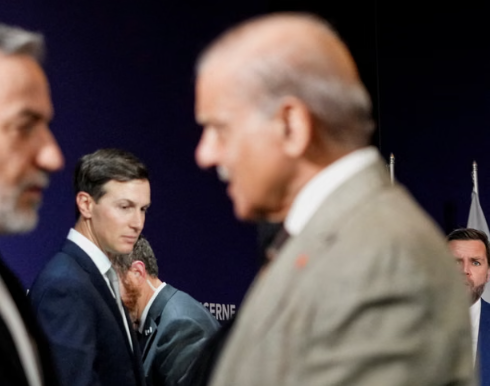
Vice-President JD Vance confidently led the American negotiating team during these high-stakes encounters. He was accompanied by special envoy Steve Witkoff and presidential advisor Jared Kushner. Their presence signaled the high level of importance Washington places on these security talks. Vance indicated his plan to remain in Switzerland for only a few days. He publicly questioned whether both nations could successfully turn over a fresh diplomatic leaf.
The Iranian side featured prominent political figures including parliamentary speaker Mohammad Bagher Ghalibaf. Araghchi worked closely alongside him to present a unified front for the Islamic Republic. Their participation reflected a coordinated approach between Iran’s legislative and executive branches of government. Both representatives faced the difficult task of balancing domestic expectations with international compromise. They maintained a firm stance on national sovereignty while exploring potential avenues for relief.
The comprehensive sixty-day framework will also address Iran’s controversial nuclear development program. American negotiators intend to seek verifiable limits on Tehran’s current stockpile of enriched uranium. The underlying memorandum of understanding requires Iran to dilute its highly enriched material significantly. However the fundamental right to enrich uranium for peaceful purposes remains a major disagreement. Resolving this complex technical issue will require extensive verification measures by international inspectors.
Economic considerations form another critical pillar of the complex ongoing negotiations in Switzerland. Iranian officials stressed that economic relief must accompany any progress on regional security matters. Araghchi claimed that Tehran secured vital waivers authorizing the immediate export of crude oil. He also announced agreements regarding the gradual release of billions in frozen overseas assets. These financial resources are urgently needed to fund a domestic reconstruction and development plan.
The United States government has not yet officially confirmed these specific economic concessions. American spokespersons remained quiet regarding the exact details of oil waivers and asset releases. This silence suggests that financial measures remain tied to verifiable actions by Iranian authorities. Sanctions relief continues to serve as Washington’s primary point of leverage in these talks. Finding a balanced sequence for implementing these mutual commitments will prove exceptionally challenging.
Meanwhile the situation in Lebanon remains deeply volatile despite a recently brokered fragile ceasefire. Neither the Israeli government nor Hezbollah leadership are official signatories to this bilateral agreement. Israeli Prime Minister Benjamin Netanyahu vowed to maintain military forces along the southern border. He insisted operations would continue until all immediate threats to Israeli citizens are eliminated. Hezbollah counters that attacks will persist until Israeli troops completely withdraw from Lebanese territory.
Despite these hardline public stances the local truce in Lebanon currently appears to hold. Observers report a significant reduction in cross-border rocket fire and air strikes this week. The newly established de-confliction cell will face its first major test in maintaining peace. Success in Lebanon could provide the necessary momentum to sustain the broader Swiss negotiations. Conversely any sudden escalation of violence there threatens to destroy the entire diplomatic roadmap.
The extended ceasefire agreed in April provided the necessary space for these talks to begin. Both nations recognize the immense risks associated with returning to open military confrontation. The coming days of technical discussions will reveal the true depth of political will. Diplomats must navigate a complex web of regional alliances and historical animosities to succeed. The world watches carefully as Washington and Tehran attempt to construct a lasting peace.
The initial progress achieved in Switzerland offers a rare glimmer of hope for stability. However the path toward a comprehensive final agreement remains filled with dangerous obstacles. Unpredictable political rhetoric and ongoing regional violence could easily disrupt this delicate diplomatic process. The next sixty days will ultimately determine the future direction of Middle Eastern security. Both sides must show extraordinary patience and resolve to achieve their shared peaceful objectives.
Related News:
 Saudi Officials Report Zubaidi Flee Before Yemen Peace Talks
 UK Targets in New York Bomb Threat Hoax: Man Jailed
 Gambia Supreme Court Hears Case to Overturn FGM Ban
 Trump targets Iran trade with 25% tariff warning
 US Senate rejects resolution limiting Trump military powers
 Gulf states warn Trump Iran strikes risk wider Middle East war
 Machado Trump medal gesture reshapes Venezuela power struggle
 Geopolitical football: Iran, Trump and the World Cup clash
 Shinzo Abe’s killer receives life sentence in Japan
 China General Under Investigation Amid Leadership Purge
 Philippines ferry disaster leaves 15 dead, dozens missing
 Cambridge Faces Scrutiny Over Arms Investment Transparency
 Concerns rise for Canberra boy amid Iran detention fears
 Ukraine Sends Drone Experts to Defend US Bases in Jordan
 Abramovich Chelsea Sale Cash Faces Jersey Probe
 Yvette Cooper: UK Must Follow Principles, Not US Pressure
 Jury Rules Meta and YouTube Liable for Addictive Design
 The Woman Guarding Earth From the Threat of Asteroids
 Exiled Tycoon Warns of New Russian Attacks on UK Soil
 LA 2028: Millions of Affordable Olympic Tickets Announced
 Trump Slams Europe as Transatlantic Tensions Boil Over
 Inside the Deceptive Machine: A Former Producer Speaks Out
 Spain Faces Backlash Over Xenophobic Chants in Egypt Draw
 A Global Voice For Justice: Stephen Lewis Dies At Age 88
 Hope and Fear as Iranians Flee Across the Turkish Border
 Reform UK Pledges To Halt Visas Over Reparations Demands
 US and Iran Agree to Two-Week Provisional Ceasefire
 Starmer visits Gulf as US and Iran agree ceasefire
 Pakistan Brokers Historic Peace Deal Amid Rising Tensions
 Trump Signals Hope for New Iran Talks as Ceasefire Fades
 US and Iran Pursue Extension of Ceasefire via Pakistan
 Trump’s Islamabad Gamble: The High Stakes of a New Iran Deal
 The General’s Gambit: Pakistan’s New Role in Global Peace
 Mexico, Spain and Brazil call for Cuba dialogue amid crisis
 Pakistan’s Ambitious Bid for Middle East Peace
 Israeli Soldiers Jailed Over Vandalism of Lebanese Statue
 Trump Weighs Sending Afghan Allies to the Congo
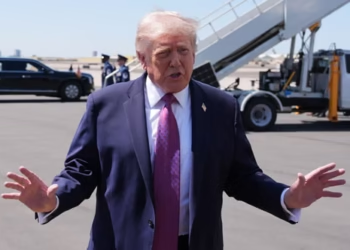 Trump Threatens UK With Big Tariff Over Tech Tax
 Prominent Voices Challenge Palestine Action Ban
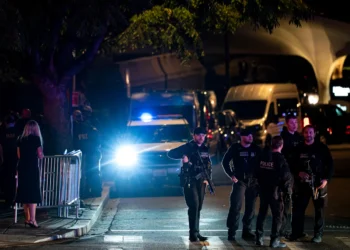 Security Scrutiny After Washington Shooting Incident
 Merz Criticises US Approach in Iran Conflict
 UK Envoy Sparks Controversy Over Special Relationship Claims
 Ukraine Urges UK to Seize Russian Oil Tankers
 US Calls Australia Media Law “Foreign Extortion”
 The Billionaire’s Secretary and the £1m Fraud
 Ukraine strikes Tuapse as oil disaster worsens
 Brewing Tension: Taiwan Baristas Rebrand for World Stage
 Mission to the World’s Edge: A Heroic Rescue in Tristan
 US and Mexico Face Heatwave as Floods Batter South Africa
 Mexico’s Missing: State Complicity in a Growing Crisis
 French Patient Told Hantavirus Was Just Anxiety
 Putin Signals War End as Russian Momentum Stalls
 Romania’s Judicial Crisis: A System Under Siege
 Lee Lai Makes History with Landmark Stella Prize Victory
 Philippine Senator Flees After Days Under Senate Siege
 Alberta Separatist Bid Blocked by Canadian Court
 Big Tobacco Under Fire Over Controversial New Ad Campaign
 Court Upholds Landmark Win for Transgender Rights
 Liberal Senator Criticises Immigration Rhetoric
 Senate Moves to Restrict Trump’s War Powers on Iran
 ICC Arrest Warrant Threat Sparks West Bank Retaliation
 Taliban Codifies Strict New Marriage and Divorce Legislation
 Tony Abbott Returns as New Liberal Party President
 Discontent grows around Putin amid war strain
 Trump Diplomacy Faces Hurdles from Tehran to Tbilisi
 Trump Faces Legal Blow Over Global Tariffs
 Washington Brokerage Sparking Hope Amid Regional Firestorms
 New York Consumer Watchdog Tackles Corporate Lawbreaking
 Global Tech Giants Face Off Against Australia Over Media Levies
 Ukraine Turning the Tide: Zelenskyy Reclaims the Initiative Against Isolated Russia
 Millions in British Charity Funds Linked to Illegal Settlements
 Firearm Fine for Missing Boy’s Grandmother
 Historic Peace Deal Reached Between United States and Iran
 A New Era of Diplomacy Sparks Confusion on the World Stage
 AI to Help Botanists Win the Critical Race Against Extinction
 Battle for Washington: Mayoral Race Braces for Trump
 Tuchel’s England Mission Goes Beyond Football Success
 Historic Victory for Canada as They Defeat Nine-Man Qatar
 Trump’s Iran Legacy Hangs on Tehran Deal
 What Burnham in Number 10 Means for the Future of Britain