Published: 08 July 2026. The English Chronicle Desk. The English Chronicle Online.
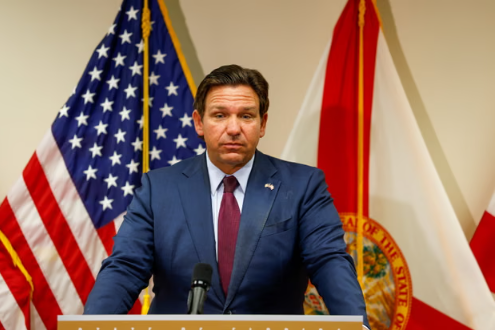
A significant federal appeals court ruling has just reshaped the landscape of higher education in Florida. Judges recently struck down key parts of the legislation commonly known as the Stop Woke Act. This law previously aimed to restrict discussions regarding race and gender within state college classrooms. The decision represents a major blow to the agenda promoted by Governor Ron DeSantis. It highlights a recurring conflict between state authority and fundamental constitutional free speech protections today.
The eleventh circuit court of appeal delivered this decision through a narrow two to one majority. Their order provides a scathing critique of how the state handled academic freedom in schools. The judges argued that the law effectively breached rights guaranteed by the first amendment protections. They described the state’s involvement in classroom discourse as an act of political puppet control. By controlling speech, the state attempted to turn educators into mere mouthpieces for agendas.
The court majority opinion was authored by judge Britt Grant, a Donald Trump appointee. Grant rejected the state’s argument that paying professor salaries equates to owning their speech. The ruling clearly stated that the government cannot ban unpopular ideas in public discourse. Classrooms must remain centers of inquiry where students can openly puzzle through complex ideas. The court emphasized that students possess the capacity to determine truth for themselves daily.
This ruling specifically removes a flagship element of the second term agenda for DeSantis. The legislation had been formally branded as the Individual Freedom Act back in 2022. Its primary goal was to stifle perceived leftwing ideology across Florida’s state run university campuses. The law previously dictated how race and gender topics could be taught in various settings. This included both academic environments and the broader public workplace across the entire state. Tuesday’s decision effectively mirrors a previous ruling made by this same appeals court. In 2024, the court blocked the workplace provision of this law on similar grounds. They ruled that the state was attempting to unconstitutionally recharacterize protected speech as conduct. By doing so, the state had hoped to bypass normal legal restrictions on banning speech. This new decision reinforces an earlier injunction against the law’s enforcement on campuses.
Legal advocacy groups have celebrated this outcome as a major victory for civil rights. These organizations had worked tirelessly to launch the initial legal challenge against the state. The lead plaintiff in the case is Professor LeRoy Pernell from Florida A&M. He expressed significant relief that the court stopped the erasure of vital academic topics. His statement highlighted the importance of discussing complex issues like racism in American society.
Pernell noted that students require tools to combat these issues without being effectively gagged. He argued that banning certain topics only serves those desiring state approved thought processes. Other prominent legal voices echoed these sentiments regarding the potential danger of state censorship. Jin Hee Lee of the Legal Defense Fund called the act an egregious overreach. She suggested the law aimed to force higher education to adopt specific political viewpoints.
Lee further noted that the law specifically targeted the perspectives of marginalized community members. It is no coincidence that Black and LGBTQ+ people faced these specific silencing efforts. The court’s decision now makes it clear that Florida cannot erase historical discrimination. Constitutional protections remain in place to safeguard the lived experiences of all individual citizens. This is a vital development for maintaining the integrity of the public education system.
Carrie McNamara, an attorney with the American Civil Liberties Union, praised the recent ruling. She emphasized that the decision ensures higher education remains guided by core free speech. The government should not act as a censor for academic research and honest classroom dialogue. Classrooms serve as essential spaces for fostering curiosity, creativity, and deeper student learning processes. When authorities stifle critical thinking, the entire quality of the education system suffers greatly.
The loss of academic freedom threatens the very essence of the university experience today. Students deserve the opportunity to engage with challenging concepts rather than state approved narratives. This legal precedent provides a robust defense against further attempts to control academic content. It asserts that intellectual freedom remains a cornerstone of the democratic process within schools. Many observers hope this ruling will stabilize the environment for faculty members moving forward.
The academic community across Florida has been waiting for this clarity for several years. Professors often feared repercussions for teaching subjects that touched upon race or gender themes. This climate of fear discouraged open debate and stifled the pursuit of academic knowledge. Now, educators can teach their courses without the looming threat of state enforced discipline. This is a welcome change for scholars dedicated to their fields of rigorous study.
It is important to note that the DeSantis administration offered no immediate public reaction. The office of the governor has remained silent regarding this significant legal defeat recently. Similarly, the Florida attorney general James Uthmeier has not provided any official public comment. This silence follows a period of intense scrutiny over the state’s approach to education. Future developments may shed more light on how the state plans to proceed eventually.
The ruling serves as a powerful reminder of the judiciary’s role in American democracy. Courts are tasked with ensuring that legislation complies with foundational rights and legal principles. By protecting the first amendment, the judges have secured a space for diverse voices. Academic freedom remains a fragile but necessary component of a healthy, functioning democratic society. The battle over curriculum and classroom discussion will likely continue in other venues soon.
For now, the focus shifts to how universities will implement these new legal protections. Administrators must ensure that policies align with this court ruling to avoid future litigation. Students and faculty are breathing a collective sigh of relief as the semester continues. The conversation regarding the future of public education will undoubtedly remain a top priority. As the legal dust settles, the core mission of higher education seems protected today. This concludes a pivotal chapter in the ongoing struggle for intellectual freedom in Florida.
Related News:
 US National Guard Member Killed in DC Shooting
 Trump to Recheck Green Cards from 19 Nations After DC Attack
 Trump Escalates Minnesota Immigration Surge Amid Rising Tensions
 Homeland security agents deployed amid Minneapolis protests
 Democrats Push Affordability to Challenge Trump Ahead of Votes
 Greenland Faces Pivotal Summit Over Arctic Power Struggle
 Government Unveils Northern Powerhouse Rail Plans
 Trump press secretary attacks reporter over ICE question
 Kyrsten Sinema Faces High-Profile Lawsuit Over Marriage Interference
 ‘He Believed Help Was Coming’: Why Iran’s Protesters Feel Betrayed
 Trump Fed bid heads to Supreme Court
 EU Says US Ties Have Suffered ‘Big Blow’ After Greenland Crisis
 Trump officials continue false claims after Alex Pretti shooting
 Fulton election raid hits Georgia election office
 Partial US Government Shutdown Hits Homeland Security Funding
 Thousands Protest ICE Operations in Nationwide US Day of Action
 Epstein Files Reveal Trump Officials’ Emails with Financier
 Thousands Protest ICE in New York Against Trump Deportation Campaign
 Sinema payment row deepens after $9,000 transfer claim
 Nurses’ families fear breakup under UK immigration crackdown
 California Democrats Vow Trump Reckoning
 Trump’s Surgeon General Pick Evades Vaccine Questions
 Clinton Testimony Erupts in Fiery Exchange
 Texas Senate seat fight heads to runoff as votes split
 Adelaide University Faces Backlash Over Event Cancellation
 Thousands Protest Iran Strikes Outside US Embassy London
 US Bombers Arrive at RAF Base Amid Rising Iran Tensions
 Pete Hegseth Iran War Remarks Spark Alarm
 Can Congress Stop US Sports Teams From Moving Cities?
 Can King Charles Calm Trump on Key US Visit?
 Melania Trump Epstein remarks spark survivor backlash
 Trump Signals Hope for New Iran Talks as Ceasefire Fades
 US Catholics Caught Between President and the Pope
 Iron Worker Challenges Trump Loyalist in Ohio
 Trump Faces Crisis as Iran Reopens Hormuz Tensions
 GOP Senator Criticizes Trump’s Feud With Pope Leo XIV
 Charles Faces Trump Test in High-Stakes US Visit
 UK Stands Firm on Falklands Amid US Rift
 Trump at Press Dinner Sparks Tension
 Investigation Into Anti-Trump Motives After Gala Shooting
 Trump Defiant After Washington Hotel Shooting
 Identity Revealed: Suspected Washington Gunman Named
 US Court Weighs Fate of TPS for Migrants
 Florida Redistricting Map Sparks Major US Political Battle
 USS Gerald R Ford Ends Record Naval Deployment
 US Court Ruling Reshapes Voting Rights Landscape
 US states redraw maps after voting rights ruling
 Trump orders US troop pullout from Germany
 Judge halts deportation of Yemeni refugees in US
 White House Security Case Sparks Political Firestorm
 Trump approval plunges amid Iran war fears
 Ohio’s Battle for Trust: Democrats Vying to Flip the Buckeye State
 Trump Threatens UN Budget Cuts as US Pushes ‘Trade Over Aid’ Agenda
 Trump warns Iran as Middle East tensions surge again
 US ‘Narco Boat’ Strikes Draw Global Outcry
 Ohio Primaries Set Stage for Crucial Midterms
 Afghan Families Left in Limbo Face Risk of Deportation
 Tensions Emerge in Netanyahu-Trump Alliance
 US Awaits Iran Reply on New Ceasefire Proposal
 Immigration Judges Fear Pressure in Trump Era
 Kevin Warsh sworn in as Fed chair amid economic backlash
 US green card applicants must apply from abroad, DHS says
 Tulsi Gabbard exits after turbulent intelligence tenure
 Hormuz Talks Near Critical Stage
 Former ICC prosecutor condemns US sanctions
 Gunman Killed After White House Security Shootout
 Trump Claims Iran Peace Deal Near Completion
 DeSantis’s ‘Alligator Alcatraz’ Faces Final Shutdown
 Prosecutor Proposes Law to Combat Election Deceit
 House Curbs Trump’s War Powers in Rare Rebellion
 AOC Backs El-Sayed in Tight Michigan Senate Primary
 US Courts Back Trump on Park Signage Removals
 Trump’s Mount Rushmore Speech: A Divisive Anniversary
 Graham Platner’s Exit Leaves Democrats in Chaos
 Mystery Grows Over Mitch McConnell’s Health
 Trump Refuses to Sign Housing Bill, But Law Takes Effect
 Senate Halts Defense Bill Over Iran Clashes
 Houthis Strike Saudi Arabia as Middle East Tensions Rise
 Trump Orders Signs Criticising Smithsonian Museum
 Is America Ready for an AOC Presidential Run?