Published: 17 July 2026 | The English Chronicle Desk | The English Chronicle Online
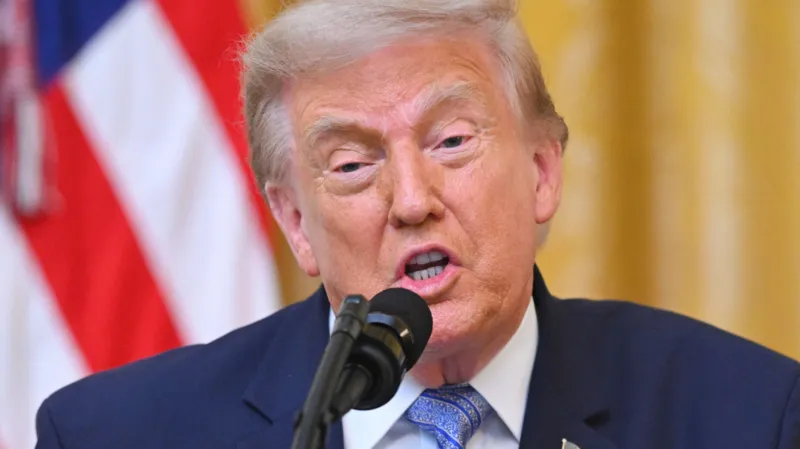
Former US President Donald Trump has raised concerns about what he described as “shocking vulnerabilities” in the country’s election security system ahead of the upcoming midterm elections, renewing a long-running debate over voting procedures, election administration and public confidence in the democratic process.
Trump’s comments have intensified discussions among political leaders, election officials and security experts about how best to protect elections while maintaining public trust.
The allegations come as the United States prepares for another major election cycle, with control of Congress and political influence at stake.
Trump has repeatedly questioned aspects of the US election system and has called for stronger measures to verify ballots and improve security procedures.

In his latest comments, he claimed that weaknesses remain within election infrastructure and warned that vulnerabilities could affect public confidence.
Trump’s concerns reflect his broader political focus on election integrity, an issue that has remained central among many Republican voters since the 2020 presidential election.
However, election officials and security experts have frequently stated that US elections include multiple safeguards designed to protect against fraud and interference.
Election security has become one of the most politically divisive issues in American politics.
Supporters of stronger election regulations argue that additional measures are needed to ensure accurate results and protect against potential abuse.
Critics, however, say some proposed restrictions could create unnecessary barriers for voters and make participation more difficult.
The debate often centres on issues such as voter identification requirements, ballot verification, mail voting procedures and the role of state governments in managing elections.
US election officials have highlighted the many layers of protection built into the voting system.
Unlike some countries with centralised election systems, the United States relies on a decentralised structure, with elections primarily managed by state and local authorities.
Security measures include ballot tracking systems, audits, voting machine testing, cybersecurity protections and post-election reviews.
Officials say these procedures are designed to detect mistakes, prevent tampering and ensure accurate results.
One area of agreement among many experts is the need to protect elections from cyber threats.
Foreign interference, hacking attempts and misinformation campaigns remain ongoing concerns.
Security agencies have warned that hostile actors may attempt to influence public opinion, disrupt confidence in democratic institutions or target election infrastructure.
As technology continues to play a larger role in elections, cybersecurity has become a major priority for officials across the country.
The upcoming midterm elections carry significant political importance.
Midterms determine control of seats in Congress and often serve as a measure of public opinion toward the party controlling the White House.
A strong performance by either party can influence the direction of national policy and shape the political environment ahead of future presidential contests.
Because of their importance, election security concerns are expected to remain a major issue during the campaign period.
Election administrators have pushed back against claims that the voting system is fundamentally insecure.
Many officials argue that broad allegations without specific evidence can damage public trust and create unnecessary concern among voters.
They have repeatedly encouraged the public to rely on verified information from official election authorities.
Officials from both political parties in several states have defended the professionalism of election workers and the safeguards used during voting.
The debate over election security reflects deeper disagreements between Democrats and Republicans.
Republican leaders have generally focused on strengthening verification requirements and increasing oversight.
Democrats have often warned that some election restrictions could disproportionately affect certain groups of voters.
The disagreement has led to legislative battles at both state and federal levels, with lawmakers debating how to balance security and accessibility.
Maintaining trust in elections is considered essential for any democracy.
Experts say voters must believe that election outcomes are accurate and fairly determined.
At the same time, they argue that confidence can be weakened when political leaders make unsupported claims about election systems.
Election officials have emphasised the importance of transparency, clear communication and public education.
Another major challenge facing election security is the spread of misinformation.
False claims about voting procedures or election results can spread quickly through social media platforms.
Experts warn that misinformation campaigns can create confusion and undermine confidence even when election systems remain secure.
Authorities have increased efforts to provide accurate information and respond quickly to false claims.
Trump has made election issues a central part of his political message in recent years.
His supporters argue that his focus reflects concerns shared by millions of Americans who want stronger safeguards.
Opponents argue that repeated allegations without evidence risk weakening trust in democratic institutions.

The debate is likely to continue throughout the midterm campaign as candidates discuss election policies and voter confidence.
As the United States moves closer to the midterm elections, election security will remain a major political issue.
Trump’s claims of “shocking vulnerabilities” have renewed debate over how elections should be protected and managed.
While concerns about cybersecurity, foreign interference and administrative improvements remain important, officials continue to emphasise that existing safeguards are designed to protect the integrity of the voting process.
The challenge for election authorities will be maintaining both security and public confidence as millions of Americans prepare to cast their ballots.
Related News:
 US National Guard Member Killed in DC Shooting
 Russia losses Ukraine war peace talks intensify amid rising deaths
 Trump Escalates Minnesota Immigration Surge Amid Rising Tensions
 Homeland security agents deployed amid Minneapolis protests
 Trump Threatens Strong Action If Iran Executes Protesters
 Trump Receives Machado’s Nobel Medal in White House Meeting
 European Leaders Condemn Trump Tariff Threat Over Greenland
 EU Says US Ties Have Suffered ‘Big Blow’ After Greenland Crisis
 Trump Praises ‘Terrific’ Petro After White House Talks
 Starmer to Release Mandelson Files
 California Wins Supreme Court Approval for New Map
 Fears of New Arms Race as US-Russia Nuclear Weapons Treaty Expires
 Nurses’ families fear breakup under UK immigration crackdown
 ‘Trump Will Be Gone in Three Years,’ Top Democrats Tell Europe
 Hillary Clinton Accuses Trump of Epstein Files ‘Cover-Up’ in BBC Interview
 US Civil Rights Leader Jesse Jackson Dies Aged 84
 Stephen Colbert Says CBS Spiked Interview With Democrat Over FCC Fears
 Sanders Condemns Billionaire ‘Greed’ in California Tax Debate
 Trump Directs US Govt to Prepare Release of Files on Aliens and UFOs
 Trump Vows UFO File Release After Obama Interview
 Who is Abigail Spanberger, the Democrat set to give State of the Union response
 Trump hails economic ‘turnaround’ and threatens Iran in longest ever State of the Union
 American Citizen Killed in Cuba Boat Shooting, U.S. Officials Say
 Hillary Clinton Tells House Panel She Had No Idea of Epstein’s Crimes
 Hopes and Fears as US Iranians Take to Streets After Toppling of Supreme Leader
 Iran, the US, and a World Cup That Starts in Three Months
 Trump Faces Questions Over Iran Conflict Plan
 Texas Senate seat fight heads to runoff as votes split
 Cooper and Whatley Win Primaries for North Carolina Senate
 US Senate Backs Trump War Powers Amid Iran Missile Barrage
 US Senate Vote Fails to Rein in Trump War Powers on Iran
 Thousands Protest Iran Strikes Outside US Embassy London
 US Bombers Arrive at RAF Base Amid Rising Iran Tensions
 UK Prepares Aircraft Carrier for Middle East Crisis
 Pete Hegseth Iran War Remarks Spark Alarm
 Iran War Puts Trump at Political Risk Amid Rising Prices
 Iran Rejects Ceasefire, Warns Trump With Chilling Message
 Trump’s Confidence Undimmed — But Every Iran Option Carries Risk
 Can Congress Stop US Sports Teams From Moving Cities?
 Democracy Under Guard: Police Surge Support as Threats Against MPs Hit Record Highs
 The “Protective Shield”: Who is Todd Blanche, the New Acting U.S. Attorney General?
 Can King Charles Calm Trump on Key US Visit?
 The Bench Strikes Back: Lower Court Judges Emerging as Main Obstacle to Trump’s Executive Pivot
 The Moral Crisis Looming Within the American Chain of Command
 The Changing Face of Georgia: Trump-Backed Clay Fuller Wins Election
 Capitol Hill Showdown: Bill Gates to Testify in Expanding Epstein Inquiry
 Trump Signals Hope for New Iran Talks as Ceasefire Fades
 Harmeet Dhillon Faces Scrutiny in DOJ Role Debate
 Trump at Press Dinner Sparks Tension
 Identity Revealed: Suspected Washington Gunman Named
 US Court Weighs Fate of TPS for Migrants
 Florida Redistricting Map Sparks Major US Political Battle
 US Court Ruling Reshapes Voting Rights Landscape
 US states redraw maps after voting rights ruling
 Trump Threatens UN Budget Cuts as US Pushes ‘Trade Over Aid’ Agenda
 US Court Restores Abortion Pill Access Temporarily
 Tensions Emerge in Netanyahu-Trump Alliance
 US Awaits Iran Reply on New Ceasefire Proposal
 Immigration Judges Fear Pressure in Trump Era
 US green card applicants must apply from abroad, DHS says
 Tulsi Gabbard exits after turbulent intelligence tenure
 Hormuz Talks Near Critical Stage
 Former ICC prosecutor condemns US sanctions
 DeSantis’s ‘Alligator Alcatraz’ Faces Final Shutdown
 Prosecutor Proposes Law to Combat Election Deceit
 House Curbs Trump’s War Powers in Rare Rebellion
 Trump-Netanyahu Call Fuels Iran Talk Crisis
 Zelensky Invites Putin to Direct Peace Talks
 Trump Ballroom Project Faces Rising Costs
 Trump Approves $700m Coal Industry Investment
 Israel Strikes Iran After Missile Attack
 US Courts Back Trump on Park Signage Removals
 Trump Helps Clear Balogun for Belgium World Cup Clash
 Trump Helps Clear Balogun for Belgium World Cup Clash
 Why Some African Nations Are Rejecting Trump Aid
 Trump’s Major Recruitment Drive Targets Border Patrol Growth
 Trump’s New Vision for 250 Years of US Expansion
 Democrats Urge Maine Senate Candidate to Leave Race
 Trump Refuses to Sign Housing Bill, But Law Takes Effect
 Trump’s Hormuz U-Turn Raises Doubts Over Iran Strategy